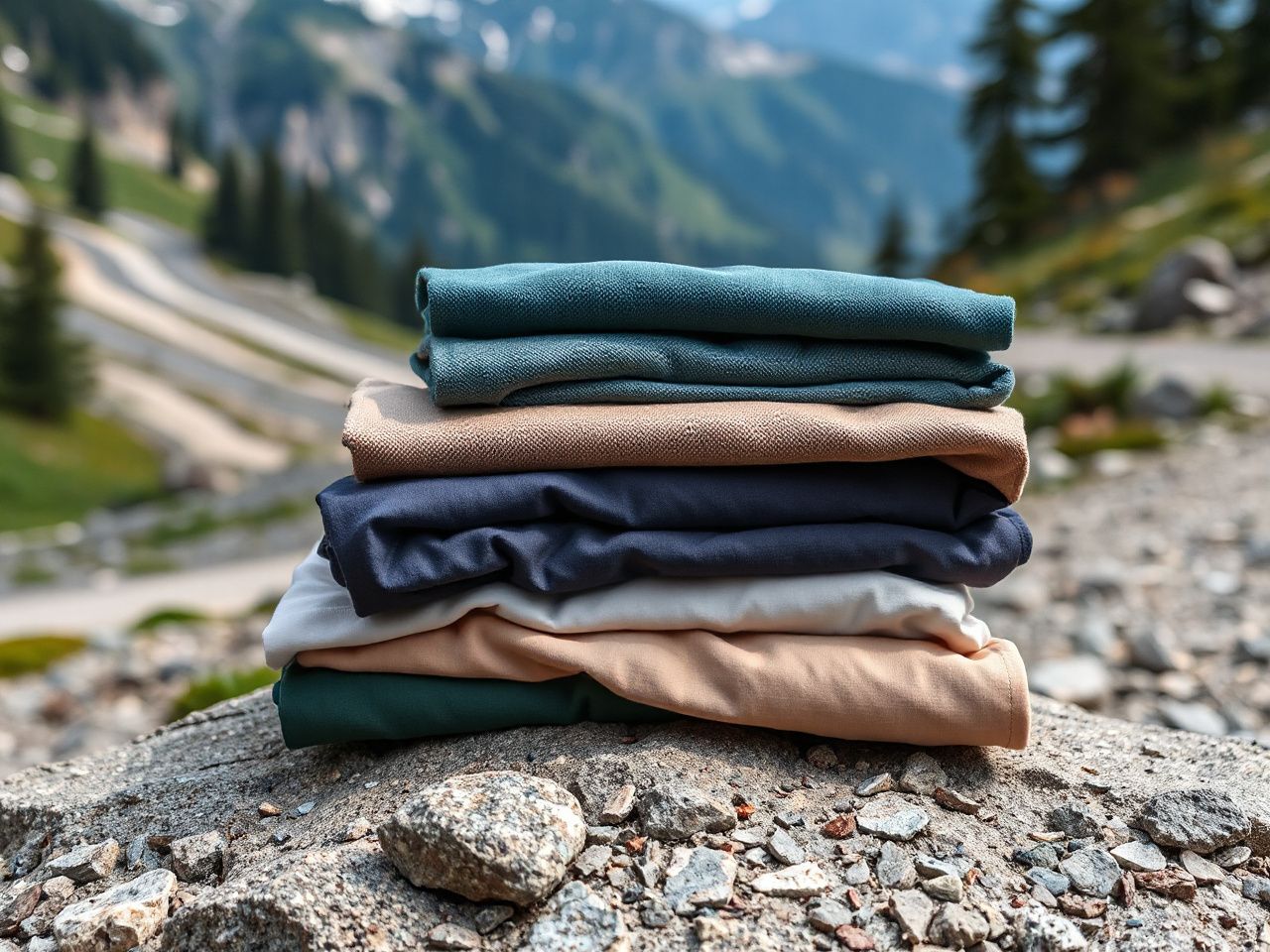
Hiking Clothes What to Wear: The Complete Guide
Contents
Hiking clothes don’t need to be complicated. Ask anyone who travels by motorcycle and the moments that make the best stories are almost always the ones where something went wrong — the detour, the weather that turned, the night that did not go to plan. Preparation doesn’t prevent adventure — it just gives you better options when it shows up. The same is true for your clothing choices on the trail.
This guide breaks down hiking clothes what to wear by the layer system, covering base layers, insulation, and outer shells for any weather or terrain.
Key Takeaways
- Use a three-layer system: a wicking base layer, an insulating mid layer, and a waterproof outer shell.
- Choose fabrics based on activity and conditions — wool and synthetic for base layers, down or synthetic for insulation.
- Your boots and socks are the most critical pieces for comfort and safety; fit and material matter more than brand.
What to Wear Hiking: The Three-Layer System
The core principle behind what to wear hiking is the three-layer system. This isn’t just a marketing term — it’s a proven approach used by mountaineers and hikers worldwide. Each layer serves a distinct purpose: wicking moisture, trapping heat, and blocking wind and rain.
When your core stays dry and warm, your legs and feet have the energy to keep moving. When you sweat through a cotton shirt on a cold day, you risk hypothermia.
Base Layer: Managing Moisture
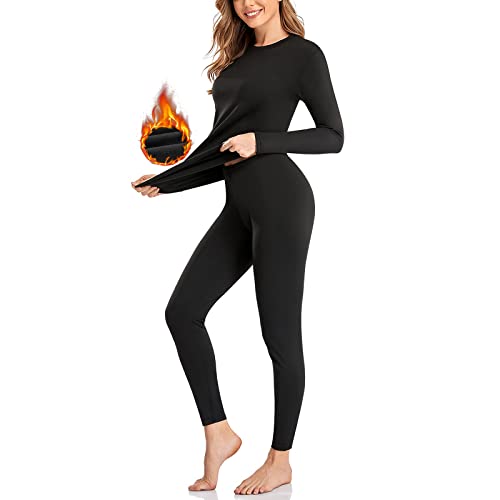
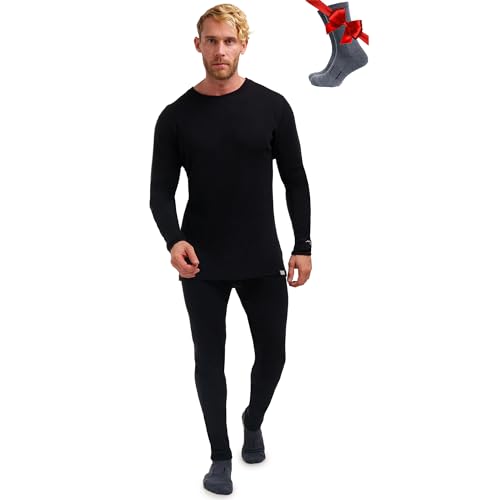
The base layer sits directly against your skin. Its job is to wick sweat away from your body and dry quickly. Avoid cotton — it holds moisture and stays wet, which can chill you rapidly.
For warm weather, look for lightweight synthetic shirts made of polyester or nylon. For cold weather, merino wool is the best choice. It resists odor, regulates temperature, and still insulates when damp. A 150-200 weight merino shirt is ideal for most three-season hiking.
Insulation Layer: Trapping Heat
The mid layer traps body heat to keep you warm. On a motorcycle, this is the difference between a comfortable ride and shivering through the last hour. On the trail, the same rules apply.
Down insulation is lightweight and extremely warm for its weight, but it loses all insulating ability when wet. Synthetic insulation like PrimaLoft or Polartec Alpha works when damp and dries faster. For most day hikes, a fleece jacket or a lightweight puffy is sufficient. On colder days, layer a fleece under a down jacket for maximum warmth.
If you’re planning multi-day trips, check out the best clothes to wear backpacking for more detailed advice on packing for extended hikes.
Outer Shell: Wind and Water Protection
The outer shell blocks wind and rain. Look for a jacket with a DWR (durable water repellent) finish and sealed seams. Gore-Tex is the most reliable option, but many quality alternatives exist.
For hiking in dry climates, a simple windbreaker is enough. For wet environments, a waterproof shell is non-negotiable. Pants should match — waterproof bottoms for rain, or softshell pants for breathability in dry conditions.
Footwear and Socks: The Foundation
Your feet carry everything. On a motorcycle, your boots are part of the control system. On a hike, your footwear is your connection to the trail. Choosing the wrong boots or socks can ruin any outing.
For day hikes on well-maintained trails, trail runners are lighter and more comfortable than heavy boots. For rocky, uneven terrain or when carrying a heavy pack, hiking boots provide ankle support and protection. Make sure your boots fit properly — too tight and you’ll get blisters, too loose and you’ll slip inside them.
For a full guide on sizing, see hiking boot size chart to get the right fit every time.
Socks are just as important. Wear a thin liner sock under a medium-weight wool or synthetic hiking sock. This two-sock system reduces friction and blisters. Avoid cotton socks like the plague — they hold moisture and cause blisters.
What to Wear for Different Conditions
Warm Weather Hiking
When temperatures are above 21°C (70°F), keep it simple. A lightweight, long-sleeve synthetic shirt protects your skin from the sun and helps you avoid sunburn. Shorts or lightweight hiking pants work well. If you’re hiking through brush, pants protect your legs from scratches and ticks.
Bring a lightweight rain jacket in your pack even if the forecast is clear. Afternoon thunderstorms are common in mountain areas. A packable windshell is also useful for windy ridge sections.
Cold Weather Hiking
For temperatures between 1°C (34°F) and 10°C (50°F), use a three-layer system with a heavier mid layer. Start with a merino base, add a fleece or a synthetic puffy, and top with a windproof shell. Bring an extra insulated layer for breaks — you’ll cool down quickly when you stop moving.
Your hands and head lose heat fast. Wear a beanie and lightweight gloves. If it’s below freezing, add a buff or neck gaiter to protect your face.
If you’re hiking near water or crossing streams, know how your gear performs. Check out are hiking boots good in water for advice on keeping your feet dry.
Rainy Day Hiking
Rain changes everything. Your outer shell must be fully waterproof, not just water-resistant. Look for a jacket with a hood that fits over a helmet or hat. Pants should have side zips so you can put them on without removing your boots.
Keep your base and mid layers dry. If you’re hiking in steady rain, consider a waterproof backpack cover to keep your spare clothes and gear dry. Bringing a dry bag for electronics is a good habit.
What Not to Wear Hiking
Some clothing choices are almost always wrong. Cotton is the biggest offender — it absorbs moisture, stays wet, and chills you. Leave the denim jeans and cotton t-shirts at home.
Heavyweight cotton hoodies are also a poor choice. They’re heavy when wet and take forever to dry. Instead, use a fleece or a synthetic puffy.
New boots worn straight out of the box on a long hike will cause blisters. Break them in over a few short walks first. And never wear socks that are too tight or too loose — both cause friction and blisters.
Frequently Asked Questions
Can I wear leggings for hiking?
Yes, but choose leggings made from synthetic materials like polyester or nylon, not cotton. They should be tight enough to stay in place but not restrictive. For colder weather, look for fleece-lined leggings. Pair them with shorts or hiking pants for modesty and extra pocket space.
Do I need special hiking shoes or can I use regular sneakers?
Regular sneakers work for short, easy trails on smooth surfaces. For uneven, rocky, or steep terrain, hiking shoes or boots provide better grip, ankle support, and protection. Trail runners are a good middle ground — they’re lighter than boots but still have aggressive tread. Choose based on your trail conditions.
How many layers should I wear for a day hike?
Start with two to three layers: a base layer, an optional insulating layer, and an outer shell. Adjust as you warm up. The key is to remove layers before you start sweating and add them back when you stop. This keeps you comfortable and reduces moisture buildup, which helps prevent chills.
What is the best material for hiking socks?
Merino wool is the best material for most hiking socks. It wicks moisture, resists odor, and insulates even when damp. Synthetic blends like polyester-nylon are also good and often cheaper. Avoid cotton for any hiking longer than a short walk — it causes blisters and stays wet.