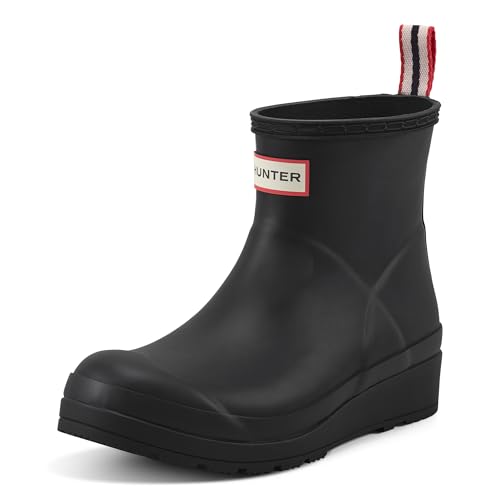
The Complete Guide to the Best Ladies Rain Shoe 2026
Contents
Have you ever been caught in a sudden downpour on a long ride, with your boots soaked through and your toes turning numb? That moment when you’re still miles from the next town, and the rain is coming down sideways — it’s a test of both your gear and your spirit. Rides like that teach one thing: the right ladies rain shoe isn’t a luxury, it’s a necessity for any rider who values comfort and safety in wet conditions.
Budget gear on a loaded adventure bike is a false economy every time. The same principle applies to rain footwear. A poorly made shoe compromises your grip on wet pegs, lets water seep in within the first hour, and can even lead to foot fatigue that affects your control. This guide explains what to look for in a ladies rain shoe, how to test it, and how to keep it performing season after season.
Key Takeaways
- Waterproofing membranes like Gore-Tex or eVent are essential for keeping feet dry, but look for a bootie construction that extends above the ankle for true immersion protection.
- Sole pattern and rubber compound matter more than you think — soft rubber grips wet metal pegs, while a deep tread handles mud and gravel.
- Fit is everything: a shoe that’s too loose shifts on the peg, too tight restricts circulation and causes cold feet. Always try on with the socks you’ll ride in.
Why a Dedicated Ladies Rain Shoe Matters for Riding
Standard rain boots or fashion rain shoes simply aren’t built for the demands of motorcycling. When you’re on two wheels, your feet do more than just sit there — they shift weight, operate controls, and absorb vibration. A riding-specific ladies rain shoe combines waterproofing with ankle support, oil-resistant soles, and reinforced toe boxes. Cheap rubber boots can have soles that peel off on wet highway on-ramps, creating a crash risk.
Beyond safety, comfort directly affects your focus. Wet feet cause distraction, shivering, and even numbness that reduces your ability to feel the brake pedal. A good rain shoe keeps you dry for a full day of riding, which means you can concentrate on the road and the scenery — not on how miserable your feet feel.
What Makes a Rain Shoe ‘Riding-Ready’?
Look for these features when evaluating a ladies rain shoe for motorcycle use:
- Waterproof membrane: Gore-Tex, Sympatex, or a proprietary waterproof breathable layer. The bootie should be seamless around the ankle to prevent leaks.
- Oil-resistant outsole: Rubber that doesn’t get slippery when wet. Check for a rating like ASTM F1677 or similar slip-resistance standards.
- Ankle protection: Padding or a rigid insert around the malleolus (ankle bone). This prevents twisting in a low-speed tip-over.
- Reflective elements: Small reflective patches or piping for visibility in low light or heavy rain.
How to Choose the Right Ladies Rain Shoe for Your Riding Style
The best rain shoe for you depends on where and how you ride. A commuter in the city needs different features than a long-distance adventurer crossing mountain passes. Let’s break it down by riding style.
For Commuting and City Riding
If your ride is mostly paved roads with occasional puddles, look for a short boot or shoe that’s easy to slip on and off. A lace-up or zip-side ladies rain shoe with a waterproof membrane works well. You want good pedal feel, so avoid overly thick soles. A reinforced toe is still important for shifting, but you don’t need a full adventure boot. For a deeper look at versatile options, check out our Best Trail Running Shoe Reviews for 2026 — many trail runners share similar waterproof features that work for urban riding.
For Adventure and Long-Distance Touring
When you’re covering 300+ miles in a day, your rain shoe needs to be a true boot. Look for a height of at least 6 inches to protect your ankle and lower shin. A rugged sole with deep lugs (5mm or more) gives you grip on loose surfaces when you have to put a foot down on a muddy trail. Also, consider a boot with a replaceable sole — you’ll wear through the tread faster than the waterproofing.
For Wet and Cold Weather
If you ride in temperatures below 50°F (10°C), insulation becomes critical. Thinsulate or similar materials trap heat without adding bulk. A thermal insole can also help. But remember: insulation is useless if the shoe isn’t waterproof first. Moisture wicks heat away 25 times faster than air, so a leaky boot will make you cold even with thick socks.
Testing and Maintaining Your Ladies Rain Shoe
You’ve bought your rain shoe. Now you need to make sure it actually works. Don’t wait for a downpour to find out. Here’s how to test and maintain your gear.
Waterproofing Test
Fill a sink with a few inches of water. Put your shoe on (with your riding sock) and stand in the water for 2 minutes. Move your foot around as if you’re shifting and braking. If you feel any moisture, the shoe failed. This test simulates the pressure of water against the boot while riding. For a more thorough test, use a spray bottle on the seams and zippers.
Drying and Care
After a wet ride, never put your rain shoe near a direct heat source like a radiator or hair dryer. Heat damages the waterproof membrane and can warp the sole. Instead, stuff the boots with newspaper or a boot dryer that uses low heat (under 100°F / 38°C). Let them dry for at least 24 hours before your next ride. Re-apply a waterproofing spray (like Nikwax or Grangers) every 3-4 months, or after every 10 wet rides.
When to Replace
Even the best ladies rain shoe has a lifespan. Signs it’s time to replace include: cracked or peeling soles, visible wear on the heel, or water seeping through after a re-treatment. On average, a well-maintained rain shoe lasts 2-3 seasons of regular riding. If you ride year-round in wet climates, plan to replace them every 18 months.
Environmental Considerations for the Riding Advocate
Riders who travel to experience the landscape share a responsibility to protect it. The materials in your rain shoe matter. Look for brands that use recycled materials in their waterproof membranes or outsoles. Some manufacturers now offer repair services for soles and zippers, extending the life of your gear. When your boots are truly worn out, check if the brand has a take-back program. Many outdoor gear companies recycle old boots into playground surfaces or insulation. For more on sustainable gear choices, our 6 Best Work Rain Gear Picks for 2026 includes options that prioritize eco-friendly materials.
Frequently Asked Questions
Can I wear regular rain boots for motorcycle riding?
Regular rain boots lack ankle support, have slippery soles on wet pegs, and offer no toe reinforcement for shifting. They’re fine for walking, but not for riding. A dedicated ladies rain shoe designed for motorcycling provides the grip, protection, and control you need to stay safe.
How do I know if a rain shoe fits properly for riding?
Try the shoe on with the socks you plan to wear. Your heel should not lift when you walk, and your toes should have about a thumb’s width of space in front. When seated on your bike, your foot should feel secure on the peg without any side-to-side movement. If it shifts, the shoe is too large.
Are expensive rain shoes worth the investment?
Yes, if you ride regularly. Higher-priced shoes use better waterproof membranes, more durable soles, and offer replaceable parts. Cheap rain shoes often fail within a season, costing you more in the long run. Think of it like crash bars: investing upfront saves you money and frustration later.
Can I use a waterproofing spray on my existing riding boots?
Yes, but only if your boots are not already lined with a waterproof membrane. Spray-on treatments work best on leather or fabric boots. For boots with a membrane like Gore-Tex, use a wash-in treatment designed for breathable fabrics. Always test on a small area first.
What’s the best way to dry wet rain shoes without damaging them?
Remove the insoles and stuff the boots with newspaper. Change the paper every few hours. Use a boot dryer on low heat (under 100°F / 38°C) if you have one. Never use direct heat. Allow 24-48 hours for full drying. This preserves the waterproofing and prevents cracking.