Nordic Countries Travel: Your Complete 2026 Guide
Contents
The temperature can drop to -12°C or lower, making inadequate gloves a serious problem. The gear you skip buying to save money is almost always the gear you regret not having when you need it most. Invest once, invest right. Knowing what matters when traveling through the Nordic countries in winter is essential.
This guide covers the real conditions, the gear that works, the routes that deliver, and the mistakes that will waste your time and money. If you’re planning a trip to the Nordic countries in 2026, this is the honest breakdown you need.
Key Takeaways
- Traveling the Nordic countries by motorcycle or vehicle requires layering systems rated for -20°C, not just heavy jackets.
- Road conditions vary drastically between coastal Norway and inland Sweden—plan your route around weather windows, not just scenery.
- The best time for Nordic countries travel is late May through early September, but shoulder seasons offer lower costs and fewer crowds.
- Border crossings within the Nordic region are seamless, but fuel stations in northern Finland and Norway can be 150 km apart—always top off when you can.
Why Nordic Countries Travel Demands a Different Mindset
Most travelers treat a trip to Norway, Sweden, Finland, Denmark, and Iceland like a standard European vacation. They book hotels in city centers, pack for mild weather, and assume roads will be well-marked. That works fine for a weekend in Copenhagen. But if you’re planning to cover ground—whether by motorcycle, camper van, or rental car—the Nordic countries demand serious planning.
The distances are deceptive. Driving from Oslo to the Lofoten Islands takes over 15 hours without stops. The weather can shift from clear skies to snow in thirty minutes, even in August. And the cost of last-minute gear replacements can blow your budget. Being unprepared has significant consequences.
If you’re comparing options, our guide on the best Nordic country to visit in 2026 breaks down which destinations suit different travel styles.
What You Actually Need to Pack
Packing for Nordic countries travel isn’t about bringing everything you own. It’s about bringing the right layers and knowing how to use them. Travelers who bring only one heavy parka and a pair of jeans risk freezing within an hour of stepping outside.
Base Layers Are Non-Negotiable
Merino wool base layers are the standard. They wick moisture, resist odor, and retain warmth even when wet. A 250 g/m² weight suits winter and 150 g/m² summer. Don’t cheap out on synthetic blends—they trap sweat and leave you cold.
Mid Layers for Insulation
A fleece or lightweight down jacket goes over your base layer. The key is breathability. If you’re active—hiking, riding, walking—you’ll generate heat. A mid layer that doesn’t breathe will make you sweat, and sweat kills warmth.
Outer Shell for Wind and Water
The Nordic countries are windy. Norway’s coast gets constant gales, and Finland’s flat terrain offers no shelter. A waterproof, windproof outer shell is mandatory. A Gore-Tex jacket and pants are ideal for riding, but a quality rain suit works if you’re in a car.
Footwear and Hand Protection
Your feet and hands will fail first. Insulated, waterproof boots rated to at least -20°C are essential. Sorel boots are a popular choice for non-riding days. For hands, layering works: a thin merino liner under an insulated leather glove. Heated grips on a motorcycle are a game-saver, but not a substitute for proper gloves.
Navigating the Nordic Seasons
When you travel through the Nordic countries depends entirely on what you want to do. Each season offers a different experience, and none of them are forgiving to poor planning.
Winter (December to March)
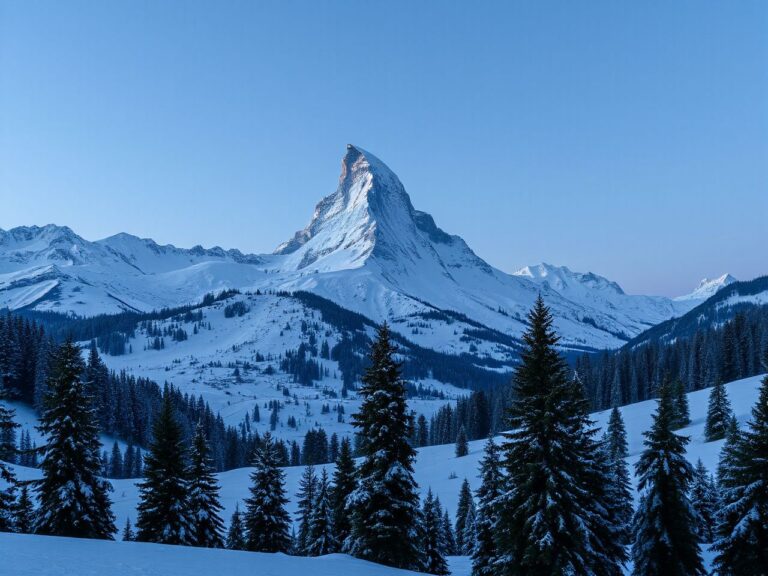
Winter is the most challenging season for Nordic countries travel. Daylight lasts only 4-6 hours in the far north. Roads are icy, and temperatures in places like Kiruna, Sweden or Inari, Finland regularly hit -30°C. But this is also when you can see the Northern Lights, drive on frozen lakes, and experience the quiet that only deep snow brings.
If you ride in winter, studded tires are mandatory. They give surprising grip on ice, even on a bike. Just know that your range drops significantly—cold batteries and thicker oil reduce fuel economy by 20-30%.
Spring (April to May)
Spring is a transition period. Snow melts, roads become slushy, and many mountain passes remain closed until late May. Spring is not the best season for a first-time trip. The conditions are unpredictable, and you’ll spend more time dealing with wet gear than enjoying the landscape.
Summer (June to August)
Summer is the peak season for Nordic countries travel. Temperatures range from 10°C to 25°C, depending on latitude. The midnight sun in the north means 24-hour daylight, which is surreal and disorienting. You can hike, camp, and ride without worrying about darkness.
But summer also brings crowds. The Lofoten Islands, Geirangerfjord, and Stockholm’s archipelago are packed with tourists. Book accommodations months in advance. Hotels near Preikestolen often fill up quickly.
Autumn (September to October)
Autumn is a popular season for travel. The crowds thin out, the fall colors are stunning, and the weather is still manageable. September offers crisp days and clear skies. By October, rain and wind pick up, and some attractions close for the season. It’s a great time for budget-conscious travelers who don’t mind a bit of weather.
Route Planning for the Nordic Countries
Your route determines everything: where you sleep, what you see, how much you spend, and how much stress you endure. A common mistake is trying to cover too much ground in too little time. Don’t do it.
The Norwegian Fjords Route
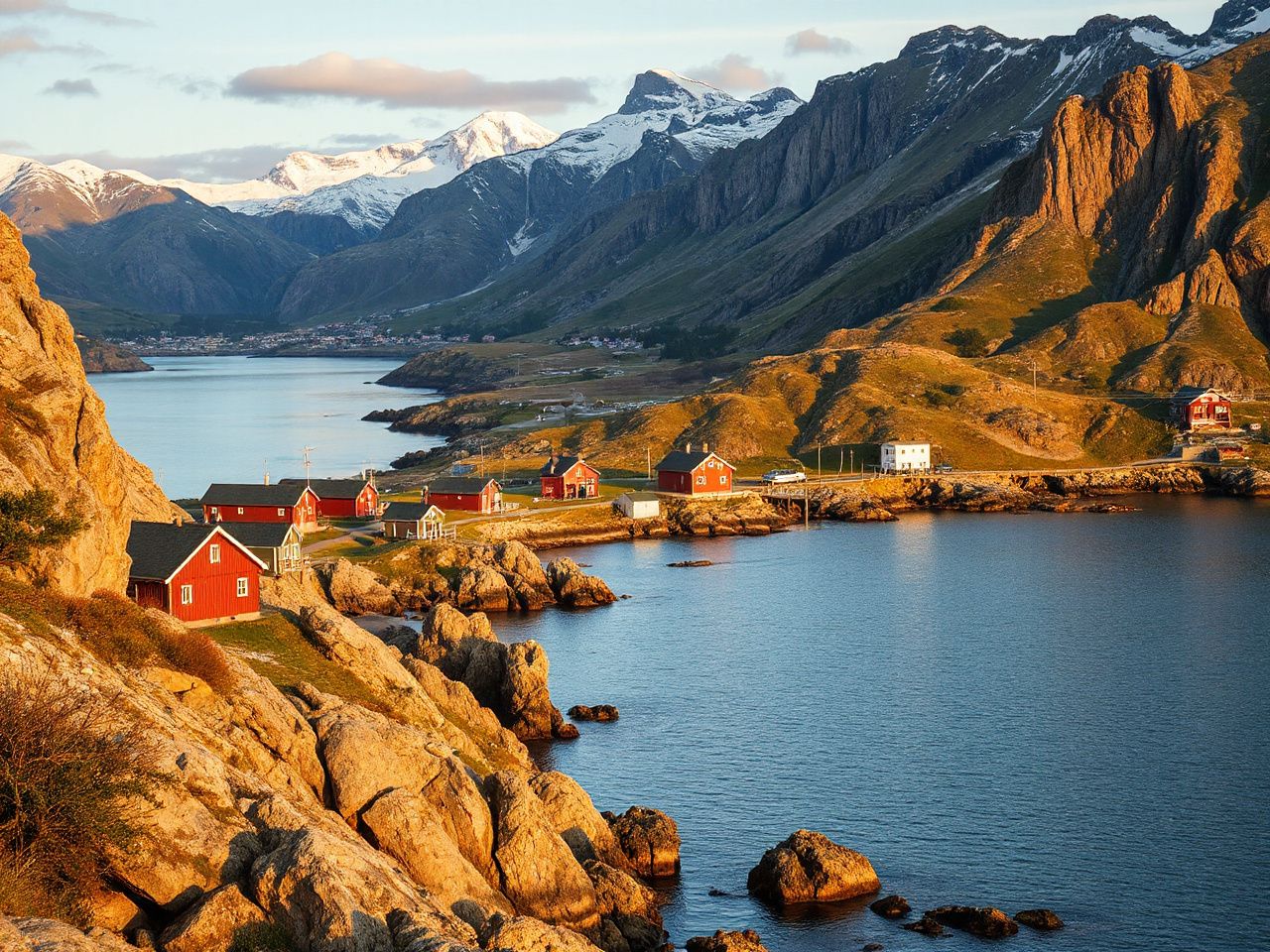
Start in Bergen, ride through the Sognefjord region, cross the mountain passes to Ålesund, and continue north to the Lofoten Islands. This route is about 1,500 km one way and requires at least 10 days to do properly. The roads are narrow, with tunnels, ferries, and hairpin turns. It’s not a route for beginners.
The Swedish Interior Route
Sweden’s interior is flatter and less dramatic than Norway’s coast, but it offers something else: solitude. The E45 highway runs from Gothenburg up to Kiruna, passing through vast forests and endless lakes. It’s a good route for riders who want to cover distance without constant stops. Fuel stations are sparse north of Östersund, so plan your tank stops.
The Finnish Lakeland Loop
Finland’s Lakeland region is a network of lakes, rivers, and forests. The route from Helsinki to Kuopio and back covers about 800 km. It’s ideal for a 5-7 day trip with camping and fishing. The roads are well-maintained, and traffic is light outside of major cities.
For a detailed comparison of two popular destinations, check out our guide on Sweden vs Norway: Our Top Travel Picks for 2026.
Gear That Actually Matters
This isn’t a list of every piece of gear you could buy. That would be padding. Instead, here are the three items that make the biggest difference.
Heated Gear
Heated grips, vests, and socks. If you’re riding in temperatures below 10°C, heated gear is not optional. A heated vest that plugs into the bike’s battery is one. It draws about 75 watts, which is negligible for most bikes. Heated socks are a close second—cold feet ruin concentration.
Waterproof Bags
Dry bags for your luggage. Even if your panniers claim to be waterproof, they leak eventually. 20-liter dry bags protect clothing and electronics. They cost about €30 each and are worth every cent.
GPS and Offline Maps
Cell service in the Nordic countries is good near towns, but it drops in the mountains and forests. A Garmin Zumo works well for navigation, with offline maps on your phone via Maps.me as backup. Always download the regions before you leave.
Budgeting for Nordic Countries Travel
The Nordic countries are expensive. A basic hotel room in Oslo costs €150-200 per night. A meal at a mid-range restaurant runs €25-40. Gasoline is about €1.80-2.20 per liter. If you’re on a tight budget, you need to plan carefully.
Camping is the best way to save money. Sweden and Norway have free camping laws (allemansrätten) that allow you to pitch a tent anywhere on uncultivated land for one or two nights. Camping keeps costs low; two weeks in Finland can cost under €200 in accommodation. Just bring a tent rated for wind and rain.
Cooking your own food also cuts costs. Most supermarkets (Rema 1000, Coop, Prisma) have affordable groceries. Carrying a portable stove to cook simple meals like pasta, rice, and canned fish can save hundreds of euros.
Understanding the Nordic Countries’ Differences
Many travelers lump Norway, Sweden, Finland, Denmark, and Iceland together. They’re distinct countries with different languages, cultures, and landscapes. Knowing the differences helps you plan better.
Norway is about dramatic fjords, mountains, and high prices. Sweden offers more accessible nature, better roads, and slightly lower costs. Finland is flat, forested, and quiet—ideal for solitude. Denmark is small, flat, and expensive, with excellent cycling infrastructure. Iceland is otherworldly but requires a 4×4 vehicle and serious weather preparation.
For a deeper look at the terminology, our article on Nordic Vs Scandinavian Countries: Key Differences clarifies the distinction.
Frequently Asked Questions
What is the best time of year for Nordic countries travel?
Late May through early September offers the most reliable weather, longest daylight, and access to all roads and attractions. July and August are peak season with crowds and high prices. September is a good compromise with fewer tourists and still decent conditions.
Do I need a visa to travel through the Nordic countries?
Citizens of the US, Canada, Australia, and most European countries do not need a visa for stays up to 90 days in the Schengen Area, which includes all Nordic countries except Iceland and Norway (which are part of the Schengen Area through agreements). Always check current entry requirements before traveling.
How do I handle the language barrier in the Nordic countries?
English is widely spoken across all Nordic countries, especially in cities and tourist areas. In remote areas, younger people speak English fluently. Learning a few basic phrases like “thank you” (takk in Norwegian, tack in Swedish, kiitos in Finnish) is appreciated but not necessary.
Is it safe to travel alone in the Nordic countries?
Yes. The Nordic countries are among the safest in the world. Violent crime is rare. The main risks are weather-related: hypothermia, frostbite, and accidents on icy roads. Solo travelers should carry a personal locator beacon and inform someone of their route when heading into remote areas.