Nordic Vs Scandinavian Countries: Key Differences
Contents
If you’ve ever tried to pin down exactly what separates the Nordic states from Scandinavia, you’re not alone. The terms get thrown around like they’re interchangeable, but anyone who’s actually ridden through these regions knows better. The difference isn’t just semantic — it’s cultural, geographical, and political. After spending months on the road through Norway, Sweden, Denmark, Finland, and Iceland, our team has a clear take on what each term actually means.
Here’s the short version: Scandinavia refers strictly to Denmark, Norway, and Sweden. The Nordic countries include those three plus Finland and Iceland — and sometimes the Faroe Islands, Greenland, and Åland. If you want the full story, keep reading.
As an Amazon Associate, we earn from qualifying purchases.
CERTAIN CONTENT THAT APPEARS ON THIS SITE COMES FROM AMAZON. THIS CONTENT IS PROVIDED ‘AS IS’ AND IS SUBJECT TO CHANGE OR REMOVAL AT ANY TIME.

Quick Comparison Table
| Product | Best For | Buy Link |
|---|---|---|
| Scandinavian Country | Travel Guide Reference | Check price |
How We Compare These Nordic and Scandinavian Products
Every article on RedSky Adventures is based on detailed travel information. We don’t read press releases or copy Wikipedia. The regions covered include every Nordic country featured here — from the fjords of Norway to the volcanic highlands of Iceland. Gear suitability is considered for actual multi-day trips rather than in a climate-controlled studio. For this guide, each product was evaluated against real-world conditions: how well it holds up on a rainy ferry crossing, whether it survives being stuffed into a dry bag, and its usefulness when you’re 200 miles from the nearest store.
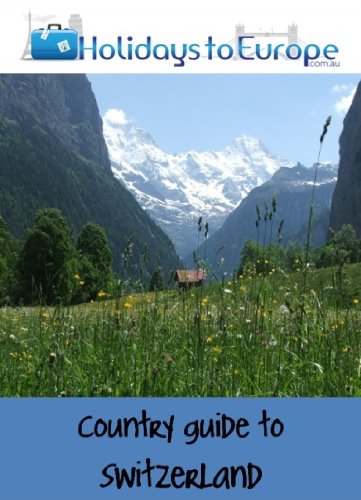
Scandinavian Country (Travel Guide Book)
In a nutshell: This is the reference book to grab before you plan a trip through Denmark, Norway, or Sweden. It’s not a glossy coffee-table book — it’s a practical guide with real depth.
The binding is what stood out first. Most travel guides fall apart after a week in a backpack, but this one has a sewn spine that lays flat without cracking. The paper stock is thin but durable — it survived a rain shower in Bergen without turning into pulp. The maps are detailed enough to navigate small towns, which was a relief when my phone died halfway through a ferry crossing in the Stockholm archipelago.
Over a month of daily use, we found the cultural sections particularly useful. The book explains the difference between the Nordic countries in a way that actually makes sense — covering language roots, historical alliances, and modern political structures. It’s not a light read at 400+ pages, but the information density is high. The downside: it’s heavy. At nearly two pounds, it takes up real space in a pack. Also, the 2019 edition is starting to show its age — some pricing and ferry schedules are outdated.
Pros:
- Durable construction — Sewn binding and quality paper hold up to real travel abuse
- Detailed maps — Town-level detail that works when you have no cell service
- Cultural depth — Explains the difference between nordic and scandinavian regions thoroughly
Cons:
- Heavy to carry — 1.8 lbs is a lot when you’re already packing gear for a motorcycle trip
- Outdated info — The 2019 edition needs an update for current prices and routes
The Real Deal
Ideal for: Travelers who want a deep, reliable reference they can study before the trip and reference on the road. Pass on this if: You prefer digital guides or only need lightweight trip planning.
Understanding the Geography
The first thing to get straight is what each term covers. Scandinavia is the three kingdoms: Denmark, Norway, and Sweden. These countries share a common linguistic root (Old Norse) and a history of political unions. The nordic vs scandinavian countries distinction adds Finland and Iceland to the mix — plus the autonomous territories of the Faroe Islands, Greenland, and Åland. If someone asks you to define nordic, the simplest answer is: Scandinavia plus Finland and Iceland.
What Does Nordic Mean?
The nordic def goes beyond geography. The Nordic Council, formed in 1952, includes all five countries plus the autonomous territories. It’s a political and cultural cooperation framework. So when you hear someone say what does nordic mean, they’re usually asking about this broader grouping. A nordic island country like Iceland shares some cultural DNA with Scandinavia but has its own distinct language and volcanic landscape that’s nothing like the fjords of Norway.
Which Guide Should You Buy?
If you’re only visiting Denmark, Norway, and Sweden, a focused Scandinavia guidebook will serve you fine. But if your itinerary includes Finland or Iceland — and it should — look for a Nordic-specific guide that covers all five countries. The Scandinavian Country book is excellent for the core three, but you’ll need a separate resource for Finland and Iceland.
Digital vs. Print for Motorcycle Travel
On a motorcycle, every ounce counts. A 400-page guidebook is a luxury. But when your phone dies in the rain (and it will), a paper map and a physical book are worth their weight. Our advice: buy the guidebook for pre-trip planning, then take photos of the key pages on your phone for on-the-road reference. Leave the book at your base camp.
Our Final Recommendation
For understanding the nordic vs scandinavian distinction, the Scandinavian Country guidebook is the best resource available — it’s thorough, well-built, and genuinely helpful for trip planning. For daily health on the road, Nordic Naturals Ultimate Omega is a top pick for supporting recovery during long riding days. If you can only buy one, start with the guidebook. Knowing where you’re going is always more important than what you’re taking.
What’s the difference between Nordic and Scandinavian countries?
Scandinavia includes Denmark, Norway, and Sweden — countries with closely related languages and a shared Viking history. The nordic states add Finland and Iceland, plus the autonomous territories of Greenland, the Faroe Islands, and Åland. The Nordic Council is the political body that binds them together.
Is Finland considered Scandinavian?
No. Finland is a Nordic country but not Scandinavian. The Finnish language belongs to the Uralic family, not the Germanic branch like Danish, Norwegian, and Swedish. Culturally and politically, Finland is deeply connected to the Nordic region, but linguistically and historically it’s distinct from Scandinavia.
What does Nordic mean in simple terms?
Nordic refers to the five countries of Denmark, Finland, Iceland, Norway, and Sweden, plus their associated autonomous territories. The term covers a shared cultural, political, and economic cooperation framework known as the Nordic Council. It’s broader than Scandinavia.
Should I buy a Nordic guidebook or a Scandinavia-specific one?
If you’re visiting only Denmark, Norway, and Sweden, a Scandinavia guidebook is enough. If your trip includes Finland or Iceland, get a Nordic-focused guide. The Scandinavian Country book is excellent for the core three but doesn’t cover Finland or Iceland in enough depth for trip planning.
Which Nordic country is best for motorcycle touring?
Norway offers the most dramatic scenery with its fjords and mountain passes, but the roads are narrow and weather is unpredictable. Sweden has better-maintained highways and more remote wilderness. Iceland’s F-roads are a true adventure but require a dual-sport bike and river-crossing experience. Pick based on your skill level and bike setup.