The Complete Guide To Switzerland Snow In 2026
Contents
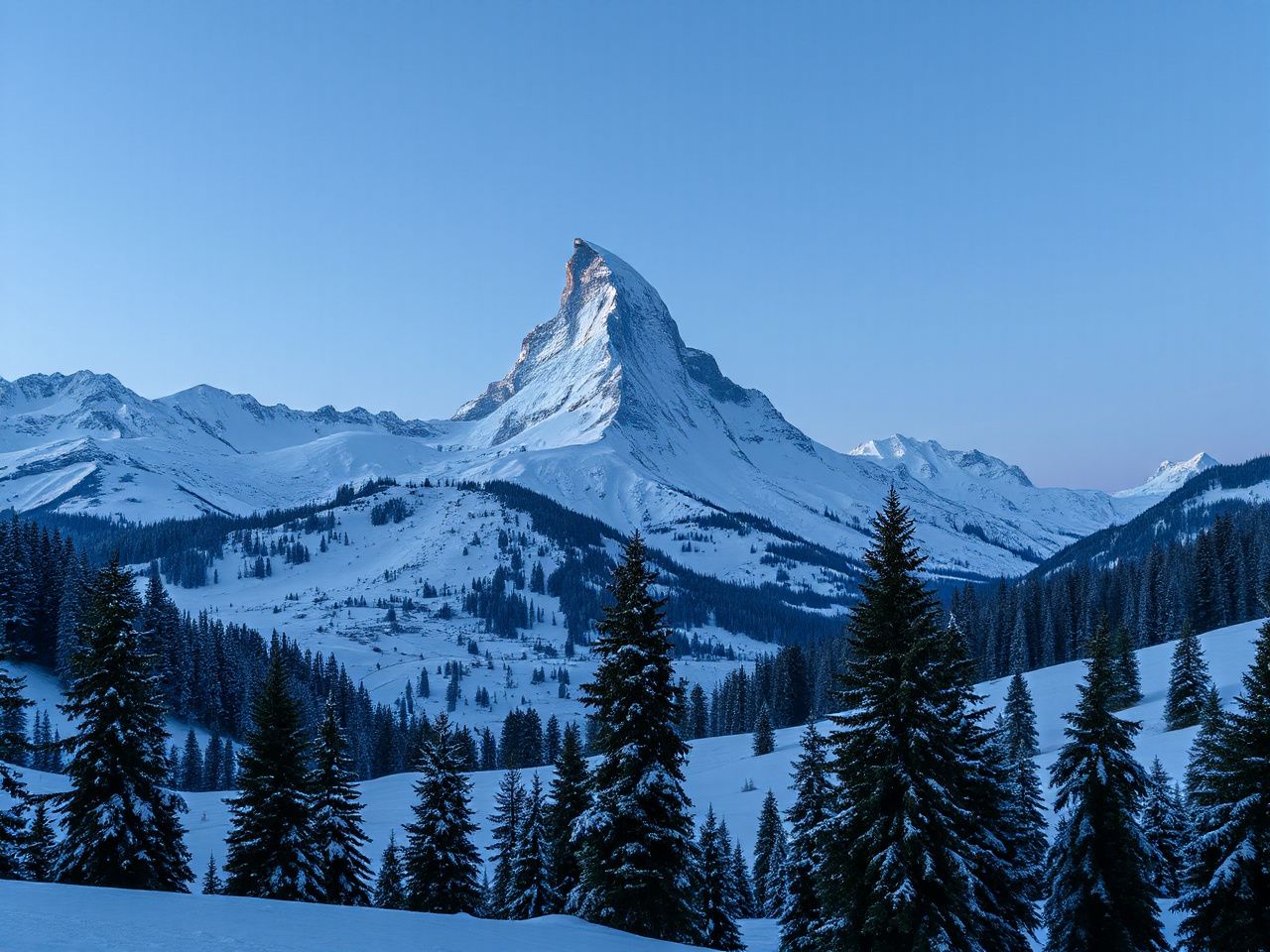
You’ve probably seen the glossy photos of pristine alpine slopes, but what the brochures don’t tell you is that Switzerland snow can kill you if you treat it like a playground. I’ve ridden long enough to know that the gear you skip buying to save money is almost always the gear you regret not having when you need it most. Invest once, invest right. That lesson came from a cold afternoon near Zermatt, where my buddy’s cheap gloves froze solid at -15°C. He lost two fingertips to frostbite. So let’s talk about what Switzerland snow actually means for your trip, without the sugarcoating.
Key Takeaways
- Switzerland snow conditions vary drastically by altitude and season—check local avalanche bulletins daily.
- Proper layering and waterproof gear are non-negotiable; cotton kills in alpine environments.
- Off-piste riding requires avalanche safety training, not just a sense of adventure.
- Timing your trip around snow quality can save you from icy, dangerous slopes.
Understanding Switzerland Snow Conditions
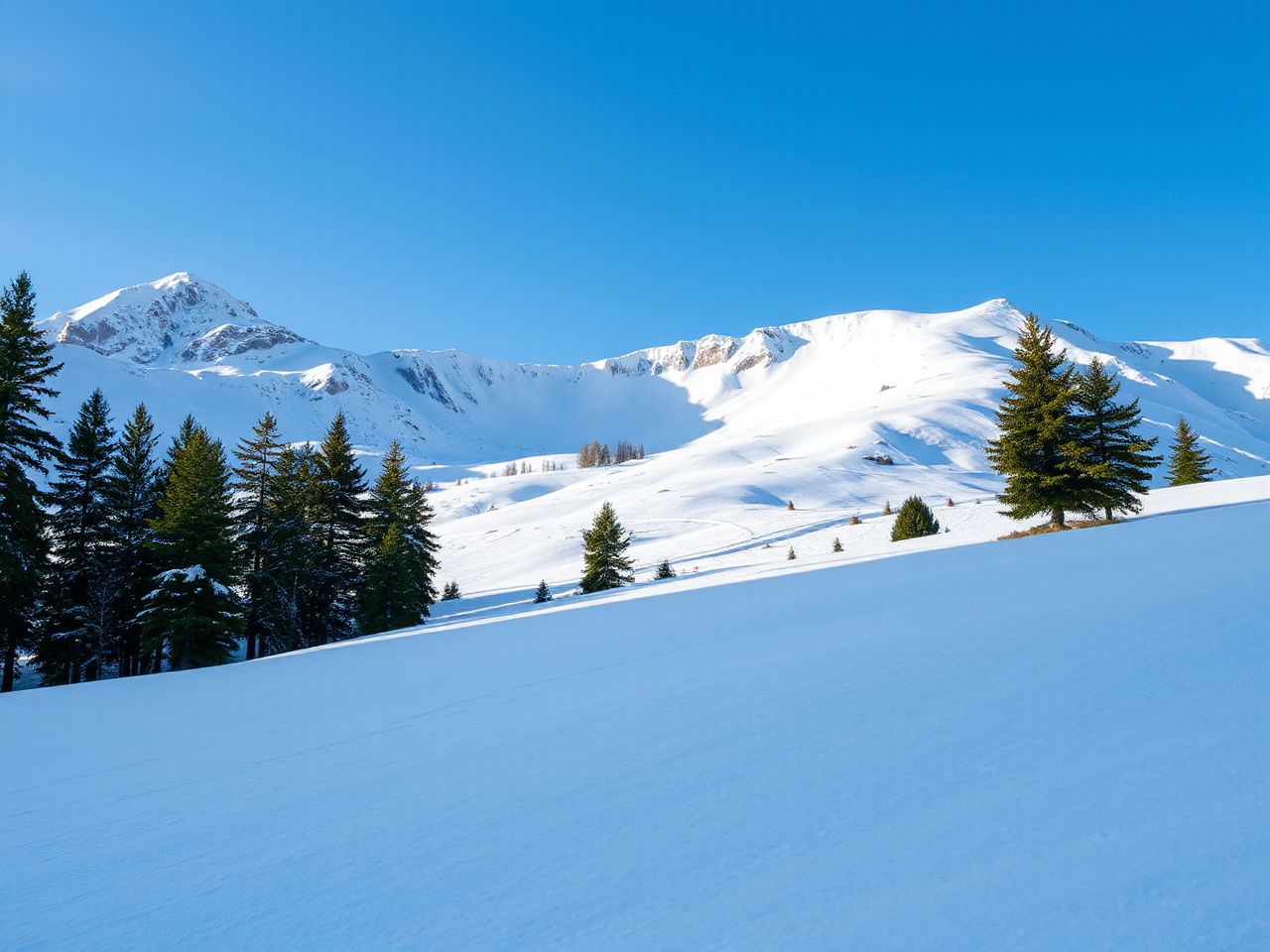
Switzerland snow isn’t a single thing. It changes with altitude, aspect, and time of year. At low elevations (below 1,500 meters), snow tends to be wet and heavy—perfect for building snowmen, terrible for skiing. Above 2,500 meters, the snow is lighter and more predictable, but the cold is serious. Temperatures can drop to -20°C or lower at night.
The biggest risk isn’t the cold itself—it’s the rapid changes. A sunny morning can turn into a whiteout by noon. Sudden storms on passes like the Furka can cause visibility to drop to zero in minutes. Always carry a GPS device and know your route before you start.
Avalanche Risk: The Real Danger
Avalanches kill an average of 25 people in Switzerland each winter. Most victims are experienced skiers and snowboarders who underestimated the conditions. The Swiss Institute for Snow and Avalanche Research (SLF) issues daily bulletins from December to April. Check them religiously. The danger scale runs from 1 (low) to 5 (very high). Never travel in terrain rated 4 or 5 without professional guidance.
If you’re venturing off-piste, carry a transceiver, probe, and shovel—and know how to use them. Taking a one-day avalanche safety course isn’t optional; it’s survival training. Avalanches are unpredictable enough that survival often depends on gear proficiency, as standard rescue equipment is only effective when the operator has practiced with it.
Gear Essentials for Switzerland Snow
Your gear is your lifeline. Start with a three-layer system: a moisture-wicking base layer (merino wool is best), an insulating mid-layer (fleece or down), and a waterproof outer shell. Avoid cotton entirely—it absorbs moisture and accelerates heat loss.
For footwear, choose insulated, waterproof boots with good tread. Ice is common on paths and stairs. Crampons or microspikes can be a lifesaver if hiking in icy conditions.
Gloves are critical. Look for mittens rather than fingered gloves—they keep your digits warmer by allowing them to share heat. My go-to pair is a shell mitten with a removable liner. That way, I can dry the liner overnight.
What to Pack for a Week in the Alps
- Base layers: 2 sets of merino wool tops and bottoms
- Mid layers: 1 fleece jacket, 1 down vest
- Outer shell: Waterproof and breathable jacket and pants
- Accessories: Balaclava, goggles, sunscreen (UV is intense at altitude)
- Safety gear: Avalanche transceiver, probe, shovel, first aid kit
Best Times to Experience Switzerland Snow
The snow season in Switzerland runs from November to April, but quality varies. December and January offer the most reliable snow at mid-to-high elevations, but the days are short—sunset around 4:30 PM. February is prime: good snow, longer days, and stable conditions. March brings warmer temperatures and spring snow, which can be heavy and wet by afternoon.
Avoid the Christmas and New Year’s holiday week unless you enjoy crowds and high prices. The Swiss school holidays (February and April) also bring peak crowds. If you want quieter slopes, go mid-week in January or late February.
Altitude Matters
Resorts above 2,000 meters (like Zermatt, Saas-Fee, and Engelberg) have the most reliable snow. Lower resorts (like those in the Jura or central Swiss lowlands) may struggle with coverage, especially in early and late season. Check snow depth reports before booking.
Activities Beyond Skiing
Switzerland snow isn’t just for skiers and snowboarders. Snowshoeing is a fantastic way to explore quiet trails. Winter hiking on cleared paths is popular, with many routes offering stunning views. Sledding (tobogganing) is huge—some runs are over 10 km long. And for the adventurous, ice climbing on frozen waterfalls is a serious challenge.
If you’re into off-road riding (like me), winter fat biking on snow-covered trails is growing fast. Resorts like Lenzerheide and Davos have dedicated fat bike trails. The key is tire pressure—drop it to around 5 PSI for maximum traction.
Staying Safe in Switzerland Snow
Every year, tourists get into trouble because they underestimate the environment. Hypothermia can set in at temperatures above freezing if you’re wet and windy. Frostbite occurs when skin temperature drops below -4°C. The early signs are numbness and a waxy appearance. If you notice this, warm the area slowly—never rub it, as that damages tissue.
Always tell someone your route and expected return time. Cell service is spotty in remote valleys. Carry a personal locator beacon (PLB) or satellite messenger for emergencies. I use a Garmin inReach, but any device with SOS capability works.
Driving in Winter Conditions
If you’re driving, winter tires are mandatory in Switzerland from November to April. Chains may be required on mountain passes. Check road conditions on the Swiss Federal Roads Office website before heading out. The Gotthard, Furka, and Grimsel passes close during winter, so plan alternate routes.
Frequently Asked Questions
Is Switzerland snow good in December?
Yes, but it depends on altitude. Resorts above 2,000 meters usually have excellent snow by mid-December. Lower resorts may have limited coverage. If you’re planning a trip for early December, choose a high-altitude destination like Zermatt or Saas-Fee.
What is the snowiest month in Switzerland?
February is typically the snowiest month, with the deepest snowpack and most consistent conditions. March can also bring heavy snowfall, but it’s often wetter. Check historical data for your specific resort—some microclimates vary significantly.
Do I need avalanche training for Switzerland snow?
If you stay on marked pistes, no—the resort manages avalanche risk. If you venture off-piste, yes. Undertaking a one-day avalanche course is the minimum. You’ll learn to read terrain, use transceivers, and make informed decisions. It could save your life.