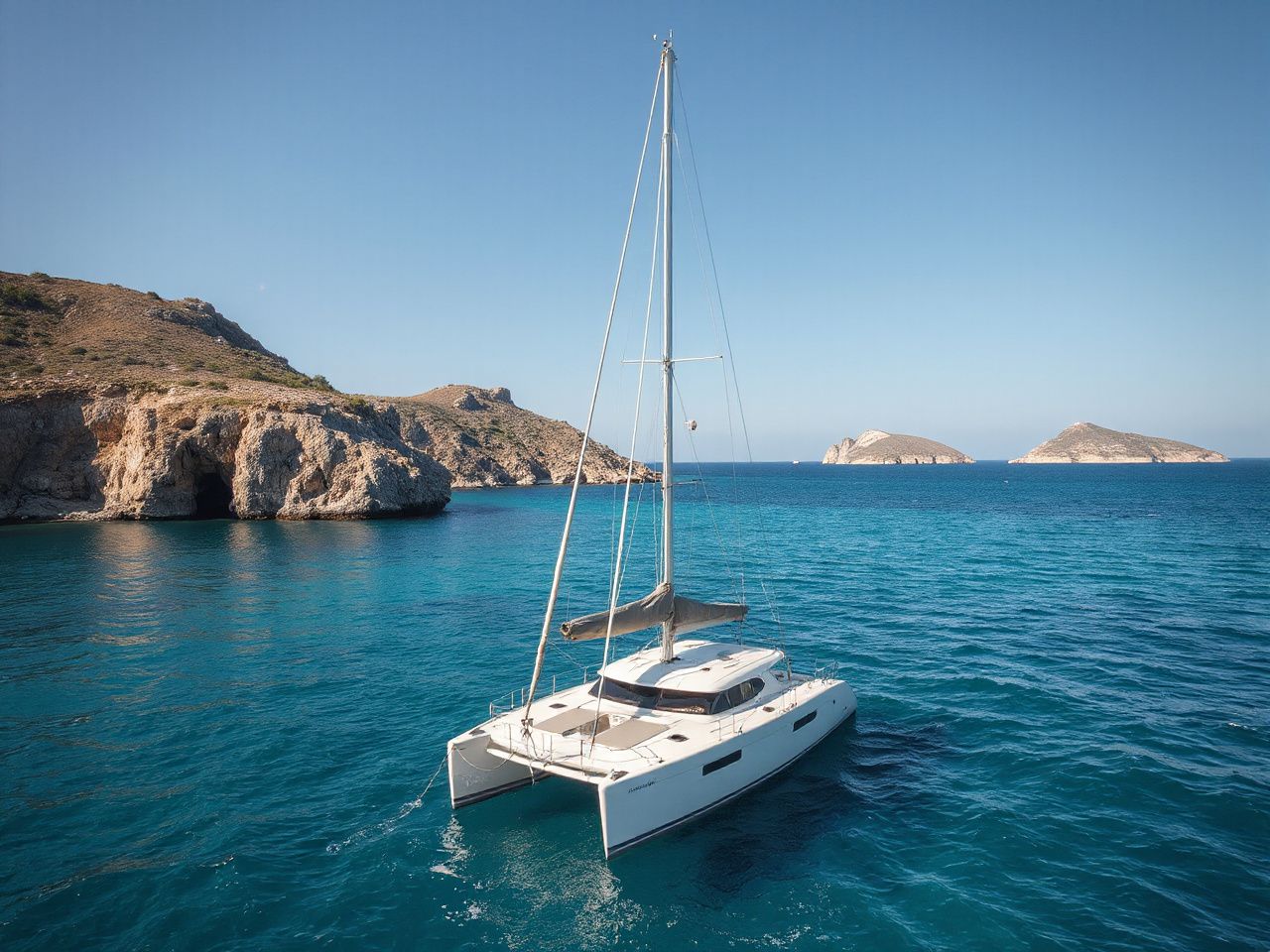
The Complete Guide to Catamaran Charter Mediterranean
Contents
Most people think chartering a catamaran in the Mediterranean is a luxury reserved for the ultra-wealthy. That’s simply not true. The gear you skip buying to save money is almost always the gear you regret not having when you need it most. Invest once, invest right. The same principle applies to booking a catamaran charter in the Mediterranean — you don’t need to spend a fortune to get an incredible experience, but you do need to know where your money goes. Planning a trip that’s worth every euro involves understanding key details about the region and boats available.
Key Takeaways
- A catamaran charter in the Mediterranean can cost between €3,000 and €15,000 per week depending on season, size, and whether you go crewed or bareboat.
- The best time to sail the Mediterranean for a catamaran charter is May through October — July and August are peak season with the highest prices and most crowded harbors.
- Hidden costs like fuel, port fees, provisioning, and crew gratuity can add 30–50% to your base charter price — budget accordingly.
- Booking a catamaran charter in the Mediterranean requires a solid itinerary, a signed contract, and a deposit — typically 50% due at booking and the balance 4–6 weeks before departure.
Understanding the Catamaran Charter Mediterranean Market
The Mediterranean is the world’s most popular region for catamaran charters, and for good reason. The waters are calm during summer, the distances between ports are manageable, and the variety of cultures within a few days’ sail is unmatched. But the market is also crowded with operators, brokers, and yachts of wildly different quality. Travelers often pay double for a boat that was older and less maintained than a cheaper option from a reputable company.
There are two main types of catamaran charters: bareboat and crewed. Bareboat means you captain the vessel yourself — you need a valid sailing license (usually an ICC or equivalent) and enough experience to handle a 40-foot multihull in variable winds. Crewed charters include a captain and often a chef or hostess. Both options have their place depending on your skill level and what you want from the trip.
Bareboat Charter Requirements
If you’re going bareboat, most charter companies require a sailing resume or proof of experience. They’ll ask for a logbook showing at least 500 nautical miles and a valid ICC or ASA 104 certification. Some companies also require a check-out sail where the base manager watches you maneuver the boat before they hand over the keys. Groups can be turned away if their skipper can’t dock under power — which can be embarrassing and expensive.
Crewed Charter Considerations
Going crewed adds roughly 30–50% to the base charter price, but it removes all the stress of navigation, docking, and cooking. The captain typically knows the best anchorages and can adjust the itinerary based on weather. On a crewed charter, the captain may know coves, such as quiet spots in the Cyclades, that aren’t on any map — that kind of local knowledge is worth the extra cost. Crew gratuity is customary at 10–20% of the charter fee, paid at the end of the trip.
How to Choose the Right Catamaran for Your Mediterranean Charter
The size of the catamaran matters more than most people think. A 40-foot catamaran comfortably sleeps 8 people in 4 cabins plus 2 in the saloon, but that’s only comfortable if everyone gets along. For a week-long charter, a 42- to 48-foot catamaran for 6 to 8 guests is ideal. The extra length gives you a proper galley, a wider cockpit, and enough beam to keep the boat stable at anchor.
Popular Catamaran Models for the Mediterranean
The most common models you’ll see in Mediterranean charter fleets are the Lagoon 42, Bali 4.2, and Fountaine Pajot Astrea 42. All three are solid boats with good headroom and modern amenities. The Bali 4.2 has a unique hardtop and sliding glass doors that open the saloon to the cockpit — great for hot summer days. The Lagoon 42 has a more traditional layout with a flybridge helm that gives the captain excellent visibility. The Lagoon 42 is designed to handle well in the 15–20 knot winds common in the Ionian Sea.
What to Inspect on Board Before You Cast Off
Before you leave the dock, do a thorough check of the following:
- Engine hours — Ask for the hour meter reading. Anything over 3,000 hours on a sail drive means you’re due for maintenance issues.
- Anchor windlass — Test it under load. A jammed windlass in a crowded anchorage is a nightmare.
- Bilge pumps — Make sure both electric and manual pumps work. Test them with a bucket of water.
- Navigation electronics — Turn on the chart plotter, radar, and autopilot. Verify the charts are updated for the current year.
- Safety equipment — Check the life raft service date, EPIRB battery, and number of life jackets. They should match the number of guests on board.
Best Mediterranean Destinations for a Catamaran Charter
The Mediterranean spans dozens of countries, but not all are equal for a catamaran charter. Croatia, Greece, Turkey, Italy, and Spain each have their own sailing character. Here’s a breakdown by region.
Greece: The Cyclades and Ionian Islands
The Greek Islands are the most popular destination for catamaran charters in the Mediterranean, and for good reason. The Cyclades — Mykonos, Santorini, Paros, Naxos — offer iconic white-washed villages, strong meltemi winds in July and August, and anchorages that are packed but beautiful. The Ionian Islands, on the other hand, have lighter winds and greener landscapes. The Ionian is suitable for first-time charters because the distances between ports are short — typically 2–4 hours of sailing. The Cyclades are better for experienced crews who can handle 20–30 knot winds and crowded harbors.
Croatia: The Dalmatian Coast
Croatia’s coastline has over a thousand islands, and the sailing is some of the best in the Mediterranean. The water is crystal clear, the marinas are well-equipped, and the prices are slightly lower than in Greece. The most popular route is from Split to Dubrovnik, with stops at Hvar, Vis, and Korcula. Croatia requires a VHF radio license and a valid sailing certificate. Croatia offers some of the best sailing days — steady 12–18 knot winds, calm seas, and anchorages that feel remote even in August.
Turkey: The Turquoise Coast
Turkey offers a more exotic experience with a mix of ancient ruins, pine-covered mountains, and warm hospitality. The typical route runs from Marmaris to Fethiye, with stops at Gocek, Kas, and Olympos. The winds are lighter than in Greece, making Turkey ideal for less experienced crews. The cost of provisioning is also lower — fresh produce, seafood, and local wine are cheap and excellent. Turkish charter companies are often more flexible with bareboat requirements if you have a solid sailing resume.
Budgeting for a Catamaran Charter in the Mediterranean
The base price of a catamaran charter is only part of the total cost. Here’s a realistic breakdown based on a one-week charter for 6 people in the Greek Ionian Islands during shoulder season (May or September).
- Base charter fee (Lagoon 42): €6,000–€8,000
- Transit log and port fees: €300–€600
- Fuel: €200–€400
- Provisioning (food and drinks): €800–€1,200
- Optional: Skipper (€200/day) and hostess (€150/day): €2,450
- Crew gratuity (if applicable): 10–20% of charter fee
- Total estimated cost per person (bareboat): €1,200–€1,700
If you charter in August — peak season — expect the base fee to double. Lagoon 42s are often priced around €14,000 a week in high season. The secret is to book for early June or late September. The weather is still warm (25–28°C water temperature), the winds are manageable, and the anchorages are half empty.
How to Book a Catamaran Charter in the Mediterranean
Booking a catamaran charter in the Mediterranean involves several steps. Here it is broken down into a straightforward process so you don’t get lost in the paperwork.
Step 1: Choose Your Region and Dates
Decide where you want to sail and when. Use the destination guide above to match your skill level with the right region. Book early — popular boats in the Cyclades or Dalmatian Coast are reserved 6–12 months in advance, especially for summer weeks.
Step 2: Find a Reputable Charter Broker or Company
You can book directly through charter companies like Dream Yacht Charter, Moorings, or Sunsail, or use a broker like 12knots or CharterWorld. Brokers can compare multiple companies and find you the best deal. Brokers are often preferred for their ability to negotiate extras like free stand-up paddleboards or a later check-out time. Always read the contract carefully — look for cancellation policies, security deposit amounts, and what’s included in the base price.
Step 3: Review and Sign the Charter Agreement
The charter agreement will specify the embarkation and disembarkation times (typically 5:00 PM on check-in day and 9:00 AM on check-out day), the cruising area allowed, and the security deposit (usually €2,000–€5,000, held as a credit card authorization). Make sure the contract includes a damage waiver or insurance option to cover accidental damage. Without it, you could be liable for the entire deposit if you ding the hull.
Step 4: Pay the Deposit
Most companies require 50% deposit at booking and the balance 4–6 weeks before departure. Pay by credit card for consumer protection. Wire transfers are common but offer less recourse if something goes wrong. Keep all receipts and correspondence.
Step 5: Plan Your Provisioning
Provisioning can be done through the charter company (they’ll pre-stock the boat for a fee) or on your own. Doing it yourself can save 20–30% and ensure you get exactly what you want. Most charter bases have a supermarket within walking distance. Arrive a day early to shop and stow your provisions before the charter starts.
What to Pack for a Mediterranean Catamaran Charter
Packing for a catamaran charter is different from packing for a land-based vacation. Space is limited, and you need to be practical. Here’s a practical packing list.
- Soft-sided duffel bag — Hard suitcases don’t fit in catamaran cabins. A 60-liter duffel is perfect.
- Quick-dry clothing — Lightweight long-sleeved shirts and shorts. You’ll get wet from spray, sweat, and swimming.
- Non-marking deck shoes — No black soles allowed on deck. White-soled boat shoes or water shoes only.
- Sunscreen (SPF 50+) and lip balm — The reflection off the water intensifies UV exposure. Reapply every 2 hours.
- Polarized sunglasses and a wide-brimmed hat — Essential for glare reduction and sun protection.
- Windbreaker or light jacket — Even in summer, evenings on the water can be cool, especially in the Cyclades.
- Personal medications and seasickness remedies — Dramamine or scopolamine patches. Test them before the trip.
- Dry bag (10–20 liters) — For keeping phones, cameras, and wallets dry during dinghy rides and swim stops.
Frequently Asked Questions
What is the best time of year for a catamaran charter in the Mediterranean?
The best time is May through October. July and August have the calmest seas but also the highest prices and most crowded harbors. Late May, June, or September offer water temperatures of 22–26°C, moderate winds (12–20 knots), and less crowded popular anchorages. For a more detailed comparison of cruise options, check out The Best Mediterranean Cruises for 2026 for curated itineraries that include sailing catamarans.
Do I need a sailing license to charter a catamaran in the Mediterranean?
Yes, for bareboat charters. Most companies require an International Certificate of Competence (ICC) or an ASA 104 certification. Some countries like Croatia also require a VHF radio license. If you don’t have a license, you can hire a skipper — most charter companies provide one for €150–€250 per day. For a list of top-rated small ship cruises that include catamaran options, see our Small Ship Mediterranean Cruise Reviews: Top 6 Picks.
What hidden costs should I expect on a catamaran charter in the Mediterranean?
Hidden costs typically include port fees (€10–€50 per night), fuel (€200–€500 per week), transit log fees (€100–€300), provisioning (€100–€200 per person per week), and crew gratuity (10–20% of the charter fee). If you damage something, the security deposit can be withheld. Always buy the optional damage waiver — it’s usually €200–€400 and covers up to the full deposit amount.