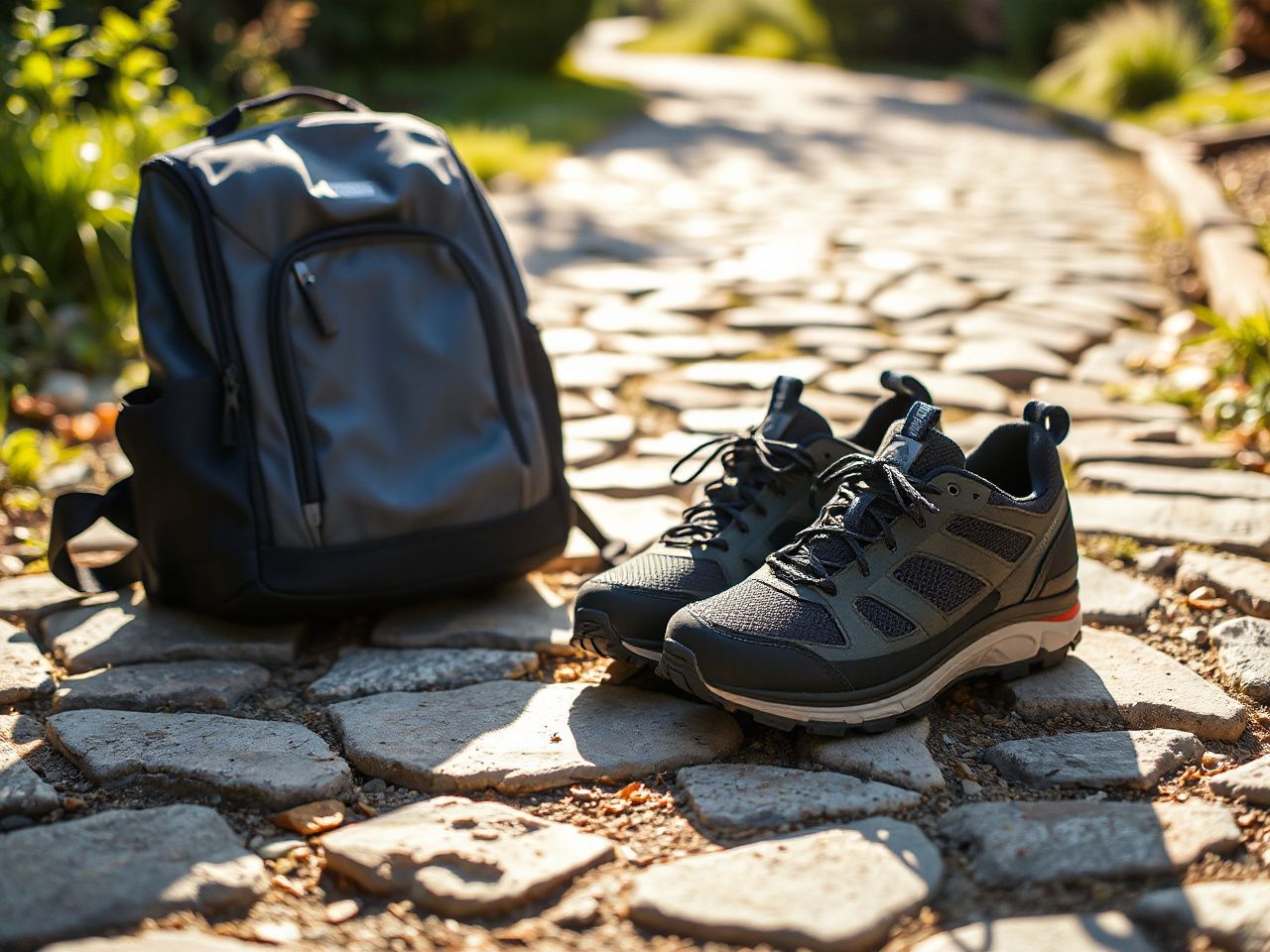
The Best Shoe Brands For Women: A Complete Guide
Contents
Not all footwear holds up on the road.
I learned this the hard way during a cross-country trip when my boots failed me 300 miles from the nearest town. That day taught me that choosing the right shoe brands for women isn’t about fashion—it’s about function, longevity, and respecting the places you travel through.
A non-certified helmet can look great and fit well and still be finished. The expanded polystyrene inside it degrades under UV exposure and sweat long before the shell shows any sign of it, so a lid that has spent two summers on a mirror can fail an impact test at a safety clinic that it would have passed when new. Nothing about the outside of the helmet tells you that has happened. That same lesson applies to footwear: what looks good on the shelf may not survive a season on the road. Let’s talk about how to pick shoe brands for women that actually last, support your feet, and align with a low-impact travel ethic.
Key Takeaways
- Durability matters more than trends when choosing shoe brands for women—look for full-grain leather or recycled synthetics.
- Proper fit prevents injury: always try on boots with the socks you’ll wear on the road.
- Sustainable materials reduce your footprint: many brands now use plant-based dyes and recycled rubber.
- Versatility saves space: a single pair of mid-height boots can handle hiking, riding, and city walks.
Why Your Choice of Shoe Brands for Women Affects Your Travel Experience
The ground you walk on shapes your journey. Whether you’re navigating cobblestone streets in a historic village or hiking a muddy trail to a remote campsite, your footwear is your primary connection to the terrain. Choosing reliable shoe brands for women means investing in comfort, safety, and the ability to move freely without worry.
Comfort and Support Over Long Distances
Walking 10 to 15 miles a day is common during immersive travel. Poorly constructed shoes can cause blisters, arch pain, and even long-term joint issues. Brands that prioritize anatomical design—like those using memory foam insoles or contoured footbeds—help distribute weight evenly and reduce fatigue.
Look for features such as removable insoles, padded collars, and reinforced heels. These details indicate that a brand understands the biomechanics of walking, not just the aesthetics of a shoe.
Durability in Varied Conditions
Travel exposes footwear to rain, mud, heat, and cold. Shoe brands for women that use high-quality materials resist cracking, peeling, and water damage. Full-grain leather is a top choice for longevity, while modern recycled synthetics offer lightweight waterproofing without the environmental cost.
Stitching matters too. Double-stitched seams and Goodyear welts are signs of a boot built to last. If you plan to travel for months or years, these construction methods prevent premature failure.
Sustainability and Ethical Production
Many shoe brands for women now publish transparency reports about their supply chains. Look for certifications like Leather Working Group or Fair Trade. These labels mean the brand has committed to reducing water use, avoiding toxic chemicals, and paying fair wages.
Choosing sustainable footwear isn’t just about the planet—it’s about supporting communities that craft your gear. When you buy from ethical brands, you help preserve traditional skills and reduce exploitation.

Key Factors to Evaluate When Selecting Shoe Brands for Women
Not every brand deserves a spot in your closet. To narrow down your options, focus on these three criteria: material quality, fit and sizing consistency, and the brand’s environmental commitment.
Material Quality and Construction
The best shoe brands for women use materials that breathe, flex, and resist water. Leather remains a gold standard, but not all leather is equal. Full-grain leather is the strongest, developing a patina over time. Top-grain leather is slightly thinner but still durable. Avoid bonded leather—it’s made from scraps and glue and will fall apart quickly.
For vegan options, look for microfibers made from recycled polyester or plant-based alternatives like Piñatex (from pineapple leaves) or Desserto (from cactus). These materials have lower carbon footprints and perform well in dry conditions.
Rubber outsoles should have deep lugs for traction on loose terrain. Vibram and Continental are trusted sole manufacturers used by many premium shoe brands for women.
Fit and Sizing Consistency
Sizing varies wildly between brands. A size 8 in one brand may fit like a 7.5 or 8.5 in another. Always check the brand’s size guide and read reviews about whether shoes run large or small. If possible, order two sizes and return the one that doesn’t fit.
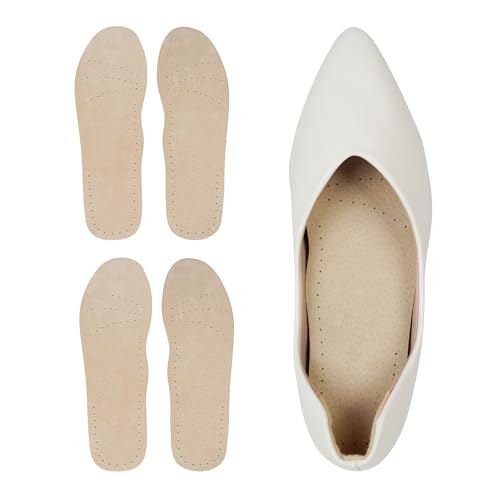
Width options matter, especially for women with wider feet. Some shoe brands for women offer narrow, standard, and wide widths. If you have high arches, look for shoes with removable insoles so you can insert custom orthotics.
Try on shoes at the end of the day when your feet are slightly swollen. Wear the socks you plan to travel with—thick wool socks change the fit dramatically.
Environmental and Ethical Practices
A brand’s environmental impact goes beyond materials. Consider their packaging (is it plastic-free?), shipping methods (do they offset carbon?), and end-of-life programs (do they recycle old shoes?).
Some shoe brands for women have take-back programs where you can return worn-out shoes for recycling. Others partner with organizations that donate shoes to communities in need. These programs reduce waste and extend the life of your purchase.
How to Match Shoe Brands for Women to Your Travel Style
Your travel style determines what kind of footwear you need. A city hopper, a trail hiker, and a motorcycle traveler each require different features. Here’s how to match shoe brands for women to your specific journey.
Urban Exploration and City Walks
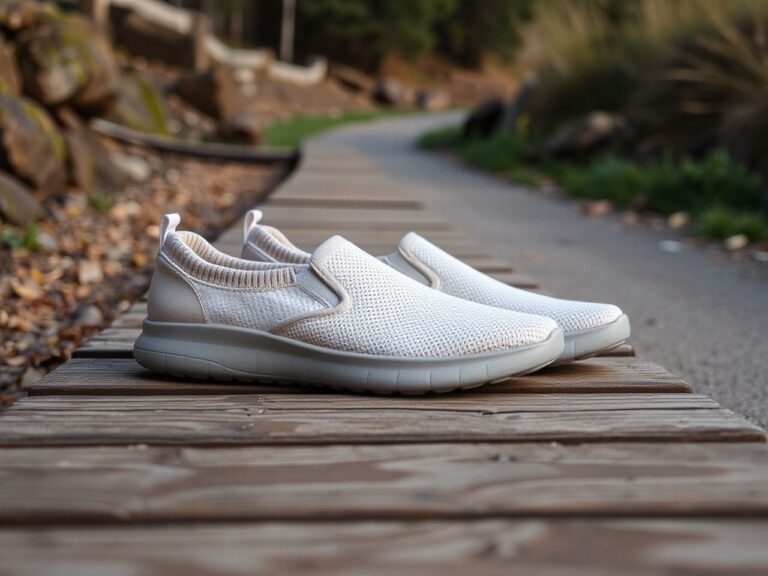
If your travel involves museums, cafes, and public transit, you need shoes that look presentable but feel like sneakers. Look for shoe brands for women that offer minimalist designs with cushioned midsoles and slip-resistant outsoles.
Features to prioritize:
- Lightweight construction (under 12 ounces per shoe)
- Breathable mesh or knit uppers
- Removable insoles for orthotics
- Non-marking rubber soles
These shoes should transition from day to night without calling attention to themselves. Neutral colors like black, gray, or navy work best for blending in.
Hiking and Outdoor Adventures
For trails, you need ankle support, waterproofing, and aggressive traction. Many shoe brands for women make hiking boots with Gore-Tex membranes that keep feet dry without trapping sweat. Look for boots with a heel brake—a notch at the heel that helps on steep descents.
Key specs:
- Ankle height: 4 to 6 inches for support
- Waterproof rating: at least 10,000 mm
- Outsole lug depth: 4 mm or more
- Weight: under 2 pounds per pair
Break in new hiking boots before your trip. Wear them around the house for a week, then on short walks. This prevents blisters on the trail.
Motorcycle Touring and Road Trips
As a rider, I need boots that protect my ankles and shins but still let me walk comfortably off the bike. Many shoe brands for women now make riding boots that look like casual footwear but include reinforced toes, ankle armor, and oil-resistant soles.
Look for:
- CE-rated armor in the ankle and heel
- Oil-resistant rubber outsoles
- Reflective panels for visibility
- Quick-lace or zipper closures for easy on/off
If you’re looking for the right gear to start with, our trail running shoe reviews cover models that work well for both hiking and casual riding.
Long-Term Care and Maintenance of Your Shoes
Even the best shoe brands for women need care to last. Dirt, moisture, and UV light break down materials over time. Here’s how to extend the life of your footwear.
Cleaning and Conditioning
After each trip, remove dirt with a soft brush. For leather, use a pH-balanced cleaner and apply conditioner every three months. For synthetics, wash with mild soap and air dry—never put them in a dryer.
Waterproofing treatments need reapplication every six months. Spray-on or wax-based treatments work best for leather. For Gore-Tex boots, use a spray that won’t clog the membrane.
Storage Tips
Store shoes in a cool, dry place away from direct sunlight. UV rays degrade rubber and fade colors. Stuff boots with newspaper to help them hold shape and absorb moisture.
If you travel frequently, consider a shoe bag that allows airflow. Plastic bags trap moisture and promote mold growth.
Frequently Asked Questions
What are the most durable shoe brands for women?
Durability depends on materials and construction. Full-grain leather boots with Goodyear welts or Blake stitching tend to last the longest. Brands that offer repair services, like resoling or stitching repairs, indicate confidence in their product. Always check the warranty—some brands offer two years or more against defects.
How do I ensure proper fit when ordering shoe brands for women online?
Measure your feet at the end of the day when they’re largest. Use the brand’s size chart, not your usual size. Read reviews for fit notes—many customers mention if a style runs small or large. Order two sizes if you’re unsure and return the one that doesn’t fit. Wear the socks you’ll travel with during the try-on.
Are sustainable shoe brands for women more expensive?
They can be, but not always. Sustainable materials like recycled rubber or organic cotton may cost more upfront, but they often last longer than cheap alternatives. Many ethical brands also offer repair programs that reduce long-term costs. Over five years, a $200 sustainable boot can be cheaper than three pairs of $80 fast-fashion boots.