The Complete List of National Parks for 2026
Contents
What if the best national park experiences are the ones you can actually afford on a motorcycle trip? I’ve ridden long enough to know that the gear you skip buying to save money is almost always the gear you regret not having when you need it most. Invest once, invest right. That same philosophy applies to planning your route through America’s public lands. You don’t need a fat wallet to ride through the most stunning landscapes—you just need a smart strategy. This list of national parks for 2026 is built from the saddle, not a spreadsheet, with budget-stretch tactics that work for solo riders and groups alike.
Key Takeaways
- There are 63 national parks in the U.S. as of 2026, each with unique entry fees and camping options.
- Free camping is abundant near many parks—BLM land and national forests offer dispersed sites for zero cost.
- Biker-friendly motels near park entrances often run $45 to $70 a night if you book midweek.
- Timed entry reservations are now required at 12 parks during peak season—plan ahead to avoid frustration.
Why This National Parks List Matters for Motorcycle Travelers
Riding a motorcycle to a national park changes everything. You feel the temperature drop as you climb into the mountains. You smell pine and sage before you see the sign. But the logistics—where to sleep, how much to pay, where to stash your gear—can turn a dream ride into a headache if you don’t have a plan. This complete list of national parks is tailored for riders who want to stretch every dollar without sacrificing the experience.
Most park entry fees range from $15 to $35 per vehicle, but motorcycles often pay less. For example, at Grand Teton National Park, a motorcycle entry fee is $25 compared to $35 for a car. The America the Beautiful Pass costs $80 and covers entry to all federal lands for a year—if you visit three parks, it pays for itself.
Complete List of National Parks by Region
I’ve broken down the 63 parks into regions to help you plan a route that minimizes backtracking. Each section includes budget camping tips and rider-specific advice.
Western Parks: The Heavy Hitters
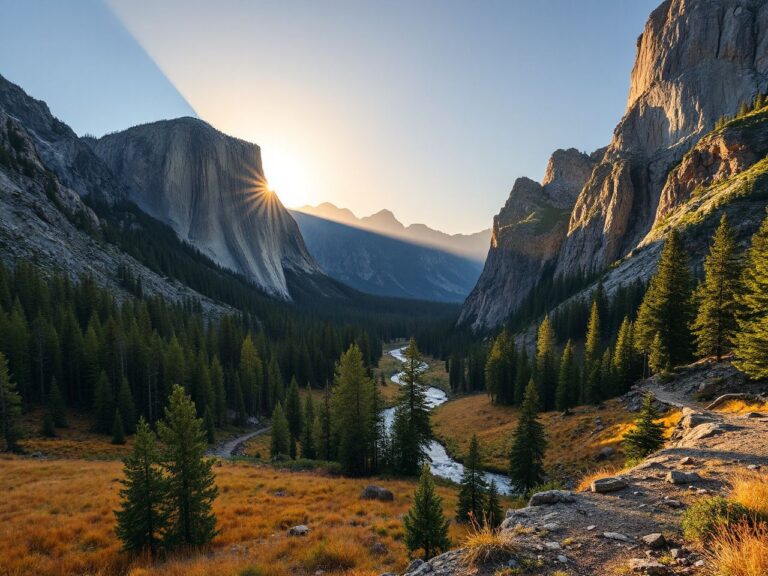
The West holds the most famous parks—Yosemite, Yellowstone, Grand Canyon, Zion, Arches, Bryce Canyon, Glacier, and Olympic. These draw crowds, but you can still find solitude if you know where to look.
Budget tip for Western parks: National forests surrounding these parks offer free dispersed camping. For instance, Shoshone National Forest borders Yellowstone and has hundreds of pull-off spots. Just bring a fire pan and pack out all trash. I’ve camped within 10 miles of the West Entrance for zero dollars.
For a deeper dive into timed entry systems at popular Western parks, check out The Complete Guide to Timed Entry National Parks. It saves you from showing up to a sold-out gate.
Southwest Parks: Red Rock and Open Space
Parks like Petrified Forest, Saguaro, Big Bend, Carlsbad Caverns, and White Sands offer vast, open landscapes with fewer crowds. Big Bend National Park in Texas is a rider’s paradise—long, empty roads and $25 entry for a motorcycle. The park has primitive roadside campsites for $8 a night.
Rider note: White Sands now requires timed entry from March through September. Reserve your slot online at least two weeks ahead. The gypsum sand can be tough on tires, so avoid riding off-road on your street bike.
Rocky Mountain Parks: High Altitude and Cheap Camping
Rocky Mountain, Great Sand Dunes, Black Canyon of the Gunnison, Mesa Verde, and Wind Cave sit in the high country. Great Sand Dunes has a $25 entry fee and a free campground—Piñon Flats—that operates on a first-come, first-served basis. Arrive before 2 PM on weekdays to snag a spot.
Black Canyon is less visited but equally stunning. The South Rim road is paved and perfect for motorcycles. Camping at South Rim Campground costs $20 per night, and the views of the canyon at sunrise are worth every penny.
Eastern Parks: Green and Accessible
Eastern parks like Great Smoky Mountains, Shenandoah, Acadia, Everglades, and Congaree offer lush forests and lower entry fees. Great Smoky Mountains has no entry fee—just a parking tag for $5 a day. Shenandoah charges $30 per vehicle, but the 105-mile Skyline Drive is a bucket-list ride.
Budget tip: Acadia National Park has a $30 entry fee, but you can camp at Blackwoods Campground for $22 a night if you book early. The park’s carriage roads are closed to cars, but motorcycles are allowed on main roads—just watch for cyclists.
Alaska Parks: Wild and Remote
Alaska’s eight national parks—including Denali, Kenai Fjords, and Gates of the Arctic—are the most expensive to reach but offer unmatched solitude. Denali charges $15 per person for entry, and the park road is only open to buses beyond Mile 15 for private vehicles. Motorcycles are allowed on the first 15 miles, but you’ll need to book a bus for deeper access.
Rider note: Kenai Fjords is best seen from the water—book a $50 boat tour from Seward. Camping at Exit Glacier is free, but there are no facilities. Pack a bear canister.
Budget Camping Strategies for National Parks
Camping inside national parks is convenient but expensive—most developed campgrounds run $20 to $40 per night. Here’s how to sleep cheap without leaving the area.
Free Camping on BLM and National Forest Land
The Bureau of Land Management and U.S. Forest Service allow dispersed camping on most public land for up to 14 days at no cost. Use the FreeRoam app or Campendium to find spots near park entrances. I’ve camped within 5 miles of Zion National Park on BLM land near Kolob Terrace Road—no fees, no reservations, just desert silence.
Key rule: Camp at least 100 feet from water sources and 200 feet from roads. Pack a small shovel for human waste. Leave no trace.
Biker-Friendly Motels Under $50
When you need a shower and a real bed, look for motels that cater to riders. Chains like Motel 6 and Super 8 often have ground-floor rooms with exterior doors—perfect for keeping an eye on your bike. Prices near parks average $55 to $75 in summer, but you can find deals midweek.
For example, the Motel 6 in West Yellowstone runs $65 a night in June if you book a month ahead. The Super 8 in Moab near Arches National Park is $58 on weekdays. Always call ahead to ask about motorcycle parking—some motels reserve covered spots for bikes.
Adventure Lodges with Rider Amenities
Some lodges near parks offer secure storage, tool access, and drying rooms for wet gear. The Yosemite Bug Rustic Mountain Resort has a hostel dorm for $40 a night and a bike wash station. The Glacier Outdoor Center near West Glacier offers cabins for $55 with a shared fire pit and bike parking under cover.
These places aren’t fancy, but they understand riders. You’ll meet other travelers, swap route tips, and sleep soundly knowing your bike is safe.
Timed Entry and Reservations in 2026
More parks are using timed entry systems to manage crowds. As of 2026, 12 national parks require reservations for entry during peak season. Missing the reservation window means turning around at the gate.
Parks with timed entry include: Arches, Zion (Angels Landing), Glacier (Going-to-the-Sun Road), Rocky Mountain (Bear Lake Corridor), Yosemite (February through October), Muir Woods, Haleakalā (sunrise), White Sands, Acadia (Cadillac Summit Road), Shenandoah (Old Rag Mountain), Grand Teton (Jenny Lake), and Mount Rainier (Paradise area).
How to get reservations: Most open 30 to 90 days in advance on Recreation.gov. Set a calendar reminder—popular slots sell out within hours.
If you’re planning a trip to the West, our Best National Parks in the West Region: Expert Guide includes reservation tips for every park in that area.
Packing for National Park Camping on a Motorcycle
Space is tight on a bike, so every item must earn its place. Here’s what to carry for a week-long trip visiting multiple parks.
Shelter and Sleep System
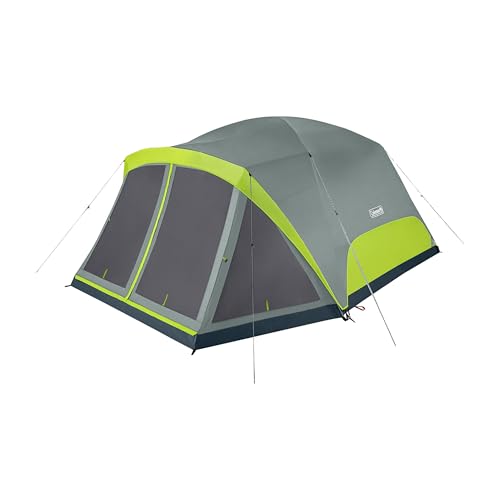
A 1-person tent that packs down to 10 inches by 5 inches is ideal. I use a three-season model with a rain fly—weight under 3 pounds. Pair it with a 30°F sleeping bag and an inflatable pad. Total weight: 5 pounds.
For hammock camping, a single-person hammock with bug net and tarp works in forested parks. It packs smaller than a tent.
Cooking Gear
A backpacking stove that runs on isobutane canisters boils water in 3 minutes. Carry two 8-ounce canisters for a week of cooking. A titanium pot (1 liter) and a spork complete the kit. Total weight: 1.5 pounds.
Meal plan: Instant oatmeal, dehydrated meals, tortillas with peanut butter, and trail mix. No refrigeration needed. I eat one hot meal per day—usually dinner—and cold breakfast and lunch.
Tools and Repair Kit
Carry a tire plug kit, a small air pump (12V), and a multi-tool with pliers, screwdrivers, and a knife. A spare clutch cable and zip ties can save a trip. I also pack a headlamp with extra batteries—it’s the most used item in my kit.
Year-Round National Parks List for Motorcycle Camping
Not all parks are accessible year-round. Here’s a breakdown by season.
Spring (March–May)
Best parks: Joshua Tree, Saguaro, Big Bend, Everglades. Temperatures range from 50°F to 80°F. Joshua Tree has $25 entry and free BLM camping nearby. Everglades is $30 per vehicle, but the Flamingo Campground is only $20 a night.
Summer (June–August)
Best parks: Glacier, Olympic, Mount Rainier, Grand Teton. High elevation keeps temps cool—60°F to 75°F. Olympic National Park has $30 entry and free camping in Olympic National Forest. Book timed entry for Glacier well in advance.
Fall (September–November)
Best parks: Great Smoky Mountains, Shenandoah, Acadia, Yellowstone. Crowds thin, and foliage peaks. Great Smoky Mountains has no entry fee, and Elkmont Campground is $25 a night. Yellowstone roads close in October, but the North Entrance stays open year-round.
Winter (December–February)
Best parks: Death Valley, Grand Canyon (South Rim), White Sands, Saguaro. Death Valley is $30 per vehicle, and Furnace Creek Campground is $22 a night. Grand Canyon South Rim is open year-round with $35 entry—winter crowds are minimal.
Frequently Asked Questions
How many national parks are in the United States?
As of 2026, there are 63 national parks in the United States. This includes the newest addition, New River Gorge National Park in West Virginia, designated in 2020. The National Park Service manages over 400 sites total, but only 63 carry the “national park” designation.
What is the cheapest national park to visit on a motorcycle?
Great Smoky Mountains National Park has no entry fee—just a $5 daily parking tag. Petrified Forest National Park charges $25 per motorcycle, and Big Bend National Park is $25 as well. For the lowest camping costs, Great Sand Dunes has a $25 entry fee and $20 campsites.
Do I need a reservation to enter national parks in 2026?
Yes, 12 national parks require timed entry reservations during peak season. These include Arches, Zion (Angels Landing), Glacier (Going-to-the-Sun Road), Rocky Mountain (Bear Lake Corridor), Yosemite, Muir Woods, Haleakalā (sunrise), White Sands, Acadia (Cadillac Summit Road), Shenandoah (Old Rag Mountain), Grand Teton (Jenny Lake), and Mount Rainier (Paradise area). Book on Recreation.gov.
Can I camp for free near national parks?
Yes, BLM land and national forests offer free dispersed camping. Use apps like FreeRoam or Campendium to find spots. Follow rules: camp 100 feet from water, 200 feet from roads, and pack out all trash. Popular areas near Zion, Moab, and Yosemite have reliable free sites.
For Oregon riders, our The Complete Guide to the Oregon State Parks Annual Pass covers how to save on state park camping near national forests.