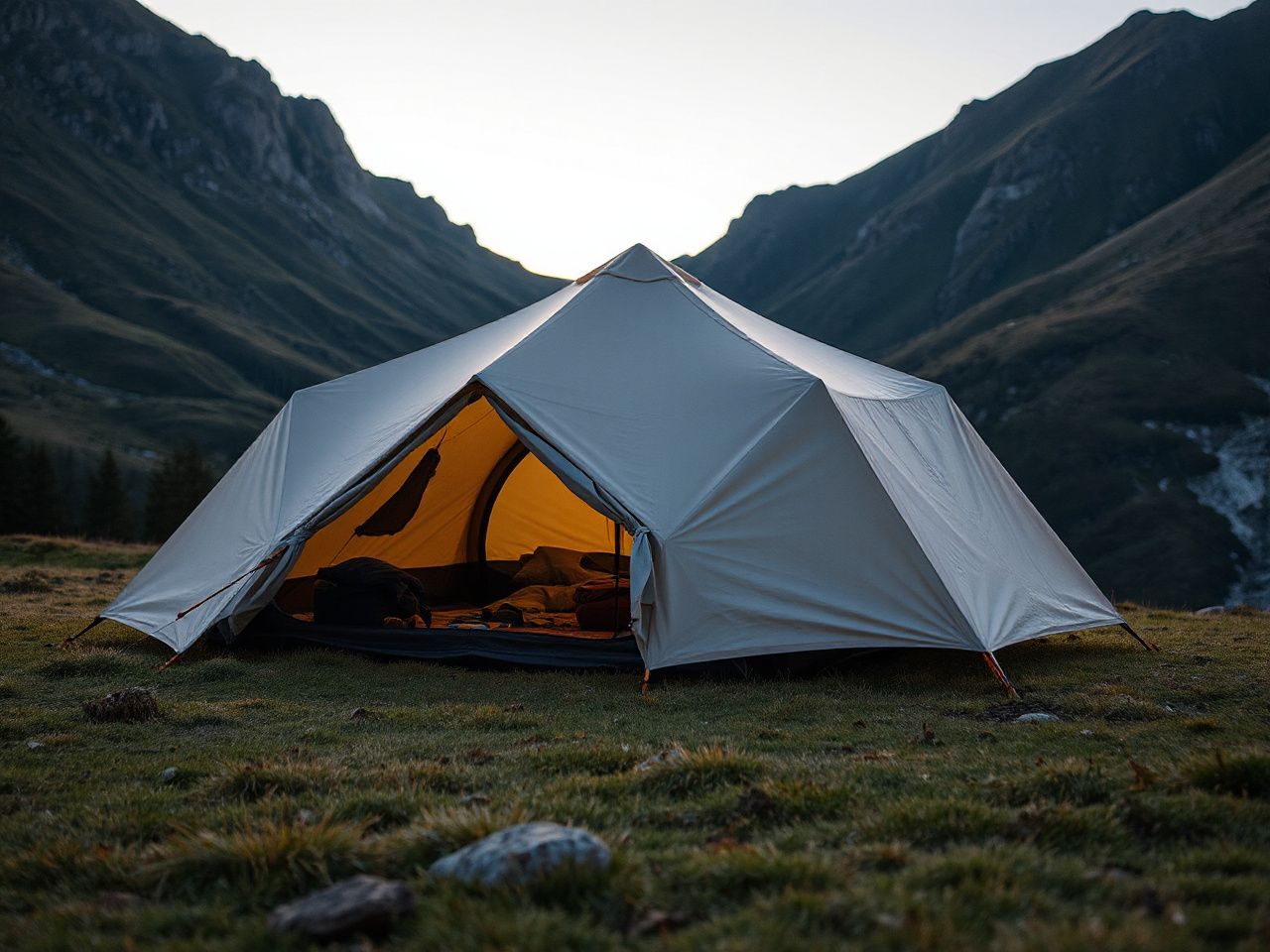
The Complete Guide To Choosing A 20 Man Camping Tent
Contents
I’ve ridden long enough to know that the gear you skip buying to save money is almost always the gear you regret not having when you need it most. Invest once, invest right. That lesson hit home on a rainy night in Montana when my old four-person tent gave out, and I ended up sleeping under a tarp. For group rides or family trips, a 20 man camping tent isn’t just luxury—it’s a necessity. It gives you a dry base camp to fix gear, cook meals, and crash after a long day on the road.
Key Takeaways
- A tent rated for 20 people provides enough floor space for a large group or family, typically around 200 to 300 square feet.
- Setup time and pack size matter more for motorcycle travelers—look for tents that pack under 40 pounds and set up in under 20 minutes.
- Weatherproofing features like a full-coverage fly, taped seams, and a rainproof floor are non-negotiable for reliable group camping.
- Ventilation is critical to prevent condensation; look for mesh panels and multiple vents in a 20-person shelter.
What To Look For In A 20 Man Camping Tent
When you’re hauling a tent on a motorcycle, every pound and cubic inch matters. A 20 man camping tent is a big piece of gear, so you need to pick one that balances size with practicality. The first thing to check is the floor area. Most tents in this category offer between 200 and 300 square feet. That’s enough space for cots, gear, and a communal area.
Next, look at the center height. A tent that stands 6 feet or taller lets most adults stand upright inside. That makes changing clothes and moving around much easier. I’ve been in tents where I had to crawl—it gets old fast.
Packed weight is another factor. Many 20-person tents weigh between 30 and 50 pounds. For a bike trip, you’ll want to stay under 40 pounds if possible. Some models use lightweight poles and polyester fabrics to keep the weight down. If you’re driving a truck, weight matters less, but pack size still does. A tent that breaks down into two or three bags is easier to strap on a rack.
Pole Material And Durability
Poles are the skeleton of your tent. Most large tents use aluminum or fiberglass poles. Aluminum is lighter and more durable, but it costs more. Fiberglass is heavier and can crack in cold weather. I’ve snapped fiberglass poles in freezing rain, and let me tell you, that’s a bad night. If you camp in windy or cold conditions, spring for aluminum poles.
Fabric And Waterproofing
The fly and floor fabric should have a hydrostatic head rating of at least 1500mm. That’s the industry standard for rainproof. Seams should be taped or sealed at the factory. A bathtub floor—where the floor material extends up the sides—keeps water from seeping in at the edges. Cheap tents with flat floors often flood in a light shower. Don’t skimp here.
Setting Up A 20 Man Camping Tent: Step By Step
Setting up a tent this size can feel overwhelming, but it’s straightforward if you follow a system. Most large tents are cabin-style with color-coded poles and clips. Here’s a process that works for me.
Step 1: Choose Your Site
Find a flat area free of rocks and roots. Clear any debris. For a 20-person tent, you need a spot at least 20 feet by 15 feet. Make sure the ground is slightly sloped so water runs away from the tent, not toward it. I always walk the area twice before laying down the footprint.
Step 2: Lay Out The Footprint And Body
Spread the footprint or ground cloth first. Then lay the tent body on top. Make sure it’s centered and smooth. Most large tents have a sewn-in floor, so you just need to stake the corners. Drive stakes at a 45-degree angle away from the tent for maximum hold.
Step 3: Assemble And Attach Poles
Connect the pole sections. For cabin tents, you’ll usually have two or three pole sets. Slide each pole through the sleeves or clip them onto the tent body. Work from one end to the other. Starting at the front door and moving back prevents the tent from twisting. Once all poles are in place, lift the tent and stake the corners.
Step 4: Attach The Fly And Guylines
Drape the rainfly over the top. It should be taut but not stretched. Secure it at the corners and use the guylines to create tension. Guylines are not optional in wind—they prevent the tent from flapping and breaking poles. Stake them out at a 45-degree angle. This whole process should take 15 to 20 minutes with two people.
Ventilation And Condensation Control
Large tents trap moisture from breathing, cooking, and wet gear. Without good airflow, condensation forms on the walls and drips on you. Look for tents with multiple mesh panels and at least two vents near the top. Cross-ventilation—vents on opposite sides—creates airflow that carries moisture out.
In humid conditions, leave the fly doors partially open if rain isn’t expected. Some tents have a vestibule that lets you store wet gear outside the sleeping area. That keeps moisture out of the living space. In a 20-man tent, good ventilation is what makes the difference between a comfortable night and a soggy one.
Group Camping Logistics With A Large Tent
A 20 man camping tent is ideal for scout troops, family reunions, or group motorcycle rides. But it comes with logistical challenges. First, transportation. On a bike, you’ll need a trailer or a large top box plus side bags. Some riders split the tent components among multiple bikes. That works well if everyone agrees on who carries what.
Second, setup and takedown require coordination. Assign roles: one person handles poles, another stakes corners, a third manages the fly. With practice, a team of four can have it up in 10 minutes. Groups often waste time because nobody knows their job. Plan ahead.
Third, consider the campsite size. Not every campground has sites big enough for a 20-person tent. Check site dimensions when booking. National forest and BLM land often have more space. If you’re looking for free spots, check out Last Minute Camping Tips For A Perfect 2026 Trip for ideas on finding roomy sites.
Seasonal Use And Weather Considerations
Most large tents are designed for three-season use. They handle spring, summer, and fall conditions well. For winter camping, you need a four-season tent with stronger poles and a heavier fabric. A 20 man camping tent in winter requires extra insulation and a snow load rating. When using a portable heater in a tent, carbon monoxide risk must be managed carefully—never run a heater inside without ventilation.
Rain is the biggest challenge. A full-coverage fly that extends to the ground keeps rain from splashing under the walls. Some tents have an awning or porch area that provides covered space for cooking and gear storage. That’s a feature I look for every time. If you camp near the coast, check out The Best Beach Camping Tents of 2026 for models that handle sand and salt spray.
Durability And Long-Term Value
A well-made 20-person tent should last several seasons with proper care. Store it dry and clean. Never pack it wet—mold ruins fabric. Repair small tears with patch kits. Replace broken poles with manufacturer-specific replacements. I’ve had the same large tent for six years, and it’s still going strong because I treat it right.
The investment in a quality tent pays off when you’re not buying a new one every year. If you’re curious about other large shelter options, The 7 Best Camping House Tents of 2026 covers models with room dividers and multiple rooms for extra privacy.
Frequently Asked Questions
How many people actually fit in a 20 man camping tent?
The rating assumes sleeping bags side by side with minimal gear. In practice, 12 to 15 people fit comfortably with cots and luggage. For a family of four, you’ll have plenty of extra space for tables, chairs, and gear storage.
Can a 20 man camping tent be used in windy conditions?
Yes, with proper staking and guylines. Look for a tent with a wind rating of at least 30 mph. Aluminum poles are more wind-resistant than fiberglass. Always orient the narrow end into the wind to reduce drag.
How long does it take to set up a 20 man camping tent?
With two people, expect 15 to 25 minutes. With four people, 10 to 15 minutes. Color-coded poles and clips speed up the process. Practice at home before your first trip to avoid frustration.
What is the best way to dry a 20 man camping tent after rain?
Set it up in a sunny, dry area for a few hours. Wipe down interior condensation with a microfiber cloth. Never store a damp tent—mildew can set in within 24 hours. If you can’t dry it fully, hang it open in a garage or shed.
Are 20 man camping tents suitable for motorcycle travel?
Yes, but you need a large bike with saddlebags and a top box, or a small trailer. Some riders split the tent components among multiple bikes. Pack weight and volume are the main considerations. Look for models under 40 pounds that pack into two or three bags.