Arizona National Parks: Your Complete Planning Guide
Contents
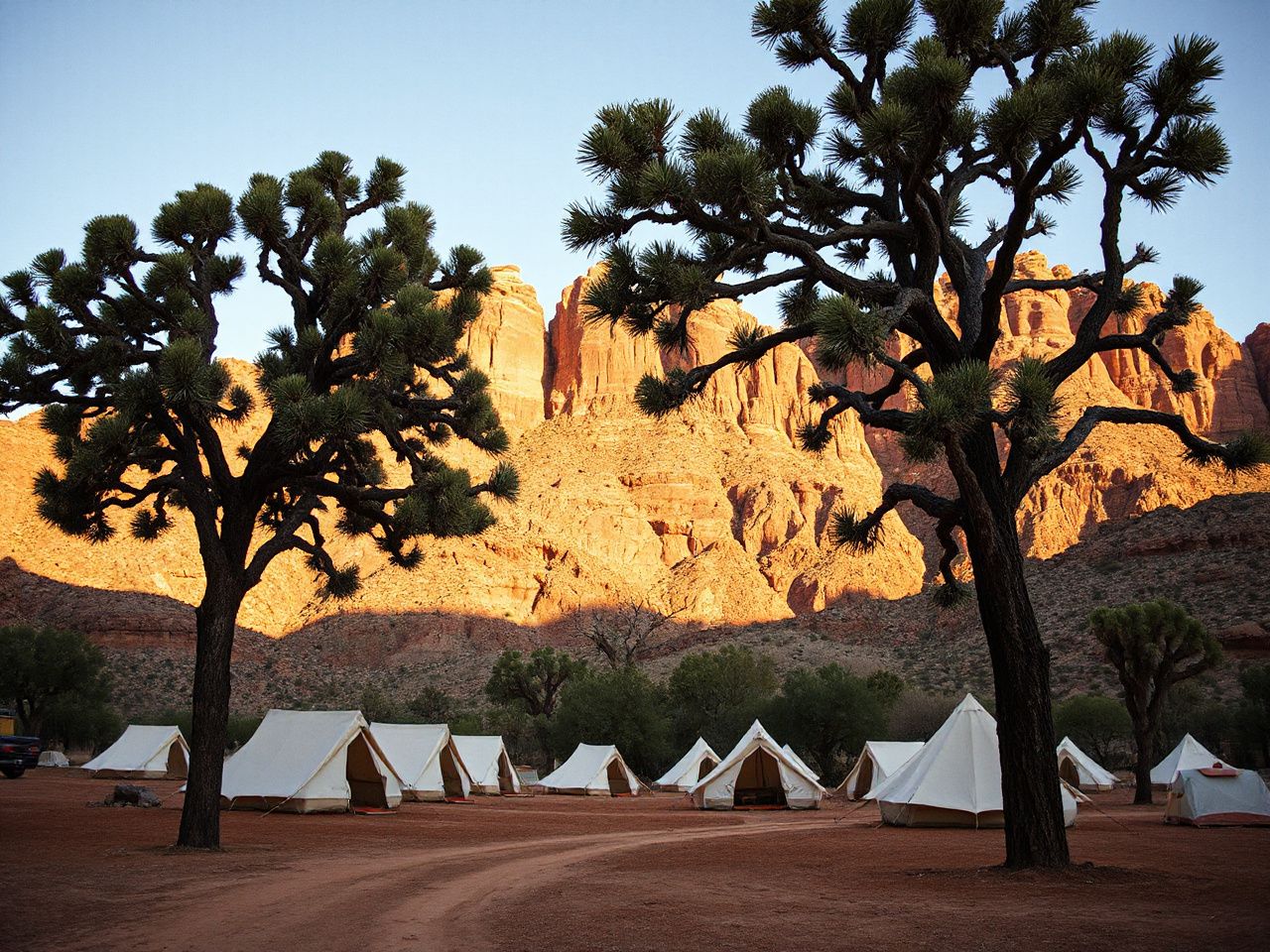
You pull up a map of Arizona, see three national parks, and assume a long weekend will cover it. Then you check driving times and realize Grand Canyon to Saguaro is a five-hour slab through 100-degree desert. The distances between Arizona’s national parks are deceptive, and so are the ecosystems. The key to enjoying Arizona’s national parks is recognizing they are a patchwork of wildly different ecosystems — from alpine forest at the Grand Canyon rim to scorching desert at Saguaro — and that the distances between them are deceptive. Most first-time visitors underestimate how much driving and planning goes into water, shade, and timing. I always advise treating every trip as a backcountry expedition even if you’re staying at a frontcountry campground, because services are sparse and cell coverage vanishes in most areas. As a motorcycle traveler who judges every campsite first on how well I can secure my bike, I’ve learned that Arizona rewards planning and punishes improvisation. So before you load up for arizona national parks camping, read this guide.
Key Takeaways
- Arizona has three national parks proper (Grand Canyon, Petrified Forest, Saguaro), but many nearby monuments and recreation areas expand your options.
- Grand Canyon requires backcountry permits for any overnight below the rim; frontcountry campgrounds book out months ahead.
- Summer daytime highs over 100°F are common in desert parks; carry and purify at least 1 gallon of water per person per day.
- Secure motorcycle parking is rare inside national park campgrounds; bring your own disc lock, chain, and a motion alarm.
The Lay of the Land: Understanding Arizona’s Park Patchwork
Arizona’s national parks don’t sit next to each other. Grand Canyon National Park anchors the north, Petrified Forest National Park lies east, and Saguaro National Park splits into two districts flanking Tucson in the south. If you’re trying to visualize the distances, our complete guide to the map of the national parks breaks down drive times between each unit. Grand Canyon to Petrified Forest takes roughly 2.5 hours by car, longer on a motorcycle with mandatory heat stops. Grand Canyon to Saguaro’s western district? About 5 hours. Petrified Forest to Saguaro: around 4 hours.
Grand Canyon’s South Rim sits above 7,000 feet, while the Colorado River at the bottom can exceed 120°F in summer — a temperature swing of over 100 degrees within a single park. Petrified Forest sits on high desert plateau around 5,500 feet, where petrified logs scatter across painted badlands. Saguaro’s two districts protect different Sonoran Desert zones: the Rincon Mountain District east of Tucson rises to over 8,600 feet, while the Tucson Mountain District west of town stays lower and hotter. Organ Pipe Cactus National Monument, a separate NPS unit near the Mexican border, adds remote desert camping but requires serious self-sufficiency. Glen Canyon National Recreation Area, straddling the Utah border, offers lakeside camping and boat access.
If you’re building a longer road trip, the complete list of national parks for 2026 includes every unit in the system, including monuments and recreation areas that often fly under the radar. For Arizona specifically, know this: Petrified Forest National Park has no developed campgrounds inside the park. The nearest camping is in adjacent state parks like Homolovi State Park or national forest land near Holbrook. Saguaro allows camping only at designated backcountry sites like Manning Camp, reached by hiking in with all gear and water — no car or motorcycle camping exists inside either district.
Permits, Reservations, and the Paperwork You’ll Wish You’d Done Sooner
Grand Canyon is the heavyweight here. Mather Campground on the South Rim accepts reservations up to 6 months in advance through the National Recreation Reservation Service, and spring and fall weekends fill within hours of opening. North Rim Campground has a shorter season (mid-May to mid-October) and also books out. Backcountry permits for any overnight below the rim require an application through the Grand Canyon Backcountry Information Center; popular corridors like Bright Angel and South Kaibab use a weighted lottery with application windows opening four months before your start month. The Grand Canyon backcountry permit page details the exact deadlines and fees.
If you miss the window, don’t despair. Dispersed camping on Bureau of Land Management (BLM) and Forest Service land surrounding the park is legal in many areas, though you’ll need to pack out all waste and follow fire restrictions. For Saguaro, backcountry camping at Manning Camp (in the Rincon Mountain District) requires a free permit from the visitor center, and you must hike in at least 6 miles with all water — there is no reliable water source on the trail. Petrified Forest has no camping permit because there are no campgrounds; rangers will direct you to nearby options outside the boundary.
Entry fees vary. A 7-day vehicle pass to Grand Canyon costs $35, Saguaro $25, Petrified Forest $25. The America the Beautiful annual pass ($80) covers entry to all three and most other federal lands, but camping fees are separate. As of 2026, none of Arizona’s three main national parks require timed entry reservations, but several popular parks elsewhere do. If your itinerary extends beyond Arizona, consult our guide to timed entry national parks before you leave.
Fire restrictions change often, especially in summer. Stage 1 restrictions ban open fires outside developed campground grills; Stage 2 bans even charcoal. Check the current restrictions for each park and adjacent BLM land before you ride. The Bureau of Land Management Arizona posts regional fire orders online.
When to Go: Timing Your Trip to Avoid the Oven and the Freezer
Spring (March through May) and fall (September through November) are the sweet spots for most of Arizona. Daytime highs in the desert stay in the 70s and 80s, and nights cool enough for good sleep. Summer is brutal at Saguaro and Organ Pipe, where daytime highs from June through August routinely exceed 105°F, and there is almost no shade on the desert floor. At the same time, Grand Canyon’s rim can be pleasant — even chilly at night — because of the 7,000-foot elevation. That elevation also means altitude sickness is a real concern for rim visitors arriving from sea level; give yourself a day to acclimate before hiking below the rim.
Monsoon season runs from early July through mid-September. Afternoon thunderstorms build quickly, dumping rain that turns dry washes into deadly flash floods within minutes. Never camp in a wash, even if the sky looks clear upstream. If you hear thunder or see dark clouds over distant mountains, move to higher ground immediately.
Winter (December through February) works well for low-desert parks like Saguaro and Organ Pipe, where daytime highs sit in the 60s. But Grand Canyon’s rim can drop below freezing at night, and the North Rim closes entirely from mid-October to mid-May due to snow. Inner canyon hiking in winter is possible but requires traction devices and cold-weather gear for the rim.
Arizona National Parks: Locking Down Your Bike at Campsites and Trailheads
No Arizona national park campground offers a dedicated, patrolled motorcycle parking area with ground anchors. That’s a fact, not a gripe. Every rider must supply their own security hardware. Here’s what I carry and why.
- Disc lock with motion alarm — a 110-decibel alarm stops most opportunistic thieves before they finish sizing up your bike.
- Thick chain and padlock — secure your frame to a fixed object like a picnic table leg or a sturdy tree. Check local rules; some campgrounds prohibit attaching anything to vegetation.
- Full motorcycle cover — a non-flapping cover hides your bike’s value and keeps monsoon rain and dust out. Use bungee cords to keep it from becoming a sail in canyon winds.
- Sidestand puck — gravel and soft dirt parking areas are common; a 4×4-inch plastic puck prevents your sidestand from sinking and the bike tipping over.
Park in a visible spot near your tent or a busy bathroom. Ask the ranger at check-in if there have been any theft reports in the past season — they’ll tell you straight. If you’re boondocking on BLM land around the parks, natural concealment can work for or against you. A hidden bike is less likely to be seen by a thief, but also less likely to be seen by a passerby who might intervene.
Theft at trailheads is a bigger risk than at campgrounds. You might park at Bright Angel Trailhead for a 6-hour hike, and that bike sits alone the entire time. Lock the steering head, put on the disc lock, throw the cover over it, and if possible, chain it to a signpost or rack. Some trailheads have bicycle racks that work for motorcycles if you have a long enough chain.
Packing for a Multi-Park Arizona Motorcycle Camping Trip
Water is the non-negotiable. You cannot carry too much. Plan for 1 gallon per person per day for drinking and cooking, plus extra for washing and emergencies. If you’re hiking below the Grand Canyon rim or into Saguaro’s backcountry, that requirement doubles. Water sources inside the parks are often seasonal or unreliable. Grand Canyon has potable water at developed areas, but below the rim you’re on your own. Saguaro’s backcountry has no water at Manning Camp — you pack it all in or filter from rainwater catchments that may be dry. A portable water filter or purification tablets are mandatory, not optional.
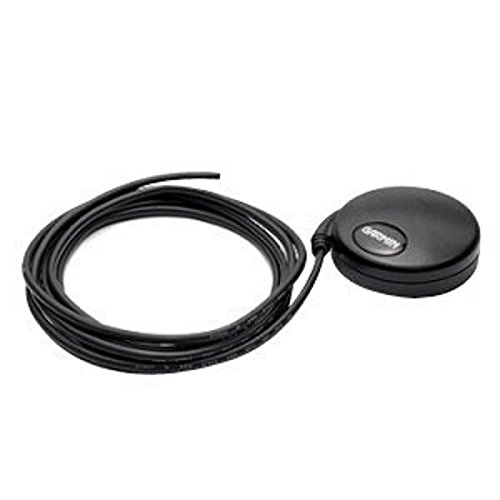
Shade is second. A lightweight tarp or reflective space blanket can save your life at a desert campsite with zero natural shade. For the rim, pack a warm layer even in summer — nighttime temps at 7,000 feet regularly dip into the 40s. A satellite communicator like a Garmin inReach is worth the monthly fee because cell coverage vanishes in most areas of these parks. Carry a tire plug kit and a small air compressor; the nearest motorcycle shop might be 150 miles away.
Finally, map your fuel stops. Gas stations are sparse on the Navajo Nation and along Highway 89 toward the North Rim. Your motorcycle’s range might be 180 miles, but the next pump could be 120 miles away with a headwind and 100°F heat. Carry an extra fuel canister if your bike’s range is under 200 miles.
Frequently Asked Questions
Can I camp anywhere inside Arizona’s national parks, or do I need to stay in designated campgrounds?
In all three national parks, camping is only allowed in designated sites. Grand Canyon has frontcountry campgrounds (Mather, Desert View, North Rim) and backcountry sites requiring permits. Petrified Forest has no campgrounds inside park boundaries — you must camp outside the park. Saguaro allows camping only at Manning Camp, reached by hiking in with all gear, and requires a free permit. Don’t just pitch a tent off the side of the road; rangers will move you along.
How far in advance do I need to reserve a campsite at Grand Canyon?
Mather Campground on the South Rim accepts reservations up to 6 months in advance and fills quickly for spring and fall. North Rim books out similarly during its short season. Backcountry permits for below-rim sites open for application 4 months before your start month, and popular corridors (Bright Angel, South Kaibab) are heavily oversubscribed. If you miss the window, check for cancellations or consider dispersed camping on nearby Forest Service or BLM land outside the park.
Are there any Arizona national parks where I can bring my dog camping?
Pets are allowed in developed campgrounds at Grand Canyon (South Rim and North Rim) on a leash, but not on trails below the rim or on shuttle buses. Petrified Forest allows pets in parking areas and on a few paved trails but not in the backcountry. Saguaro restricts pets to roadways and picnic areas only — no trails or wilderness camping areas. Always carry water and booties for hot pavement, which can exceed 150°F on summer afternoons.