The Complete Guide To Titanium Camping Cookware
Contents
More motorcyclists are swapping bulky pots for featherlight kits these days. The shift toward ultralight gear isn’t just about saving ounces — it’s about freeing up space for the things that matter, like extra fuel or a better sleeping bag. The trips that make the best stories are almost always the ones where something went wrong, which is an argument for planning rather than against it. Preparation doesn’t prevent adventure — it just gives you better options when it shows up. That’s the case for paying close attention to titanium camping cookware. It’s not the cheapest option, but when you’re parked at a remote campsite after a long day of riding, a reliable pot that won’t weigh down your panniers is worth its weight in gold.
Key Takeaways
- Titanium cookware is extremely lightweight and corrosion-resistant, making it ideal for motorcycle travel where every ounce counts.
- Heat distribution is uneven — learn to manage hot spots by stirring frequently and using a windscreen.
- Titanium is not non-stick; expect to adjust your cooking techniques, especially with sticky foods like rice or eggs.
- Durability is high, but avoid prying or dropping on sharp rocks — thin walls can dent.
Why Titanium Cookware Fits the Motorcycle Traveler
When evaluating gear for a trip, security is important — not just of the bike, but of the kit. A pot that cracks or takes up too much space is a liability. Titanium solves that. A typical 1-liter titanium pot weighs around 100 grams, compared to 300 grams for a comparable stainless steel pot. That weight savings allows carrying an extra fuel canister or a small tool roll without exceeding the bike’s load limit.
Beyond weight, titanium doesn’t rust. Stainless steel pans can show rust spots after exposure to moisture. Titanium pots maintain their appearance even when stored in damp panniers.
Another angle: titanium handles high heat without warping. Gas stoves used on motorcycle trips can get intense, and aluminum pots often deform after repeated use. Titanium holds its shape.
What About the Cost?
Titanium is more expensive than aluminum or stainless steel. A basic pot set can run $60 to $120. But consider the longevity. A titanium mug can last for many years. It’s been dropped, scraped, and used as a hammer to pound in tent stakes. It’s still functional. For a motorcyclist who wants gear that lasts through multiple seasons, the upfront cost pays off.
Understanding Titanium’s Heat Behavior
Titanium has low thermal conductivity compared to aluminum or copper. That means heat doesn’t spread evenly across the bottom of the pot. Instead, you get hot spots directly above the flame. This isn’t a flaw — it’s a characteristic you need to work with.
To manage this, use a low to medium flame. High flames waste fuel and scorch food in the center before the edges are warm. Stir frequently, especially when cooking oatmeal, rice, or pasta. If you’re simmering a sauce, use a heat diffuser — a thin metal plate placed between the stove and pot — to spread heat more evenly.
Water Boiling Efficiency
For boiling water, titanium is excellent. The thin walls heat up quickly, and because you’re not worried about even heat distribution for water, it boils fast. On a typical backpacking stove, a liter of water boils in about 3 to 4 minutes. That’s comparable to aluminum and faster than stainless steel.
If you’re cooking dehydrated meals or making coffee, titanium is ideal. The pot cools down quickly after removal from the heat, so it can be handled sooner without a pot holder — though using one is still recommended.
Practical Cooking Techniques for Titanium
Managing Stickiness
Titanium is not non-stick. Without a coating, food like eggs, cheese, or sticky rice will adhere to the surface. The solution is technique: use enough oil or butter, keep the heat moderate, and don’t let food sit too long without stirring. A thin layer of oil before adding eggs works well. For rice, use the absorption method — bring to a boil, then simmer covered without stirring until done.
Cleaning Titanium Cookware
Clean your titanium pot after each use to prevent residue buildup. Use a soft sponge and mild soap — avoid abrasive pads that can scratch the surface. Burnt-on food can be removed by boiling a little water in the pot for a minute, then scraping with a wooden utensil. Never use metal utensils; they can gouge the soft titanium.
Durability and Long-Term Care
Titanium is strong for its weight, but it’s not indestructible. The thin walls (typically 0.4 to 0.6 mm) can dent if dropped on a sharp rock or if you apply too much force with a spoon. To extend the life of your cookware:
- Store it in a padded stuff sack or inside your cook kit with a cloth buffer.
- Avoid using it as a hammer or pry bar — pots can bend if used to drive tent stakes.
- Don’t over-tighten the lid; the rim can warp.
- Check for cracks after heavy impacts, especially around the handle attachment points.
If you dent a pot, it’s usually still functional. Small dents don’t affect boiling performance. Large dents that affect the pot’s ability to sit flat on a stove can be gently tapped back into shape with a soft mallet.
Comparing Titanium to Other Materials
To help you decide if titanium is right for your motorcycle camping setup, here’s a quick comparison:
- Aluminum: Lighter than titanium? No — aluminum is actually heavier for the same volume. But aluminum conducts heat better, so cooking is more even. Aluminum is cheaper but less durable and can react with acidic foods.
- Stainless Steel: Heavier and more durable. Stainless steel is great for durability and even heating if the pot has a thick bottom, but it’s not ideal for weight-conscious travelers.
- Titanium: Best weight-to-strength ratio. Excellent corrosion resistance. Requires adjusted cooking techniques but rewards with long life and low maintenance.
For a motorcyclist, the choice often comes down to how much you cook versus how much you boil water. If you primarily boil water for coffee and dehydrated meals, titanium is perfect. If you plan to cook elaborate meals over a campfire, stainless steel might serve better.
Fire Safety and Camp Cooking
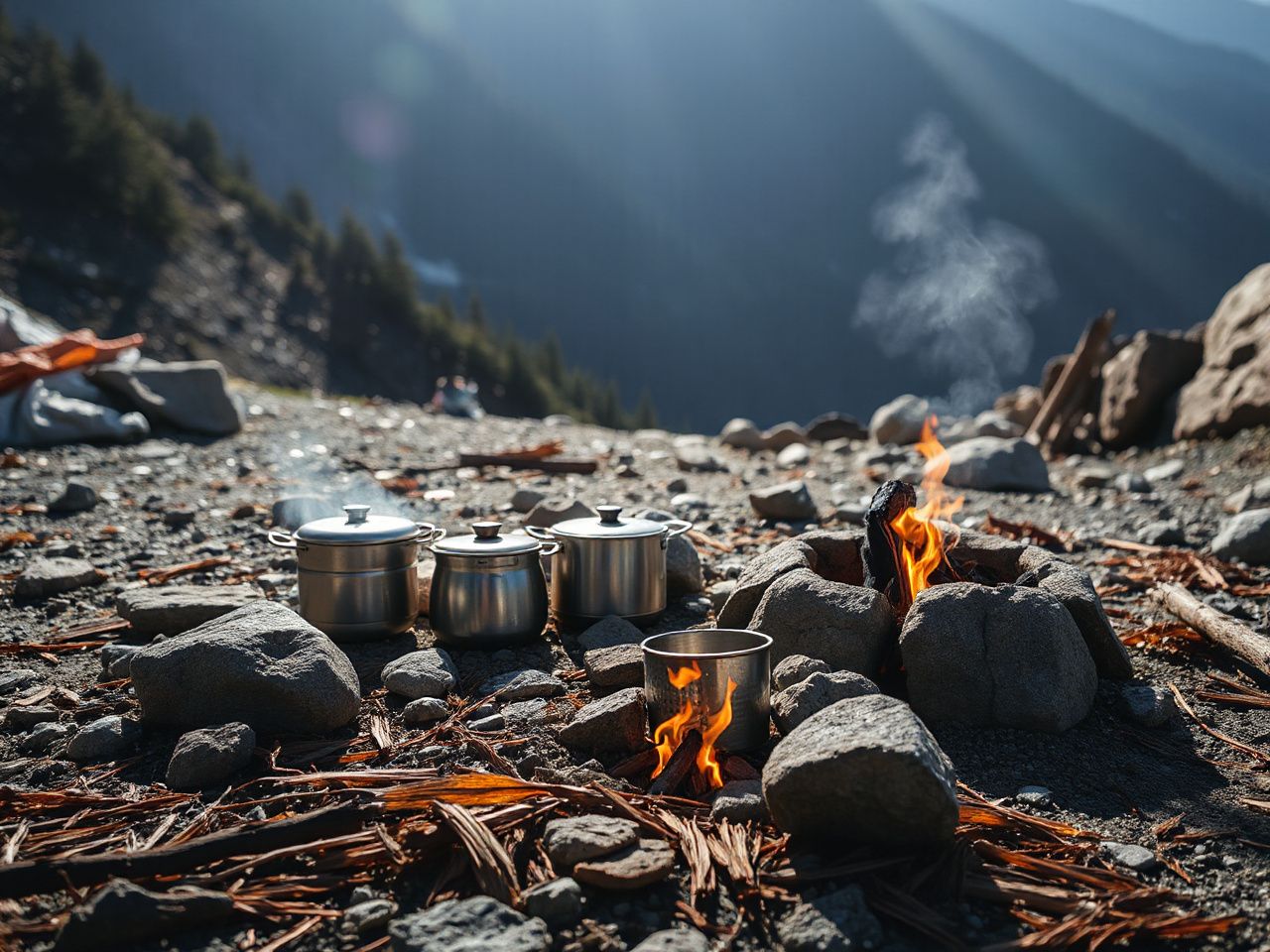
No matter what cookware you use, fire safety is paramount. Always cook on a stable surface away from dry grass or leaves. Use a stove stand or a flat rock. Never leave a burning stove unattended. When you’re done, let the pot cool completely before packing it away. For more on safe campfire practices, check out The Complete Guide to a Safe Camping Fire.
Packing Titanium for Motorcycle Travel
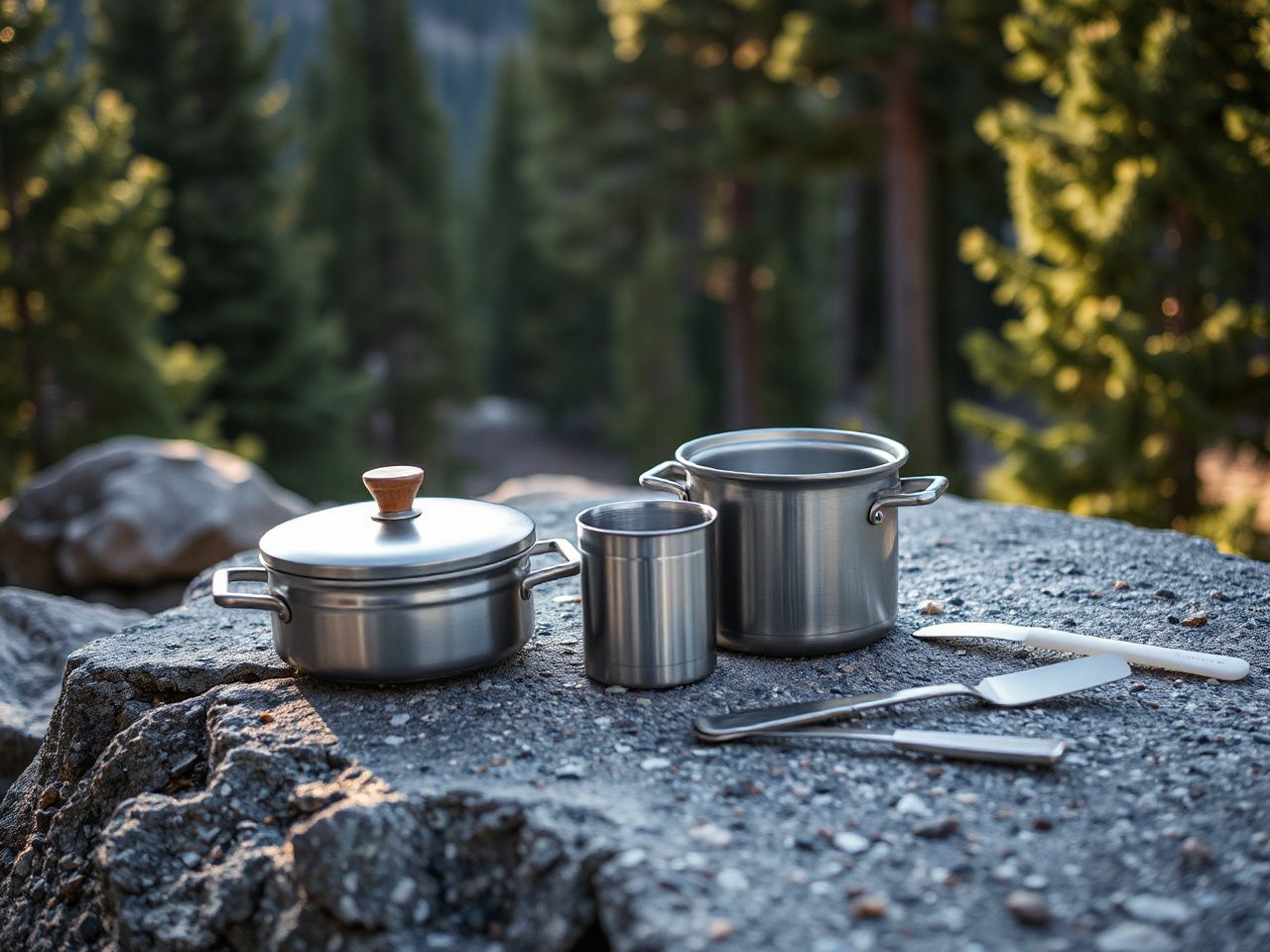
Space is tight on a motorcycle. Titanium’s compact design helps. Many sets nest together — a pot, lid, and mug stack into a single unit. Pack the titanium kit inside the food bag, wrapped in a cloth to prevent rattling. If you’re carrying a fuel canister, store it separately in a side pouch to avoid pressure on the pot.
For beach camping, where sand and salt are concerns, titanium’s corrosion resistance is a bonus. Rinse it with fresh water after use, and it’s good to go. If you’re looking for a tent that complements your lightweight setup, see our guide to The Best Beach Camping Tents of 2026.
Is Titanium Cookware Right for You?
Ask yourself these questions:
- Do you prioritize weight savings over cooking convenience?
- Are you willing to adjust your cooking methods to avoid burning?
- Do you camp in wet or coastal environments where rust is a concern?
- Is your budget flexible for a higher upfront cost?
If you answered yes to most, titanium is a strong choice. If you prefer set-it-and-forget-it cooking or need to feed a group, consider aluminum or stainless for their heat distribution.
For those who camp in remote areas like Vermont’s free sites, lightweight gear is essential. Our list of The Best Free Camping in Vermont for 2026 includes spots where a compact cook kit makes setup easier.
Frequently Asked Questions
Does titanium cookware work on all stoves?
Yes, titanium works on gas, alcohol, and solid fuel stoves. It’s not suitable for induction cooktops because titanium is not magnetic. For camp stoves, the thin walls heat quickly, but use a windscreen to improve efficiency in breezy conditions.
Can you cook acidic foods in titanium pots?
Yes, titanium is non-reactive. Unlike aluminum, it won’t leach metallic flavors into acidic foods like tomatoes or citrus. This makes it safe for all types of camp cooking, from pasta sauces to lemon-based marinades.
How do you prevent food from sticking to titanium?
Use enough oil or butter, keep heat moderate, and stir frequently. Preheating the pot slightly before adding oil helps. Avoid cooking sticky foods like eggs on high heat. For rice, use the absorption method and let it steam without stirring after the boil.