Mid Top Running Shoes Made Simple: Fit, Support, and More
Contents
A poorly matched collar can rub the ankle, trap moisture, or restrict the foot before a route becomes difficult. Mid top running shoes are defined mainly by their higher ankle opening, but that extra coverage does not automatically provide mechanical support. The useful distinction is between ankle coverage and actual mechanical support: a mid-top collar can keep debris and moisture out or provide a more enclosed feel, while stability depends on the heel counter, lacing, midsole behavior, and the runner’s movement. Trail-running needs also differ from hiking-boot expectations, because a mid-top running shoe remains built around running flexibility, lighter construction, and repeated foot movement rather than rigid load-bearing protection.
Key Takeaways
- Mid-top describes collar height, not guaranteed ankle stabilization or injury prevention.
- Fit the collar, heel counter, lacing, socks, and gaiter as one system before judging comfort.
- Choose the shoe shape around terrain, moisture, debris, and required foot mobility rather than appearance alone.
What Mid Top Running Shoes Actually Change
Collar height is the defining feature
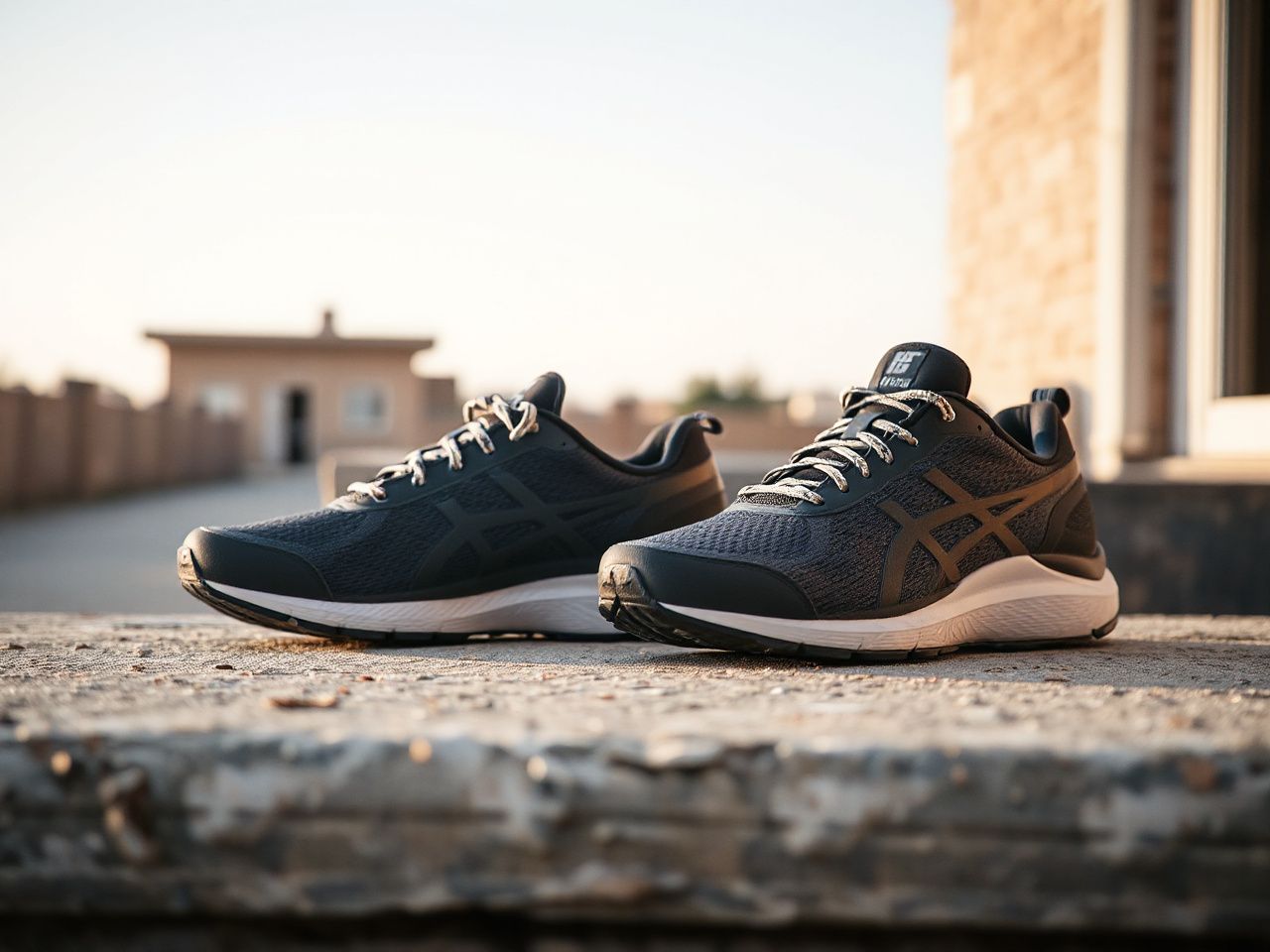
A running shoe becomes mid-top when its ankle collar rises higher than a conventional low-top opening. The exact shape varies: some designs use a modest mid-height ankle collar, while others add a close-fitting ankle gaiter above the shoe. The label describes the upper around the ankle. It does not prove that the shoe will control ankle motion or prevent a turn.
A mid-height collar can make the shoe feel more enclosed during movement. That sensation may suit loose gravel, dry leaves, shallow mud, or sandy paths where debris entering through a low opening becomes irritating. The collar can also overlap with socks or gaiters, so the upper must be considered as part of the entire clothing system rather than as an isolated feature.
A mid-top running shoe is identified by ankle-collar height, not by a promise of injury prevention. This distinction matters because a runner may expect a hiking boot’s firm hold and instead receive a flexible upper designed for repeated foot movement.
Coverage is different from support
Ankle coverage blocks or slows the entry of trail debris and may reduce exposed skin around the shoe opening. Mechanical support comes from how the heel counter holds the rear of the foot, how the lacing system tensions the upper, how the midsole behaves under movement, and how the runner’s foot moves on the ground.
A gusseted tongue can help keep the tongue centred and reduce a gap beneath the laces. A heel-lock lacing pattern may help limit heel lift when it fits the foot correctly. Neither feature turns a flexible running shoe into a rigid brace. Support is a fit outcome, not a visual consequence of a taller collar.
People with different foot and ankle movement patterns can experience the same collar in different ways. A higher opening may feel secure to one runner and restrictive to another, especially during climbs, descents, or movements that require the ankle to bend forward.
Why trail running and hiking boots are separate categories
Hiking boots are built around a different set of expectations, including a more enclosed structure and a stronger emphasis on load-bearing protection. A mid-top running shoe keeps the priorities of running: flexible foot movement, lower bulk, and an upper that can follow repeated stride changes.
On uneven ground, the difference becomes clear. A rock plate, protective upper, or aggressive rubber outsole may make rough trail surfaces feel less intrusive, but added protection can also increase stiffness and reduce natural foot movement. A running shoe may suit a fast, lightly loaded trail outing while a hiking boot may suit a route where the priority is carrying support equipment over prolonged uneven ground.
What to look for in running shoes: a complete guide can help place collar height alongside the broader questions of fit, movement, and intended terrain.
How to Check Fit Before a Trail Run
Step 1: Assess the ankle collar
Put on the socks intended for the route before tightening the shoe. Walk, bend the ankle forward, and make a few controlled changes of direction. The collar should contact the ankle without digging into a tendon, folding inward, or leaving a loose opening that lets grit fall directly inside.
Check both sides. Ankles are not always identical in shape, and a seam or edge that feels harmless on one side can press against the other. A collar that feels comfortable while standing can become a pressure point as the ankle repeatedly bends.
An ankle collar should follow ankle movement without creating a sharp pressure point. If the collar presses during forward flexion, loosening the upper may help only briefly; a different collar shape may be the more honest solution.
Step 2: Check the heel counter and heel movement
The heel counter is the structured area around the rear of the foot. It should hold the heel without crushing it or allowing obvious lift each time the foot leaves the ground. A loose heel can make a higher collar rub because the foot moves inside the shoe rather than with it.
Use the laces to secure the midfoot gradually from the lower eyelets upward. The upper should feel held, not cinched. A heel-lock lacing method can be useful if the shoe provides the necessary eyelet arrangement, but excessive tension can create pressure across the ankle opening.
Walk downhill if the route or safe indoor space allows it. Forward sliding changes where the toes, heel, and collar meet. A fit that feels acceptable on level ground may become uncomfortable on descents because the foot loads the front of the shoe and the collar shifts against the ankle.
Step 3: Test ankle flexion and foot mobility
Run through a gentle range of movement rather than judging the shoe from a seated position. Raise the heel, bend the knee over the foot, and roll through a walking stride. The shoe should allow the movement required by the intended terrain without the collar acting like a stiff wall.
A rock plate or dense protective layer may reduce the sensation of sharp stones, but protection often changes how much the sole bends. That tradeoff can be useful on rough ground and less suitable on smooth paths where a runner values an unrestricted stride.
Step 4: Match the upper to moisture and debris
A breathable mesh upper can release heat and moisture, but open mesh may allow fine grit through if the path is sandy. A gusseted tongue can close part of the lace area, while an ankle gaiter can cover the remaining opening. These parts work only when their edges overlap without bunching.
Water resistance and waterproofing involve different compromises. A more enclosed upper may slow water entry but can also dry more slowly after immersion. For routes where rain and wet vegetation are central concerns, review the separate guidance on waterproof trail running shoes without assuming that a taller collar alone makes footwear waterproof.
Choosing the Shape for Terrain and Trail Etiquette
Loose trails, sand, and dusty ground
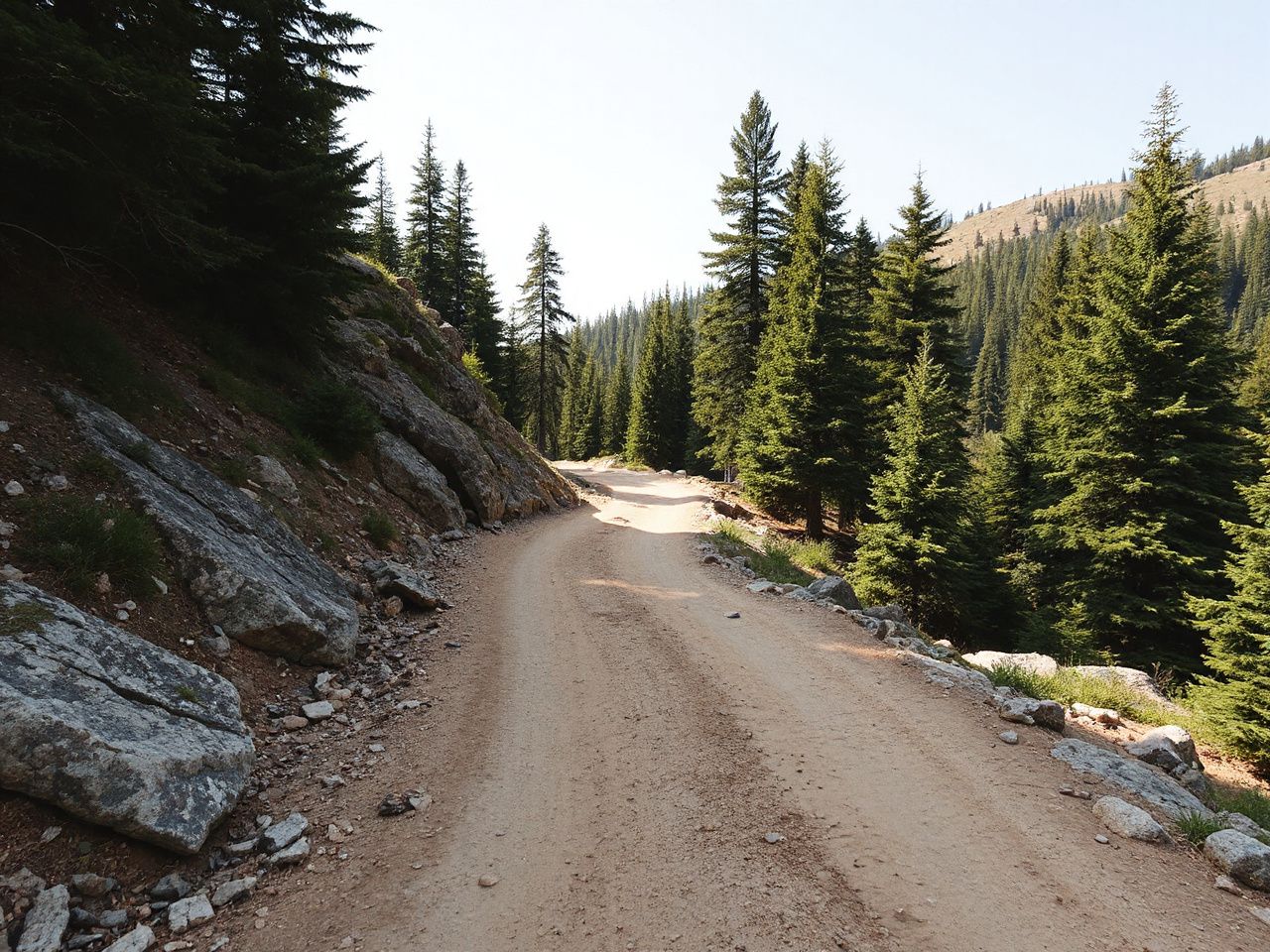
Loose ground shifts beneath the foot and sends debris toward the opening of the shoe. A higher collar or ankle gaiter can reduce that annoyance, but the outsole still needs to match the surface. A rubber outsole with suitable tread can help the foot connect with the ground, while an overly aggressive pattern may feel unnecessary on a firm path.
Trail runners often share routes with walkers, cyclists, and local residents. Staying on the marked surface protects fragile edges and reduces the widening of singletrack. A shoe that keeps sand and small debris out can improve comfort, but it does not remove the responsibility to avoid shortcuts through sensitive vegetation.
Trail debris protection is useful only if the collar and gaiter overlap without rubbing. An exposed gap can admit grit, while an overlapping seam can create its own irritation.
Rocky and uneven terrain
Uneven rock asks the foot to make frequent small adjustments. A rock plate may soften contact with sharp surfaces, and a protective upper may reduce the discomfort of brushing against stones. Those features can also make the shoe feel less flexible, so the runner should decide how much ground feedback and mobility the route requires.
A heel counter can help the rear of the foot stay centred, yet no collar compensates for an outsole that does not suit the surface. Look at the tread, flex points, and protective layers together. The route’s texture matters more than the height of the opening by itself.
Mud and wet vegetation
Mud can cling to an outsole and add weight to each step. Wet vegetation can press water against the collar and upper. A mid-top may reduce the path available for water and debris to enter, but it cannot make a saturated shoe dry immediately.
After a wet run, remove the insole if it comes out easily, loosen the laces, and let the footwear dry gradually away from intense heat. Direct heat can damage adhesives, foam, and upper materials. Do not place wet shoes against a heater or use a high-heat dryer simply to speed the process.
Wet running shoes should dry gradually away from intense heat because heat can damage adhesives, foam, and upper materials. Drying also gives the runner a chance to find trapped grit before it wears against the upper or foot.
Routes shared with motorcyclists and local communities
In many riding regions, trail access depends on cooperation among runners, riders, land managers, and nearby communities. Footwear should support quiet, low-impact travel rather than encourage riders or runners to push beyond marked access. Pack out damaged gaiters, torn foam, and food packaging, and keep mud from being carried onto roads or public facilities.
Environmental responsibility also shapes maintenance. Cleaning grit from a shoe before it spreads to another trail protects the route and reduces premature material damage. A durable habit is simple: brush off loose soil at the trailhead, carry out anything that came with the trip, and avoid washing mud into a stream or drainage channel.
Managing Socks, Gaiters, and Moisture
Build one consistent ankle system
Socks, collar, laces, and gaiter all occupy the same small area around the ankle. A thick sock folded beneath a tight collar can create a ridge. A gaiter overlapping the collar seam can add pressure. A loose sock can bunch and produce friction even when the shoe itself fits.
Use the same sock thickness for fitting that you expect on the route. The sock should lie flat at the ankle and remain in place while walking. Check the top edge of the gaiter, especially if it uses elastic or a close seal, because pressure at that edge may be mistaken for pressure from the shoe.
Understand moisture management
Moisture comes from rain, stream crossings, wet vegetation, and perspiration. A breathable mesh upper may help release moisture, while an enclosed collar can hold damp fabric against the ankle. Moisture-wicking running socks can reduce the sensation of wet fabric, but they cannot make a soaked shoe dry.
Change the care routine after wet conditions. Remove loose debris, open the shoe fully, and dry it at room temperature away from intense heat. Inspect the collar and tongue for grit before the next outing.
Maintenance costs are not determined by collar height alone. Mud, sand, salt, repeated soaking, and poor drying can affect any running shoe. A mid-top may collect debris around extra seams or retain moisture in a more enclosed opening, so regular cleaning becomes more important when the route is wet or dusty.
Clean without harming the shoe
Start by removing loose dirt with a soft brush. Use a damp cloth for the upper and follow the manufacturer’s care instructions for any special material. Avoid aggressive scrubbing that could roughen mesh or pull at bonded sections.
Rinse only as needed and keep dirty water away from natural waterways. Do not use intense heat to dry the shoe. Once dry, flex the upper gently and inspect the outsole, laces, tongue, collar, and heel area for damage.
When Mid-Tops Are the Wrong Choice
Routes that demand unrestricted ankle movement
A higher collar may interfere with ankle flexion if its shape does not suit the runner. Fast changes in direction, steep climbs, or technical terrain can expose that restriction. A low-top trail running shoe may feel more natural when maximum ankle mobility matters and debris protection is less important.
Foot and ankle mobility should guide the decision. If the collar catches during a forward bend or presses during a change of direction, the problem is a mismatch rather than a failure of willpower. Do not tighten through pain to create a sense of security.
Routes requiring hiking-boot protection
A mid-top running shoe should not be treated as a substitute for a hiking boot simply because both cover more of the ankle than a low-top. Running footwear generally prioritizes movement and lower bulk, while hiking boots may be chosen for a more protective, enclosed structure.
Heavy loads, prolonged uneven travel, and conditions requiring a firm protective shell may call for a different category of footwear. The correct choice depends on route demands, pack load, personal movement, and local conditions rather than the collar label.
People who dislike enclosed ankle contact
Some runners prefer an open collar because it offers a less noticeable fit. A mid-top can feel warm, restrictive, or intrusive even when no rubbing occurs. That subjective response is a valid reason to choose another shape.
Do not confuse a higher collar with a safer shoe. The shoe should allow controlled movement, remain comfortable throughout the route, and suit the surface without encouraging overconfidence.
Safety information and responsible use
Footwear labels do not replace route judgment or medical advice. The U.S. Consumer Product Safety Commission provides consumer safety information, while the ASTM International develops voluntary consensus standards; readers should check the applicable instructions and claims rather than assume that a mid-top collar carries a particular certification.
If ankle pain, numbness, persistent rubbing, or a recurring blister continues after fit adjustments, stop using the shoe for that activity and seek qualified clinical guidance. A collar can change contact and movement, but it cannot diagnose or treat an injury.
Frequently Asked Questions
Are mid top running shoes meant to support the ankle?
Mid top running shoes mainly describe a higher ankle collar. The collar can provide coverage and a more enclosed feel, yet ankle stability depends on the heel counter, lacing, midsole behavior, outsole contact, and the runner’s movement. A taller opening does not guarantee stabilization or injury prevention. Test forward flexion, walking, and controlled direction changes before trusting the fit on uneven terrain.
How should the collar, heel counter, and lacing fit around my ankle?
The collar should contact the ankle without digging, folding, or leaving a loose debris-catching gap. The heel counter should hold the rear of the foot without crushing it, and the laces should secure the midfoot without excessive pressure. Fit the shoe with intended socks and gaiters, then check the setup while walking uphill and downhill because foot movement changes contact points.
Are mid-top shoes better than low-top trail shoes for mud and sand?
A higher collar can reduce the opening through which sand, leaves, and small trail debris enter, especially when paired with a compatible ankle gaiter. That advantage does not make the shoe waterproof or automatically better for every surface. A low-top may offer freer ankle movement, while a mid-top may feel more enclosed. Choose according to debris, moisture, terrain, and mobility needs.
How should wet mid-top running shoes be cleaned and dried?
Brush away loose dirt, loosen the laces, and remove the insole if it comes out without force. Wipe the upper according to its care instructions and let the shoe dry gradually away from intense heat. Heaters and high-heat dryers can damage adhesives, foam, and upper materials. Keep dirty rinse water away from streams and drainage channels whenever possible.
Do mid top running shoes work like hiking boots on uneven ground?
No. A mid-top running shoe remains designed around running flexibility and repeated foot movement, even if it includes a rock plate, protective upper, or aggressive rubber outsole. Hiking boots place different emphasis on enclosed protection and load-bearing structure. A mid-top may suit a lightly loaded trail run, while a hiking boot may be more appropriate for conditions requiring a firmer protective platform.
Why do mid top running shoes cause rubbing or blisters?
Rubbing can come from a collar edge, heel movement, a folded sock, tight lacing, or an ankle gaiter overlapping the same seam. Moisture and grit can increase irritation. Flatten the sock, inspect the collar, adjust lacing gradually, and check the gaiter edge. If pressure remains during ankle flexion, the collar shape may not suit your foot.
For routes where rain is the main concern, the guide to waterproof running shoes offers a useful comparison of moisture priorities without treating collar height as a waterproofing guarantee.