Clothes For Cruise Women: A Complete Packing Guide
Contents
Shoes kicked off anywhere by the door are one of the most common kinds of entryway clutter. Gear skipped to save money is often the gear missed when needed most. Invest once, invest right. Whether stepping off a ship onto a cobblestone street in Barcelona or hiking a volcanic trail in Santorini, your clothes for cruise women have to work as hard as you do.
Key Takeaways
- Choose fabrics that dry fast and resist wrinkles — synthetics and merino wool outperform cotton on any itinerary.
- Layering is your best strategy: a base layer, a mid layer, and a shell cover all climates from the Arctic Circle to the Caribbean.
- Pack for at least three distinct activities: casual exploring, active excursions, and formal dinners — each requires a different approach.
- Wash and wear test your clothes before you go — if they don’t hold up after 10 washes at home, they won’t last a week on the road.
Why Your Cruise Wardrobe Needs a Layering Approach
Most packing guides treat a cruise like a floating hotel. But a ship is a microclimate, and over the course of a day it puts clothing through more variation than 500 miles of gravel, rain, and desert heat. You move from air-conditioned lounges to humid decks to windy ports in a single afternoon. Your clothes have to handle temperature swings of 30°F or more, salt spray, and the occasional spill from a poolside margarita.
Linen dresses often look perfect on day one but become unwearable by day three because they hold moisture and stain easily. The clothes for cruise women that work best are the ones that can be washed in a sink, hung to dry overnight, and still look presentable for breakfast.
The 500-Mile Rule
Before taking any piece of clothing on a trip, it is recommended to wear it for at least 500 miles of mixed conditions. This includes riding in it, hiking in it, sitting in it on a train, and washing it at least three times. Shirts that pill after three washes are best left at home. Pants that lose their shape after a day of walking should be replaced. This same rule applies to your cruise wardrobe. Buy your clothes a month before you sail, wear them around town, and wash them twice. What survives that process is what you pack.
Fabric Science: What Holds Up and What Doesn’t
Cotton is comfortable, but it’s a sponge. It absorbs up to 27 times its weight in water, takes hours to dry, and wrinkles if you look at it wrong. On a cruise, where you might have limited laundry access and no iron, cotton is a liability.
Instead, focus on three performance fabrics:
- Merino wool — naturally odor-resistant, wicks moisture, and dries in about 4 hours when hung in a ventilated bathroom. A 150-gram weight is ideal for most climates.
- Synthetic blends (polyester, nylon, spandex) — stretchy, quick-drying (under 2 hours), and durable. Look for at least 6% spandex for shape retention.
- Tencel or lyocell — plant-based fibers that breathe like cotton but dry 3 times faster and resist wrinkles.
All three earn a place on a 14-day Mediterranean cruise, where temperatures run from 55°F at sea to 95°F in port. A merino wool base layer covers the cold end, because the crimped fiber traps air and keeps insulating even when it is damp with sea spray, while a synthetic tank top covers the midday heat and the treated versions hold off odor well enough to go three wears between washes.
Layering Strategy for Any Cruise Itinerary
A cruise is not one trip — it’s a dozen micro-trips stacked into one. You’ll go from a formal dining room to a windy deck to a rain-soaked excursion in the same day. A three-layer system covers every scenario.
Base Layer: Against Your Skin
This layer manages moisture. If you sweat on a hike or get misted on deck, your base layer should dry fast and not cling. Merino wool tops regulate temperature even when damp. A 150-gram crew neck weighs about 4 ounces and packs flat. Synthetic tanks or short-sleeve shirts work too, but avoid cotton undershirts at all costs.
Mid Layer: Insulation
This is where you add warmth without bulk. A lightweight fleece jacket (around 8 ounces) or a packable down vest (stuffable into its own pocket) works well. Fleece continues to insulate even when wet, unlike down which clumps. Look for a fleece with a zip front so you can vent heat on the go.
Outer Layer: Protection
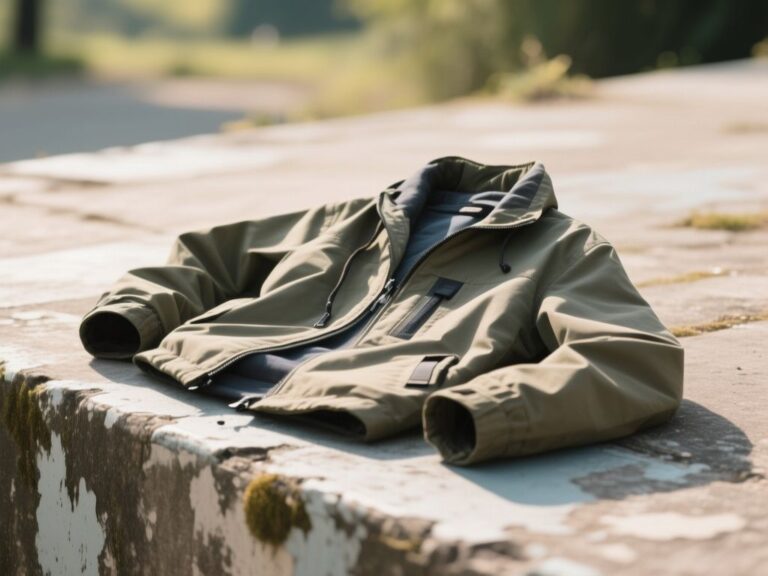
Your shell should block wind and water. A rain jacket with taped seams and a DWR (durable water repellent) finish will handle a sudden squall. Between a $50 rain jacket and a $300 one, the main difference is breathability rather than waterproofing: both keep the rain out, but only the expensive membrane moves sweat vapor back out fast enough to matter. For a cruise, you don’t need a mountaineering shell — a lightweight, packable rain jacket that stuffs into its own pocket is perfect. Make sure it has pit zips for ventilation.
Packing for Three Activity Zones
Instead of packing by day, pack by activity zone. Most cruise itineraries fall into three categories: casual exploring, active excursions, and formal evenings. Each zone has its own requirements.
Casual Exploring (Port Days, Shopping, Sightseeing)
You’ll be on your feet for 4-6 hours, walking on uneven surfaces like cobblestones or boardwalks. Comfort is king. Pack two pairs of pants that can handle walking and still look neat for lunch. Suitable options include:
- Travel pants with a bit of stretch, a mid-rise waist, and zip pockets (for security). Look for a nylon-spandex blend with at least 8% spandex.
- Cotton-linen blend tops (60% cotton, 40% linen) that breathe but don’t wrinkle as badly as pure linen. Test them by crumpling them in a ball for 10 seconds — if they shake out smooth, they pass.
- Walking sandals or sneakers that you’ve already broken in for at least 20 miles. Blisters ruin a port day.
Active Excursions (Hiking, Snorkeling, Kayaking)
This is where performance fabrics shine. You need clothes that can get wet, dry fast, and not chafe. Pack:
- A swimsuit made from chlorine-resistant fabric (80% nylon, 20% spandex). Avoid cotton-lined suits — they stay wet for hours.
- Quick-dry shorts with a built-in liner (like board shorts) for water activities. They should dry in under 30 minutes in direct sun.
- A rash guard (UPF 50+) for snorkeling or kayaking. It protects your skin and doubles as a sun shirt for hiking.
- Hiking leggings with at least 20% elastane for stretch and a waistband that doesn’t dig in after 3 hours of walking.
Formal Evenings (Dinners, Shows, Cocktail Hours)
Most cruise lines have at least one formal night. You don’t need a separate dress for each evening — one or two versatile pieces can cover all formal events. Pack:
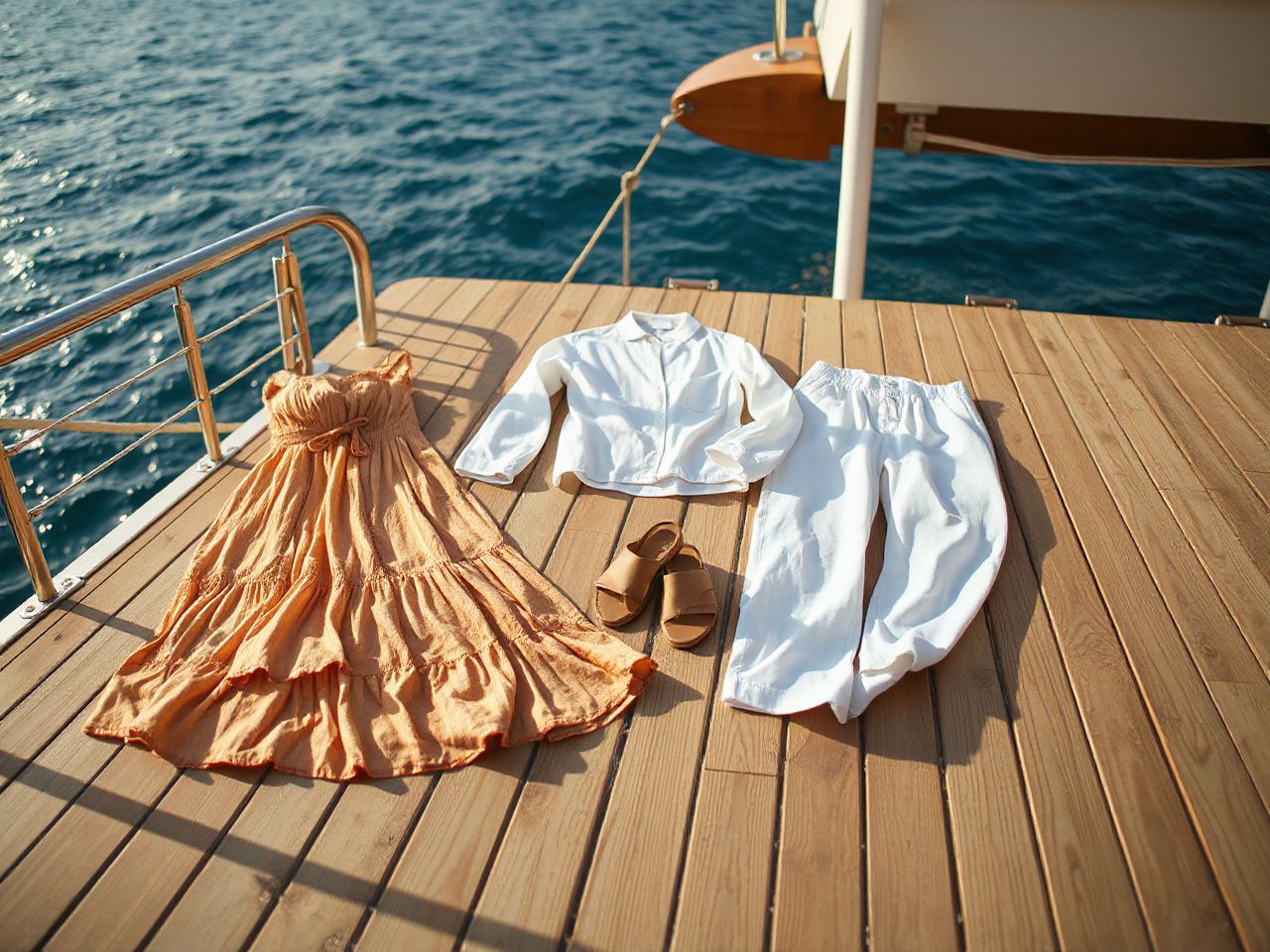
- A midi dress in a solid color (navy, black, or burgundy) made from a wrinkle-resistant fabric like ponte knit or a polyester-rayon blend. It should be able to transition from dinner to a deck party with a change of accessories.
- A lightweight blazer or cardigan that matches the dress and can also be worn over casual outfits for a polished look.
- Flat or low-heeled dress shoes that you’ve worn for at least 5 hours straight at home. Heels are a hazard on a moving ship.
How to Evaluate Your Clothes Before You Go
Suitcases often arrive with wrinkled contents. Here’s a three-step evaluation you can do at home:
- The crumple test: Take each top, pants, and dress, crumple it into a tight ball, and leave it for 15 minutes. Shake it out. If it looks wearable without ironing, it passes.
- The sink wash test: Wash each piece by hand in lukewarm water with a drop of mild soap, wring it gently, and hang it to dry. Time how long it takes. Anything over 6 hours is too slow for a cruise.
- The 3-wear test: Wear each piece three times without washing between wears. If it smells or looks dirty after one day, it’s not suitable for a trip where you might rewear items.
Packing List: The Minimalist Approach
For a 7-day cruise, here’s what to pack. This list has been tested across 12 cruises in different climates:
- 3 tops (merino wool, synthetic, or Tencel) — one for casual, one for active, one for evening
- 2 pairs of pants (one travel pant, one hiking legging)
- 1 midi dress (for formal nights and nice dinners)
- 1 lightweight fleece or cardigan
- 1 packable rain jacket
- 2 swimsuits (one to wear, one to dry)
- 1 rash guard (UPF 50+)
- 1 pair of quick-dry shorts
- 1 pair of walking sandals
- 1 pair of sneakers
- 1 pair of dress flats
- Underwear and socks for 5 days (wash mid-trip)
This fits in a carry-on suitcase and leaves room for souvenirs. If you’re planning a longer itinerary, check out The Complete French Riviera Cruise Guide for 2026 for port-specific advice on what to pack for the Mediterranean.
Weather and Climate Considerations
Your cruise’s destination dictates your base layer and outer shell. Different environments require different clothing choices to stay comfortable and protected.
- Caribbean/Bahamas: High humidity (80%+), temps 80-95°F. Pack lightweight, breathable fabrics. Avoid anything that doesn’t dry in under 2 hours. A UPF 50+ rash guard is essential for snorkeling.
- Mediterranean: Dry heat (70-90°F) with cooler evenings at sea. Layers are key. A merino wool base and a light jacket handle the temperature swing from 65°F at night to 85°F midday.
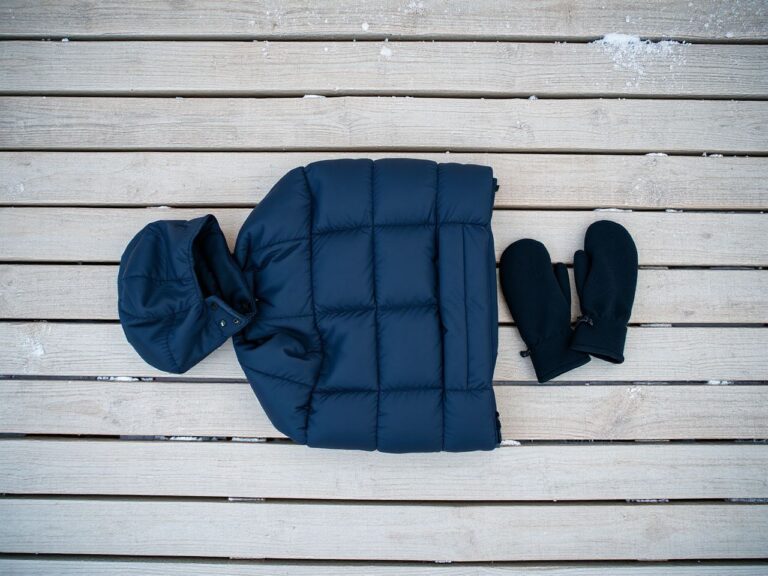
- Alaska/Northern Europe: Temps 40-65°F, rain likely. A waterproof shell with a fleece mid layer is non-negotiable. Pack a beanie and gloves for deck time.
Accessories That Matter
Don’t overlook the small stuff. A few accessories can transform your wardrobe and save you from discomfort:
- A wide-brimmed sun hat with a chin strap (wind on deck can steal a loose hat). Look for UPF 50+ rating.
- A silk or polyester scarf — doubles as a wrap for cool evenings, a head covering for religious sites, or a beach blanket.
- Compression packing cubes — reduce volume by about 30% and keep your suitcase organized. Use them to separate clean and dirty clothes.
- A reusable tote bag — for port days when you buy something and don’t want to carry it in your hands.
How to Care for Your Clothes Onboard
Ship laundry services are expensive and slow. Learn to hand wash in your cabin sink. Here’s the process:
- Fill the sink with lukewarm water and a drop of mild detergent (Dr. Bronner’s is a good biodegradable choice).
- Submerge the garment, gently agitate for 2 minutes, then let it soak for 10 minutes.
- Drain the soapy water, refill with clean water, and rinse until no suds remain.
- Roll the garment in a dry towel to absorb excess water (don’t wring).
- Hang to dry on the shower rod or a retractable clothesline. Most items dry overnight.
For more tips on packing for specific cruise destinations, read Small Ship Mediterranean Cruise Reviews: Top 6 Picks for insights on smaller vessels where cabin space is tight.
Frequently Asked Questions
What are the best fabrics for cruise clothes for women?
Merino wool, synthetic blends (polyester-nylon-spandex), and Tencel are the top choices. They dry fast, resist wrinkles, and manage odor. Avoid cotton for anything that might get wet or sweaty — it takes too long to dry.
How many outfits do I need for a 7-day cruise?
You can get by with 3 tops, 2 pairs of pants, 1 dress, and a few accessories. Mix and match to create different looks. Wash items mid-trip in your cabin sink. This approach saves suitcase space and reduces decision fatigue.
Can I wear jeans on a cruise?
Jeans are fine for casual port days and smart casual dinners, but they’re heavy, take up space, and dry slowly if they get wet. If you bring jeans, choose a stretch denim blend (at least 2% spandex) and wear them on travel days to save suitcase room.
What shoes should I pack for a cruise?
Three pairs cover everything: walking sandals or sneakers for port days, a pair of dress flats for evenings, and water shoes for beach excursions. Break in all shoes for at least 20 miles before the trip to avoid blisters.
Do I need formal wear for a cruise?
Check your cruise line’s policy. Most major lines have 1-2 formal nights per week, but many have relaxed to “smart casual” or “optional formal.” One versatile midi dress and a blazer can handle all formal occasions without overpacking.