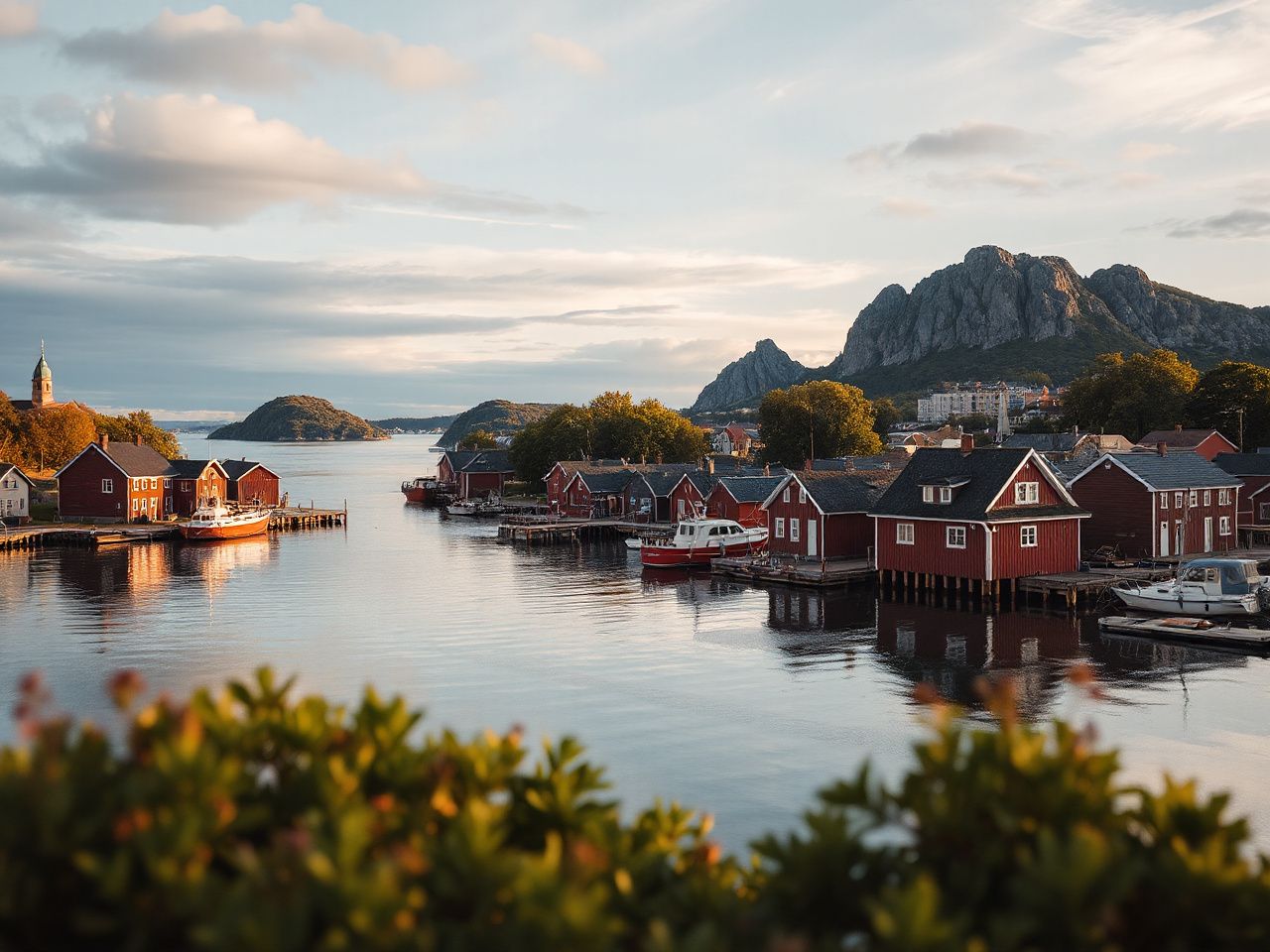
Plan Your Perfect Trip To Sweden In 2026
Contents
Most travelers arrive in Sweden thinking the biggest risk is a rainy day. The gear you skip buying to save money is almost always the gear you regret not having when you need it most. Invest once, invest right. Whether you are hiking the Kungsleden, mountain biking in Åre, or crossing the high plateau of the Hardangervidda, Sweden’s backcountry demands respect. A poorly planned trip to Sweden can turn a scenic trail into a survival scenario faster than you think. This guide breaks down the actual risks, the gear that matters, and the skills you need before you step off the pavement.
Key Takeaways
- Sweden’s remote trails demand proper navigation skills and satellite communication; cell service is unreliable above the treeline.
- Weather can shift from 20°C to near freezing within hours, even in July — pack for four seasons in one day.
- Water crossings and loose scree are the most common injury causes on Swedish mountain passes; proper footwear and crossing technique are non-negotiable.
Understanding the Real Risks of a Sweden Trip
Sweden’s wilderness is vast and largely unmarked. The Kungsleden trail stretches 440 kilometers through Arctic terrain with few resupply points. On the Hardangervidda plateau, you can walk for days without seeing another person. The most common mistake is underestimating the distance between water sources. In July, streams run high from snowmelt, but by late August, many dry up. You need to carry at least three liters of water capacity and a reliable filter.
Weather: The Silent Threat
Sweden’s weather is notoriously unstable. In the mountains, a clear morning can turn into a gale-force storm by noon. Temperatures in the highlands near Abisko can drop to 5°C even in midsummer. Hypothermia is a real risk if you are wet and exposed. It is important to carry a lightweight down jacket and a fully waterproof shell — not just a rain jacket, but a hardshell with taped seams. Cotton kills; wear merino wool or synthetic base layers.
Navigation: GPS Can Fail
Sweden’s northern trails have limited cell coverage. Even the best GPS units can lose signal in deep valleys or under heavy cloud cover. Relying solely on a phone can lead to being lost for hours. Carry a paper map and a compass, and know how to use them before you go. The Swedish Mountain Maps (Fjällkartan) are excellent and show all marked trails, huts, and emergency shelters. For serious off-trail travel, a satellite messenger like a Garmin inReach is worth the weight. If you are planning a longer expedition, check out our Trip Insurance Reviews: Top Picks for 2026 to ensure you are covered for evacuation costs.
Gear Essentials for a Sweden Trip
Packing for Sweden is about layering and redundancy. The gear list below assumes you are doing multi-day hiking or biking in the mountains. Day hikes in the south require less, but the principles remain the same.
Footwear: Your Most Important Piece
Swedish trails are rocky, rooty, and often wet. A low-cut trail runner will not cut it for a loaded pack. You need boots with good ankle support, a stiff sole for scrambling, and a waterproof membrane. Boots with a full rubber rand protect against sharp rocks. Break them in for at least 50 kilometers before your trip. Blisters are the number one reason people cut trips short.
Shelter and Sleep System
Even if you plan to stay in huts, carry a lightweight emergency shelter. A bivvy bag or a simple tarp can save your life if you get caught out after dark. Sweden’s mountain huts are spaced roughly a day’s hike apart on the Kungsleden, but they fill up fast in July and August. If you are camping, a four-season tent is overkill for summer, but you need a three-season tent that can handle heavy rain and wind. Your sleeping bag should be rated to at least 0°C — a -5°C down bag adds extra warmth.
Cooking and Water
You need a stove that works in wind. Canister stoves are fine if you shield them, but liquid fuel stoves are more reliable in cold conditions. Sweden’s water is generally clean, but you should still treat it. A lightweight filter like the Sawyer Squeeze or a UV pen works well. Boiling is an option but uses fuel. Carry a minimum of 1.5 liters of water capacity per person for dry stretches.
Skill Requirements for a Sweden Trip
Sweden’s trails are not technical by alpine standards, but they demand solid fundamental skills. Below is a breakdown of what you need to know before you go.
River Crossings
Meltwater streams are the most dangerous feature of Swedish terrain. They can rise rapidly in the afternoon as snow melts. Never cross a stream that is above your knees. Unbuckle your pack waist strap so you can ditch it if you fall. Face upstream and shuffle sideways, using trekking poles for stability. If the water is too fast, wait until morning when flows are lower, or find a wider, shallower section.
Navigation and Route Finding
Marked trails in Sweden use red paint on rocks or wooden posts. In fog — which is common above treeline — these markers can be hard to spot. Practice taking a bearing and following it in poor visibility. Always know your next waypoint before you lose sight of the last one. A useful approach is the “handrail” technique: follow a ridge, stream, or valley that leads in your general direction, then cut over at a known point.
Emergency Response
If you get injured, calling for help is not simple. Sweden’s emergency number is 112, but you need a phone signal or a satellite device. Know the coordinates of your location before you call. Carry a basic first aid kit with blister treatment, antiseptic, and painkillers. A small splint and a tourniquet are useful for worst-case scenarios. For longer trips, consider a wilderness first aid course before you leave.
Planning Your Sweden Trip: Step-by-Step
Follow this sequence to minimize risk and maximize enjoyment.
Step 1: Choose Your Region and Season
Sweden’s best hiking season runs from mid-June to mid-September. July is the warmest and busiest month. The Kungsleden is most popular, but the Sarek National Park offers true wilderness for experienced backpackers. If you want mountain biking, Åre has world-class trails from June to October. For a less crowded experience, try the Jämtland Triangle or the Skåneleden in the south.
Step 2: Get the Right Permits and Reservations
You do not need a permit to hike most Swedish trails, but you do need to book huts in advance. The Swedish Tourist Association (STF) runs most mountain huts. Book online as early as February for July and August slots. If you are camping, follow the Right of Public Access (Allemansrätten), which allows wild camping on uncultivated land. But note: you must stay at least 150 meters from any house or cabin.
Step 3: Pack Smart and Light
Your base pack weight — without food and water — should be under 12 kilograms. Every extra kilogram increases fatigue and risk of injury. Use a pack that fits your torso length properly. Test your full pack on a local trail with similar elevation gain before you leave. If you are combining hiking with RV travel, our RV Life Trip Wizard Reviews: Top Picks for 2026 can help you plan efficient routes and campsite bookings.
Step 4: Acclimate and Start Slow
If you are flying into Stockholm and heading straight to the mountains, give yourself a day to adjust. Jet lag and altitude — even at 1,000 meters — impair judgment. Start your first hiking day with a short 5-kilometer leg to test your gear and your body. Build up mileage over the first three days.
Frequently Asked Questions
Do I need a visa for a trip to Sweden in 2026?
If you are a US, UK, Canadian, or EU citizen, you do not need a visa for stays up to 90 days. Sweden is part of the Schengen Area. Check your passport expiry — it must be valid for at least three months beyond your planned departure date. For other nationalities, check Sweden’s migration agency website before booking.
What is the best month for a trip to Sweden?
July offers the warmest weather and longest daylight hours, with the sun barely setting north of the Arctic Circle. However, August has fewer mosquitoes and more stable weather in the mountains. September brings stunning autumn colors but colder nights and shorter days. Avoid May and early June unless you enjoy snow and mud.
How much does a trip to Sweden cost per day?
Budget travelers spending around 800 SEK per day (about $75 USD) can cover hostel dorm beds, grocery store food, and public transport. Mid-range travelers spending 1,500 SEK per day ($140 USD) can afford private rooms in mountain huts, restaurant meals, and car rental. Sweden is expensive — alcohol, eating out, and taxis cost more than in most of Europe. Plan accordingly.
Is it safe to camp wild in Sweden?
Yes, wild camping is legal under Allemansrätten, but you must follow the rules: stay 150 meters from houses, do not disturb wildlife, and leave no trace. Fires are banned during dry periods — check local restrictions. The biggest safety concern is weather, not people. Sweden has very low crime rates, but always secure your food from animals, especially in bear and wolverine territory.
What kind of fitness level do I need for a Sweden trip?
For the Kungsleden or similar trails, you need to be able to hike 15-20 kilometers per day with a 12-15 kilogram pack over uneven terrain. That requires good cardiovascular fitness and strong legs. Train with weighted hikes on hilly terrain for at least six weeks before your trip. If you are planning technical mountain biking in Åre, you need intermediate to advanced bike handling skills on rocky descents.