The Complete Switzerland Cruise Guide for 2026
Contents
What if the best way to see a country known for mountains and trains is actually from the water? Most travelers pack into cable cars and cog railways, but a cruise through Switzerland offers a completely different angle—one that rewards patience, preparation, and a willingness to let the current set the pace.
Travel works the same way everywhere: the moments that make the best stories are almost always the ones where something went wrong. Preparation doesn’t prevent adventure—it just gives you better options when it shows up. That same mindset applies to navigating Switzerland’s waterways. Whether you’re crossing Lake Lucerne under a thunderhead or drifting through the Rhine Gorge at sunrise, the real discovery happens when you stop trying to control every detail.
This guide breaks down what a Switzerland cruise actually looks like for someone who wants more than a floating hotel. We’ll cover the routes that reward the curious, the seasons that test your gear, and the unmarked moments that make the journey worth the ticket.
Key Takeaways
- Switzerland’s cruise routes span three major water systems—the Rhine, the lakes, and the Aare—each offering different levels of remoteness and infrastructure.
- Peak season (July–August) brings crowds and higher prices, but shoulder months (May–June, September–October) deliver more flexible itineraries and better light for photography.
- Smaller ships and self-guided options (like the Aare river drift) provide the most authentic connection to the landscape, but require more personal planning and gear.
Why a Switzerland Cruise Is Different From Any Other River Journey
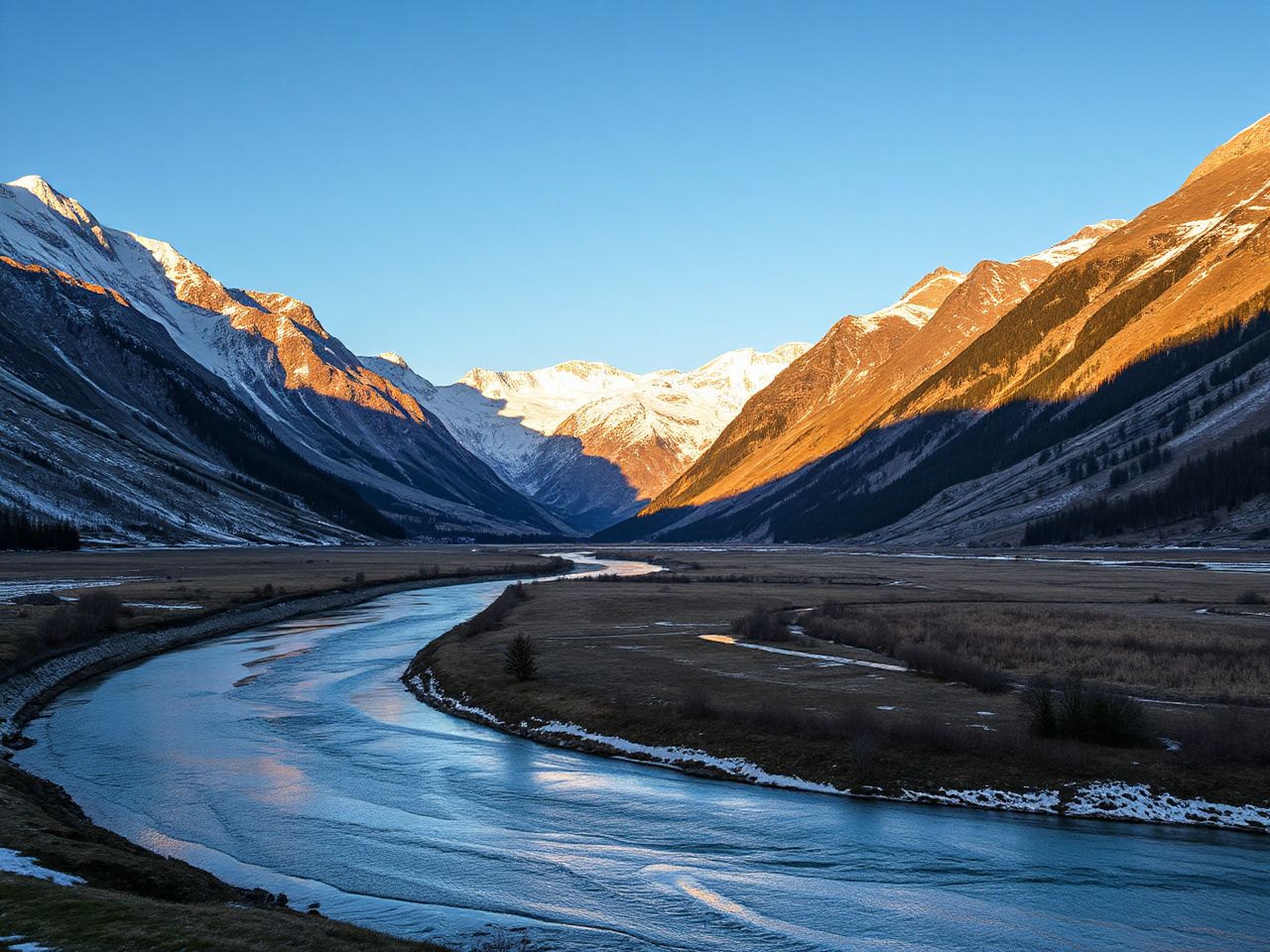
Most European river cruises follow predictable channels—the Danube, the Rhine, the Seine—with ports that feel like themed shopping malls. Switzerland breaks that mold. The country’s geography forces water to work differently. The Alps don’t just frame the view; they dictate the flow. Glaciers feed the rivers, which means water temperatures rarely climb above 12°C (54°F) even in August. That cold water supports a clarity that makes the bottom of Lake Geneva visible at 70 meters (230 feet) depth.
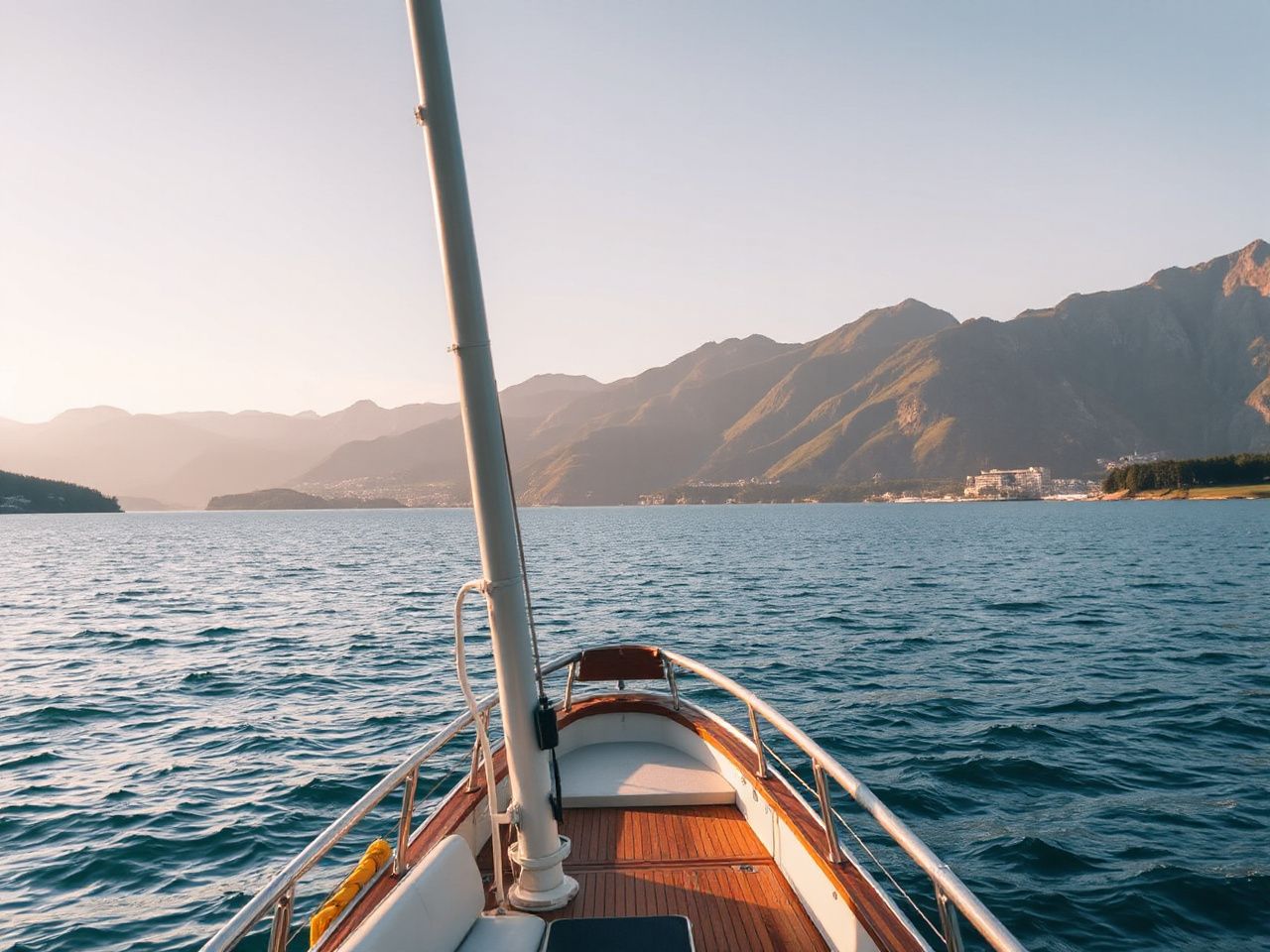
A cruise here isn’t about distance covered. You won’t cross the country in a week. The real value is in the density of experience per kilometer. The stretch from Lucerne to Flüelen on Lake Lucerne—only about 35 kilometers (22 miles)—passes the Rigi, Pilatus, and the Uri Rotstock. In the same time it takes to see one mountain from a train, you can watch three change color as the sun moves.
Choosing Your Route: Where the Water Takes You
The Rhine River: The Classic Deep-Water Route
The Rhine cuts through northern Switzerland from Schaffhausen to Basel. This is the most developed cruise corridor, with scheduled services and well-maintained docks. The Rhine Falls near Schaffhausen—Europe’s largest waterfall by volume—are a mandatory stop. The falls drop 23 meters (75 feet) and push 700 cubic meters (25,000 cubic feet) of water per second during peak melt in June.
Most cruise ships that run the Rhine are medium-sized (100–150 passengers) and can handle the locks between Basel and Strasbourg. But if you want something smaller, consider the Rhine Gorge between Stein am Rhein and Schaffhausen. This 15-kilometer (9-mile) stretch is too narrow for large vessels. Local operators run 40-person boats that can pull into tiny villages like Rheinau, where you’ll find a former monastery turned brewery.
The Lake Routes: Lucerne, Geneva, and Lugano
Switzerland’s lakes are the real draw for anyone who values solitude over souvenir shops. Each lake has a distinct character based on its elevation and surrounding terrain.
Lake Lucerne (Vierwaldstättersee) sits at 434 meters (1,424 feet) elevation. Its shape—a jagged cross with multiple arms—means the wind patterns shift unpredictably. The Föhn wind can push through the mountain gaps, raising temperatures by 10°C (18°F) in an hour and whipping up waves that make small boats uncomfortable. The Schiffahrtsgesellschaft des Vierwaldstättersees (SGV) runs scheduled services year-round, but the most interesting route is the Goldau–Brunnen line, which passes under the Axenstrasse cliff road.
Lake Geneva (Lac Léman) is the largest Alpine lake in Europe, spanning 580 square kilometers (224 square miles). Its depth—310 meters (1,017 feet)—creates a thermal lag that keeps the water warmer in autumn compared to other Swiss lakes. The Lavaux Vineyard Terraces, a UNESCO World Heritage site, drop directly into the lake between Lausanne and Montreux. The best way to see them is from a small boat that can hug the shoreline at 5 knots.
Lake Lugano sits partly in Switzerland and partly in Italy. The water temperature here reaches 24°C (75°F) in July—warm enough for swimming. The Monte Brè and Monte San Salvatore frame the lake so tightly that the sun disappears behind the peaks by 16:00 in winter. Cruises here are short—most run 60 to 90 minutes—but the contrast between the Italianate architecture and the Alpine backdrop makes every minute count.
The Aare River: The Wild Card
For anyone who wants to feel the water rather than just look at it, the Aare River offers something unique. The Aare flows from the Grimsel Pass through Bern and into the Rhine. In summer, the river becomes a natural swimming corridor. Locals in Bern simply jump in at the Marzili lido and float downstream for 2–3 kilometers (1.2–1.8 miles) to the Kornhausbrücke. The current moves at about 3–4 km/h (1.8–2.5 mph), which means a relaxed drift takes roughly 30–45 minutes.
This isn’t a cruise in the traditional sense. No ticket booth, no guide, no safety briefing. You need a dry bag, a wetsuit if the water is below 16°C (61°F), and the ability to read the river’s mood. The Aare changes fast after rain—the flow can double within hours. Check the Bundesamt für Umwelt (BAFU) flow data before you go. Anything above 200 cubic meters per second at the Bern gauge means the river is too dangerous for recreational floating.
When to Go: Seasonality and Water Conditions
Switzerland’s cruise season runs from April to October, but the conditions vary drastically within that window.
April–May: Snowmelt starts, but water levels are unpredictable. The Rhine near Schaffhausen can be 1.5 meters (5 feet) higher than summer lows. Many smaller operators don’t start until mid-May. This is the best time for photographers—the light is soft, and the crowds haven’t arrived.
June–August: Peak season. Water temperatures peak in August, reaching 20°C (68°F) on Lake Geneva and 18°C (64°F) on Lake Lucerne. The Rhine Gorge sees up to 3,000 passengers per day on busy weekends. If you want solitude, take the 06:30 departure from Schaffhausen. You’ll have the gorge to yourself until 09:00.
September–October: The best compromise. Water levels drop, revealing shoreline features that are submerged in summer. The Lavaux vineyards turn gold in late September. The Föhn winds become more frequent, which can make lake crossings rough but creates dramatic cloud formations over the Alps. Many cruise lines reduce their schedules after October 15, so check the Kursbuch (timetable) carefully.
What to Pack for a Swiss Cruise
Swiss weather doesn’t follow rules. You can start a day in shorts and end it in a down jacket. The key is layering and waterproofing.
- Base layer: Merino wool or synthetic. Avoid cotton—it stays wet and cold.
- Mid layer: A fleece or light puffy jacket. The wind on the lakes can drop the perceived temperature by 10°C (18°F).
- Outer layer: A fully waterproof shell with a hood. Umbrellas are useless in the wind on Lake Geneva.
- Footwear: Non-slip deck shoes. The surfaces on older boats can be slick with dew or rain.
- Accessories: Polarized sunglasses, a buff for sun protection on the water, and a headlamp if you’re on a late departure.
- Camera gear: A weather-sealed body and a lens with at least 200mm reach for wildlife. The Marmot population around Lake Lucerne is active in early morning.
For the Aare float, add a 5mm wetsuit (even in August), a dry bag with a roll-top closure, and water shoes with a stiff sole to protect against sharp rocks.
Navigation and Logistics: How to Actually Book a Cruise
The Swiss public transport system includes the boats. The Swiss Travel Pass covers most lake cruises and some river services. A first-class Swiss Travel Pass costs about CHF 440 (USD 490) for three days and includes unlimited travel on trains, buses, and boats operated by the SBB (Swiss Federal Railways) and its partners.
For the Rhine, book directly with Schifffahrtsgesellschaft Untersee und Rhein (URh) for the Schaffhausen–Stein am Rhein route. Tickets are CHF 28 (USD 31) one-way. No reservation needed—just show up at the dock.
For Lake Lucerne, the SGV runs a Grand Tour ticket that costs CHF 72 (USD 80) and allows unlimited stops for 24 hours. This is the best value if you want to hop between villages like Weggis, Vitznau, and Brunnen.
For Lake Geneva, the CGN (Compagnie Générale de Navigation) operates the historic Belle Époque paddle steamers. These boats run from mid-April to mid-October. A one-way ticket from Lausanne to Montreux costs CHF 25 (USD 28) and takes about 1 hour 45 minutes.
If you’re planning a longer trip that combines a cruise with a mountain stay, check out our guide to the Switzerland Christmas Town: The Complete Guide for ideas on how to extend your journey into the winter season.
Why Small Ships Beat Large Cruise Liners
Large ocean cruise ships cannot enter most Swiss lakes. The limit on Lake Lucerne is 110 meters (360 feet) vessel length. The maximum draft is 2.5 meters (8.2 feet). This means the largest ships you’ll see are the MS Diamant (110 meters) and similar vessels. Most lake cruisers are under 60 meters (197 feet) and carry fewer than 200 passengers.
The advantage of a small ship is access. The MS Stadt Luzern, a paddle steamer built in 1928, can pull into docks that modern ships can’t. It runs the Lucerne–Flüelen route and stops at Hertenstein, a village with a population of 200 and no road connection to the rest of the canton. You can only reach it by boat or on foot.
For travelers who want to compare small-ship options across the Mediterranean, including Swiss routes, our Small Ship Mediterranean Cruise Reviews: Top 6 Picks covers vessels that fit the scale and style that make these journeys memorable.
Safety on the Water: What the Brochures Don’t Tell You
Swiss cruise operators follow strict safety standards. Life jackets are mandatory for children under 12 on most boats. The Swiss Boat Inspection (Schiffsinspektion) inspects every commercial vessel annually. But the real risks aren’t mechanical—they’re environmental.
Hypothermia is the biggest threat, even in summer. A fall into Lake Lucerne in July can cause cold shock within 3 minutes. The water temperature at depth is 6°C (43°F) year-round. If you’re on a small boat without railings, stay seated when the boat is moving. The wake from passing ships can rock a small vessel by 15 degrees.
Sun exposure on the water is deceptive. The UV reflection off the lake surface can double your exposure. Apply SPF 50 every 2 hours, even on overcast days. The UV index at 2,000 meters (6,560 feet) on a lake surrounded by snow-covered peaks can hit 11—extreme.
Lightning on the lakes is a real concern. The Alps generate their own weather. A thunderstorm can form in 20 minutes over Lake Lugano. If you see lightning within 10 kilometers (6 miles), the captain will head for shore. Listen to the crew—they know the local patterns.
Frequently Asked Questions
Can you do a Switzerland cruise without a passport?
No. Switzerland is not in the European Union, but it is part of the Schengen Area. You need a valid passport to enter. If your cruise crosses into Germany (on the Rhine) or Italy (on Lake Lugano), you’ll pass through customs checks. Carry your passport at all times—the Swiss Border Guard can board any vessel within 3 kilometers (1.8 miles) of the border.
What is the best month for a Switzerland cruise?
September offers the best combination of stable weather, lower crowds, and vibrant autumn colors. Water levels are predictable, and the Föhn winds create dramatic skies over the lakes. The Lavaux vineyards are at their peak, and the Rhine Gorge is less crowded than in August. Book your tickets by mid-September before the reduced winter schedules start.
Do you need to speak German or French to enjoy a Switzerland cruise?
No. Most crew members on tourist routes speak English. The Swiss German dialects used in the Schaffhausen and Lucerne regions are distinct from standard German, but announcements on major lines are bilingual (German/English). On Lake Geneva, French is the primary language, but English is widely understood. The only place you might need local language skills is on the Aare float—the local swimming clubs that organize group floats often communicate in Bernese German. A few basic phrases like “Merci” and “Grüezi” go a long way.