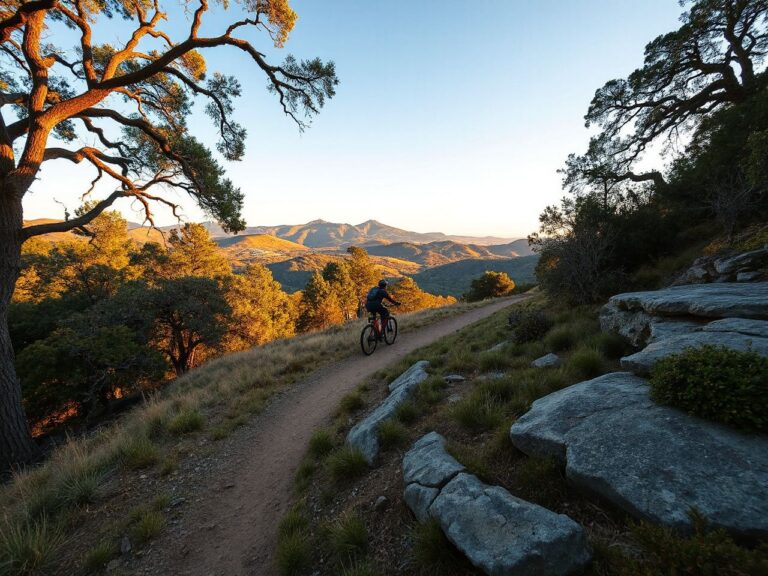
Cyclocross vs Gravel Bike: Top Picks for 2026
Contents
If you’re standing in the shed staring at two very different paths — one muddy and technical, the other long and dusty — you already know the cyclocross vs gravel bike decision isn’t about specs alone. It’s about where you want to suffer. The SAVADECK Carbon Gravel Bike is a complete carbon gravel bike built for distance and rough roads, while the Motobecane Super Road Cyclocross frameset is an aluminum disc-brake frame and fork for riders who want to build a bike for muddy, technical courses.
Here’s the short answer: if your rides are long and mixed-surface, the SAVADECK gravel bike is ready to ride out of the box. If you want a ‘cross race bike and are happy to fit your own wheels and groupset, the Motobecane frameset is the cyclocross-side starting point.
As an Amazon Associate, we earn from qualifying purchases.
CERTAIN CONTENT THAT APPEARS ON THIS SITE COMES FROM AMAZON. THIS CONTENT IS PROVIDED ‘AS IS’ AND IS SUBJECT TO CHANGE OR REMOVAL AT ANY TIME.

Motobecane Super Road Cyclocross Frameset (The ‘Cross Build Base)

Comparison Table
| Product | Best For | Buy Link |
|---|---|---|
| Motobecane Super Road Cyclocross Frameset | Building a cyclocross bike | Check price |
| SAVADECK Carbon Gravel Bike | All-road adventure riding | Check price |
How We Compared Cyclocross and Gravel Bike Options
This comparison looks at how each pick suits real riding conditions, from smooth fire roads to chunky gravel descents. The SAVADECK is weighed on comfort and handling over mixed surfaces, and the Motobecane frameset on what its listing offers a cyclocross build: frame material, fork, brakes and tire room. Every recommendation here is based on the listed specs, the design, and established riding technique.
Motobecane Super Road Cyclocross Frameset (The ‘Cross Build Base)
Here’s the deal: Complete, dedicated cyclocross bikes are rarely sold on Amazon, so the cyclocross side of this comparison is a frameset. Motobecane’s Super Road Cyclocross listing is a quality aluminum frame with a straight-blade steel fork, set up for front and rear disc brakes, with the headset included.
This listing is the 56cm size, which Motobecane says fits most riders from 5’9” to 6’. It is a frame and fork only, so wheels, groupset, brakes, bars and saddle are up to you. That suits riders who want to choose race-legal 33mm ‘cross tires, a tight cassette for flat courses and their own cockpit, and it gives an aluminum frame that can be shouldered over barriers and hosed off after a muddy race.
The listing says the frame fits wide tires but gives no maximum width, and it names the frame for gravel and road use as well as cyclocross. Check the tire clearance against the tires you plan to run before ordering.
Pros:
- Aluminum frame — The durable, easy-to-clean material most ‘cross builds use
- Front and rear disc mounts — Disc braking that works in mud and rain
- Headset included — One less part to source for the build
- Build it your way — Pick ‘cross tires, gearing and cockpit to suit your races
Cons:
- Frame and fork only — Wheels, groupset, brakes and contact points cost extra
- Tire clearance not stated — The listing says wide tires fit but gives no figure
Final Thoughts
Ideal for: Riders who want a cyclocross race bike and are comfortable building one, or who have parts from an older bike to move over. Think twice if: You want to ride this weekend without a build — the SAVADECK below arrives as a complete bike.
SAVADECK Carbon Gravel Bike (The All-Road Machine)
In a nutshell: This is a proper gravel bike built for riders who want to cover serious distance on mixed surfaces without breaking the bank on a premium brand. The T800 carbon frame and fork keep the weight at a claimed 10.4 kg (22.9 lbs) — light enough to feel lively on climbs, stiff enough to track through rough descents.
This bike is built for a 40-mile loop that starts on pavement, turns to hardpack gravel, then degrades into loose stones and a few muddy sections. The Shimano GRX400 groupset is designed to shift cleanly under load, with chain retention meant to hold even on bumpy fire roads. The hydraulic disc brakes (Shimano RX400) are rated for consistent stopping power in wet conditions, including an unexpected downpour. What stands out most is the frame’s vibration damping: the T800 carbon is engineered to soak up chatter without feeling dead. The internal cable routing keeps the cockpit clean and noise-free. One honest drawback: the stock tires are on the narrow side, which tends to feel skittish on loose-over-hardpack corners — a wider tire is the better choice for serious off-road use.
The bike is built for mixed-terrain riding, including all-day adventures, with little maintenance beyond routine chain lube. The geometry is noticeably more relaxed than a cyclocross bike — longer wheelbase, lower bottom bracket — which makes it stable on descents but less snappy for tight, technical turns. Compared to the frameset above, this bike embodies the gravel philosophy: go far, go comfortable, go anywhere. It’s not built for race-day barriers or muddy sprints.
Pros:
- Ultra-light T800 carbon frame — 10.4 kg feels responsive on climbs and stable on descents
- Shimano GRX400 groupset — Reliable shifting under load, no dropped chains on rough terrain
- Hydraulic disc brakes — Consistent wet-weather stopping power with Shimano RX400 calipers
- Internal cable routing — Clean look, no cable slap noise on bumpy roads
Cons:
- Stock tires feel limited — Skittish on loose-over-hardpack; budget for wider rubber
- Not for tight technical turns — Relaxed geometry sacrifices agility for stability
Our Take
Great match for: Gravel riders who want a lightweight carbon bike for long-distance mixed-terrain adventures, weekend bikepacking, or fast group rides on dirt. Pass on this if: You’re a competitive cyclocross racer who needs quick handling for tight corners and barrier hops — you want a dedicated ‘cross frame.
How to Choose Between a Cyclocross and Gravel Bike
Cyclocross vs Gravel Bike: What’s the Real Difference?
The simplest way to decide: look at your local terrain. If your rides include grass, mud, sand pits, and barriers you have to jump over, you want a cyclocross bike. It has a shorter wheelbase, higher bottom bracket, and snappier handling for tight, technical courses. If your rides are long — 40, 60, even 100 miles — on fire roads, gravel paths, and pavement linking them together, a gravel bike’s relaxed geometry and lower gearing will save your legs and your back. Over a 4-hour ride, the difference in comfort between the two is significant.
Frame Material and Weight
Cyclocross bikes often use aluminum or lower-grade carbon because they’re built for abuse — you’re shouldering them over barriers and crashing into mud. Gravel bikes like the SAVADECK use higher-grade T800 carbon to save weight and dampen vibration over long distances. If you’re lifting your bike over obstacles, weight matters less than durability. If you’re pedaling for hours, light weight and comfort win.
Groupset and Brakes
Both disciplines now favor hydraulic disc brakes — they work in mud and rain better than rim brakes. But gravel bikes typically spec wider gear ranges (like the GRX400’s 46/30 crankset with an 11-34 cassette) to handle steep, loose climbs. Cyclocross bikes often run tighter ratios for higher speeds on flat courses. Think about whether you’ll be grinding up dirt climbs or sprinting across grass fields.
Tire Clearance
This is the biggest practical difference. Most gravel bikes clear 45mm to 50mm tires. Cyclocross bikes top out around 33mm (UCI legal limit for racing). If you want to float over sand or loose gravel, wider tires are a game-changer — and a gravel bike lets you run them. The SAVADECK has generous clearance for 45mm+ tires, a worthwhile swap for loose surfaces.
Frequently Asked Questions
What’s the difference between a cx vs gravel bike for long-distance riding?
A cyclocross (CX) bike has a shorter wheelbase, steeper head tube angle, and higher bottom bracket — great for tight turns and lifting over barriers, but harsh on long gravel rides. A gravel bike has a longer wheelbase, slacker angles, and lower gearing, making it far more comfortable for all-day adventures. For any ride over 3 hours on mixed surfaces, a gravel bike wins every time.
Can I use a gravel bike for cyclocross racing?
Technically yes, but you’ll be at a disadvantage. Gravel bikes have a longer wheelbase that makes tight corners sluggish, and the lower bottom bracket can cause pedal strikes on rough terrain. Most cyclocross races also limit tire width to 33mm, while gravel bikes excel with wider rubber. If you’re racing ‘cross, buy a dedicated CX bike — or at least swap your tires.
Which is more beginner-friendly: cyclocross or gravel?
Gravel bikes are significantly more beginner-friendly. The relaxed geometry is more stable, the wider tires forgive poor line choices, and the lower gearing helps on steep climbs. Cyclocross bikes demand more skill to handle on loose terrain and are less comfortable for long rides. If you’re new to off-road riding, start with a gravel bike.
Our Final Recommendation
For most riders, the SAVADECK Carbon Gravel Bike is the better purchase — it’s a complete bike with a T800 carbon frame, Shimano GRX400 shifting and hydraulic disc brakes, ready for the kind of long, exploratory rides that define modern gravel cycling. If you’re a dedicated racer who lives for muddy Sundays and barrier sprints, the Motobecane Super Road Cyclocross Frameset is the base for a ‘cross build: an aluminum disc-brake frame and fork you can kit out with race-legal tires and tight gearing.