Wool Socks Women: How They Work and What to Look For
Contents
A wool sock can feel warm in the shop but become uncomfortable inside a tight-fitting shoe. A thin pair can lose its shape after careless washing. Measure the wool content and sock construction. Fiber type affects moisture handling and warmth. Knitting, cushioning, seams, stretch fibers, and fit determine comfort in a specific shoe. Women’s sizing should be treated as a starting label, not a guarantee of fit. Pay attention to heel placement, toe room, cuff pressure, and how sock thickness interacts with footwear. That’s the practical way to choose wool socks for women.
Key Takeaways
- Wool manages moisture vapor differently from cotton, but saturated socks still need drying.
- Construction, thickness, seams, cushioning, and cuff pressure control comfort as much as fiber content.
- Women’s labels do not guarantee a particular heel, ankle, calf, or toe shape.
- Gentle wool washing protects shape, stretch fibers, and the surface from felting.
Why wool socks for women work differently from other fibers
Wool, cotton, and synthetic fibers handle moisture in different ways
Wool can absorb moisture vapor and stay relatively comfortable when damp. This can matter inside a boot or walking shoe, where warmth and dampness often go together. Saturated socks are a different issue. A wet textile can increase friction and chill the foot. Damp wool still needs to be removed and dried.
Cotton is familiar because it feels soft and simple against the skin. Its behavior depends a lot on how much moisture it has absorbed and how slowly it dries inside the shoe. Polyester and nylon are common in moisture-wicking fabrics and blends that add structure or wear resistance. Acrylic can mimic some of wool’s softness and warmth. But the label alone can’t tell you how a sock will fit or handle sweat.
Wool fiber type matters. Merino wool is usually finer and softer than coarser sheep wool. Coarser grades can resist pilling better and might feel less gentle against sensitive skin. Garments are made from wool finer than 25 microns, while coarser grades are used for outerwear or rugs. Fineness is useful info but only one part of a sock’s construction.
Wool can absorb moisture vapor and help a sock remain comparatively comfortable when damp, but a saturated sock can still cause friction or chill.
Why the knit matters as much as the fiber
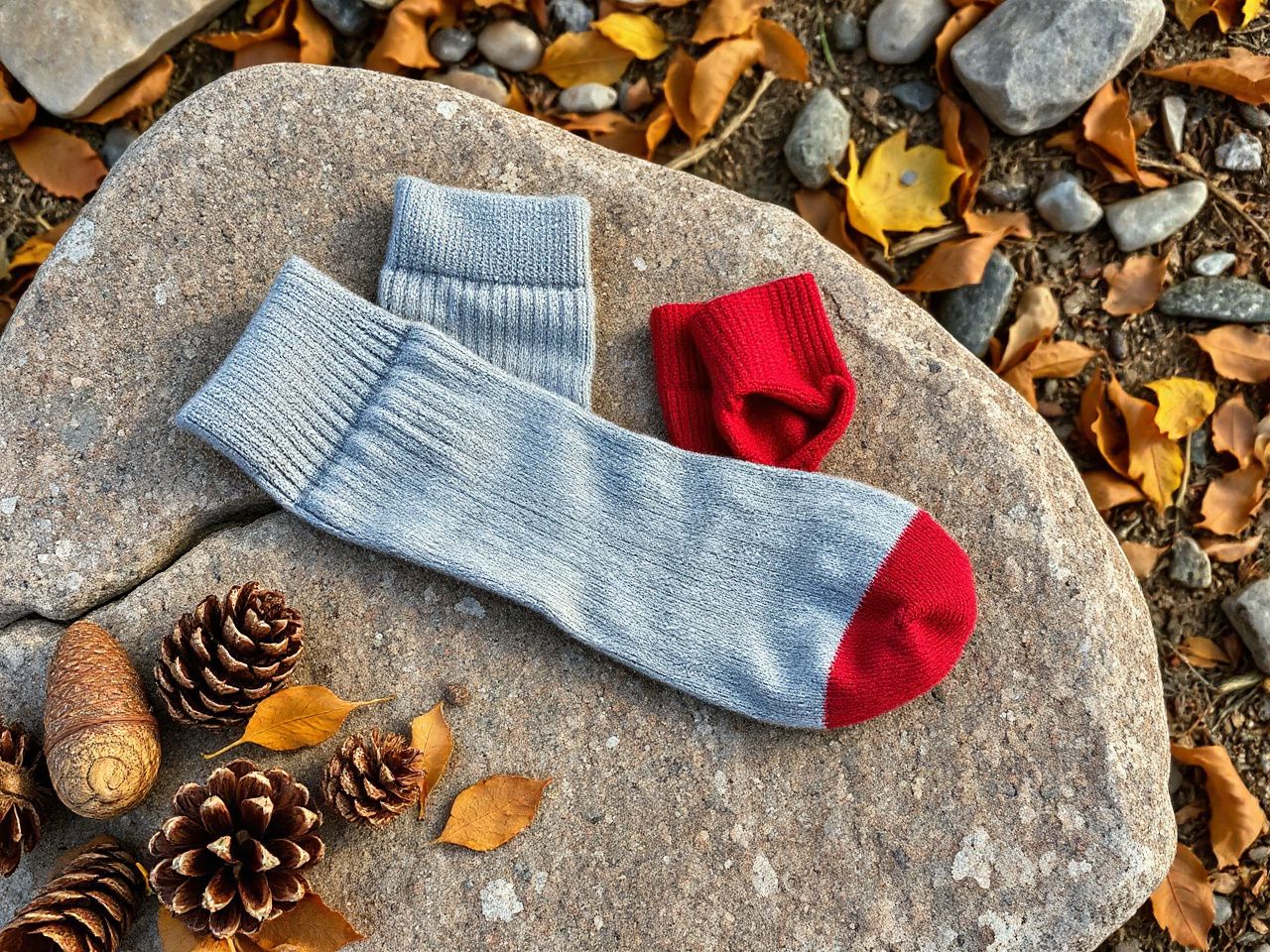
A sock made with wool and a sock containing wool aren’t automatically interchangeable. Terry-knit cushioning changes the amount of material under the foot and around impact areas. That extra thickness may feel useful in a roomy hiking boot, but it can crowd a close-fitting trainer and cause rubbing or numbness.
Flat toe seams reduce the chance of a hard ridge pressing against the toes. But a flat seam can still feel wrong if the toe box is too short or the sock twists. Rib-knit cuffs help a sock stay in place. Cuff pressure varies with the knit, stretch fibers, and the shape of the ankle or calf. Nylon, polyester, and elastane may be added to support shape retention and stretch. Still, check the fit, because the blend alone doesn’t guarantee it.
For riding, construction matters more than a polished look. A sock that sits smoothly beneath a boot cuff is more useful than one that looks good but might not stay in place. Check the heel pocket, toe seam, cushioning zones, and cuff before judging fiber content alone.
How wool differs by use
Everyday wear usually calls for a thickness that leaves enough room in the shoe for the toes to move without pressure. Exercise increases the importance of moisture handling and a stable heel. Hiking adds the question of cushioning against a boot’s interior. Sleeping brings a different fit issue: a loose, non-bunching cuff may matter more than dense underfoot padding.
Cold-weather layering changes things. A thin wool sock under a roomier outer layer might work better than a thick sock forced into footwear that already fits closely. Measure the sock thickness against your shoes carefully. For more details about how sock thickness interacts with women’s footwear, see the guide to choosing walking shoes for women.
How to judge the fit of women’s wool socks
Start with the foot, not the label
Women’s labeling doesn’t guarantee a specific fit because heel width, ankle shape, calf size, and foot proportions can vary a lot. A women’s size range can be a helpful starting point, but it can’t promise that the heel will land correctly or that the cuff will feel comfortable. Always check the fit based on your actual foot shape.
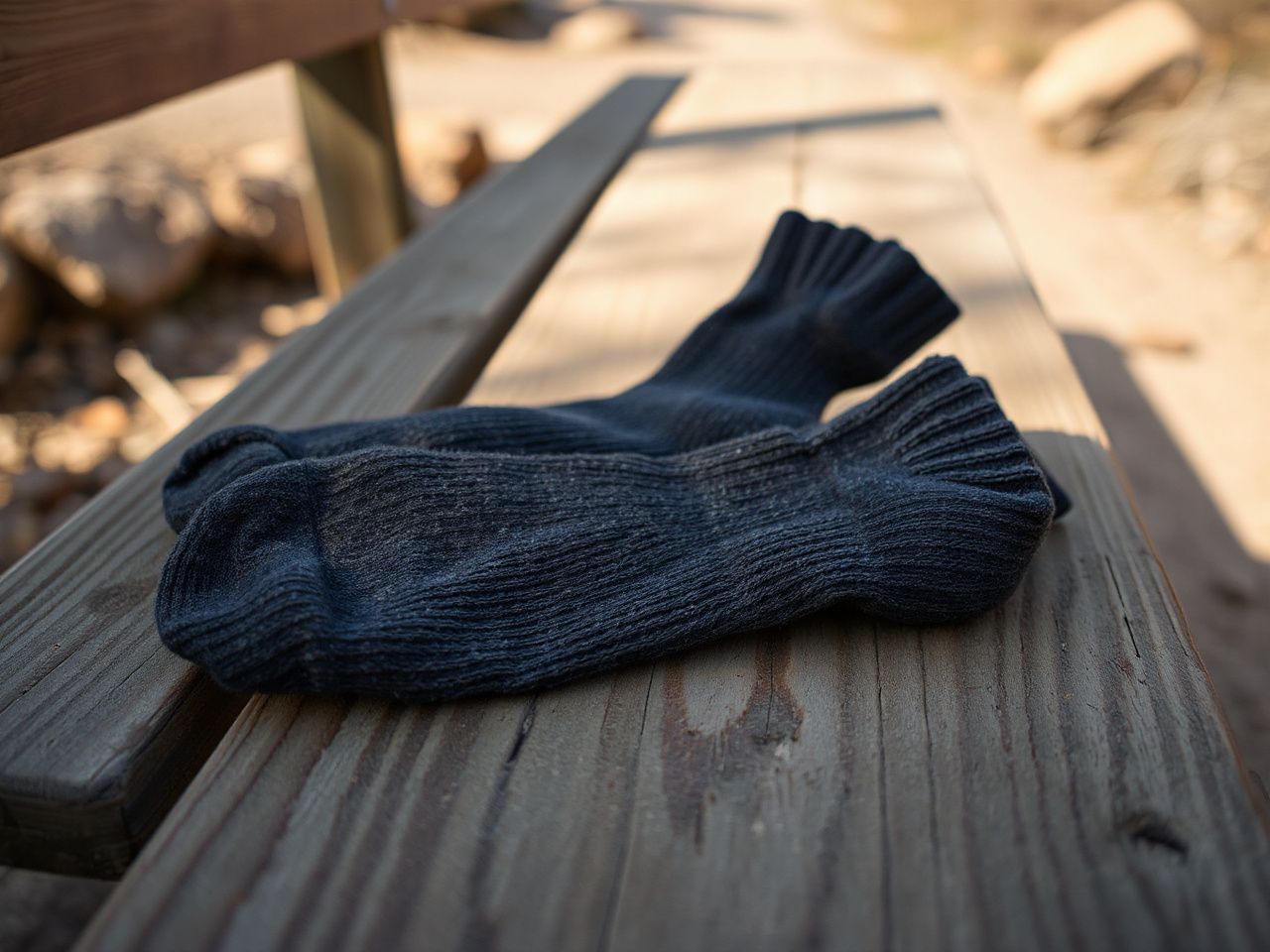
Put the sock on without pulling hard at the cuff. The heel pocket should sit under the heel, not creep toward the arch or ankle. The toe area should lie flat, with enough room for the toes to rest naturally. Excess fabric folded over the toes can cause pressure points inside a boot.
- Heel placement: Check that the shaped heel stays beneath the heel during normal walking rather than sliding upward.
- Toe room: Look for a smooth toe surface without bunching, twisting, or a seam pressing into one toe.
- Cuff pressure: The cuff should hold the sock in place without leaving an uncomfortable tight band.
- Ankle and calf shape: A sock marked for women may still feel too loose at the ankle or too firm around the calf.
- Shoe interaction: Test the sock with the footwear you will actually use, because thickness changes the available space.
A women’s sock label is a sizing guide, not a guarantee of heel, ankle, calf, or toe fit.
Women’s socks versus unisex socks
Women’s and unisex labels might describe different grading choices, but they don’t reveal every proportion that matters. A unisex sock may fit a particular foot better if its heel placement, stretch, cuff, or toe shape matches that foot. A women’s sock might be a poor fit if its cuff presses or the heel pocket lands in the wrong spot.
Foot shape should guide the final choice. Compare the sock’s size range with the actual placement of the heel, how much stretch there is across the forefoot, and how the cuff feels after wearing the sock with shoes. A sock that shifts causes friction, even if the printed size looks correct.
Thickness, cushioning, and footwear space
Sock thickness impacts shoe fit right away. A thicker wool sock can cause rubbing or numbness in footwear that previously fit well, especially if terry-knit cushioning adds material beneath the foot. Tight shoes can also press the toes together and make seams or folds more noticeable.
Start with the shoe when choosing sock thickness. Everyday shoes often need a smoother, less padded sock. Hiking shoes might leave room for cushioning, but motorcycle boots need careful attention to boot volume, toe movement, and pressure from the shaft. A sock should not force the foot into a tighter position just because it’s warm.
Choosing wool socks by activity and conditions
Everyday wear
For daily use, balance softness, thickness, and easy care. A smooth knit with modest cushioning can fit a wider range of shoes than a heavily padded hiking construction. Merino wool may be more comfortable against sensitive skin than coarser wool because finer fibers tend to feel softer. Still, personal sensitivity matters.
Look for a heel that stays in place and a toe seam that does not press against the foot. If you wear the sock for a long time, check it after removal for dampness, bunching, or an unpleasant smell. Socks can develop an odor over extended wear, so airing and washing are normal parts of care, not signs of fiber failure.
Exercise and walking
Exercise causes more movement inside the shoe, making heel stability and a smooth interior important. A sock that slides can cause friction, while one that’s too thick can make the shoe press against the foot. Wool manages moisture vapor, but it can’t dry a saturated sock while it’s still trapped inside a shoe.
For walking, match cushioning to the shoe’s available space. A flat toe seam can reduce seam pressure, but it will not correct an undersized toe box. The complete guide to wool socks for men also explains how construction and footwear fit matter beyond the gender label, which is useful when comparing unisex sizing.
Hiking and motorcycle riding
Hiking and riding put socks through longer pressure, movement, and weather changes. Check the heel pocket, toe seam, sole cushioning, and cuff where the sock contacts the boot. The sock should stay smooth after fastening, with no fold under the toes or ridge at the ankle.
Rain and sweat create a practical limit for every wool sock. Wool may remain comparatively comfortable while damp, but a saturated pair still needs drying. Carrying a wet pair into the next part of a trip can increase friction and chill, particularly if the boot itself is not dry.
Waterproofing is part of the footwear system, not just the sock. A waterproof boot may keep water out, but sweat still affects the sock. Check the boot’s care instructions separately, and don’t treat a wool sock as a substitute for dry footwear or proper cold-weather layers.
Sleeping and home use
Sleep socks need different comfort. A cuff that’s fine during walking might become distracting when the ankle is still, and thick cushioning can cause unwanted heat. Pick a construction that lies flat and doesn’t twist around the toes.
Non-slip socks can incorporate grip-enhancing elements such as a rubber tread to reduce slipping on smooth floors. For general consumer product safety information, the U.S. Consumer Product Safety Commission provides public guidance about consumer products and household hazards. Inspect the tread and fabric according to the care label, since washing can affect the sock’s shape and the condition of added grip elements.
Why wool socks pill, shrink, stretch, or develop holes
Felting and shrinkage
Heat and agitation are the main risks to watch for. When wool is mechanically agitated, tiny barbs on fibers can interlock and felt. Wet or damp wool is especially vulnerable to temperature shocks that can speed this process.
Felting changes the fabric’s surface and shape. A sock might become smaller, denser, or less flexible after unsuitable washing, which can make it feel tight even if the foot hasn’t changed. Standard laundry detergents meant for cellulose-based fabrics may contain protein-digesting enzymes that can damage wool. Use a detergent made specifically for wool and always follow the care label.
Some superwash wool gets treated to make it suitable for machine washing and tumble-drying. That doesn’t mean every wool sock can be treated the same way. Read the specific washing and drying instructions on the sock because the blend and treatment influence what the fabric can handle.
Pilling and surface wear
Pilling happens when loose fibers form small balls on the surface after rubbing. Coarser wool grades usually resist pilling better, while finer wool tends to be softer. A soft sock might need more careful handling, even when its fiber feels pleasant.
Friction from a rough boot interior, a tight shoe, or repeated rubbing against another layer can cause more surface wear. Turning socks inside out for washing may lessen direct surface abrasion. Only do this if the care instructions allow it. Don’t pull pills off aggressively, because rough removal can damage the knit.
Stretch loss and holes
Elastane and other stretch fibers help a sock keep its shape. But high heat can damage stretch fibers used in sock construction. Repeatedly forcing a sock over your foot or pulling hard on the cuff can strain the knit and change how it fits.
Holes usually start where friction and tension meet, like the toe, heel, or ball of the foot. Check footwear for rough interior areas and inspect toenails before blaming the wool. A well-made sock still needs a compatible shoe, right thickness, and proper fit.
Washing, drying, and storing wool socks
Read the care label first
Washing instructions are part of the sock’s useful information, not an afterthought. Check whether the label allows machine washing, hand washing, tumble-drying, or line drying. Superwash wool might be suitable for machine washing and tumble-drying because of its treatment, but untreated or differently blended wool may need gentler handling.
Use a detergent meant for wool when the care instructions specify it. Standard detergents for cellulose-based fabrics can contain protein-digesting enzymes that aren’t good for wool fibers. Don’t assume a mild-looking general detergent is fine just because the sock feels durable.
Control agitation and temperature change
Agitation causes the microscopic barbs on wool fibers to interlock. Sudden temperature changes while the fabric is wet or damp can make felting worse. Keep washing and rinsing conditions consistent with the label, and handle wet socks gently instead of twisting or hammering them.
High heat can harm elastane and other stretch fibers, even if the wool looks fine. The sock may lose its stretch and no longer stay in place. Don’t use a hotter setting to speed up drying unless the care label specifically says it’s okay.
Dry and store without distorting the shape
After washing, support the sock instead of stretching it by the cuff. Allow the heel and toe to settle into their natural shape before drying. If the label says you can use a dryer, follow that; if not, use the alternative suggested and keep the pair away from heat that’s too hot.
Store clean, fully dry socks without cramming them into a twisted ball. Keeping pairs together makes it easier to see changes in shape, pilling, or holes before wearing them again. Wool washing and storage should be part of caring for the garment, not just a separate chore.
Heat, agitation, and unsuitable detergents can shrink or felt wool, while high heat can damage the stretch fibers that help a sock keep its shape.
Skin comfort, itching, blisters, and overheating
Merino wool and coarse wool
Finer wool usually feels softer than coarse wool. That’s why Merino wool might be better for someone who finds prickly textures uncomfortable. Coarse wool can resist pilling better, but durability doesn’t always mean it’s comfortable on every skin.
Itching can come from how the fiber feels, rough seams, trapped moisture, or pressure from the shoe. Change one factor at a time: check the toe seam, try a sock with finer construction, reduce thickness, or switch shoes. A sock that feels soft in the hand might still irritate once heat, movement, and pressure are involved.
Blisters and dampness
Blister prevention depends on reducing rubbing and managing the sock’s movement inside the shoe. A smooth fit, properly placed heel, and suitable thickness help limit folds. Wool’s moisture handling can support comfort, but saturated wool still creates a damp friction problem.
Overheating can happen if there’s too much cushioning or a shoe with not enough room. It’s better to remove a layer than to force a thick sock into tight footwear. If your foot stays hot or damp, consider the whole setup of sock, shoe, activity, and weather.
Irritation and possible allergy
People sensitive to wool fibers or lanolin need to tell the difference between irritation and a true allergy. Stop using a pair that causes persistent rash, swelling, or breathing issues. Seek proper medical advice especially if symptoms are severe or don’t go away.
Don’t ignore repeated skin reactions as just a sizing issue. You might need a different wool fineness, a blend, or a non-wool choice. Material info can guide your selection, but a healthcare professional is best for diagnosing allergies.
Comparing wool with cotton, acrylic, polyester, and nylon
Fiber comparisons without oversimplifying
Wool’s main distinction is its moisture-vapor handling and warmth even when damp. Cotton may feel soft but can become uncomfortable as moisture builds up. Polyester and nylon are synthetic fibers often used for moisture-wicking fabric, structure, or durability, while acrylic can give a soft, warm hand feel.
No fiber wins every use because construction changes the result. A thin, well-shaped synthetic sock might fit a close shoe better than a thick wool sock. A wool blend may offer a useful balance of warmth and stretch. Cotton socks can be comfortable for short, low-moisture use but less suitable when the foot stays damp for a long time.
Compare the complete label and the actual construction: fiber blend, thickness, cushioning, seam treatment, cuff, and washing instructions. The Merino wool and regular wool comparison guide can help clarify why fineness and construction deserve separate attention.
Is higher care worth it?
Wool’s value depends on how it’s used and the care given. If warmth, damp comfort, and a good fit matter during long walks or cold rides, wool might need more careful washing. If the sock faces rough footwear, wet conditions, or rough laundry, a different blend could be easier to maintain.
Replacement cost cannot be judged from fiber content alone. A pair that fits well and survives proper washing may serve its purpose better than a cheaper pair that shifts, rubs, or loses shape quickly. Evaluate the full care burden, the shoe fit, and the conditions of use rather than treating a higher price as proof of better performance.
Frequently Asked Questions
Do wool socks for women fit differently from unisex socks?
They may use different sizing or grading, but women’s labeling doesn’t guarantee a specific heel width, ankle shape, calf size, or foot proportion. Measure the heel placement, toe room, cuff pressure, and stretch on the actual foot. A unisex sock can fit better if its construction matches the foot, while a women’s sock might feel wrong if its heel or cuff doesn’t line up.
Are Merino wool socks better for sensitive skin?
Merino wool is usually finer than coarser wool, so it may feel softer against sensitive skin. Fineness doesn’t ensure everyone will tolerate it. A rough toe seam, dampness, pressure, or a reaction to wool fibers or lanolin can still cause discomfort. Stop wearing a pair if it causes persistent rash, swelling, or breathing issues, and see a doctor.
How should wool socks be washed and dried?
Follow the care label since wool treatments and blends vary. Heat and agitation can cause felting, and temperature shock when wool is wet or damp can make it worse. Wool-specific detergent might be needed because regular detergents may contain protein-digesting enzymes. High heat can damage elastane and other stretch fibers, so don’t assume tumble-drying is always safe.
Can wool socks cause blisters or overheating?
Any sock can cause blisters if it shifts, bunches, or puts pressure inside the shoe. Wool can absorb moisture vapor, but saturated wool still raises the risk of damp friction and chill. Overheating often comes from too much thickness, cushioning, or a tight shoe. Check the entire sock-and-shoe combo instead of blaming wool alone.
How do wool socks compare with cotton and synthetic socks?
Wool handles moisture vapor and warmth differently from cotton, polyester, nylon, and acrylic, but how it’s made affects the experience. Synthetic fabrics can wick moisture or add structure, cotton often feels soft and familiar, and acrylic can give a warm hand feel. Compare thickness, seams, cushioning, cuff, stretch, and washing instructions along with fiber content.
Wool socks prove their worth through fiber behavior and good construction. Don’t focus only on how they look on day one. Check the heel, toe seam, cuff, cushioning, moisture condition, boot space, and washing instructions. Those details determine if the pair stays comfortable through everyday wear, exercise, rain, and long miles.