White Shoes Non Slip: Complete Guide to Safer Steps
Contents
You pull on your favorite white shoes, step out the door, and the second your foot hits a damp patch of concrete, you feel that sickening slide. Your arms flail, your heart jumps, and you catch yourself just before you hit the ground. That moment of lost traction is more than an annoyance—it’s a real safety risk. Whether you’re walking a city sidewalk, navigating a slick restaurant kitchen, or riding a motorcycle through a rainy stretch of highway, having white shoes that offer reliable non-slip grip makes the difference between a confident stride and a painful fall.
On two wheels, crossing everything from rain-slicked asphalt to loose gravel, your feet are the last point of contact with the road. A non-certified helmet makes the same point about gear in general: it can look great and fit well and still be finished, because the expanded polystyrene inside degrades under UV exposure and sweat long before the shell shows any sign of it. Have an older lid impact-tested at a safety clinic and that is the damage that turns up. The lesson holds: gear that looks good but fails when you need it is no gear at all. The same principle applies to your footwear. A pair of white shoes might look clean and sharp, but if the sole can’t hold its ground, they’re a hazard.
This guide covers everything you need to know about choosing, maintaining, and using white shoes that stay non-slip. We’ll look at the materials that provide real traction, how to test grip before you buy, and how to keep your soles effective even after months of wear. Whether you’re a traveler, a healthcare worker, or a rider who needs stable footing at every stop, you’ll find practical advice grounded in real-world use.
Key Takeaways
- Non-slip white shoes rely on rubber compound and tread pattern, not just color or style.
- Wet surfaces, oil, and smooth floors are the top three traction killers—choose soles designed for those conditions.
- Regular cleaning and sole inspection extend the life of non-slip properties, especially on white shoes that show wear.
- Your footwear is your connection to the ground; treat it with the same care as your helmet or tires.
Why White Shoes Lose Traction—and How to Fix It
White shoes look clean, but they often come with trade-offs. Many manufacturers prioritize aesthetics over function, using smooth, hard rubber that looks pristine but offers little grip on wet or oily surfaces. The white color itself doesn’t affect traction, but the materials used to achieve that bright finish sometimes reduce the rubber’s natural stickiness.
The Physics of Slipping
Traction comes from friction between your sole and the ground. When water, oil, or dust gets between the two, it creates a thin layer that reduces contact. A non-slip sole uses two things to fight this: a soft rubber compound that conforms to microscopic bumps in the surface, and a tread pattern that channels liquids away from the contact patch. If your white shoes have a hard, shiny sole with shallow tread, they will slip on any smooth, wet floor.
Common Mistakes That Ruin Grip
One of the biggest errors people make is assuming that any shoe labeled “non-slip” actually delivers. Many brands use the term loosely. Another mistake is wearing down the tread until it’s flat. Even the best non-slip sole becomes a hazard once the pattern wears smooth.
How to Choose White Shoes That Stay Non-Slip
Selecting the right pair starts with understanding where and how you’ll use them. A server in a busy kitchen needs different traction than a hiker on a muddy trail. For travelers and riders, versatility matters because you encounter everything from rain-soaked pavement to polished tile.
Look at the Tread Pattern
The best non-slip soles have deep, multidirectional grooves that push water, oil, and dirt out from under your foot. Look for patterns with channels that run in multiple directions, not just straight lines. A herringbone or chevron pattern works well on wet and oily surfaces. Avoid flat, smooth soles that offer no evacuation path for liquids.
Check the Rubber Compound
Not all rubber is created equal. Look for soles made from natural rubber or high-quality synthetic compounds that stay flexible in cold weather. Some brands use a special oil-resistant rubber for kitchen environments. If you ride, consider that your shoes will also contact hot pavement and possibly fuel spills—both of which can degrade cheap rubber.
Test Before You Commit
If possible, try the shoes on a wet tile floor in the store. Walk normally, then try a quick pivot. If you feel any slip, move on. Many retailers now have test surfaces. If you’re buying online, read reviews that specifically mention traction on wet or oily floors—look for the words “grip,” “traction,” or “no slip” from verified purchasers.
Maintaining Non-Slip Grip on White Shoes
White shoes show dirt and wear faster than dark ones, and that buildup can ruin your traction. Mud, grease, and grime fill in the tread grooves, turning a non-slip sole into a smooth, slippery surface. Regular cleaning is essential.
Clean the Soles After Every Few Wears
Use a stiff brush and warm, soapy water to scrub the tread. Pay special attention to the grooves. For stubborn oil or grease, a little dish soap works well. Rinse thoroughly and let them dry completely before wearing. I clean my boots after every long ride, especially if I’ve walked through muddy parking lots or gas stations.
Inspect Tread Depth Monthly
Place a penny in the tread groove. If you can see the top of Lincoln’s head, the tread is too shallow for reliable non-slip performance. At that point, it’s time to replace the shoes or have a cobbler add a new sole. For riders, worn soles are dangerous because you need stable footing when you put your foot down at a stop.
Avoid Harsh Chemicals
Bleach and strong solvents can harden rubber, reducing its grip. If you need to whiten your shoes, use a gentle cleaner designed for white rubber. Baking soda and water paste works well without damaging the sole compound.
Non-Slip White Shoes for Different Environments
Your specific activity determines what kind of non-slip sole you need. Here’s how to match your shoes to your environment.
For Wet Pavement and Rain
Look for soles with wide, deep channels that can move large amounts of water. A siped sole—one with many small slits—also helps by creating extra edges that bite into wet surfaces. If you ride, consider shoes with a rubber compound that stays soft in cold rain. Hard rubber becomes slick when temperatures drop below 50°F.
For Oily Kitchen Floors
Kitchen environments require oil-resistant rubber. Standard non-slip soles may work on water but fail on grease. Look for soles marked “oil-resistant” or “slip-resistant” that meet ASTM F2913 standards. These soles use a special compound that doesn’t break down when exposed to cooking oils.
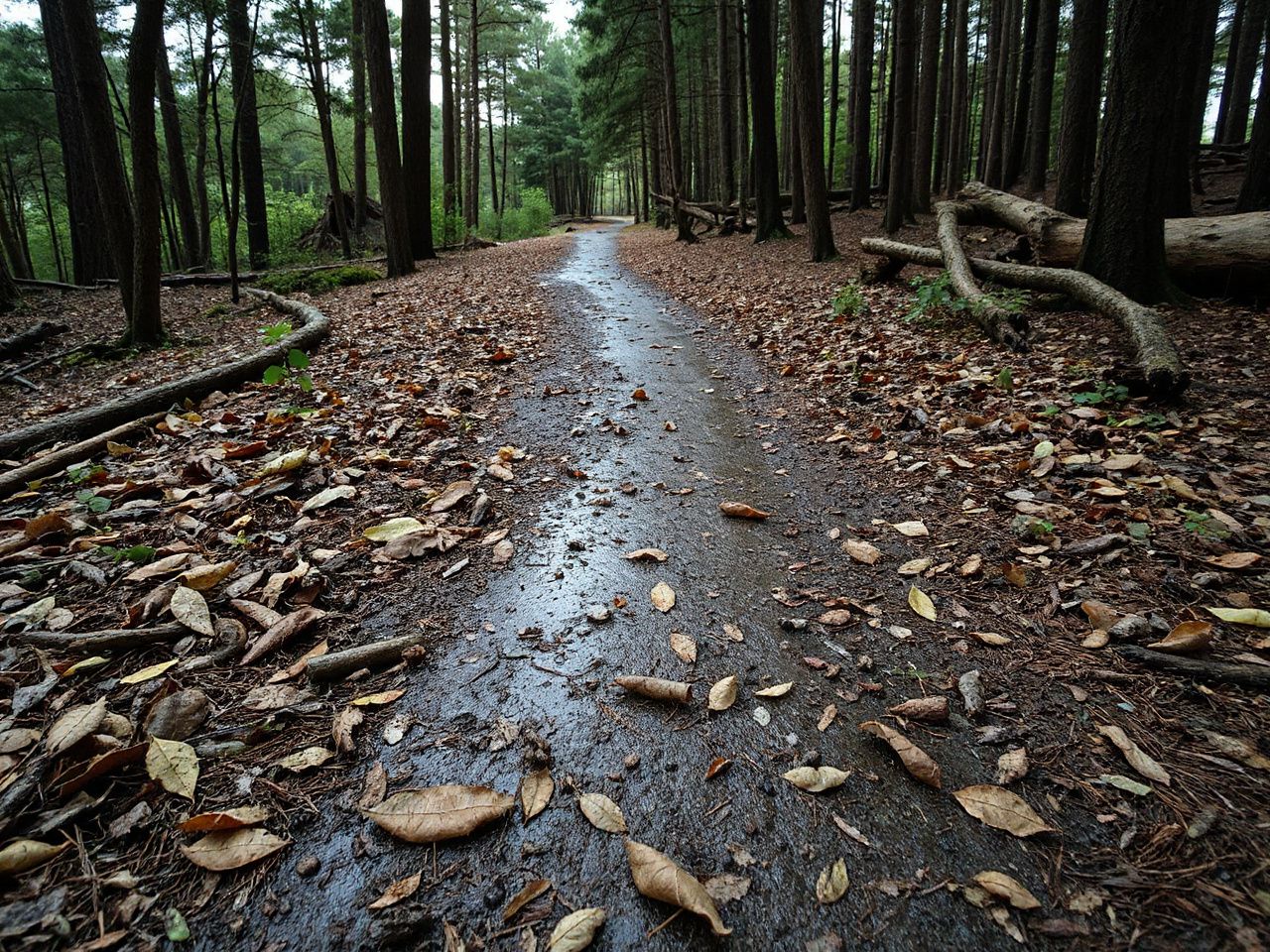
For Trail and Gravel
On loose surfaces, you need a lugged sole with deep, widely spaced tread that can dig into dirt and grip rocks. White trail shoes exist, but they get dirty fast. Focus on function over color. A good trail sole will have lugs at least 4mm deep and a heel brake for descending steep sections.
How to Test Your Shoes for Non-Slip Performance
You don’t need a lab to check if your white shoes still offer good traction. Here are three simple tests you can do at home.
- Wet Tile Test: Find a smooth tile or linoleum floor. Wet it with a spray bottle. Walk normally, then try a quick turn. If you feel any sliding, your soles need cleaning or replacement.
- Incline Test: Stand on a gentle slope (like a driveway) with wet shoes. If you start to slide, your grip is compromised.
- Fingernail Test: Press your thumbnail into the sole. If it feels hard and doesn’t dent, the rubber has hardened and lost its grip. Soft, pliable rubber grips better.
If you’re looking for more detailed comparisons on footwear types, check out our guide on PCT Shoes Explained: A Complete Guide for 2026 for insights on long-distance hiking footwear. For those debating between different shoe styles, our article on Trail Running Shoes vs Road Running Shoes: Top Picks breaks down traction differences for varied surfaces.
Frequently Asked Questions
Can I make my white shoes non-slip if they aren’t already?
Yes, but only to a limited extent. You can apply a rubber sole grip spray or stick-on traction pads to the bottom of your shoes. These add a thin layer of grippy material that improves traction on smooth surfaces. However, they wear down over time and need replacement. This is a temporary fix, not a permanent solution. For long-term safety, buy shoes designed with non-slip soles from the start.
How often should I replace white shoes that I use for non-slip purposes?
Replace them when the tread depth drops below 2mm, or when the rubber feels hard and shiny. For daily use in a kitchen or hospital, that might be every 4 to 6 months. For occasional use, once a year is typical. Inspect your soles monthly. If you ride a motorcycle, replace your shoes at the first sign of tread wear—your footing at stops is critical.
Do white non-slip shoes work on ice?
Standard non-slip rubber soles are not designed for ice. They provide better traction than smooth soles on wet surfaces, but on ice, you need specialized materials like micro-spikes or studs. For icy conditions, look for shoes with a winter compound that stays flexible in freezing temperatures, or add removable traction cleats. Never rely on standard non-slip soles on ice—they will still slip.