PCT Shoes Explained: A Complete Guide for 2026
Contents
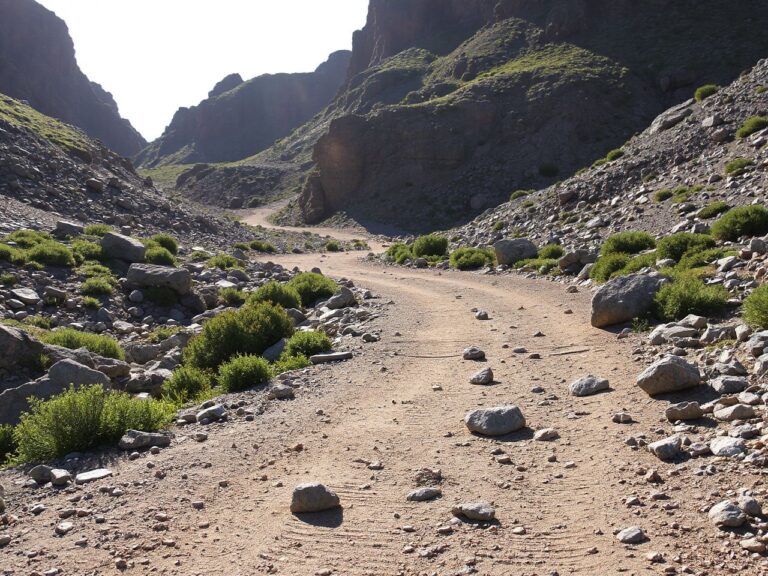
What makes a pair of boots worthy of the Pacific Crest Trail—and your motorcycle trip? Most riders pack heavy leather touring boots or flimsy sneakers. Neither works well when you’re spending days hiking into remote canyons after parking your bike. I learned this the hard way: my first ‘waterproof’ jacket soaked through completely in a North Carolina downpour after about 45 minutes. I learned the difference between water-resistant and genuinely waterproof membranes the hard way, shivering through three hours of mountain riding. That lesson taught me to think carefully about every piece of gear, especially footwear that has to do double duty on and off the bike. PCT shoes are designed for exactly this kind of versatility—light enough to hike all day, tough enough to handle trail riding, and built with materials that won’t fall apart after a season of mixed use.
Key Takeaways
- PCT shoes prioritize lightweight construction and breathability for long-distance hiking, but they also need reinforced soles and ankle support for motorcycle use.
- Choosing the right pair means balancing trail comfort with riding safety—look for oil-resistant rubber soles and sturdy toe boxes.
- Environmental riding advocates recommend shoes made with recycled materials or from brands that support trail conservation.
- Proper fit is critical: a half-size larger than your street shoe allows for foot swelling on long days and thicker socks in cold weather.
What Are PCT Shoes and Why Do They Matter for Motorcycle Travel?
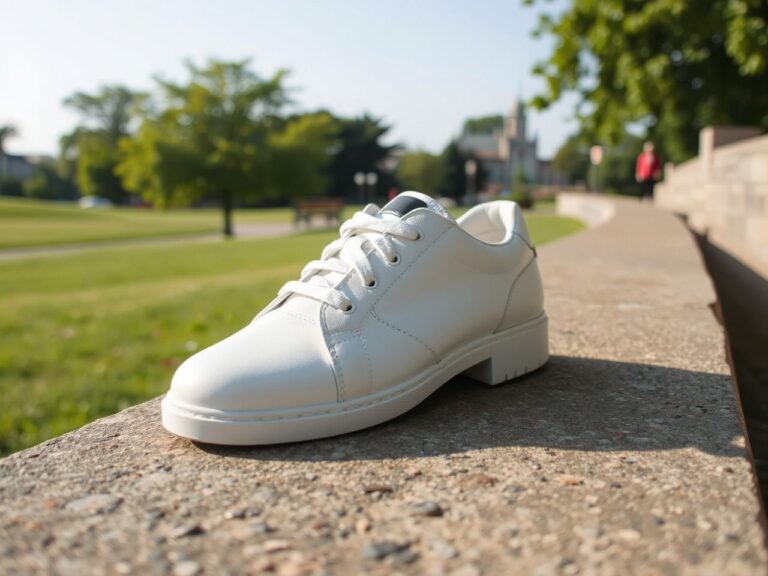
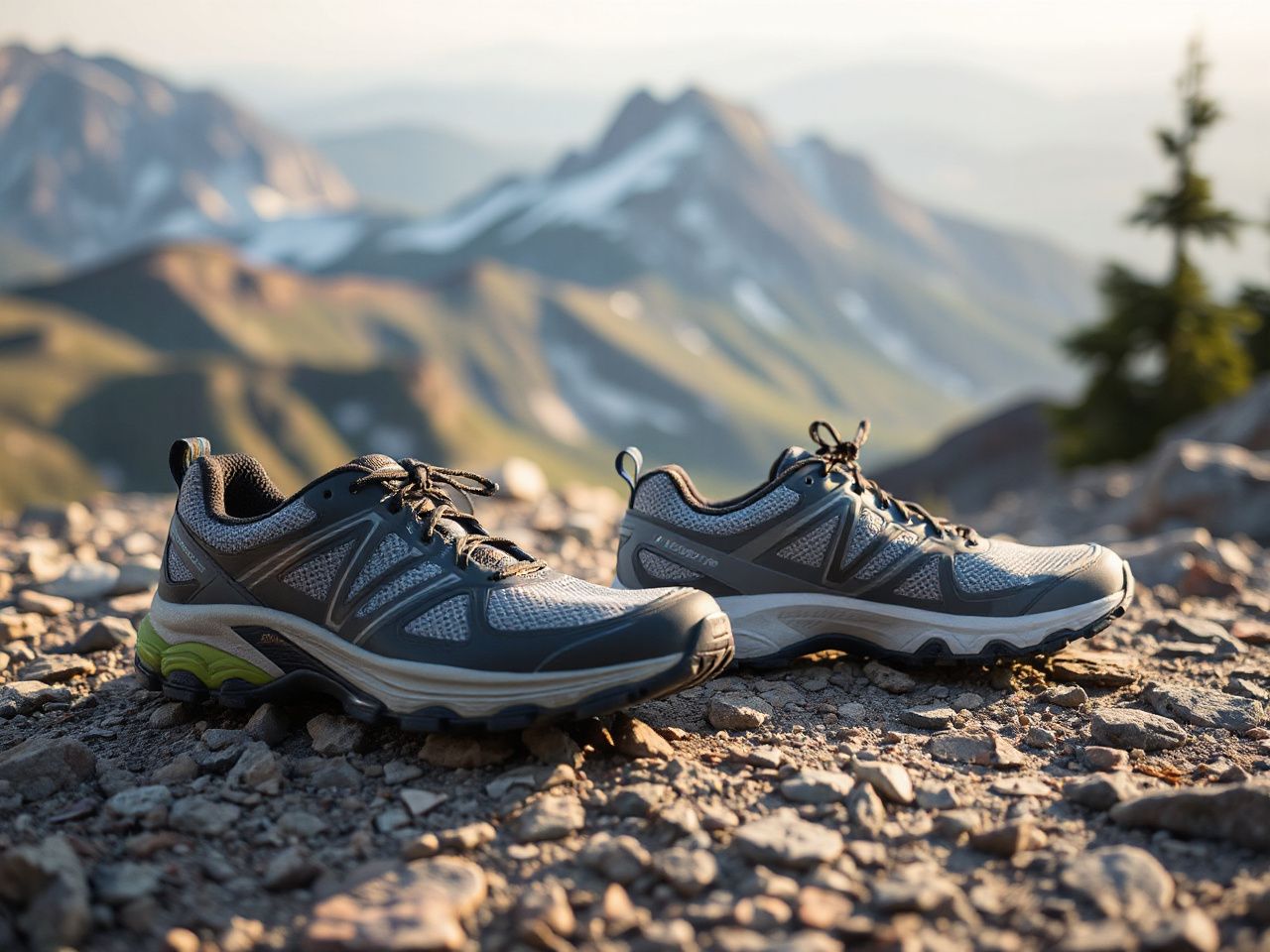
PCT shoes aren’t a specific brand or model—they’re a category of footwear designed for long-distance hiking on trails like the Pacific Crest Trail. The name has become shorthand for any lightweight, breathable, durable trail shoe that can handle varied terrain over many miles. For motorcycle travelers who also hike, these shoes fill a gap that traditional riding boots leave open.
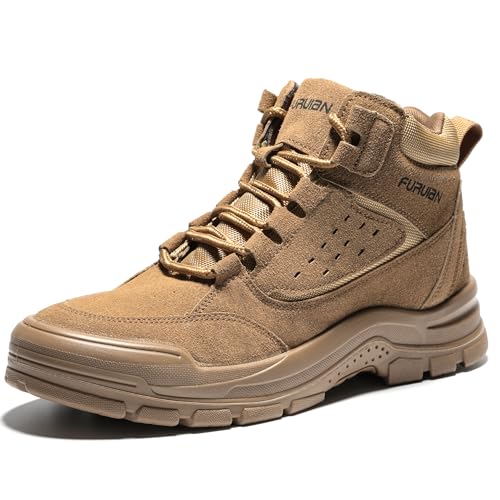
Standard motorcycle boots are heavy, stiff, and hot for walking. Hiking boots often lack the ankle protection and abrasion resistance needed for riding. PCT shoes split the difference. They typically feature a low-to-mid height collar for ankle mobility, a sticky rubber outsole for grip on loose dirt and rock, and a reinforced toe and heel for protection against shifting weight on the pegs.
PCT-style shoes are designed to let you ride twisty fire roads in the morning, then hike five miles to a remote lake in the afternoon without changing footwear. That kind of versatility matters when you’re trying to travel light and leave minimal impact on the places you visit.
Key Features That Define PCT Shoes
- Weight: Most PCT shoes weigh between 10 and 14 ounces per shoe. Compare that to typical adventure boots at 3 to 5 pounds per pair.
- Breathability: Mesh uppers and moisture-wicking liners keep feet cool during long hikes. Some models use Gore-Tex or similar membranes for waterproofing.
- Outsole: Vibram or similar rubber compounds with deep lugs for traction on loose surfaces. Oil-resistant compounds help prevent slipping on wet pegs.
- Midsole: EVA foam or polyurethane for shock absorption. Some brands add rock plates to protect against sharp trail debris.
- Toe Cap: Rubber or TPU reinforcement to protect toes from rocks and trail hazards.
How to Choose PCT Shoes for Motorcycle Travel: A Step-by-Step Guide
Picking the right pair requires thinking about both riding and hiking needs. Follow these steps to narrow down your options.
Step 1: Assess Your Riding Style and Terrain
If you ride mostly paved roads with short hikes, you can choose lighter shoes with less ankle support. For off-road riding or technical trails, look for shoes with a stiffer sole and a higher collar. The stiffness helps prevent foot fatigue on long days of standing on pegs over rough terrain.
Consider the climate too. In dry, hot conditions, breathable mesh shoes work well. In wet or cold environments, a waterproof membrane like Gore-Tex is worth the slight weight penalty. Just remember that waterproof shoes take longer to dry out if they get soaked from the inside.
Step 2: Check the Sole Construction
The outsole needs to grip both trail surfaces and motorcycle footpegs. Look for rubber compounds rated for oil resistance—this is often marked as “oil-resistant” or “non-marking” on the sole. Deep lugs (4–6 mm) provide traction on loose dirt and gravel but can feel slippery on smooth pavement or wet metal.
Some PCT shoes use a rock plate—a thin layer of plastic or carbon fiber embedded in the midsole. This protects your feet from sharp rocks and trail debris during hikes, and it also adds stiffness for riding. If you plan to carry a loaded motorcycle over rough trails, a rock plate is a smart addition.
Step 3: Evaluate Ankle Support and Protection
Low-cut PCT shoes offer maximum mobility for hiking but minimal ankle protection in a crash. Mid-height shoes (about 4–5 inches above the heel) provide a good balance. They support your ankles on uneven terrain without restricting movement for walking.
For riding, you want enough structure around the ankle to prevent rolling during a low-speed tip-over. Some PCT shoes include a reinforced heel counter and ankle padding. These features add weight but significantly improve safety.
Step 4: Consider Environmental Impact
Environmental riding advocates look for shoes made with recycled materials or from companies that support trail conservation. Several brands now use recycled polyester in their uppers and recycled rubber in their outsoles. Others partner with organizations like the Pacific Crest Trail Association to maintain trails.
Choosing durable shoes also reduces waste. A well-made pair of PCT shoes should last 500–800 miles of hiking and riding combined. That’s better for the planet than buying cheap boots every season.
Common Mistakes When Choosing PCT Shoes for Riding
Another frequent error is ignoring the break-in period. Many PCT shoes need 20–30 miles of walking before they conform to your feet. Riding in brand-new shoes can cause hot spots and blisters. Break them in on short hikes before you head out on a multi-day trip.
Finally, don’t assume that waterproof means breathable. Gore-Tex and similar membranes keep water out, but they also trap heat and moisture. In hot weather, your feet will sweat more inside waterproof shoes. Consider the climate you’ll ride in most often and choose accordingly.
How to Care for PCT Shoes to Extend Their Life
Proper care keeps your shoes performing well and reduces waste. Here’s what works based on recommended maintenance.
Cleaning
After each ride or hike, remove loose dirt and mud with a soft brush. For deeper cleaning, use mild soap and cool water. Avoid machine washing—the agitation can damage the midsole foam and delaminate the upper from the sole.
Let shoes air dry at room temperature. Don’t place them near a heater or in direct sunlight, which can crack the rubber and degrade the foam. Stuff them with newspaper to absorb moisture and help them hold their shape.
Re-waterproofing
Over time, the DWR (durable water repellent) coating on the upper wears off. Reapply a spray-on waterproofing treatment every 3–4 months or after heavy use. For shoes with Gore-Tex liners, use a cleaner and re-waterproofer specifically designed for waterproof membranes.
Replacing Insoles
Stock insoles in PCT shoes are often thin and wear out quickly. Replace them with aftermarket insoles that match your arch type and foot shape. This improves comfort and can prevent foot pain on long days. Plan to replace insoles every 300–500 miles.
Frequently Asked Questions
Can I use PCT shoes for motorcycle riding without modification?
Yes, but with some caveats. PCT shoes lack the abrasion-resistant panels and ankle armor of dedicated motorcycle boots. For casual trail riding and short hikes, they work fine. For aggressive off-road riding or long highway miles, consider adding shin guards or wearing a higher-cut boot for better protection.
How do PCT shoes compare to adventure touring boots?
Adventure touring boots are heavier and more protective, with reinforced ankles, shin plates, and oil-resistant soles. PCT shoes are lighter and more breathable, making them better for hiking but less protective in a crash. Choose based on your primary activity—if you hike more than you ride, PCT shoes are a good compromise.
What is the best way to break in PCT shoes for riding?
Start with short walks of 1–2 miles for the first week. Then progress to longer hikes and easy rides. Focus on flexing the shoe at the ball of your foot while walking, which helps the sole mold to your stride. Avoid hard braking or heavy throttle use until the shoes feel comfortable.
Are PCT shoes suitable for wet weather riding?
Some PCT shoes come with waterproof membranes like Gore-Tex, which work well in light rain and puddles. However, they are not designed for deep water crossings or extended exposure to heavy rain. For consistently wet conditions, a taller waterproof boot is a better choice.
How often should I replace my PCT shoes?
Replace them when the tread depth drops below 3 mm, the midsole feels flat, or the upper shows signs of tearing. Most PCT shoes last 500–800 miles of combined hiking and riding. Pay attention to how your feet feel—if you start getting sore feet or blisters in shoes that were previously comfortable, it’s time for a new pair.