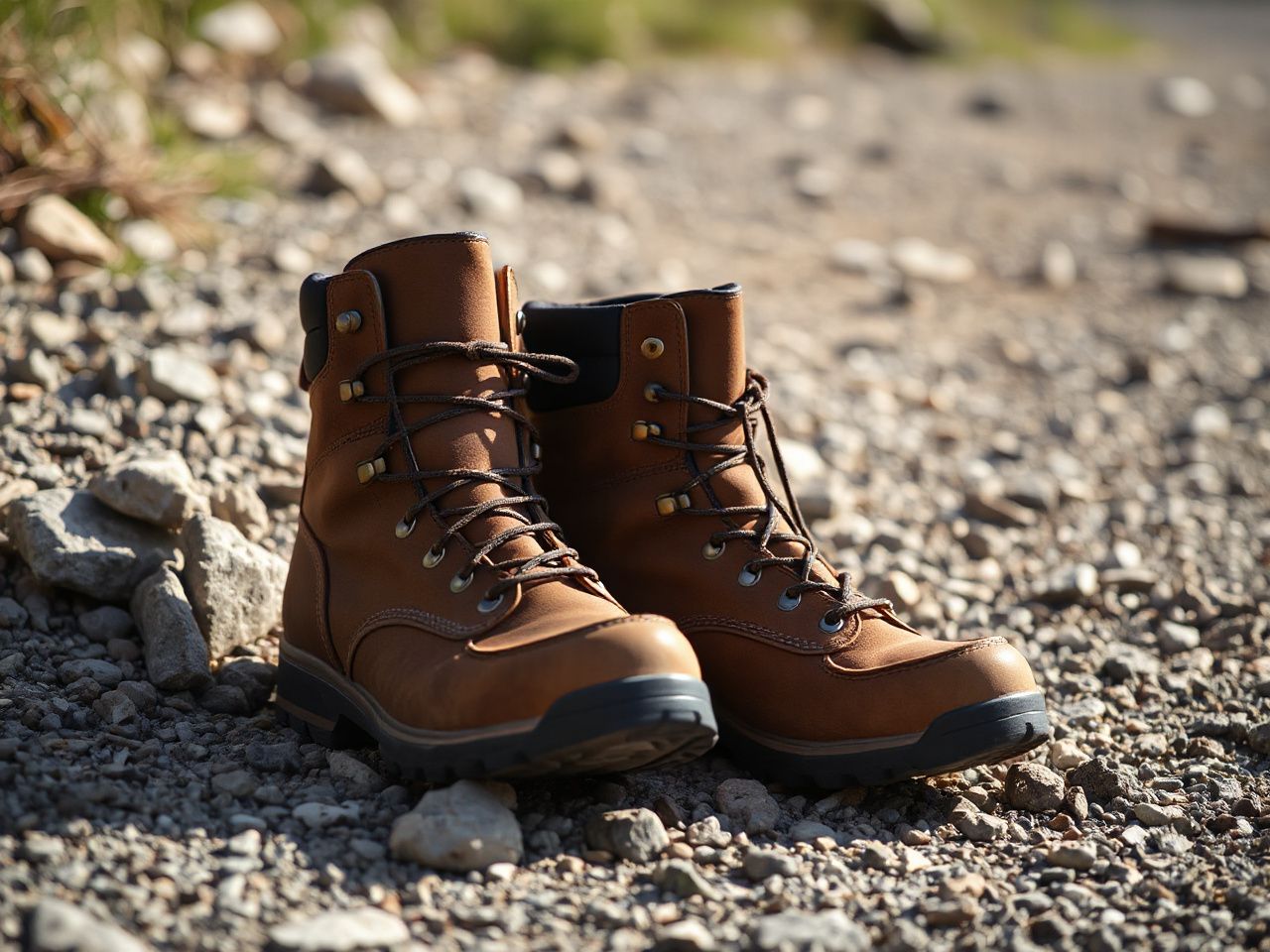
Boots Fit: A Complete Guide for 2026
Contents
Many riders wear boots that are either too narrow or too long. A boot that fits right in the store can feel completely different after a full day in the saddle. That’s why it is important not to judge a boot on day one—consider how it might perform after extended use in varied conditions before forming an opinion.
Getting your boots fit right isn’t just about comfort; it affects your control over the bike and your safety. This guide explains how to ensure your boots fit properly for the long haul.
Key Takeaways
- Measure your feet at the end of the day when they are largest, and always try on boots with the socks you plan to ride in.
- A proper fit leaves a thumb’s width of space at the toe, snug heel hold, and no pressure points after 30 minutes of wear.
- Break-in and after-wash fit are critical—boots that feel good new may loosen or stiffen after washing and extended use.
Why Boots Fit Matters More Than You Think
Your boots are the only connection between you and the bike’s controls. If they don’t fit correctly, you lose precision in shifting and braking. A boot that’s too loose can slip off the peg; one that’s too tight can cause foot fatigue and cramping.
Beyond control, a poor fit leads to blisters, hot spots, and even nerve damage on long rides. Boots that are too narrow across the ball of the foot are a known cause of Morton’s neuroma. That’s a painful condition that can sideline you for weeks.
Also consider that boots change over time. Leather stretches, synthetic materials compress, and liners pack out. The boot that feels perfect in the shop may be too big after 1,000 miles. How a boot fits after a wash indicates how it will fit after a year of use.
How to Measure for a Perfect Boot Fit
Step 1: Measure Your Feet Properly
Don’t rely on your shoe size from sneakers. Boots are built on different lasts, and sizes vary between brands. Measure your feet at the end of the day, when they’ve swollen from walking and standing. Use a Brannock device if available, or trace your foot on a piece of paper and measure the length and width.
Measure both feet—most people have one foot slightly larger than the other. Always fit the larger foot. A common mistake is fitting the left foot perfectly only to have the right foot ache after 200 miles.
Step 2: Try Boots with Riding Socks
The socks you wear while riding are thicker than dress socks and thinner than hiking socks. Bring your riding socks to the store. If you’re ordering online, wear them when you try the boots at home.
Your toes should have about a thumb’s width of space from the end of the boot. Your heel should be held firmly—no lifting when you walk. The boot should feel snug across the instep and ball of the foot without being painful.
Step 3: Check Width and Volume
Many riders focus only on length and ignore width. Boots that are too narrow will compress your metatarsal bones and cause pain. If the boot feels tight across the widest part of your foot, look for a wide size or a different brand.
Volume—how much space the boot has for your instep and ankle—is equally important. A boot with too much volume will feel sloppy; too little will feel like a vise. Some brands offer different volume lasts, so don’t be afraid to try multiple models.
How Fit Changes After 500 Miles and a Wash
How a boot fits on day one is less important than how it fits after extended use in gravel, rain, and desert heat, and after a proper wash.
The difference between water-resistant and genuinely waterproof membranes is important, as some jackets soak through completely in heavy rain. It is best to rely on a product’s performance under real conditions rather than its initial feel.
Leather boots will stretch about half a size over the first few hundred miles. Synthetic boots may compress and lose some padding. Waterproof liners can stiffen after washing if not dried properly. Washing boots according to manufacturer instructions is recommended before re-evaluating the fit.
Factors That Affect Boot Fit Over Time
Temperature and Humidity
In desert heat, your feet swell. In cold rain, they shrink. A boot that fits perfectly in 70°F weather may feel tight in 100°F heat. Allowing extra room for swelling is important in desert conditions. Conversely, for cold-weather riding, a slightly snugger fit helps retain warmth.
Humidity can also affect materials. Leather absorbs moisture and stretches slightly when wet. If you ride in rain often, expect your boots to conform more to your foot shape over time.
Type of Riding
Adventure riding requires a different fit than sport touring. On an ADV bike, you’ll be standing on pegs and walking through mud. A boot that allows ankle articulation is better than a stiff race boot. For sport touring, a snugger fit improves feedback from the bike.
If you ride off-road, your boots will take more abuse. Gravel and sand can work their way into the boot if the fit isn’t snug around the ankle. Pebbles getting into boots mid-ride are a preventable annoyance with proper fit.
How to Test Boot Fit at Home
If you’re buying boots online, you can still get a good fit. Follow these steps:
- Trace your foot on a piece of paper and measure length and width. Compare with the brand’s size chart.
- Read reviews specifically about fit—do they run narrow or wide? Do they stretch after break-in?
- Order two sizes if you’re unsure. Return the one that doesn’t fit. Most retailers have free returns.
- Once they arrive, wear them around the house for an hour. Walk, squat, and mimic riding motions.
Frequently Asked Questions
How do I know if my boots fit correctly?
You should have about a thumb’s width of space at the toe, your heel should not lift when you walk, and there should be no painful pressure points. After 30 minutes of wear, the boot should feel snug but comfortable. If your toes are jammed or your foot is sliding, the fit is wrong.
Do boots stretch over time?
Leather boots can stretch up to half a size with regular use, especially in width. Synthetic boots stretch less. Waterproof liners can compress and lose some volume. Always account for some stretch by choosing a boot that is snug but not tight initially. For more detail, check our Hiking Boot Size Chart: A Complete Guide to Fit.
Should I buy boots a size larger for thick socks?
Only if you plan to wear thick socks year-round. It’s better to find a boot that fits with your typical riding sock. If you need extra warmth in winter, a slightly larger size with thicker socks is acceptable, but be aware that the boot may feel loose in summer. Consider a boot with adjustable volume if you ride in varying climates.
How do I fix boots that are too loose?
Try thicker socks or an insole to take up volume. A heel cup can help prevent heel lift. If the boot is too long, you may need to size down. Loose boots can cause blisters and reduce control, so don’t ignore the issue. For a comparison of boot styles, see our Hiking Boots vs Trail Runners: Top Picks Tested for 2026.