National Park Vacations: The Complete Guide For 2026
Contents
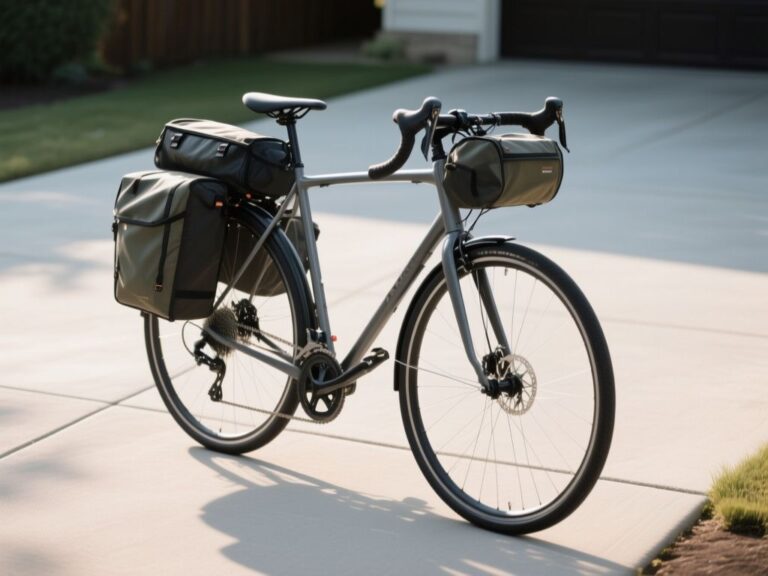
Plenty of riders pull into a national park entrance with nothing but a tank half-full of gas and a vague idea of where they’ll sleep, and inside the boundary there is often no fuel, no cell signal, and no vacancy left to find. The trips that make the best stories are almost always the ones where something went wrong, which is an argument for planning rather than against it. Preparation doesn’t prevent adventure — it just gives you better options when it shows up.
National park vacations in 2026 are different from what they were even five years ago. Timed entry systems are now permanent at over a dozen parks. Campsite reservations vanish within minutes of opening. And the backcountry permits that used to be available at ranger stations now require applications months in advance. If you’re planning a trip this year, you need a system — not just a destination.
The difference between a good trip and a great one is almost always in the details you handle before you leave home. Here’s how to build a national park vacation that works.
Key Takeaways
- Timed entry reservations are now required at 14 major national parks — book these before you book anything else.
- Build a route with fuel intervals of no more than 150 miles when traveling through remote park regions.
- Backup campsites in adjacent national forests or state parks can save your trip when park campgrounds fill up.
- Always carry a paper map and a satellite communicator — cell service is nonexistent in most park interiors.
Why National Park Vacations Require Military-Grade Planning
Most people approach a national park trip the same way they’d plan a weekend at the beach — pick a date, book a room, and figure out the rest when they get there. That approach stopped working around 2020, and it’s a recipe for disappointment now.
In 2026, the most popular parks — Yellowstone, Yosemite, Zion, Glacier, Rocky Mountain, Arches, and Acadia — all require timed entry reservations during peak season. These aren’t suggestions. If you show up at the entrance station without a reservation during the hours they’re enforced, you will be turned away.
The solution is simple: treat the reservation system as the first waypoint in your route. Before you decide which parks you’ll visit, check the timed entry schedule and booking window for each one. Some parks release reservations on a rolling basis 30 days out. Others open their entire season in one batch. Mark those dates on your calendar and set an alarm. Missing the window means you either change your route or accept that you’ll be entering the park before 6 AM or after 4 PM when the reservations aren’t enforced.
Phase 1: Route Planning Like a Mission Brief
Every long-distance trip should start with a spreadsheet. That may sound excessive, but when you’re on a motorcycle with limited fuel range and no backup vehicle, you need to know exactly where you’ll be at every stage of the day.
Fuel Intervals and Bail-Out Points
The biggest mistake in national park vacations is underestimating the distances between fuel stops. In the Great Basin region — think Great Basin National Park, the remote stretches of Nevada and Utah — gas stations can be 100 miles apart. If you’re riding a bike with a 150-mile range, that doesn’t leave much margin.
Map your route using a tool like Rever or Google My Maps, and mark every fuel stop. If the gap between stations exceeds 75% of your vehicle’s range, add a bail-out point — a town, a ranger station, or a campground where you can at least get help. On a motorcycle, carrying a 1-gallon rotopak of fuel is advisable when crossing the loneliest stretches. In a car, a full tank and a spare 5-gallon can give you peace of mind.
Weather Windows and Seasonal Timing
National park weather is not the same as the weather at your house. In 2026, the average summer temperature at the Grand Canyon’s South Rim is 80°F during the day and 50°F at night. At the bottom of the canyon, it’s 110°F. That’s a 60-degree swing in the same park on the same day.
Plan your travel windows around these extremes. If you’re hiking the Bright Angel Trail, start before sunrise and be off the exposed sections by 10 AM. If you’re riding through Yellowstone in June, be prepared for snow at the higher elevations. Check the National Weather Service’s point forecasts for the specific elevations you’ll be visiting, not just the park’s general forecast.
Phase 2: Camping and Accommodation Strategy
The days of rolling into a national park and finding a walk-up campsite are essentially over. In 2026, the most popular campgrounds — like Yellowstone’s Canyon and Grant Village, Yosemite’s Upper Pines, and Glacier’s Many Glacier — are booked within minutes of the reservation window opening.
Primary and Secondary Campsites
Plan every trip with at least two campsite options per night. The primary site is the ideal one — inside the park, close to the trailheads. The secondary site is the backup — usually in an adjacent national forest, a state park, or a private campground within 30 miles of the park entrance.
National forest dispersed camping is a great option for motorcycle travelers and car campers who don’t need hookups. Most national forests allow dispersed camping anywhere that’s not posted otherwise, as long as you’re 200 feet from water sources and roads. Download the USFS Motor Vehicle Use Map for the forest you’ll be in before you leave — it shows exactly which roads are open to vehicles and where you can camp.
If you prefer developed campgrounds, check the state park camping fees and reservation systems for the states you’ll be traveling through. State parks often have available sites when national parks are full, and they’re usually much cheaper.
Backup Plans for Last-Minute Changes
Things go wrong. A road closes. A wildfire forces an evacuation. You get a flat tire 50 miles from anywhere. In those moments, having a list of alternative campsites and routes saved on your phone (and printed on paper) makes the difference between a minor delay and a ruined trip.
Keep a folder in the tank bag with printouts of all reservations, a paper map with the route highlighted, and a list of phone numbers for every campground and ranger station along the way. Cell service is nonexistent in most park interiors, so a paper backup isn’t optional — it’s essential.
Phase 3: Gear and Packing for the Road
When you’re traveling on a motorcycle, every cubic inch of space matters. When you’re in a car, you have more room, but the same principles apply — pack light, pack smart, and prioritize the things that keep you safe and comfortable.
The 10 Essential Systems
Gear can be organized into ten systems, each one serving a specific purpose. Here’s what to carry on every national park trip:
- Navigation: GPS unit (Garmin Zumo for the bike), paper maps, compass, and a printed route sheet.
- Hydration: 3-liter hydration bladder and a 1-liter collapsible bottle for extra water.
- Shelter: Ultralight tent or hammock, sleeping bag rated to 30°F, sleeping pad.
- Clothing: Base layer, mid layer, waterproof shell, gloves, and a buff. No cotton.
- Cooking: Backpacking stove, fuel canister, titanium pot, spork, and a mug.
- Tools: Multi-tool, tire plug kit, mini air compressor, zip ties, duct tape.
- First Aid: Comprehensive kit with blister treatment, antihistamines, and ibuprofen.
- Lighting: Headlamp with extra batteries, small flashlight.
- Communication: Satellite messenger (Garmin inReach Mini 2), charged power bank.
- Documents: Printed reservations, ID, insurance card, emergency contact list.
State Park Passes and Fees
If your route takes you through New Mexico, consider picking up the New Mexico State Park Pass before you go. It covers entry to all 35 state parks in New Mexico for a full year, and many of those parks offer excellent camping and hiking that’s far less crowded than the national parks. Bottomless Lakes State Park and Storrie Lake State Park are known for peaceful campsites.
Phase 4: Daily Execution — The Art of the Flexible Schedule
Once you’re on the road, the plan becomes a guideline rather than a rulebook. The weather changes, the road conditions change, and your energy levels change. The key is to have enough structure that you don’t waste time deciding what to do, but enough flexibility to adapt when things go sideways.
The Daily Briefing
Every morning, spend 15 minutes reviewing the day’s route. Check the weather forecast for each waypoint, confirm campsite reservations, and identify any potential hazards — construction zones, fire closures, or wildlife activity reported in the area. Set a hard cutoff time for when to be at the destination. If not making good time by that cutoff, adjust the route or find a closer campsite.
Emergency Bail-Out Procedures
If something goes wrong — a mechanical issue, an injury, or a sudden weather event — have a list of emergency contacts and bail-out points for each day of the trip. The list should include the phone numbers for the nearest ranger station, the county sheriff’s office, and a towing service that covers the area. On a motorcycle, carrying a small roadside assistance card from your insurance provider is recommended.
The most important thing is to stay calm and make decisions based on the information you have, not the information you wish you had. If the road is closed, don’t try to find a way around it on unmaintained forest roads. If the weather turns dangerous, find shelter and wait it out. The goal is to get home safely, not to prove anything to anyone.
Frequently Asked Questions
What is the best time of year for national park vacations?
The best time depends on which parks you’re visiting. For most parks in the lower 48, the shoulder seasons — May and September — offer the best balance of good weather and manageable crowds. July and August are peak season at nearly every park, with timed entry systems in place and campsites booked months in advance. Winter trips to parks like Yellowstone and the Grand Canyon offer solitude and unique experiences, but require specialized gear and careful planning for road closures.
How far in advance should I book campsites for national park vacations?
For the most popular campgrounds, you need to book as soon as the reservation window opens — typically 6 months in advance for national park campgrounds and 2 weeks to 30 days for timed entry reservations. If you’re flexible, you can sometimes find last-minute cancellations, but that’s not a reliable strategy. Campsites and timed entry reservations should be booked at the same time, at least 4-6 months before a trip.
What should I do if I can’t get a campsite inside a national park?
Look for camping in adjacent national forests, Bureau of Land Management land, or state parks. Most national forests allow dispersed camping for free, and many have developed campgrounds with reasonable fees. State parks are another excellent option — they often have available sites when national parks are full, and they’re usually within an hour’s drive of the park entrance. Check the state park reservation systems for the states you’ll be visiting.
Do I need a special pass to enter national parks?
Yes, you need an entry pass for each park. The America the Beautiful Pass costs $80 and covers entry to all national parks and federal recreation lands for a full year. If you’re visiting more than two parks in a year, the annual pass pays for itself. Some parks also require a separate timed entry reservation during peak season, which is an additional cost and must be booked in advance. Check the park’s website for specific requirements before you go.