The Complete Guide to Bike Trips in Spain
Contents
Have you ever rolled into a Spanish village at dusk, only to realize your legs are shot and the nearest hotel is twenty kilometers away? The gear you skip buying to save money is almost always the gear you regret not having when you need it most. Invest once, invest right. Whether you’re dreaming of winding through the Sierra Nevada or cruising the Basque coast, planning bike trips in Spain requires more than just a bike and a map.
Key Takeaways
- Choose your bike based on terrain: gravel for mixed surfaces, touring for long paved routes, mountain for singletrack.
- Plan your route around Spain’s distinct regions: coastal, mountain, and plateau each offer unique challenges.
- Pack layers for temperature swings: mornings can be 10°C (50°F) in the mountains, afternoons 35°C (95°F) in the valleys.
- Respect local traffic laws and always carry identification, as Spanish authorities are strict with cyclists.
Choosing the Right Bike for Your Spanish Adventure
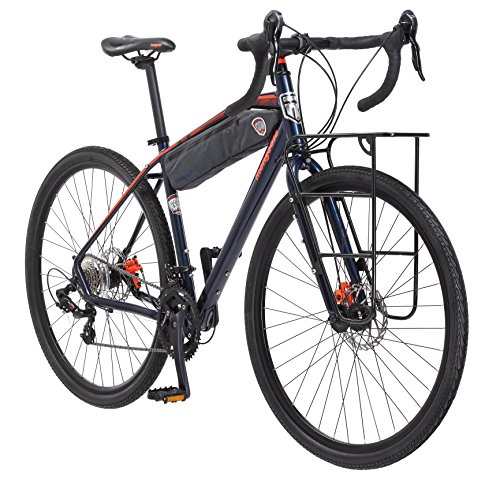
The first question every rider asks: what bike should I take? The answer depends entirely on your route. For paved coastal roads like the Costa Brava, a road bike with 25-28mm tires is ideal. For mixed surfaces—think gravel paths through olive groves—a gravel bike with 40-45mm tires gives you the versatility to handle both tarmac and dirt. If you’re tackling the Pyrenees or Sierra Nevada, a touring bike with a steel frame and 28-32mm tires offers durability and comfort over long days.
Stiff geometry can become uncomfortable after eight hours in the saddle on gravel paths. If you’re comparing options, our guide on cyclocross vs gravel bike breaks down the key differences for mixed-terrain riding. For pure pavement, a touring bicycle handles the distance better; check out our touring bicycle vs road bike comparison for specifics.
Essential Gear Beyond the Bike
Your bike matters, but so does everything you carry. A proper saddle is essential to avoid chafing. Invest in a brooks leather saddle or a well-ventilated synthetic model. Bring a multitool with chain breaker, tire levers, and at least two spare tubes. Spanish roads can be remote; a bank card can serve to patch a tire in an emergency.
Hydration is non-negotiable. Carry at least 2 liters of water for every 4 hours of riding, especially in summer. A hydration pack with a 3-liter bladder works well, and two 750ml bottles on the frame provide easy access. Add electrolytes to your water when temperatures exceed 30°C (86°F).
Planning Your Route: Regions and Seasons
Spain’s geography is as varied as its culture. The northern coast—from the Basque Country to Galicia—offers lush green hills and moderate temperatures, ideal for spring and fall. The interior plateaus, like La Mancha, are flat and hot, best tackled in early spring or late autumn. The southern region, Andalusia, combines coastal plains with the Sierra Nevada’s high peaks, where you can climb from sea level to 3,400 meters (11,150 feet) in a single day.
Coastal Routes: Basque Country and Costa Brava
The Basque coast provides 200 kilometers of rolling hills with ocean views. San Sebastián to Bilbao works out at three days for most riders, averaging 70 kilometers per day — a pace the terrain sets rather than an arbitrary target. The terrain is challenging but rewarding, with climbs up to 500 meters in elevation. The Costa Brava, from Barcelona to the French border, offers flatter riding with coastal paths and occasional gravel sections. Both regions have excellent infrastructure, with bike-friendly hotels and regular water stops.
Mountain Routes: Pyrenees and Sierra Nevada
The Pyrenees offer some of Europe’s most iconic climbs, including the Col du Tourmalet (though that’s in France, the Spanish side has equally challenging passes like the Puerto de Pajares at 1,650 meters). Expect steep gradients of 8-12% for extended stretches. The Sierra Nevada, near Granada, features the highest paved road in Europe at 3,367 meters (11,045 feet). In June the summit can still be holding snow while the valley below bakes at 35°C — 3,000 meters of altitude costs roughly 20°C, so the top of the climb stays wintry long after the lowlands have warmed up. Pack a lightweight jacket and full-fingered gloves for descents.
Plateau Routes: La Mancha and Extremadura
These regions are flat and hot, ideal for riders seeking long, straight roads with minimal climbing. The Vía Verde de la Sierra in Andalusia is a 36-kilometer gravel path converted from an old railway, offering gentle gradients and stunning views. In Extremadura, the Ruta de la Plata follows an ancient Roman road for 200 kilometers, mostly on quiet tarmac. These routes are best ridden in spring (March-May) or fall (September-November) when temperatures stay below 30°C.
Safety and Logistics on the Road
Spanish drivers are generally respectful of cyclists, but you still need to follow local laws. Cyclists must wear a helmet outside urban areas, and children under 16 must wear one everywhere. Always carry identification—a passport or ID card—as police regularly check. Use rear lights during the day; on narrow mountain roads, a flashing red light can make the difference.
Navigation and Communication
A Garmin Edge 530 works well for navigation, but a smartphone with offline maps works too. Download maps of your entire route before leaving, as cell service is spotty in mountains. The Komoot app has excellent Spanish route data, including surface type and elevation profiles. Carry a power bank, as continuous GPS can drain a phone battery in about six hours.
Emergency numbers: dial 112 for any emergency in Spain. Operators speak English, but knowing basic Spanish phrases helps. It is wise to carry a first-aid kit with antiseptic, bandages, and a tourniquet, since riders can crash on loose gravel and bleed for kilometers before finding help.
Accommodation and Food Along the Route
Spain’s network of albergues (hostels) and casas rurales (country houses) caters to cyclists. Many offer secure bike storage, repair stations, and laundry. Book through Booking.com or Airbnb, but always call ahead to confirm bike facilities. In remote areas, refugios (mountain huts) provide basic lodging—expect shared dorms and cold showers. Prices range from €20-50 per night for hostels, €60-100 for private rooms.
Spanish cuisine is cyclist-friendly. Load up on tortilla española (potato omelet) for protein, jamón serrano for salt, and pan con tomate for carbs. Avoid heavy meals before big climbs; stick to pasta or rice the night before a 1,000-meter ascent. Local bakeries sell empanadas and croquetas for mid-ride snacks. Drink plenty of water, but also try horchata—a refreshing tiger nut milk popular in Valencia.
Weather and Timing Your Trip
Spain’s climate varies dramatically by region and season. The best months for cycling are April-June and September-October. In July and August, inland temperatures regularly exceed 40°C (104°F), making midday riding dangerous. Frequent stops every 15 kilometers to douse yourself with water from a fountain can help. Coastal areas stay cooler, but humidity can be high.
In the mountains, snow can linger on high passes into June. Check road conditions on the DGT (Spanish traffic authority) website before heading up. I’ve been turned back at 2,000 meters by a snowdrift that wasn’t on any map. Carry a lightweight down jacket and waterproof shell for descents, where temperatures can drop 15°C from the summit to the valley.
Training and Preparation
Don’t underestimate the physical demands of Spanish terrain. A typical day might include 1,500 meters of climbing over 100 kilometers. Train for at least 8 weeks before a trip, focusing on hill repeats and endurance rides. Aim for 3-4 rides per week, with one long ride of 80-120 kilometers on weekends. Include intervals at 85-90% of your max heart rate to simulate steep climbs.
Strength training matters too. Do squats and lunges twice a week to build leg power for sustained climbs. Core strength helps with bike handling on descents. Stretch daily, especially your hamstrings and hip flexors, which tighten after hours in the saddle. A foam roller is worth its weight in gold for post-ride recovery.
Why Spain Demands a Mission-Ready Mindset
Spain is the second-most mountainous country in Europe. That means endless curves, but also sudden weather shifts, altitude sickness risks above 2,000 meters, and roads that turn to gravel without warning. A “relaxed” coastal route can mean 40°C heat in July with no shade for 100 km. You don’t wing it here. You brief it.
The best bike trips in Spain start with a route card: daily distance, elevation gain, fuel stops, and a bail-out point for each leg. Write it down. Carry a paper backup — phones die. A simple A5 notebook with waterproof covers works well. It is a lifesaver when GPS fails in places like the Sierra Nevada.
Route Planning: The Three Pillars
Every successful Spain tour rests on three pillars: terrain intelligence, weather windows, and logistics. Miss one, and you’re fixing a puncture at midnight in a village with no mechanic.
Terrain Intelligence: Know What’s Under Your Tires
Spain’s roads range from smooth A-roads to goat tracks. The N-340 along the Costa del Sol is a beautiful but dangerous mix of trucks and tourists. The CL-601 near Segovia is a dream on a sportbike. But most of the interior uses carreteras comarcales — secondary roads that can be potholed or unpaved for kilometers.
Check satellite imagery before you go. Google Earth Pro lets you trace the route and spot gravel sections. If you’re on a road bike, avoid anything marked “camino rural” unless you’re prepared for dirt. For mixed surfaces, our gravel vs road bike guide breaks down which machine handles what.
Weather Windows: Ride the Shoulder Seasons
Spain’s best riding months are April–June and September–October. July and August hit 40°C in the south; December and January bring snow to passes above 1,500 meters. Ice patches can occur at higher elevations in early summer. Always check AEMET (Spain’s weather service) for mountain forecasts.
Plan your daily start for 7:00 AM in summer. You’ll beat the heat and finish by 2:00 PM. In winter, wait until 9:00 AM for ice to melt and stop by 4:00 PM for light. Carry a base layer, mid layer, and waterproof shell even on sunny days — mountain weather changes in minutes.
Logistics: Fuel, Food, and Shelter
Fuel stations in rural Spain close for siesta (2:00–5:00 PM) and many are closed Sundays. Never let your tank drop below a quarter. Plan stops every 150 km at most. In the Pyrenees, that can mean 100 km between pumps. Carry a 1-liter emergency fuel can — a metal MSR bottle works well.
Food is easier: every village has a bar serving bocadillos (sandwiches) and coffee. But carry 2 liters of water and high-energy snacks. Pack nuts, dried fruit, and electrolyte tablets. Accommodation? Book 48 hours ahead in summer. A town the size of Albarracín may have a single pensión, and once it fills the next bed can be an hour’s ride further on — which is how an unplanned night ends up on a bus-shelter bench. Two days’ notice costs nothing and rules it out.
Three Essential Routes for Bike Trips in Spain
These routes are proven, scenic, and logistically sound. Each includes fuel stops, bail-out points, and seasonal notes.
Route 1: The Pyrenees Traverse (Barcelona to San Sebastián)
Distance: 650 km | Duration: 5–7 days | Best season: June–September
Start in Barcelona, head north through the C-17 to Ripoll, then take the N-260 — one of Europe’s great motorcycle roads. It winds through the Pyrenees with passes like Coll de la Creueta (1,920 m) and Port de la Bonaigua (2,072 m). Fuel up in Vielha (km 250) and Jaca (km 450). Bail-out: if weather closes a pass, drop south to Lleida or Huesca for lower routes.
This route is best on a sport-tourer or adventure bike. If you’re debating between a cyclocross and gravel bike for mixed surfaces, our cyclocross vs gravel bike comparison helps decide.
Route 2: Andalusia’s White Villages (Seville to Ronda)
Distance: 400 km loop | Duration: 3–4 days | Best season: March–May, October–November
From Seville, take the A-376 to Algodonales, then the CA-9104 through the Sierra de Grazalema. The roads are tight, technical, and stunning. Fuel in Ubrique (km 120) and Ronda (km 220). Bail-out: if heat exceeds 35°C, head to the coast via A-397 to San Pedro de Alcántara.
Summer here is brutal. Temperatures reach 45°C on the asphalt near Morón. Starting at dawn, stopping by 1:00 PM, and finding a pool are the standard recommendations. Carrying 3 liters of water minimum is the advised safety threshold.
Route 3: The Northern Coast (Santander to Santiago de Compostela)
Distance: 500 km | Duration: 4–6 days | Best season: May–September
The N-634 and N-632 hug the coast through green hills and fishing villages. Fuel in Llanes (km 100), Gijón (km 220), and Ribadeo (km 380). Bail-out: if rain is heavy (common here), take the A-8 highway — it’s boring but safe.
This is the coolest route in summer, rarely above 28°C. But it rains 150 days a year. Pack a Gore-Tex suit. A two-piece system is easier to layer.
Gear and Preparation: The Mission Critical List
Your bike is only as good as your preparation. Here’s what to carry on every Spain tour.
Bike Setup
Check your tires — Spain’s hot asphalt wears soft compounds fast. Michelin Road 6 suits touring or Pirelli Scorpion Rally for dirt. Chain lube every 400 km — dust and heat dry chains quickly. Carry a 12V air compressor and plug kit. A plug kit is lighter than a spare tube.
If you’re touring with luggage, a touring bicycle vs road bike comparison can help you choose the right platform for panniers and long days.
Rider Gear
- Helmet: Full-face with a light tinted visor — sun glare is intense at altitude.
- Jacket: Textile with armor, removable liner, and ventilation zips.
- Gloves: Summer gloves (mesh) and winter gloves (leather) — pack both.
- Boots: Waterproof, ankle-high, with oil-resistant soles for fuel stops.
- Hydration: 3-liter CamelBak or equivalent — drink every 30 minutes.
Emergency Kit
- First aid: Bandages, antiseptic, painkillers, blister pads.
- Tools: Multi-tool with Allen keys, tire levers, plug kit, compressor.
- Communication: Power bank (20,000 mAh) and a cheap burner phone with a Spanish SIM card.
- Documents: Passport, driving license, bike registration, insurance, and a photocopy of each.
Navigation and Communication
Cell coverage in Spain is good near cities but drops in mountains and rural areas. Movistar and Vodafone have the best rural coverage. Buy a prepaid SIM at any airport for €20 — includes 10 GB data.
The Garmin Zumo XT offers navigation and OsmAnd on a phone can serve as backup. Both allow offline maps. A paper map (Michelin Spain 1:400,000) doesn’t need batteries and shows all secondary roads.
Share your route with someone at home. Send a daily text with your location and the next day’s plan. If you miss a check-in by 6 hours, your contact should call emergency services. It sounds dramatic, but it can save a rider who crashes somewhere remote, such as the Sierra de Gredos.
Legal and Safety Notes
Spain enforces strict traffic laws. Speed limits: 120 km/h on highways, 90 km/h on secondary roads, 50 km/h in towns. Radar detectors are illegal — they’ll fine you €600 and confiscate the device. Alcohol limit: 0.25 mg/L breath (0.15 mg/L for new riders). Carrying a personal breathalyzer — €20 on Amazon — can help ensure compliance.
Helmets are mandatory for both rider and passenger. Lane splitting is legal but discouraged above 50 km/h. Emergency number: 112 works nationwide. Save it in your phone.
Frequently Asked Questions
What is the best time of year for bike trips in Spain?
The ideal months are April through June and September through October. During these periods, temperatures range from 15-25°C (59-77°F), rainfall is low, and mountain passes are usually clear. July and August are too hot for most routes, especially inland. Winter (November-February) is possible in coastal areas but mountain routes are often snowed in.
Do I need a special bike for bike trips in Spain?
Not necessarily, but the right bike makes a difference. For paved roads, a road bike with 25-28mm tires works well. For mixed surfaces, a gravel bike with 40-45mm tires offers versatility. If you’re carrying heavy gear, a touring bike with a steel frame and 28-32mm tires provides stability. Rentals are available in major cities like Barcelona, Madrid, and Seville, but bring your own saddle and pedals for comfort.
How much does a bike trip in Spain cost?
Costs vary widely. Budget €50-80 per day for basic accommodation, food, and bike maintenance. Mid-range trips run €100-150 per day, including nicer hotels and restaurant meals. Luxury tours with guided support can cost €200-400 per day. Bike rental adds €30-60 per day. I typically spend around €100 per day on a self-guided trip, excluding flights.
Is it safe to cycle alone in Spain?
Yes, with precautions. Stick to well-traveled routes, carry a phone with offline maps, and tell someone your daily plan. Spanish drivers are generally courteous, but avoid busy highways (autovías) where cycling is often prohibited. In remote areas, pack extra food and water. Carrying a personal locator beacon for emergencies is recommended.