The Complete Cycling Weekend Packing Guide for 2026
Contents
More and more riders now treat their cycling weekends less as casual spins and more as mini-expeditions. They’re packing better, planning routes with more precision, and actually finishing rides feeling strong instead of broken. That shift is good to see, but it also means the old advice about “just throw your bike in the car and go” doesn’t cut it anymore. The moments that make the best travel stories are almost always the ones where something went wrong. Preparation doesn’t prevent adventure — it just gives you better options when it shows up. A cycling weekend is no different: pack smart, ride hard, and be ready for whatever the road throws at you.
Key Takeaways
- Pack for the unexpected: a flat tire or sudden storm can ruin a cycling weekend if you aren’t prepared.
- Route planning is as important as gear: know the elevation, road surface, and available services before you leave.
- Nutrition and hydration strategies vary by terrain and temperature — don’t rely on generic advice.
- A proper first aid kit is non-negotiable for any cycling weekend, especially in remote areas.
What Defines a Successful Cycling Weekend
A cycling weekend isn’t just about racking up miles. It’s about the experience — the rhythm of the road, the conversations at rest stops, the satisfaction of cresting a climb. But too many riders treat it like a race, burning out by Saturday afternoon and spending Sunday limping home. The best cycling weekends are paced well, with realistic mileage targets and built-in flexibility. If you’re new to multi-day riding, aim for 60-80 miles per day on mixed terrain. Experienced riders can push to 100-120 miles, but only if the route has adequate support and resupply points.
The Terrain Factor
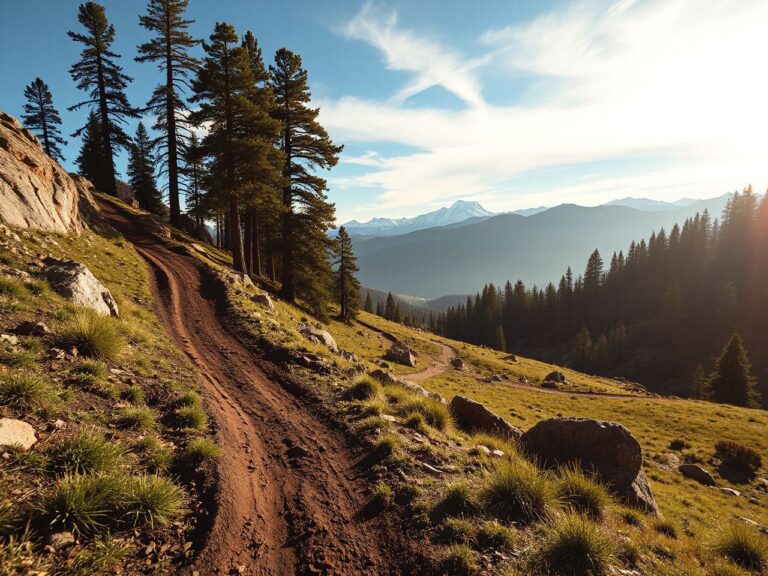
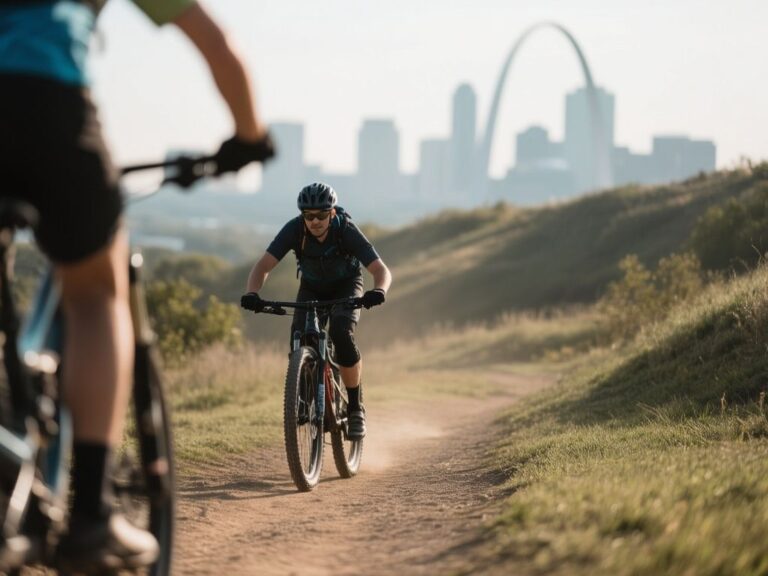
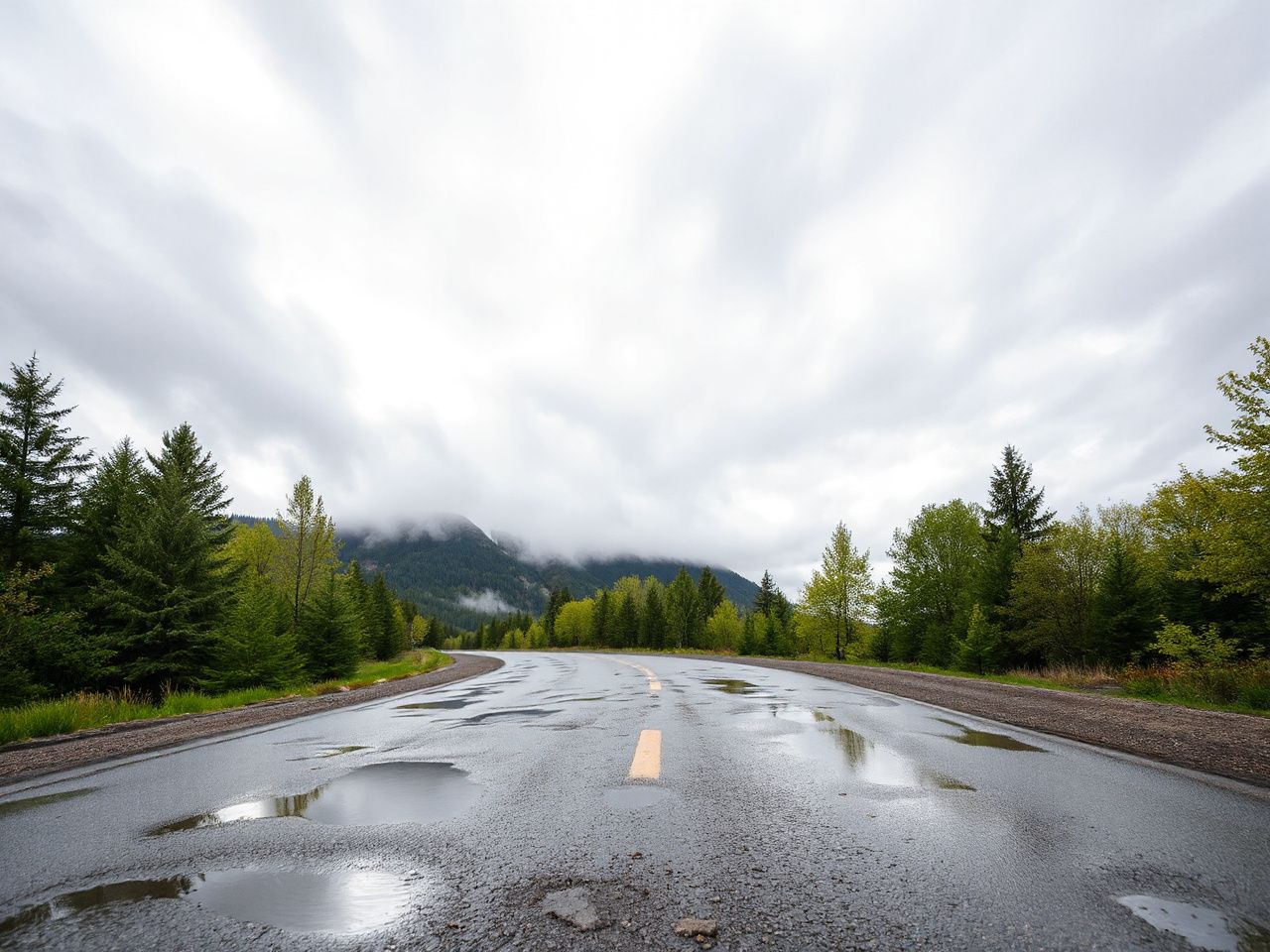
Road surfaces dictate your gear more than distance. A cycling weekend on smooth asphalt demands different tires, gearing, and clothing than a gravel or mountain bike loop. Checking recent rider reports on sites like Trailforks or RideWithGPS before committing helps prepare for actual conditions. If you’re riding mixed terrain, consider 35-40mm tubeless tires with sealant. They roll well on pavement and grip loose gravel without puncturing easily.
Weather Reality Check
Weather forecasts are useful, but they’re not gospel. A 10% chance of rain can turn into a full afternoon thunderstorm. For a cycling weekend, pack for the worst-case scenario within reason. A lightweight, packable rain jacket (200-300 grams) and a pair of waterproof shoe covers take up minimal space but can save your ride. If temperatures drop below 50°F (10°C), add a thermal base layer and windproof gloves. If it’s going to be above 85°F (30°C), prioritize electrolyte tablets and a hydration pack with at least 2 liters capacity.
Gear Essentials for a Cycling Weekend
Riders sometimes bring gear lists that look like they’re crossing the Sahara. You don’t need that much stuff. The key is versatility and reliability. Here’s what is recommended for every cycling weekend, regardless of destination.
The Bike Setup
Your bike should be dialed before you load it. That means fresh brake pads, a clean drivetrain, and tires with adequate tread. For a cycling weekend, a full tune-up at least a week before departure is advisable. Check chain wear with a gauge — if it’s stretched past 0.5%, replace it. A snapped chain on day one of a weekend trip is a buzzkill. Also, carry a multi-tool with hex keys (3-8mm), a chain breaker, and a tire lever. The Crankbrothers M19 is compact and covers all the basics.
Clothing Layers
Layering is everything. For a typical spring or fall cycling weekend, pack:
- Base layer: Merino wool or synthetic — no cotton. It wicks moisture and doesn’t stink after two days.
- Mid layer: A long-sleeve jersey or lightweight fleece for cooler mornings.
- Outer shell: A windproof, water-resistant jacket with pit zips for ventilation.
- Bibs: One pair of high-quality bib shorts with a good chamois. Wash them in the sink if needed.
- Gloves: Full-finger for cold or off-road, short-finger for warm road rides.
That’s it. Five items total for your torso and hands. You don’t need three different jerseys for a weekend.
Hydration and Nutrition
Dehydration and bonking are the two most preventable problems on a cycling weekend. Carry two 750ml bottles — one with water, one with electrolyte mix. For longer days, add a 3-liter hydration bladder in a frame bag. Nutrition-wise, eat real food: peanut butter sandwiches, bananas, dates, and trail mix. Gels are fine for race day, but for a weekend, sustained energy is needed. Aim for 200-300 calories per hour of riding, with a mix of carbs and protein.
Route Planning and Navigation
Many riders rely on their phone’s GPS without a backup plan. On a cycling weekend, you’ll likely lose signal in remote areas. Always download offline maps on apps like Komoot or Gaia GPS before you leave. Also carry a paper map of the region — it weighs nothing and never runs out of battery. Mark key waypoints: water sources, gas stations, and cafes. If riding in a group, share the route file with everyone. That way, if someone gets dropped, they can find their own way.
Route Selection Tips
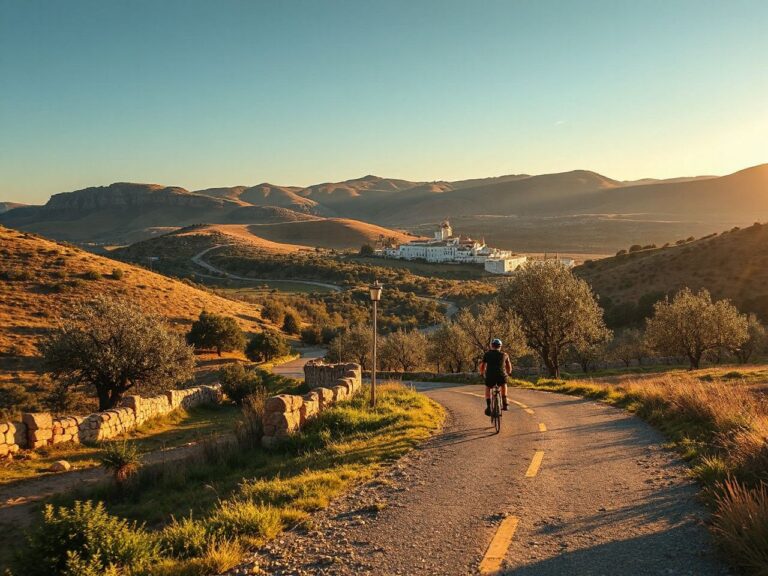
Pick a loop or point-to-point route that matches your group’s fitness level. A good rule of thumb: the total elevation gain per day should not exceed 100 feet per mile for intermediate riders. For example, a 60-mile ride with 6,000 feet of climbing is challenging but doable. Anything over 8,000 feet is advanced. Also, consider road surface. Gravel and dirt roads are slower than pavement, so factor in an extra 2-3 mph slower average speed. If you’re new to a region, check local cycling club forums for route recommendations.
Emergency Preparedness
Every cycling weekend should include a basic first aid kit. This isn’t about a store-bought kit with band-aids and aspirin — it means a customized kit for cycling injuries. Include:
- Sterile gauze pads and medical tape for road rash.
- Antiseptic wipes and antibiotic ointment.
- Blister pads (Compeed is a popular choice).
- Pain relievers like ibuprofen.
- A small splint for finger injuries.
If you’re looking for a pre-built option, our Hart Outdoor Weekend First Aid Kit review covers a solid choice that’s compact enough for a saddle bag.
Packing Strategy and Logistics
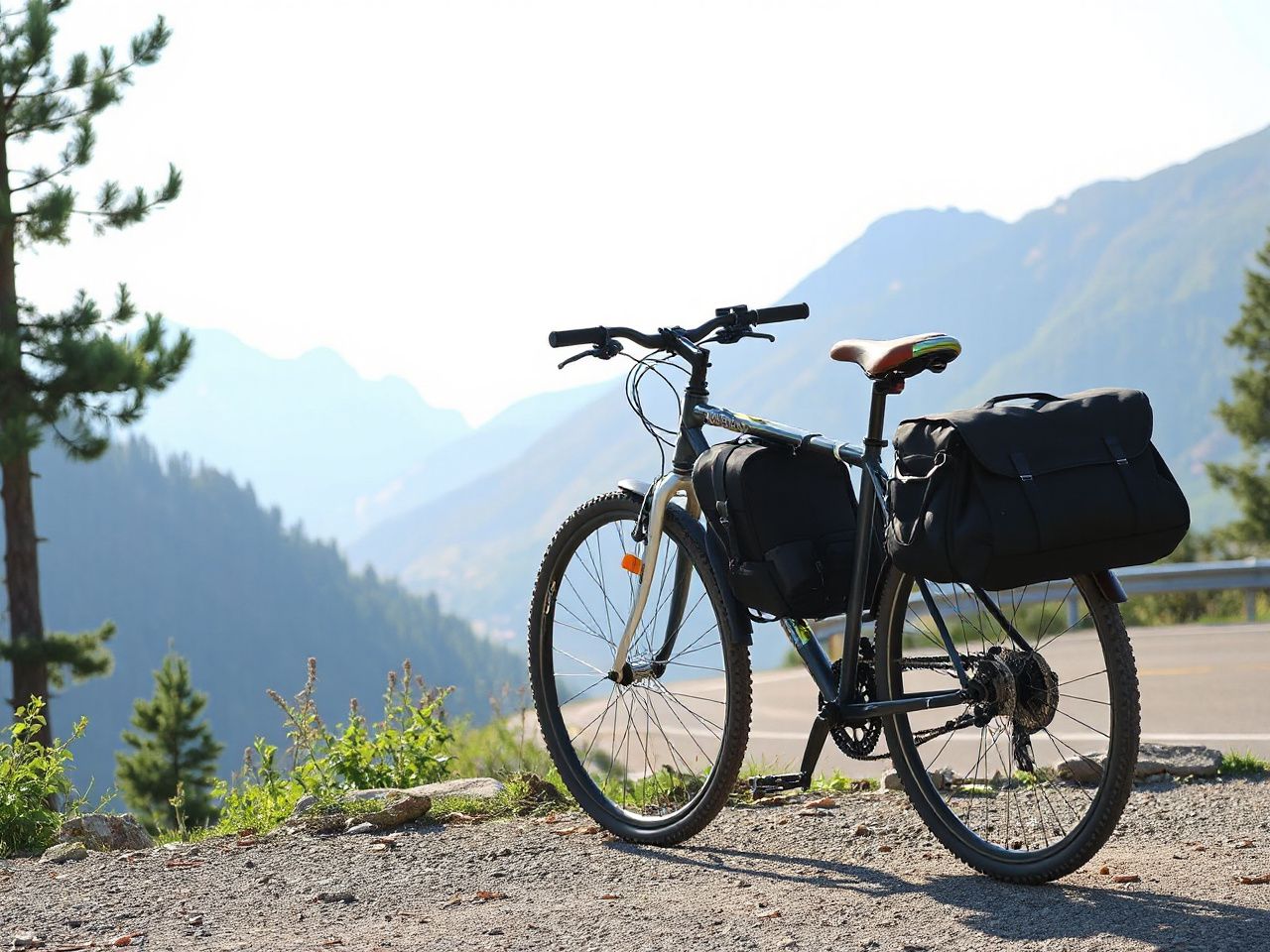
How you carry your gear matters as much as what you bring. For a cycling weekend, a combination of frame bags, a saddle bag, and a handlebar roll works well. Total capacity should be around 10-15 liters for self-supported trips. That’s enough for tools, spare parts, clothing, and food. If you’re staying at a hotel or cabin, you can pack lighter — just carry repair essentials and a change of clothes.
Bike Bag Setup
Distribute weight evenly. Heavy items (tools, water) go in the frame bag near the bike’s center of gravity. Light items (clothing, sleeping bag) go in the saddle bag or handlebar roll. Avoid putting anything on your back if possible — a backpack changes your center of gravity and causes fatigue. If you must carry a backpack, keep it under 5 pounds.
Pre-Ride Checklist
Before you roll out each morning, run through this quick check:
- Tire pressure: Check and adjust based on terrain. Lower pressure for gravel, higher for road.
- Brakes: Squeeze both levers — they should feel firm, not spongy.
- Chain: Look for rust or stiff links. Lube if dry.
- Bolts: Check stem, handlebars, and saddle bolts are tight.
- Lights: Test front and rear lights, even for daytime riding.
This takes five minutes and saves hours of roadside repairs.
Frequently Asked Questions
How many miles should I plan for a cycling weekend?
For most riders, 60-80 miles per day is a solid target. That leaves time for breaks, sightseeing, and mechanical issues. If you’re experienced and fit, you can push to 100-120 miles, but only on routes with good support. Always build in a buffer — it’s better to finish early than to be stranded after dark.
What’s the most important tool to bring on a cycling weekend?
A multi-tool with a chain breaker. Without it, a broken chain ends your ride. Second most important: a tire pump or CO2 inflator. Both are useful — a mini pump for slow leaks and CO2 for fast flats. And don’t forget a patch kit. Tubes can be patched multiple times, saving you from carrying a dozen spares.
Can I do a cycling weekend on a budget?
Absolutely. You don’t need a carbon bike or expensive gear. Focus on reliability: a well-maintained aluminum or steel bike, decent tires, and a good saddle. Camp instead of hotels. Cook your own meals. A great cycling weekend can cost under $100, not counting gas. It’s about the ride, not the gear.