Bungee Jumping Ohio: Mistakes to Avoid for a Safe Jump
Contents
I’ve jumped in neighboring states and tracked Ohio’s pop-up bungee scene for years. The critical difference is that Ohio has no permanent towers or bridges open to the public, so you’re at the mercy of traveling carnival operators who rent cranes or use truck-mounted rigs. I always look at whether they use a full-body harness vs. ankle straps – ankle straps dramatically increase the risk of concussion when you rebound. My focus is on the operator’s inspection logs and whether they can prove their cord was recertified within the last year, because that’s where most small outfits fail.
If you’re thinking about bungee jumping in Ohio, you need to understand that the experience is not like a fixed adventure park. It’s a transient, heavily regulated gray area, and your safety depends almost entirely on the operator you choose. I break down what to look for before you clip in.
Key Takeaways
- Ohio has no permanent commercial bungee facility; jumps happen only at temporary, permitted events like fairs and private venues.
- Weight limits are typically 80–275 pounds, and a snug full-body harness is the single biggest injury reducer you can ask for.
- Verify a current ASTM F2640 certificate and recent cord recertification paperwork before paying, because missing tags are the clearest red flag.
The Uncomfortable Truth About Bungee Jumping in Ohio
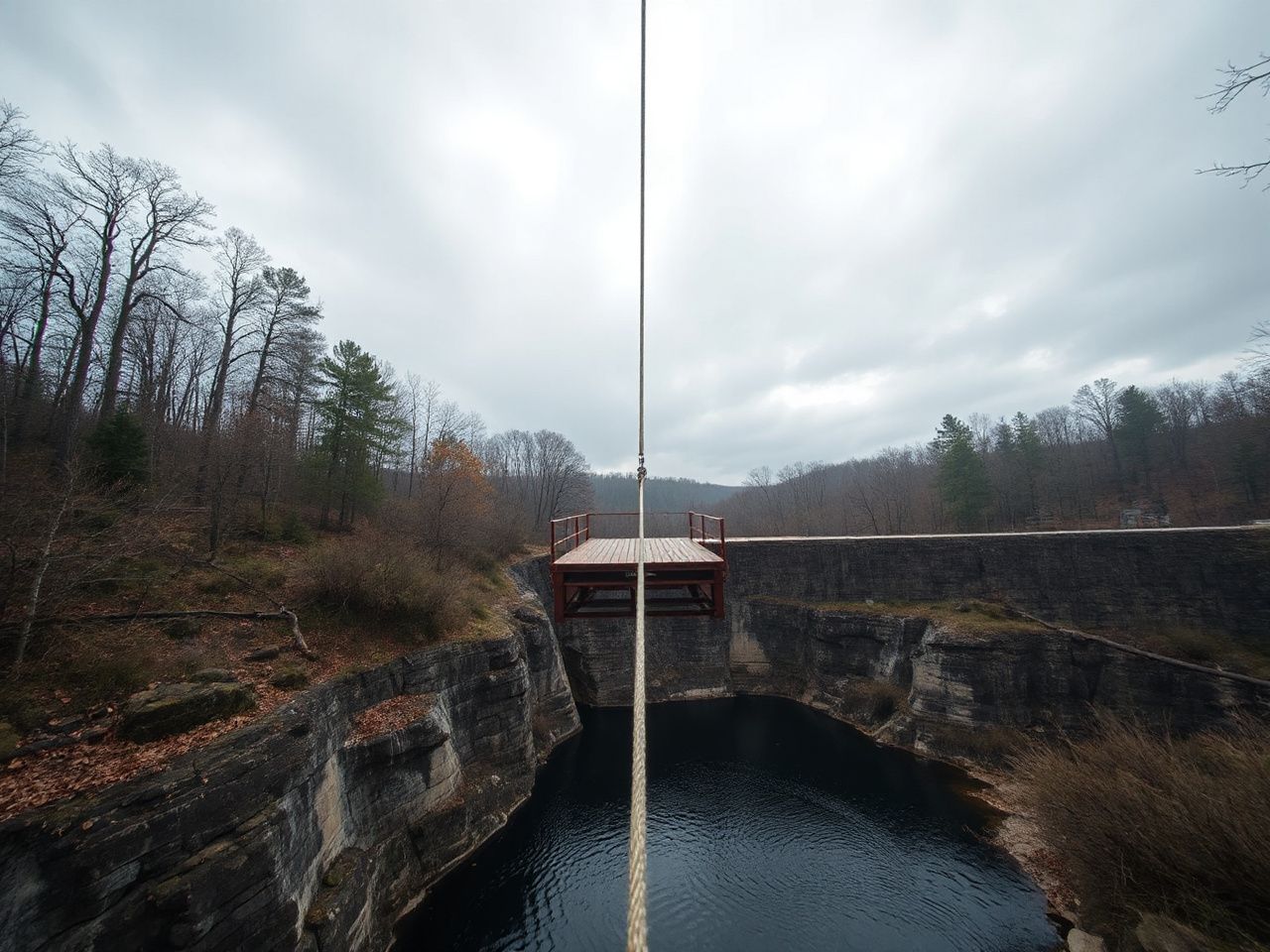
The first thing any risk assessor will tell you about bungee jumping in Ohio is that the state does not have a single permanent commercial bungee site open to the public year-round. Unlike places like New York or Indiana that have fixed bridge or tower operations, Ohio’s jumps are almost always pop-up events held for a weekend at a county fair, a music festival, or a private party. Bungee Adventures Ohio, for example, operates as a traveling setup rather than a fixed location. That means every jump you find in Ohio is temporary by design, and the crew’s skill and equipment condition can vary wildly from one event to the next.
Legally, bungee jumping in Ohio falls under amusement ride regulations. The Ohio Department of Agriculture’s Amusement Ride Safety Division requires a special permit for any bungee operation to run in the state. Many small operators work in a gray area by claiming exemption through private event loopholes or simply not filing the proper paperwork. You as a jumper have no way to know if a permit is active unless you ask to see it. That is a red flag in itself.
Ohio Revised Code amusement ride regulations define bungee jumping as a “amusement ride” subject to annual inspection and daily ride checks. A permitted operator must post their permit number on-site and keep an inspection log available. If the operator cannot produce that log within 30 seconds of you asking, assume they are not compliant. The absence of state oversight at a pop-up is not a sign of a low-key thrill; it’s a sign you are trusting a stranger with a latex cord and a crane hook.

How to Vet an Ohio Bungee Operator Before You Hand Over Cash
Most bungee injuries in Ohio pop-up setups occur during the rebound phase, not the initial fall, because the cord can slap back into the jumper’s body if the attachment point is too low or the harness is loose. That is the core reason you need to vet the operator before you ever sign a waiver. A legitimate bungee operator in Ohio will show you a current ASTM F2640 compliance certificate and recent cord recertification paperwork. ASTM F2640 is the voluntary standard for bungee jumping equipment, covering cord design, harness construction, and carabiner ratings. The American Bungee Association (ABA) also publishes operator guidelines, though ABA membership alone is not a guarantee of safety.
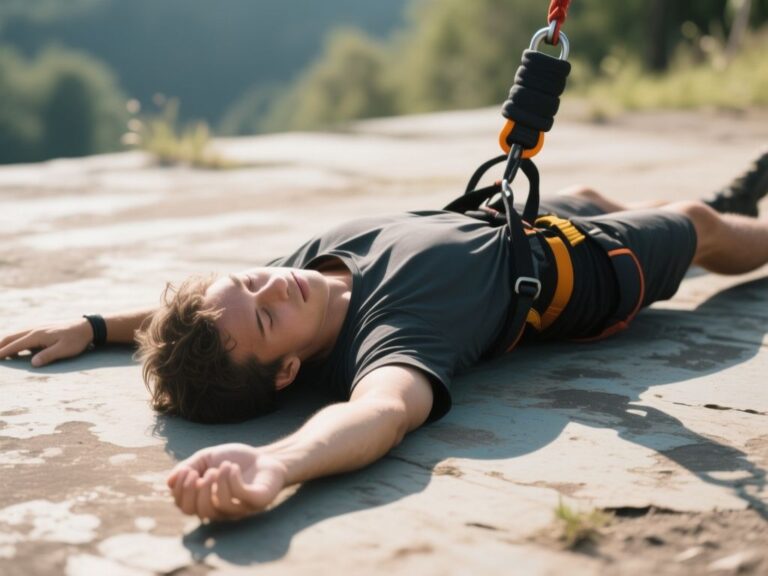
When I evaluate a rig, I check four things in order: the harness type, the cord condition, the attachment point, and the crew’s behavior. Full-body harnesses are non-negotiable for a first-timer. Ankle straps put you at risk of whiplash and head impact on rebound because your body becomes a pendulum with no upper-body control. If the operator advertises ankle-only jumps, walk away. The cord should be a specific bungee cord type with no visible cracks, dry rot, or uneven color. The carabiner connecting the cord to the harness must be a locking carabiner, not a screwgate or a standard clip. A screwgate can unscrew under vibration; a locking carabiner needs a deliberate two-action release.
Weight limits are another concrete filter. A safe Ohio operator will publish a strict range, almost always between 80 and 275 pounds. The lower limit exists because a too-light jumper will not stretch the cord enough, causing a violent snap-back. The upper limit protects the cord from overstretching and the harness from stitching failure. Ask for the exact limits in writing, and step on a calibrated scale before you pay. A loose harness is a severe injury risk on rebound, because the jumper can slide within the harness and strike their own head or limbs.

Jump Day – Weight Limits, Harness Fit, and the Physics of Rebound
Once you have vetted the operator, the jump itself is straightforward, but the physics are not forgiving. Bungee jumping uses a braided latex cord that stretches up to four times its resting length. The energy from your fall is stored in the cord and returned as you rebound upward. That rebound is not a gentle bounce; it is a violent reversal that can reach 70% of the original drop height on the first oscillation. If your harness is not snug against your hips and chest, your body shifts inside it during that reversal. The shifting is what causes most concussions, shoulder dislocations, and wrist fractures in bungee accidents.
Bridge versus crane is another decision point. A crane jump from 150 feet gives you a clean vertical drop with no lateral movement, which is far less disorienting for a first-timer than a bridge jump where you may swing or pendulum. Ohio’s pop-up events almost always use cranes, so you are likely to get the safer option by default. A crane also places the attachment point directly above you, which reduces the rebound slap risk compared to a bridge where the cord is anchored to one side.
What should you wear? Snug athletic clothing with no loose jewelry, no hoods, and no drawstrings that can snag. Tie back long hair. Remove anything from your pockets. The harness goes over your clothing, so avoid bulky jackets or thick denim that prevents a tight fit. Mental preparation is just as important. Bungee jumping spikes your adrenaline and heart rate, which is fine, but you should not jump if you have uncontrolled high blood pressure, a recent concussion, or any spinal injury. Operators will ask you to sign a medical waiver; that waiver is only as protective as your honesty.
The history of bungee jumping goes back to land-diving rituals in Vanuatu, which is a useful reminder that the sport originated as a test of courage rather than a mechanical thrill. If you want the full backstory, the origin of bungee jumping explained covers how the modern latex cord evolved from vine jumps. That history also explains why modern equipment standards like ASTM F2640 exist: a vine is forgiving, but a synthetic cord can store and release far more energy.
Cost, Prep, and Alternatives If There’s No Local Jump
A single crane-based bungee jump in Ohio typically costs between $60 and $120, with group rates that cut the per-jump price by about 30 percent. Some pop-up operators offer a package of two jumps for $100 to $150, but I advise against buying a second jump before you feel the first rebound. You may not want a second one. Hidden costs are rare but real: some events charge a separate “harness rental” or “insurance fee” of $10 to $20 on top of the jump price. Always ask for the all-in price before you step in line, and clarify whether the waiver includes any medical coverage or if you are signing away all liability. In Ohio, extreme sports waivers are generally enforceable, so read the document carefully.
If there is no local event in your area, driving to a neighboring state is often the smarter move. New York has several permanent bungee operations that run year-round under stricter state oversight. For a full breakdown of locations and operator reviews, the bungee jumping New York guide covers bridge jumps, tower jumps, and seasonal windows. Indiana likewise has fixed sites with better inspection records than most Ohio pop-ups; the best bungee jumping Indiana has to offer includes a few operators who publish their ASTM compliance certificates online, which is the kind of transparency you want.
For a completely different experience that still scratches the vertical drop itch without the ambiguity of pop-up operators, indoor skydiving tunnels in Ohio are safe, permanent, and heavily supervised. Zip line tours also deliver height and speed with a fraction of the harness-integrity risk. BASE jumping, by contrast, is illegal nearly everywhere and should never be confused with bungee jumping from a bridge under public control.
Frequently Asked Questions
Is bungee jumping legal in Ohio?
Bungee jumping is legal in Ohio only when the operator holds a current amusement ride permit from the Ohio Department of Agriculture. The permit must be posted on-site, and the operator must follow daily inspection logs. Many traveling operators run without permits by claiming private event exemptions, so you should always ask to see the permit number before paying.
How do I know if a bungee operator is safe?
Look for a full-body harness instead of ankle straps, a locking carabiner at the attachment point, a cord recertified within the last 12 months, and a published weight limit between 80 and 275 pounds. The operator should show you an ASTM F2640 compliance certificate and a daily inspection log without hesitation.
Where can I legally bungee jump near Ohio?
Ohio has no permanent bungee facility, so you either attend a permitted pop-up event in-state or drive to a permanent operation in New York or Indiana. Both states have fixed sites with year-round schedules and stronger inspection histories. A permanent site almost always beats a traveling carnival setup for first-timers.