Black Waterproof Shoes: Mistakes to Avoid When Buying
Contents
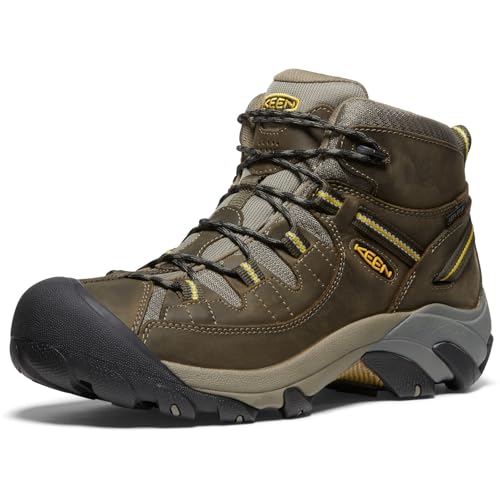
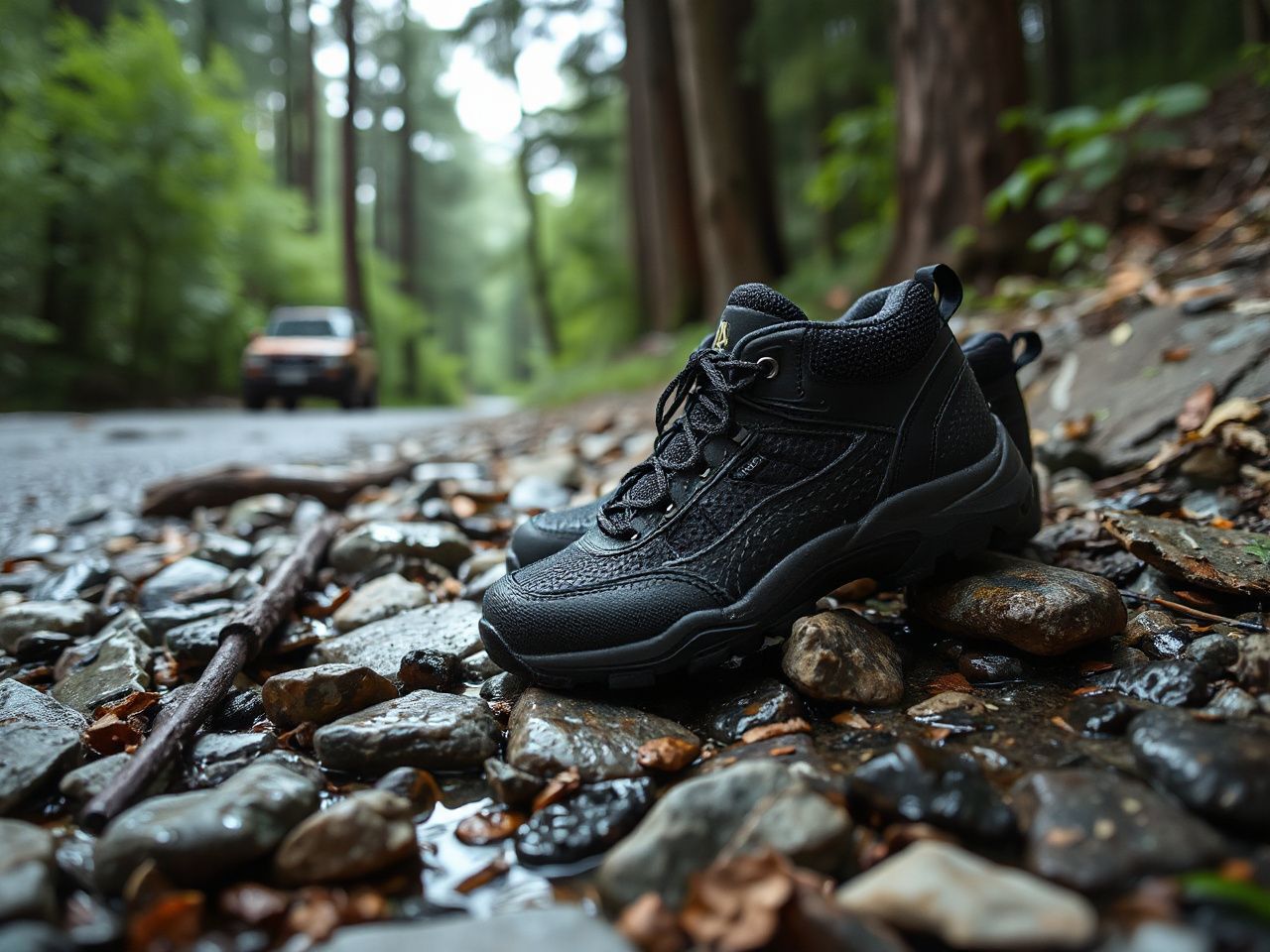
Most people who buy waterproof shoes for travel are buying the wrong shoe. They chase the biggest brand name or the highest “waterproof rating” and end up with sweaty, clammy feet in a hot city or a shoe that leaks after three months. I’ve traveled through monsoon cities, alpine trails, and cold rainy town streets with black waterproof shoes. The most overlooked distinction is that “waterproof” isn’t a performance category — it’s a compromise. The membrane (Gore-Tex, eVent) actually blocks airflow, so your feet sweat more in any climate above freezing, and the moment that sweat builds up, you feel wet even if no water got in. The trick is to match the shoe’s breathability and waterproofness to your real use: a flexible membrane that’s less waterproof but more breathable beats a fully sealed boot for city travel, and a durable seam-sealed upper with a re-treated DWR is what actually keeps water out long-term, not the brand logo. So before you buy another pair of black waterproof shoes, understand what you’re actually getting.
Key Takeaways
- “Waterproof” is not the same as “water-repellent”: a true waterproof shoe has a membrane plus seam sealing, while water-repellent only delays saturation.
- Breathability is seriously compromised in most waterproof shoes, especially black ones in warm climates, causing sweaty feet and internal condensation.
- DWR coatings wear off quickly and need regular re-treatment; otherwise the upper saturates and the shoe loses its waterproofing.
What “Waterproof” Actually Means in Travel Shoes
Let’s start with a definition that most retailers won’t give you. A shoe labeled waterproof must pass a specific test, usually involving submerging the shoe in water or flexing it under water pressure for a set number of cycles. But that label does not mean the shoe will keep your feet dry in all conditions. The construction matters more than the marketing.
Waterproof vs. Water-Repellent: Know the Difference
Water-repellent shoes have a coating or tight weave that makes water bead up and roll off for a short time. But soak them and water will eventually get through. A true waterproof shoe has a membrane layer, like Gore-Tex or eVent, laminated to the inside of the upper, plus taped seams so water cannot enter through stitch holes. According to Gore-Tex’s official technology explanation, the membrane has pores about 20,000 times smaller than a water droplet but 700 times larger than a water vapor molecule. That’s the theory: water stays out, sweat vapor escapes. In practice, it’s never that simple, especially in humid climates.
For city travel in light rain, a water-repellent shoe might be all you need. But if you’ll be walking through puddles or standing in downpours, a seam-sealed waterproof membrane is the only thing that will actually keep your socks dry. The difference is durability: water-repellent coatings wash away after a few wears, while a membrane lasts the life of the shoe—if you maintain the outer fabric.
Why Do Waterproof Shoes Start Leaking After a Few Months?
Here’s the frustrating part. The membrane itself almost never fails. The problem is almost always the surrounding construction. Seam tape can peel away from the upper after repeated flexing, especially in hiking shoes that see a lot of toe bend. The DWR coating on the outer fabric wears off from friction, washing, and dirt. Once that coating is gone, the outer fabric absorbs water, becomes heavy, and blocks the membrane’s breathability. Your foot then gets wet from internal condensation, and you blame the membrane. The most common cause of leaking waterproof shoes is not a torn membrane but failed seam sealing or a worn DWR coating that allows the outer fabric to soak through.
That’s why a brand logo is not a guarantee. Fully taped, Gore-Tex-lined boots can leak if the DWR is never reapplied. Meanwhile, a well-maintained pair with a lesser-known membrane can stay dry for years.
The Breathability Trade-Off and How Black Color Makes It Worse
This is the section that separates experienced travelers from first-timers. Waterproof membranes restrict airflow, period. The same pores that block water also slow down the movement of water vapor from your foot to the outside. In cold rain, that’s a fair trade. In warm, humid weather, it means sweaty feet and that clammy, damp feeling even when no water has entered.
Membranes Block Water, But Also Air
Black waterproof shoes in a monsoon climate fail in a way that catches buyers out. Keeping rain out is the part that works. The problem is the inside: at 90% humidity a sealed membrane cannot vent sweat as fast as a foot produces it, and socks end up soaked within the hour. The result is identical to a leak and the cause is the opposite one. This is the compromise mentioned earlier — a fully sealed membrane boot is overkill in a hot climate, where a lighter shoe with a less aggressive waterproof treatment is the better buy.
For travelers who plan to spend most of their time in warm cities, I recommend a shoe that is water-resistant rather than fully waterproof, or at least one with a thinner, more breathable membrane like eVent or a polyester-based alternative. The waterproof running shoe category often uses these lighter membranes, which trade some waterproofness for much better airflow.
Why Black Shoes Are Hotter in the Sun
There’s a physical reason black shoes feel hotter on sunny days. Dark colors absorb a wider spectrum of visible and infrared light, converting that energy to heat. A black shoe left in direct sunlight can be 10–15°F hotter on the surface than a white or light-gray version. On hot pavement, that extra heat transfers to your feet, making the shoe uncomfortable and increasing sweat production inside the waterproof membrane. If you travel to sunny, warm destinations, consider whether you truly need black waterproof shoes. A dark charcoal or navy might serve the same wardrobe purpose while absorbing slightly less heat.
Should You Size Up for Waterproof Shoes?
Waterproof shoes tend to fit a half size smaller than their non-waterproof counterparts because the membrane adds thickness to the upper and reduces stretch. If you plan to wear thicker merino wool socks in cold rain, going up half a size is wise. But in warm weather, thicker socks are counterproductive—they just add more insulation and make the sweat problem worse. My rule: size up only if you’ll be traveling in cold climates and wearing heavy socks. For tropical travel, stick with your normal size or even a wider fit to allow air circulation. The men’s wide waterproof shoes guide covers width options in detail.
Maintaining the Waterproofing So It Actually Lasts
Buying a good waterproof shoe is only half the job. Without maintenance, the waterproofing degrades within a few months of regular travel. The two main enemies are DWR wear and internal drying mistakes.
DWR Re-Treatment: How Often and What to Use
The DWR coating on the outside of the shoe is what makes water bead and roll off. It wears away from abrasion, dirt, and washing. When water stops beading and the fabric starts to wet out, it’s time to reapply. Most DWR treatments last between 20 and 40 wears, depending on conditions. For black shoes, use a spray-on DWR rather than a wash-in product, because wash-in treatments can leave a whitish residue that shows on dark fabric. Nikwax and Grangers both make spray-on DWR that works on synthetic and leather uppers. The Nikwax official site has clear instructions for application and drying times. I reapply after every three or four weeks of daily travel in wet conditions, or whenever I notice the fabric darkening as it soaks up water.
Drying Wet Waterproof Shoes Without Ruining the Membrane
This mistake ruins more shoes than any trail accident. People come in from the rain, toss their shoes next to a radiator or stuff them in a dryer, and the next morning the waterproofing is shot. The heat delaminates the membrane from the upper, creating tiny channels where water can enter. Drying waterproof shoes with direct heat can cause the membrane layers to separate, which permanently destroys the waterproofing. Instead, remove the insoles, loosen the laces, and stuff the shoes with crumpled newspaper or a microfiber towel. Change the paper every few hours. In a well-ventilated room, they’ll dry overnight. A small fan blowing across the opening speeds things up without damaging the membrane.
Cleaning Black Shoes: Road Dust and Salt Stains
Black shoes hide dirt less well than you might think. Road dust leaves a gray film, and winter salt creates white crusty rings that are extremely visible on black. To clean without stripping the DWR, use lukewarm water, a soft-bristled brush, and a pH-neutral soap made for technical footwear. Avoid laundry detergents and dish soap; they contain surfactants that break down the DWR. For salt stains, mix one part white vinegar with three parts water and wipe the affected area with a cloth. The acid in vinegar dissolves the salt without harming the membrane. After cleaning, always reapply DWR to the areas that saw the most scrubbing.
Sole Grip and Slip Resistance: The Safety Part Most Travelers Ignore
Check the outsole before you even look at the membrane. A waterproof shoe that slips on wet marble stairs is a hospital visit waiting to happen. The outsole compound and tread pattern determine how well the shoe grips wet, oily, or icy surfaces.
Many brands advertise slip resistance using ASTM F2913, a standard test that measures dynamic coefficient of friction on wet and oily surfaces. A shoe that passes this test has a sole that meets minimum grip thresholds, but it’s not a guarantee for all conditions. For icy streets, even the best rubber outsole struggles. That’s where add-ons like YakTrax come in—they fit over your shoe and provide metal studs for traction on ice and packed snow. I keep a pair packed in my winter travel bag, because no waterproof shoe can grip glare ice on its own.
For most urban travel, look for a sole with a softer rubber compound (durometer around 55–65A) and a pattern of deep, angled lugs that channel water away. The lug depth doesn’t need to be aggressive like a hiking boot, but a completely smooth sole is a red flag. Vibram is a well-known outsole manufacturer, but many brands use their own proprietary compounds that work just as well.
Choosing the Right Black Waterproof Shoes for Your Trip
Now that you understand the compromises, here’s how to match a shoe to your actual travel plans. Not all black waterproof shoes are created equal, and the worst purchase is a heavy hiking boot for a city trip or a flimsy sneaker for a backcountry trek.
City Travel vs. Hiking: Different Needs
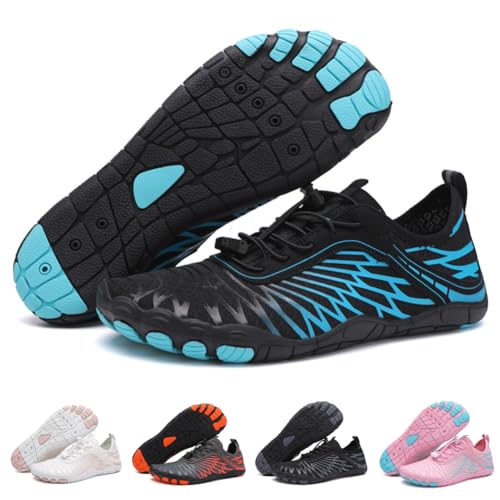
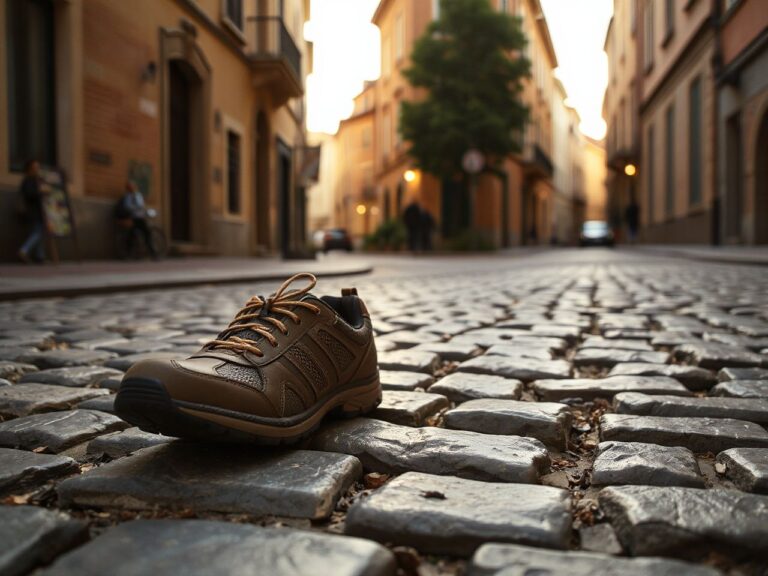
For urban travel—walking on cobblestones, hopping on and off trains, maybe a day hike in a park—you want a lightweight, flexible shoe with a moderate waterproof membrane. A full hiking boot is overkill: it’s heavy, stiff, and takes forever to dry if it floods. Instead, look for a low-cut or mid-cut shoe with a breathable mesh upper and a reliable seam-sealed membrane. The outsole should have enough grip for wet pavement but not aggressive lugs that collect mud and feel awkward on hard floors. Many travelers find that a waterproof trail running shoe or a casual sneaker with a membrane is the sweet spot. If you’re open to non-waterproof options for dry days, our black comfortable shoes guide lists some great packable alternatives.
Dressier Waterproof Options vs. Hiker-Style
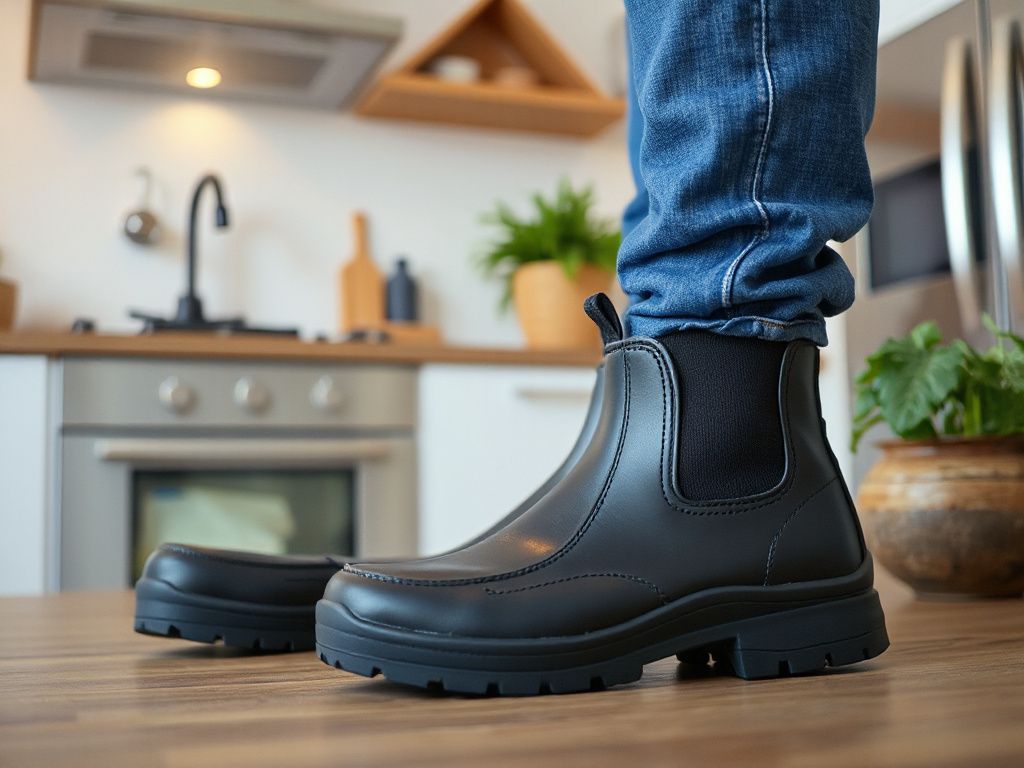
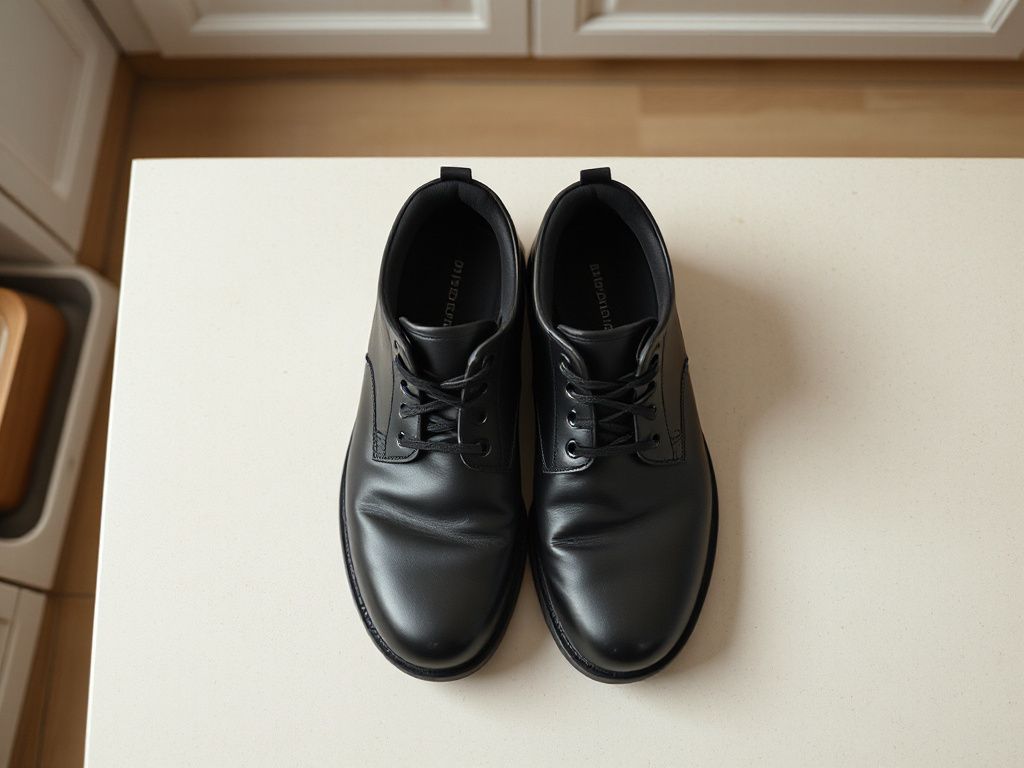
There are black waterproof shoes that look like dress Oxfords or Chelsea boots, but they are rare and often compromise on breathability because the membrane has to be hidden under a smooth leather exterior. For most travel, a black waterproof sneaker or a low-profile hiker is more versatile. You can wear them with jeans, chinos, or even casual trousers, and they won’t scream “tourist” the way a bright hiking boot does. If you need a shoe for a formal event, pack a separate pair of lightweight black loafers and keep the waterproof shoes for wet days. The extra weight is worth it.
Do You Actually Need Waterproof Shoes for Day Trips?
This is a question I get constantly. If your day trips involve being outdoors for hours in unpredictable weather, yes, waterproof shoes are worth the money. But if you’re mostly going from hotel to museum to restaurant with occasional light drizzle, a water-repellent shoe will keep your feet dry enough. Another option is to wear your normal comfortable shoes and carry a pair of waterproof socks, like Sealskinz, as a backup layer. Waterproof socks work surprisingly well inside non-waterproof shoes, and they dry quickly. For travelers who want maximum versatility, the trail running shoe category—often with a light membrane—is worth exploring; our waterproof running shoes for 2026 roundup covers that niche.
Frequently Asked Questions
Can I wear black waterproof shoes in hot tropical climates, or will my feet suffocate?
You can, but you’ll likely be uncomfortable. In temperatures above 80°F with high humidity, a fully waterproof membrane blocks sweat evaporation and causes internal condensation. Your feet will feel damp even though no water entered. For tropical travel, choose a shoe that is water-resistant rather than fully waterproof, or look for a very thin, breathable membrane like eVent. If you must have full waterproofing, plan to swap socks midday and let the shoes air out in the shade.
How often do I need to reapply DWR to my black waterproof shoes?
Reapply when water stops beading on the surface and the fabric starts to darken as it saturates. For daily wear in wet conditions, that’s roughly every three to four weeks. For occasional travel, every two to three months may be enough. Use a spray-on DWR designed for dark fabrics to avoid white residue. A spray-on DWR such as the Nikwax spray is easy to apply and is made not to affect breathability. Don’t wait until the shoe starts leaking; by then the upper is already saturated and the membrane’s performance is compromised.
What causes condensation on the inside of my waterproof shoes and how do I prevent it?
Condensation forms when warm, moist air from your foot meets the cooler inner surface of the membrane, and the moisture condenses before it can escape as vapor. It’s worse in cold weather or high humidity. To prevent it, wear moisture-wicking socks made of merino wool or synthetic blends, not cotton. Choose a shoe with a more breathable membrane and a thinner upper. If condensation is already a problem, remove the insoles at night and let the shoes air dry completely. Stuffing them with newspaper speeds the process and pulls moisture out of the lining.
Black waterproof shoes are a tool, not a magic shield. Match the waterproofing level and breathability to your destination, maintain the DWR, and never dry them with heat. That’s the difference between a shoe that lasts five years and one that dies in five months.