The Complete Solo Travel Packing Checklist
Contents
Most solo packing advice is backwards. The internet hands you a 40-item checklist and calls it a day, but that list is exactly why your bag weighs 18 kilograms and your shoulders ache by day three. Efficient packing is a matter of logistics. A successful solo packing system is built on experience from weekend city breaks to month-long journeys. The core principle that beginners miss is that every item must serve at least two purposes, and you should never pack an item ‘just in case’ because on a solo trip, you’re the only one who will carry it. A modular approach where clothes, toiletries, and gear are organized into tiny sub-kits is essential, and the real art is balancing comfort and safety with packability, not just making a neat list. This guide to solo travel packing is not another list. It’s a system, built on a logistics mindset where a bag is routed for travel without a single issue. For a broader look at staying safe and confident on your first solo trip, check out our solo travel tips for first-timers.
Key Takeaways
- Forget the checklist. Build a modular packing system with sub-kits for clothes, toiletries, electronics, and documents.
- Every item must serve two purposes. Never pack ‘just in case’ because you are the only one carrying it.
- Carry-on limits vary by airline. Know your specific airline’s dimensions before you book, not after.
- Laundry is your best friend. A 5-day clothing rotation plus a travel wash kit beats a 14-day pile of clothes.
Solo Travel Packing: Why Most Advice Fails
The standard packing list treats every trip as if you have a porter. Solo travelers don’t. When I ship a motorcycle to another country, I have to account for every kilogram because excess weight costs money and complicates customs. Your own back works the same way. The most common failure is treating packing as a collection of items rather than a distribution of weight and utility. A solo traveler’s bag should be self-contained like a well-packed crate, not a random assortment. That’s why I focus on dual-purpose items and modular organization.
Budget airlines are notorious for shrinking carry-on allowances below the IATA standard of 56 x 45 x 25 centimeters. Ryanair, for example, allows only 40 x 20 x 25 cm for a free personal item. If you don’t verify before you book, you’ll pay a gate fee that costs more than a checked bag. So the first rule of solo packing is to know your bag’s dimensions and compare them to the airline’s published limits. For more clever ways to avoid extra fees, read our top expert travel hacks.
The Modular Packing System
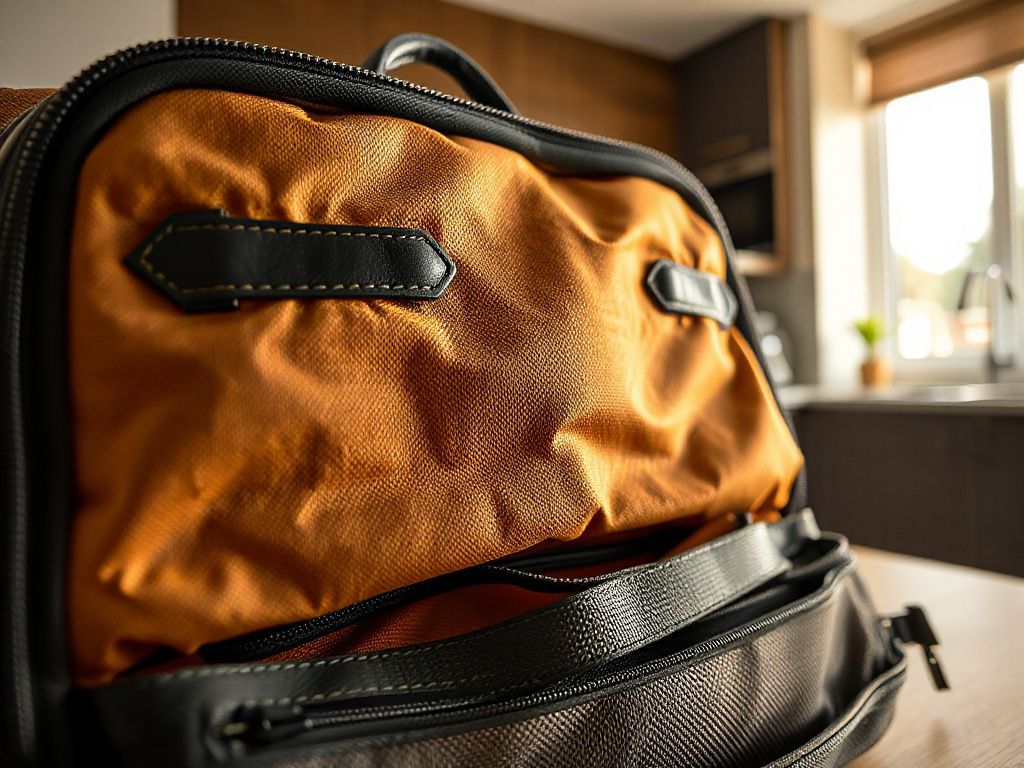
Instead of one big pile, I use four sub-kits: clothing pods, a toiletry pod, an electronics pod, and a document pod. Each pod lives in its own packing cube or ziplock. When I arrive at a hostel, I can pull out one pod without unpacking the entire bag. This is the same approach I use for customs paperwork; never have your documents scattered among clothes.
Clothing Pod: The 5-4-3-2-1 Rotation
To fit two weeks of clothes into a carry-on, you don’t pack 14 outfits. You pack a rotation. My baseline: five tops, four bottoms (including one pair worn), three pairs of underwear, two pairs of socks, one mid-layer. That’s eleven pieces excluding what you wear on the plane. Merino wool is the workhorse here. A single merino t-shirt can be worn three or four days without odor because the fiber naturally resists bacteria, according to textile research from the Woolmark Company. It also regulates temperature and dries quickly. The downside is fragility; merino needs gentle hand washing and flat drying, so bring a small mesh bag for laundry. Pack underwear and socks in a separate small cube or ziplock placed on top of heavier items. Socks and underwear get crushed when you stack a laptop and shoes on top, so give them their own protected space near the bag’s top or in a front pocket. If you’re short on space, roll your clothes instead of folding. Rolling reduces wrinkles and lets you compress more into a compression cube. But remember that compression cubes add about 100 grams each. With solo travel packing, every gram is on your back, so use only one or two cubes, not a full set.
For shoes, the universal answer is to pack only one extra pair. Sneakers go at the bottom of the bag, stuffed with socks and underwear to hold their shape and use the empty interior space. A plastic shower cap over the soles keeps dirt off your clothes. If you need hiking boots, wear them on the plane and pack lightweight sneakers inside.
Toiletry Pod: Liquids Without the Hassle
The TSA 3-1-1 rule is non-negotiable for carry-on: all liquids, gels, aerosols, and creams must be in containers of 3.4 ounces (100 milliliters) or less, and they must all fit inside a single quart-sized clear bag. That’s from the TSA’s official liquids rule. To maximize space, decant shampoo and conditioner into 30-milliliter bottles, switch to solid shampoo bars, and use toothpaste tablets. A universal travel adapter with two USB ports replaces three separate chargers. Put all cables, earbuds, and a power bank in a small zippered pouch. Keep the power bank under 27,000 mAh because airlines have limits on lithium batteries in carry-on.
Do not check your toiletry pod. If your bag gets gate-checked, you can quickly remove it and keep your essentials with you.
Electronics and Documents Pod: The Lockable Core
Solo travelers manage their own bag at all times, so a dedicated laptop compartment with lockable zippers is a security benefit, not a luxury. Your passport, travel insurance documents, and backup credit cards belong in a slim document pouch that can be worn under your shirt or stored in a hidden pocket inside the bag. Make digital copies and store them in a cloud service. If you lose your passport, a local embassy will ask for a copy and a police report. Having them accessible on your phone speeds up the process. For a complete rundown on travel insurance coverage for lost bags and emergency assistance, see our travel insurance guide for solo travelers.
Weight, Security, and the Carry-On Question
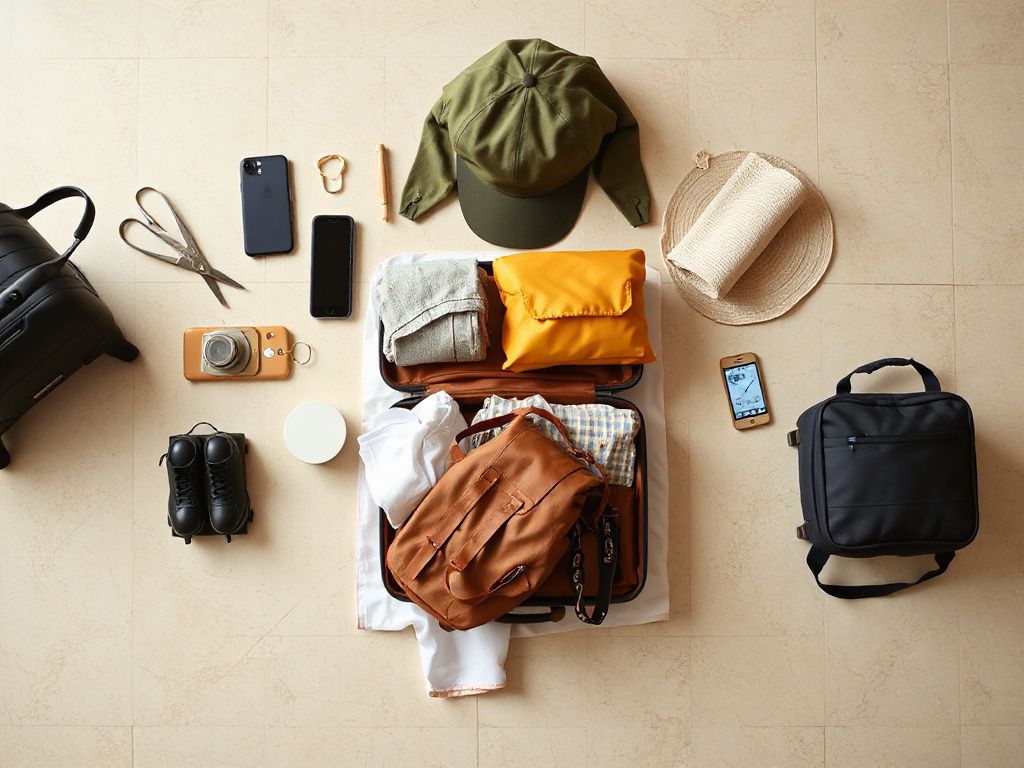
Should you go carry-on only? For most solo trips under three weeks, yes. The carry-on saves you from waiting at the carousel, eliminates lost luggage risk, and forces you to pack lighter. But it requires discipline. The average checked bag allowance is 23 kilograms, which is far too heavy to carry comfortably through metro stations and cobblestone streets. A fully loaded carry-on backpack should weigh between 7 and 10 kilograms. If you can’t lift it overhead with one arm, it’s too heavy.
Security is a bigger concern when traveling solo because there is no one to watch your bag while you use a restroom or buy a train ticket. I recommend a small TSA-approved cable lock that can secure zippers together, plus a lightweight steel mesh net if you leave your bag in a hostel locker. Hostels usually provide lockers but not locks. Bring a compact padlock with a long shackle. A foldable daypack solves the sightseeing problem: leave your heavy main bag locked at the accommodation and carry only a water bottle, camera, and a thin layer in a pack that folds into a tiny pocket when not in use.
Laundry is the keystone of light packing. When you stay in different hostels every few days, you cannot rely on a washing machine. Pack a few feet of paracord, a flat rubber sink stopper, and a small bottle of travel wash or a few laundry sheets. Sink washing takes ten minutes. Merino wool and synthetic quick-dry fabrics will be dry by morning. Do not pack cotton t-shirts for travel; they hold moisture and dry slowly, which is miserable in humid climates.
Advanced Strategies for Long-Haul Solo Trips
When you’re crossing climates, the layering system is your only solution. A merino base layer, a light fleece mid-layer, and a packable down jacket handle anything from 5°C to 25°C when combined with a rain shell. Each layer compresses into its own small stuff sack. Do not pack a separate warm coat and a separate rain coat; a waterproof shell over a down jacket is warmer and lighter. This is exactly how I plan motorcycle transport across temperature zones: modular components that can be added or removed without replacing the whole system.
Dual-purpose gear is the holy grail. A large microfiber towel can also serve as a beach blanket or a pillow cover. A sarong works as a scarf, a blanket, a privacy curtain, or a beach wrap. A buff can be a hat, a neck gaiter, or a dust mask. Avoid single-use items like a dedicated sleep mask if a buff can serve. For digital nomad gear, keep a small USB-C hub instead of five dongles. A universal travel adapter with two USB ports replaces three separate chargers.
Sometimes the smartest move is to not carry everything at once. Many airports and hotels offer luggage forwarding services. If you’re spending a week in a city before heading into the mountains, you can ship your city clothes ahead to the next accommodation and travel with only your hiking kit. This is standard practice for motorcycle transport where I crate and ship a bike between cities while I ride a lighter bike in between. The same principle applies to your backpack. For more ideas on streamlining your entire solo journey, revisit our complete guide for first-time solo travelers.
The Five Solo Packing Mistakes I See Most Often
First, overpacking ‘just in case’. Second, bringing too many shoes; one pair worn plus one pair packed is the maximum. Third, ignoring laundry; if you don’t pack a wash kit, you’ll pack more clothes to avoid washing. Fourth, choosing fashion over function; a beautiful but heavy coat will be left in the hotel room. Fifth, ignoring bag security; an unlocked bag is an invitation in a hostel dorm. Each of these mistakes adds weight, cost, or risk. Fix them and your solo travel packing becomes effortless.
One final note on the travel backpack versus a duffel bag. A duffel has no frame and digs into your shoulder after a mile. A proper travel backpack with hip belt and load lifters distributes weight to your hips, not your spine. The hip belt alone can reduce perceived weight by 30 percent. If you plan to walk more than ten minutes with your bag, choose a backpack. For a short taxi-to-hotel trip, a duffel works but is less secure because it has fewer lockable zippers.
Frequently Asked Questions
What is the biggest mistake in solo travel packing?
Overpacking ‘just in case’ items. Because you carry everything yourself, each unnecessary item is a burden. The largest single mistake I see is packing for the trip you fear rather than the trip you planned. Build a 5-day rotation and do laundry. You can buy almost anything locally if you truly need it, and that purchase costs less than the back pain of carrying it for three weeks.
Is a carry-on bag enough for a two-week solo trip?
Yes, if you use a modular wardrobe and plan to wash clothes every four to five days. A 40-liter backpack fits within most airline carry-on limits and holds around 10 kilograms. That’s enough for four tops, three bottoms, three underwear, two socks, one mid-layer, one outer layer, toiletries, and electronics. Anything more and you’ll be forced to check the bag.
How do I pack a backpack so I’m not digging for everything?
Use packing cubes or ziplock bags as sub-kits. Put heavy items like shoes and laptop close to your back for stability, lighter items like clothes on top, and frequently used items like passport, phone charger, and lip balm in the top pocket or hip belt. Never bury your liquids bag; it must be accessible in five seconds at security. This system means you unpack by pulling out one pod, not by emptying the entire bag.
Should I use packing cubes for solo travel packing?
Only one or two compression cubes, not a full set of six. Cubes add weight and rigidity but are excellent for separating clean clothes from dirty laundry and for keeping socks and underwear from being crushed. A single medium cube for clothes and a small one for electronics is a good balance. Avoid the cheap ones with flimsy zippers; they fail mid-trip and scatter your kit.
What’s the best way to pack shoes without wasting space?
Wear your bulkiest shoes on the plane and pack only one extra pair. Place packed shoes at the bottom of the bag, stuffed with socks and underwear to use the interior volume. Cover the soles with a shower cap to protect clothing. If you need both sneakers and sandals, choose a packable sandal that flattens to less than two centimeters.