Solo Travel New York: Your Ultimate Guide
Contents
The moments that make the best stories are almost always the ones where something went wrong. Preparation doesn’t prevent adventure — it just gives better options when it shows up. That principle applies directly to solo travel New York, a city that rewards planning but never punishes flexibility.
Key Takeaways
- Plan your route like a military mission: identify fuel intervals, weather contingencies, and emergency bail-out points before you arrive.
- New York City is a dense, high-traffic environment; walking and public transit are your primary vehicles, not a car.
- Always carry a backup plan for lodging, transportation, and communication — solo travelers have no wingman to rely on.
Phase One: Pre-Deployment Planning for Solo Travel New York
Before you step foot in the five boroughs, your planning should mirror a pre-ride inspection. You wouldn’t set out on a cross-country motorcycle trip without checking tire pressure, oil levels, and route maps. Solo travel New York demands the same discipline.
Route Reconnaissance and Accommodation
Identify your base of operations first. Solo travel New York means you’ll be navigating a city of 8.5 million people. Choose a neighborhood that matches your mission profile. Midtown Manhattan offers proximity to major attractions but comes with noise and higher costs. Brooklyn’s Williamsburg or Park Slope provides a quieter base with good subway access.
Book your accommodation with a cancellation policy. Weather in New York can shift from clear to rainy within an hour, especially in spring and fall. If you’re arriving between November and March, expect temperatures ranging from 20°F to 45°F. Pack layers, a waterproof shell, and insulated boots.
Transportation Logistics
Driving a car in Manhattan is a tactical error. Traffic congestion, parking fees exceeding $50 per day, and aggressive drivers make it the worst option. Solo travel New York is best executed on foot, subway, and ride-sharing services.
- Subway: Operates 24/7. Purchase a MetroCard or use contactless payment. Study the MTA map before arrival — know which lines serve your route.
- Walking: The most reliable method. Manhattan is roughly 13.4 miles long and 2.3 miles wide. A brisk walk from the Battery to Central Park takes about two hours.
- Ride-sharing: Uber and Lyft are available but surge pricing can triple fares during peak hours. Budget $20–$40 per trip within Manhattan.
Phase Two: Navigation and Safety on the Ground
Once you’re on the ground, your focus shifts to situational awareness. Solo travel New York requires constant scanning of your environment, much like riding through heavy traffic. You’re responsible for your own safety.
Street Smarts and Emergency Protocols
New York is statistically one of the safest large cities in the United States, but petty crime exists. Keep your wallet in a front pocket. Avoid displaying expensive electronics in crowded subway cars. If you feel unsafe, enter a nearby store or restaurant — New Yorkers will help.
Establish a check-in protocol. Text a trusted contact your location at predetermined intervals — every two hours is a good baseline. If you deviate from your planned route, update them. This mirrors the communication discipline used on long motorcycle rides: if you don’t check in, someone knows where to start looking.
Weather Contingencies
New York weather is unpredictable. A sunny morning can turn into an afternoon thunderstorm. Check the forecast twice daily: once in the morning and once before heading out for evening activities.
- Summer (June–August): Highs of 85°F to 95°F with humidity above 70%. Carry a reusable water bottle and take breaks in air-conditioned spaces.
- Winter (December–February): Lows of 20°F to 30°F. Snowfall averages 25 inches per year. Wear waterproof boots with good tread — sidewalks can be icy.
- Spring/Fall: Temperatures between 40°F and 70°F. Pack a light jacket that can layer over a sweater.
Phase Three: Attractions and Itinerary Optimization
New York’s attractions are spread across the boroughs. Without a plan, you’ll waste hours backtracking. Solo travel New York benefits from grouping activities by geographic proximity.
Manhattan Core Loop
Start at the southern tip and work north. This route minimizes transit time.
- Financial District: Visit the Charging Bull, the New York Stock Exchange, and the 9/11 Memorial. Allow 2–3 hours.
- Midtown: Walk up Broadway to Times Square, then head east to Rockefeller Center and the Top of the Rock observation deck. Allow 3–4 hours.
- Central Park: Enter at 59th Street. Walk the central loop (6.1 miles) or take a shorter route along the Mall. Allow 2–3 hours.
For solo travelers, the key is pacing. It is best to plan a maximum of three major activities per day, with a one-hour break for lunch and a thirty-minute rest in between.
Brooklyn Side Trip
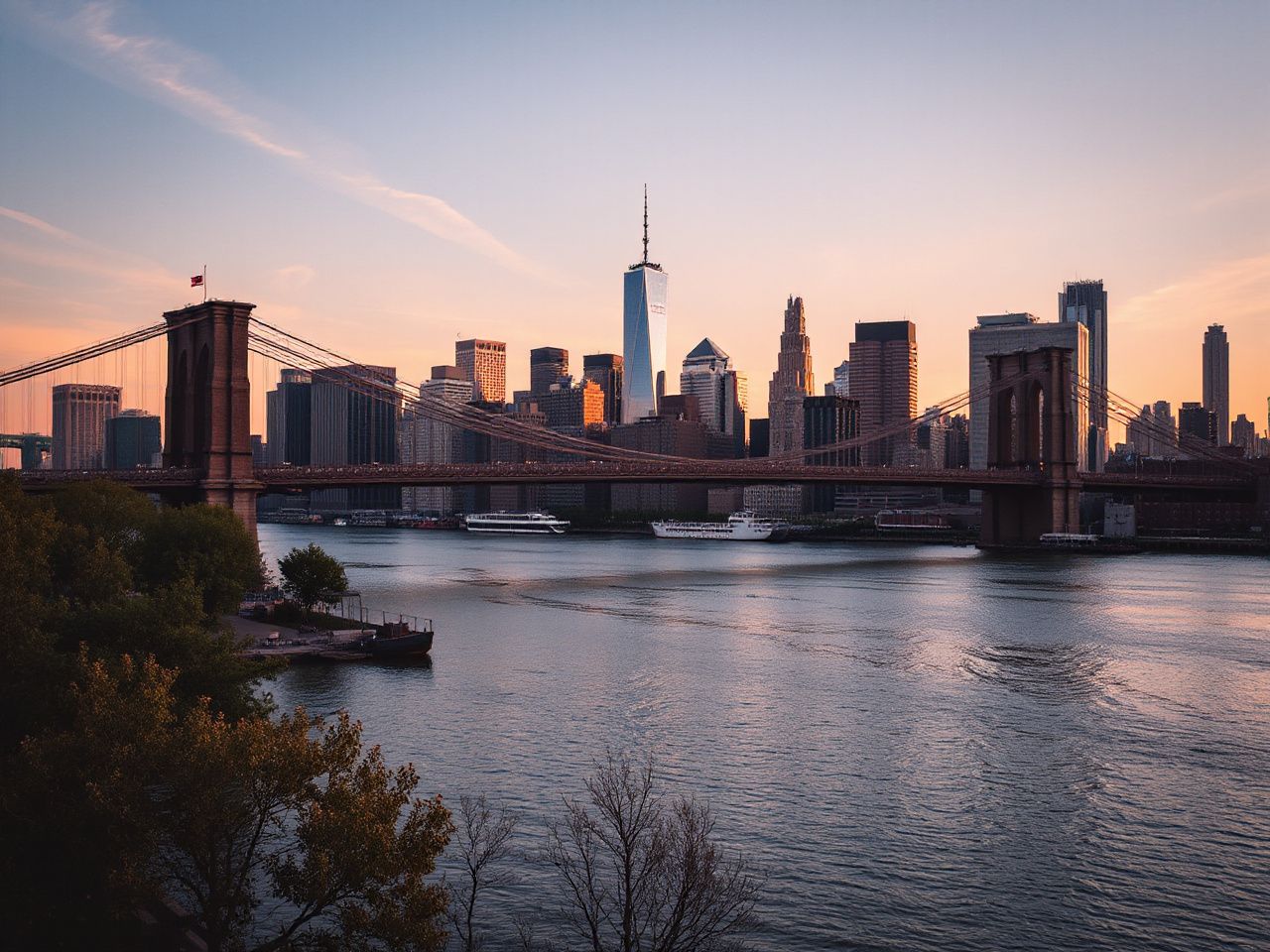
Cross the Brooklyn Bridge on foot (1.1 miles, about 25 minutes). Explore DUMBO and Brooklyn Bridge Park. Visit the Brooklyn Museum and Prospect Park. This route takes a full day but offers a quieter, more residential perspective of the city.
If you’re looking for structured guidance, our Solo Travel Tips: The Complete Guide for First-Timers includes detailed itineraries for multiple cities, including New York.
Phase Four: Emergency Bail-Out Points and Backup Plans
Every mission needs abort criteria. Solo travel New York requires you to identify emergency bail-out points before you need them.
Medical Emergencies
Know the location of the nearest hospital to your hotel. Major hospitals include Mount Sinai (Upper East Side), NYU Langone (Midtown), and Bellevue (Kips Bay). For non-emergency medical issues, use a walk-in clinic like CityMD — there are over 60 locations across the city.
Lost or Stranded
If you miss the last subway train (which runs 24/7 on most lines but with reduced frequency after midnight), ride-sharing is your primary option. Budget an extra $50 for emergency transportation. If your phone dies, carry a paper map of the subway system — available at any station booth for free.
For financial emergencies, keep a physical credit card separate from your wallet. A money belt worn under your clothing is a good option. If your wallet is stolen, you still have access to funds.
Before you travel, review our Travel Insurance for Solo Travelers: Complete Guide to ensure you have coverage for medical evacuation, trip cancellation, and lost baggage.
Frequently Asked Questions
Is New York City safe for solo travelers?
Yes. New York City is statistically one of the safest large cities in the United States. Violent crime rates have dropped significantly since the 1990s. Solo travelers should still practice standard urban safety: keep valuables hidden, avoid empty subway cars late at night, and stay aware of your surroundings. Neighborhoods like Midtown, the Upper East Side, and Park Slope are particularly safe.
What is the best way to get around New York City as a solo traveler?
The subway is your best option for speed and cost. A single ride costs $2.90. Walking is ideal for short distances and allows you to discover hidden gems. Ride-sharing is useful for late-night travel or when you’re carrying heavy bags. Avoid driving a car — parking is expensive and traffic is brutal.
How much money do I need for a solo trip to New York City?
Budget $150–$300 per day for a comfortable solo trip. This includes a mid-range hotel ($150–$250 per night), three meals ($50–$80), attractions ($20–$40), and transportation ($10–$30). Add a buffer of $50 per day for unexpected expenses. If you’re on a tighter budget, hostels and street food can reduce costs to $100–$150 per day.
What should I pack for solo travel in New York?
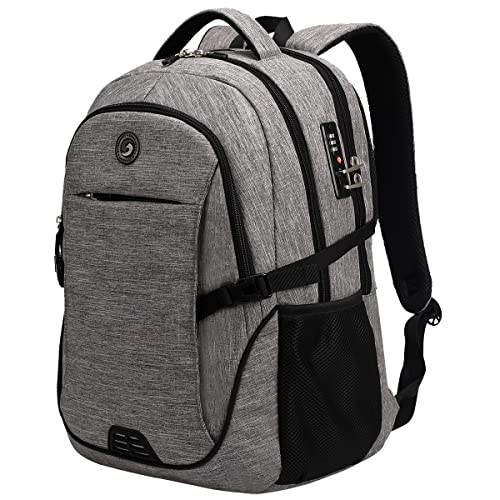
Pack layers. A waterproof jacket, comfortable walking shoes, and a small backpack are essential. Bring a portable charger for your phone, a reusable water bottle, and a paper map as backup. In winter, add insulated boots, gloves, and a hat. In summer, pack light clothing and sunscreen. Avoid bringing expensive jewelry or large amounts of cash.