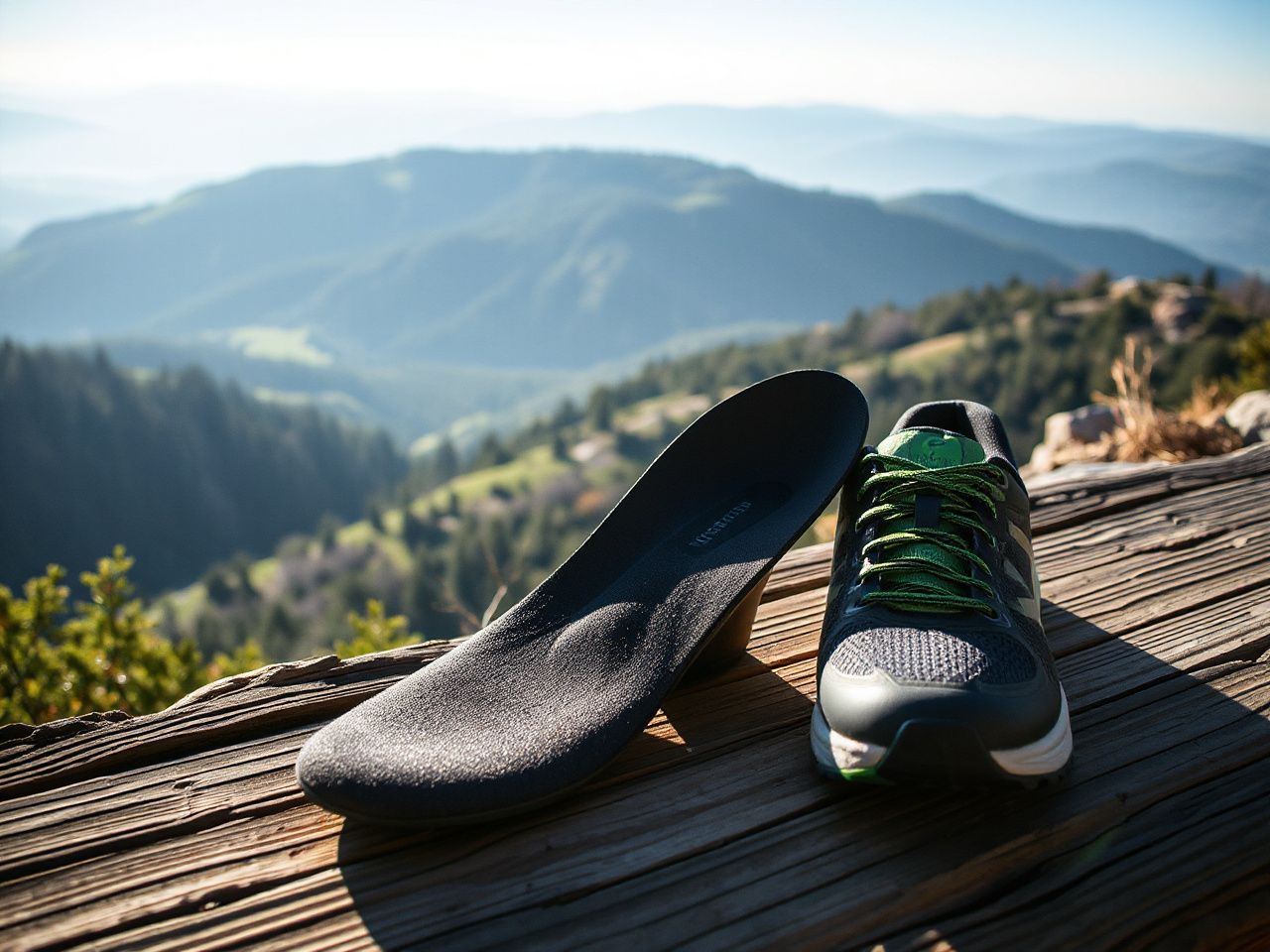
Sport Insoles Explained: Your Complete Buying Guide
Contents
According to the American Podiatric Medical Association, 77% of American adults experience significant foot pain at some point. That number is notable when considering long-distance riding across gravel roads in desert heat, where feet are often crammed into boots that do not fit well. The most overlooked factor in sport insoles is how the insole’s heel cup and arch shape interact with your shoe’s existing slope and volume. A great insole won’t save a poorly fitted shoe, and a stiff carbon plate isn’t the answer for everyone. Matching the insole’s support profile to your foot’s arch type and the specific sport’s movement demands is key, since a basketball shoe and a hiker need different shock geometry.
Key Takeaways
- Sport insoles do not fix a shoe that is too small or too narrow—they add volume and can compress your toes if forced into tight footwear.
- High-arch insoles can overload the midfoot and cause stress fractures if you are not used to them; a break-in period of 20 to 30 hours of wear is standard.
- Most quality sport insoles last between 500 and 800 miles of hard use, but EVA foam versions flatten noticeably after 300 miles and need earlier replacement.
What Sport Insoles Actually Do (And What They Don’t)
Sport insoles replace the thin, flimsy liner that comes inside your athletic shoes or boots. The stock liner is usually a flat piece of foam with zero structural support. A real sport insole gives you a shaped heel cup, an arch contour, and sometimes a metatarsal pad under the ball of the foot. That combination changes how force travels through your foot on every stride or pedal stroke. But here is the part most people miss: the insole only works if the shoe itself has enough depth and volume to accept it. My years fitting insoles at a running specialty store taught me that the insole’s heel cup and arch shape have to interact with the shoe’s existing slope and volume, not fight against it.
Inserts versus insoles is a distinction worth making. An insert is any removable layer you add, even a thin gel pad. A sport insole is a structural device with a rigid or semi-rigid arch and heel stabilizer. The difference is night and day on a 12-hour gravel ride. A gel pad just squishes; a proper insole redirects pressure away from your plantar fascia and toward your arch and heel bone.
Firm versus cushioned: which one should you pick?
Firm sport insoles use high-density EVA foam, polyurethane, or a carbon fiber plate to control motion. They work best for overpronators or anyone with a collapsing arch. Cushioned sport insoles use softer foams and gel pods to absorb impact, which suits a neutral foot that just wants more shock protection. The mistake I see constantly is a runner with a flexible flat foot buying a maximally cushioned insole because it feels plush in the store, then wondering why their knee pain gets worse after 40 miles. Cushion without support just delays the problem. Firm support without enough cushioning can beat up a high-arched foot on hard descents. Match the support profile to your arch type, not your love of pillow-soft comfort.
Do you actually need sport insoles, or just better shoes?
This is the question everyone should ask before spending money. An insole cannot repair a shoe that is too short, too narrow, or worn out in the midsole. If your shoe’s outsole is compressed to half its original thickness, or the upper is stretched so your foot slides around, the insole sits on top of a broken foundation. A good test: flex the shoe at the ball of the foot. If the whole shoe folds like a taco instead of bending only at the toe break, the midsole is dead. Replace the shoe first, then consider sport insoles for additional support.
Sport insoles also make sense when the shoe fits well but your foot needs extra structure. A low arch that collapses inward on every step, a heel that wobbles side to side, or a metatarsal pain under the ball after long descents are all legitimate reasons. If none of those apply and you are pain-free, the stock liner is fine. Save your money for a second pair of shoes.
Choosing Sport Insoles for Your Foot Type and Sport
Foot shape dictates the arch height and heel width you need. A high-arched foot needs a tall, rigid arch support to prevent the foot from rolling outward. A flat foot needs a lower, more flexible arch that still prevents overpronation. And a neutral foot tolerates the widest range, but even neutral feet benefit from a heel cup that locks the rearfoot in place. The key is that the insole’s arch support must align with your foot’s arch, not the shoe’s arch. Many beginners line up the insole’s arch with the shoe’s existing arch, which is usually far forward of the foot’s actual arch. Slide the insole under your bare foot and look at where the curve sits. If it is ahead of or behind your arch, that insole will rub you raw on the trail.
Materials that survive real use
EVA foam is the most common insole material because it is cheap and light. It also breaks down fast. In my field testing, a standard EVA insole shows visible compression after 300 miles of mixed terrain. Polyurethane costs more but keeps its rebound three times longer. Carbon fiber is rigid and thin, used in sport insoles for cycling shoes and cross-country ski boots where every millimeter of stack height matters. It does not cushion at all, so it only works in shoes that already have a supportive midsole. Brands like Superfeet, Currex, Powerstep, and Sole all use variations of these materials, but the material label matters less than the shape under your foot. A $20 EVA insole that fits your arch perfectly will outperform a $70 carbon plate that sits wrong.
Sport-specific demands change the geometry
A basketball shoe needs a thick, heel-wedged insole to handle repeated hard landings and lateral cuts. A hiking boot needs a low-profile, high-density insole that leaves room for thick socks and does not shift on steep descents. A cycling shoe needs an extremely thin, stiff insole to maximize power transfer without increasing stack height and causing hot spots. I learned this the hard way when I put a thick cushioned insole into a road cycling shoe and lost all feeling through the pedal stroke. The insole works, but only if it matches the movement demands of the sport. A basketball insole in a hiking boot is a recipe for rolled ankles; a hiking insole in a basketball shoe will feel like standing on a board.
Can you use the same pair for running, hiking, and cycling?
Rarely. Running and hiking both involve heel-to-toe gait cycles, so a moderately supportive insole can work for both if the shoes have similar volume. Cycling is a completely different motion: the forefoot is loaded almost exclusively, and the heel never strikes the ground. A thick, cushioned insole in a cycling shoe creates pressure points under the metatarsal heads because the foot cannot spread naturally. The answer is to have two pairs: one all-purpose sport insole for running, hiking, and everyday wear, and a stiff, thin cycling-specific insole for road or gravel shoes. Transferring insoles between shoes of the same type works, but between different shoe types you end up with a compromise that helps neither.
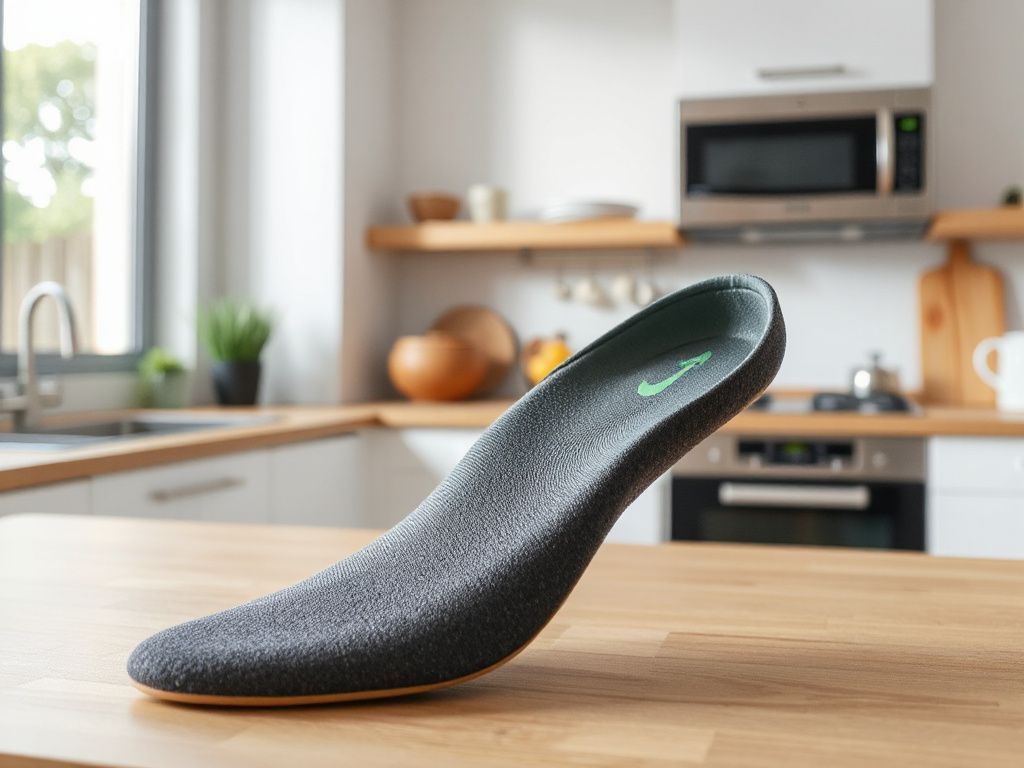
Fit, Break-In, and Avoiding Common Injuries
Sport insoles with thick heel cups or tall arches require a shoe with a removable insole and enough depth. Most modern running shoes and hiking boots have a removable liner, but some trail runners and all minimalist shoes do not. Check before buying. If the shoe’s stock liner is glued down, you cannot install a sport insole without destroying the shoe. Even with a removable liner, the replacement insole must not make the shoe too tight. Slide your hand into the shoe after installing the insole and check for toe room. If your toes touch the front or the fabric bunches over the top, the insole is too thick for that particular shoe.
Will sport insoles help with plantar fasciitis or knee pain?
For plantar fasciitis, the Mayo Clinic lists supportive insoles as a first-line conservative treatment. The right insole reduces strain on the plantar fascia by lifting the arch and stabilizing the heel, which lowers tension on the ligament every time you push off. But the wrong insole makes it worse. An overly stiff arch on a flexible flat foot can irritate the fascia insertion at the heel. Custom orthotics from a podiatrist differ from over-the-counter sport insoles in one key way: custom orthotics are molded to your exact foot and often include a prescription for motion control. Sport insoles are generalized shapes that fit most feet reasonably well. Both can work for plantar fasciitis, but if pain persists beyond two weeks of gradual insole use, see a podiatrist.
Knee pain is trickier. Insoles that correct overpronation can reduce internal rotation at the knee, which helps some runners with patellofemoral pain. But knee pain has many causes, and an insole change is not a substitute for strengthening the hips and glutes. Weak-hip issues can sometimes be masked by an insole for long distances, only to result in a worse injury higher up the chain.
High-arch insoles and stress fractures
There is a dark side to aggressive arch support. A high-arch insole on a foot that does not need it forces the midfoot into an unnatural position, shifting load onto the metatarsal bones. That can cause a stress fracture, especially in the second or third metatarsal. Choosing the stiffest insole available based on anecdotal recommendations can lead to this result. The self-contained statement here is: A high-arch sport insole can overload the midfoot and cause stress fractures if you are not used to it. If you have a flexible flat foot, choose a medium arch support and give your foot time to adapt. If you feel a sharp pain on the top of your foot while wearing the insole, remove it immediately and rest.
Trimming sport insoles to fit your shoes
Most sport insoles are designed to be trimmed. The heel and arch are pre-shaped, but the forefoot is oversized so you can cut it down to match your shoe’s liner. The correct method is to remove the original liner from your shoe, trace its outline onto the top of the new insole with a pen, and cut along that line with sharp scissors. Never cut the insole while it is inside the shoe—you will damage the upper. Cut slightly inside the traced line, about 2 mm, because the insole will compress and settle. If you cut too small, the insole shifts forward on descents. If you cut too large, it bunches at the toes. After trimming, smooth the edges with fine sandpaper so they do not chew through your socks on a long ride.
Durability, Cleaning, and Replacement
This is where my field-durability testing comes in. I have put sport insoles through 500+ miles of gravel roads, monsoon-level rain, and 110-degree desert heat, all inside motorcycle boots and trail runners. The insole is the first thing to smell bad and the last thing most people think to wash. A polyurethane insole can survive being scrubbed with mild soap and air-dried dozens of times without losing shape. EVA foam absorbs water and crumbles if you soak it, so rinse it with a damp cloth only. Carbon fiber plates are waterproof but the top layer of fabric peels after repeated machine washing—hand wash only.
After a muddy trail run, remove the insole immediately. Let it air dry away from direct sunlight or a heater, because heat breaks down the foam and adhesive. To deodorize, sprinkle baking soda over the surface, let it sit overnight, then brush it off. Never put sport insoles in a washing machine or dryer; the tumbling tears the heel cup and the heat warps the arch. In my experience, a quality polyurethane insole cleaned this way lasts three times longer than one thrown in the laundry.
How often should you replace sport insoles if you train regularly?
The standard answer is every 6 to 12 months, but that assumes daily wear. For a runner logging 25 miles per week, a mid-range EVA insole needs replacement at the 300-mile mark because the arch flattens and the heel cup loses its grip. A high-density polyurethane insole can go 800 miles before the rebound drops noticeably. If you train four days a week, that is roughly 8 to 10 months for polyurethane, 4 to 5 months for EVA. The simplest test: place the insole on a flat table and press your thumb into the arch. If it compresses more than 3 mm or stays dented for several seconds, it is dead. Another sign is that your feet feel more fatigued after the same ride or run that used to feel easy.
Can you transfer sport insoles from one pair of shoes to another?
Yes, but only between shoes that are the same size and similar volume. A sport insole trimmed for a size 10 running shoe will not fit a size 9 hiking boot without bunching, and it will rattle around in a size 11 cycling shoe. Even within the same size, a low-volume trail runner versus a high-volume boot changes how the insole sits. I keep one pair of polyurethane insoles in my main riding boots and accept that they stay there. For travel, if I plan to hike and run, I bring one insole per shoe type and swap them as needed. When packing for a multi-week trip, double-check your travel documents before you worry about insoles—our guide on passport validity to enter the EU covers the essentials if you are headed abroad.
Do sport insoles change the fit or size of your shoes?
They add volume, not length. A thick insole raises your foot inside the shoe, which can make the shoe feel shorter because your toes are pushed closer to the roof of the toe box. If the shoe was already snug across the instep, a thick insole will make it uncomfortably tight. The correct way to fit an insole is to wear the same socks you plan to use and lace the shoe normally after installing the insole. If you need to loosen the laces significantly or your toes hit the front, the insole is too thick for that particular shoe. An insole cannot make a shoe that is too small fit; it can only make a well-fitting shoe feel more supportive.
If you are traveling with multiple pairs of shoes and only one pair of insoles, plan ahead. Our visa vs passport guide explains which document you need for your destination, and once that is sorted, you can worry about which insole goes in which boot.
Frequently Asked Questions
How do I clean and deodorize my sport insoles after a muddy trail run?
Remove the insoles from your shoes immediately. Rinse polyurethane or carbon fiber insoles briefly under lukewarm water with a small amount of mild soap, using a soft brush to loosen mud. For EVA foam, wipe with a damp cloth and avoid full soaking. Air dry at room temperature, away from direct heat. To deodorize, sprinkle baking soda on the surface overnight and brush off in the morning. Never machine wash or tumble dry sport insoles.
What is the difference between sport insoles and custom orthotics from a podiatrist?
Sport insoles are off-the-shelf products with pre-shaped arches, heel cups, and metatarsal pads designed to fit a range of foot types. Custom orthotics are made from a mold or scan of your exact foot and are prescribed for specific medical conditions like severe overpronation, leg length discrepancy, or diabetic foot ulcers. Custom orthotics cost significantly more and last longer, but many people with mild to moderate foot discomfort find that a well-fitted sport insole provides enough support.
Are sport insoles worth the money when the shoes already have removable insoles?
If the stock insole is still in good shape and you have no foot pain, you may not need a replacement. But once the stock liner starts to flatten and lose its structure—usually within 100 to 200 miles of running—a sport insole restores support and cushioning. For anyone with arch pain, heel pain, or excessive foot fatigue, a quality sport insole is one of the cheapest injury-prevention tools available, costing less than a single physical therapy session.