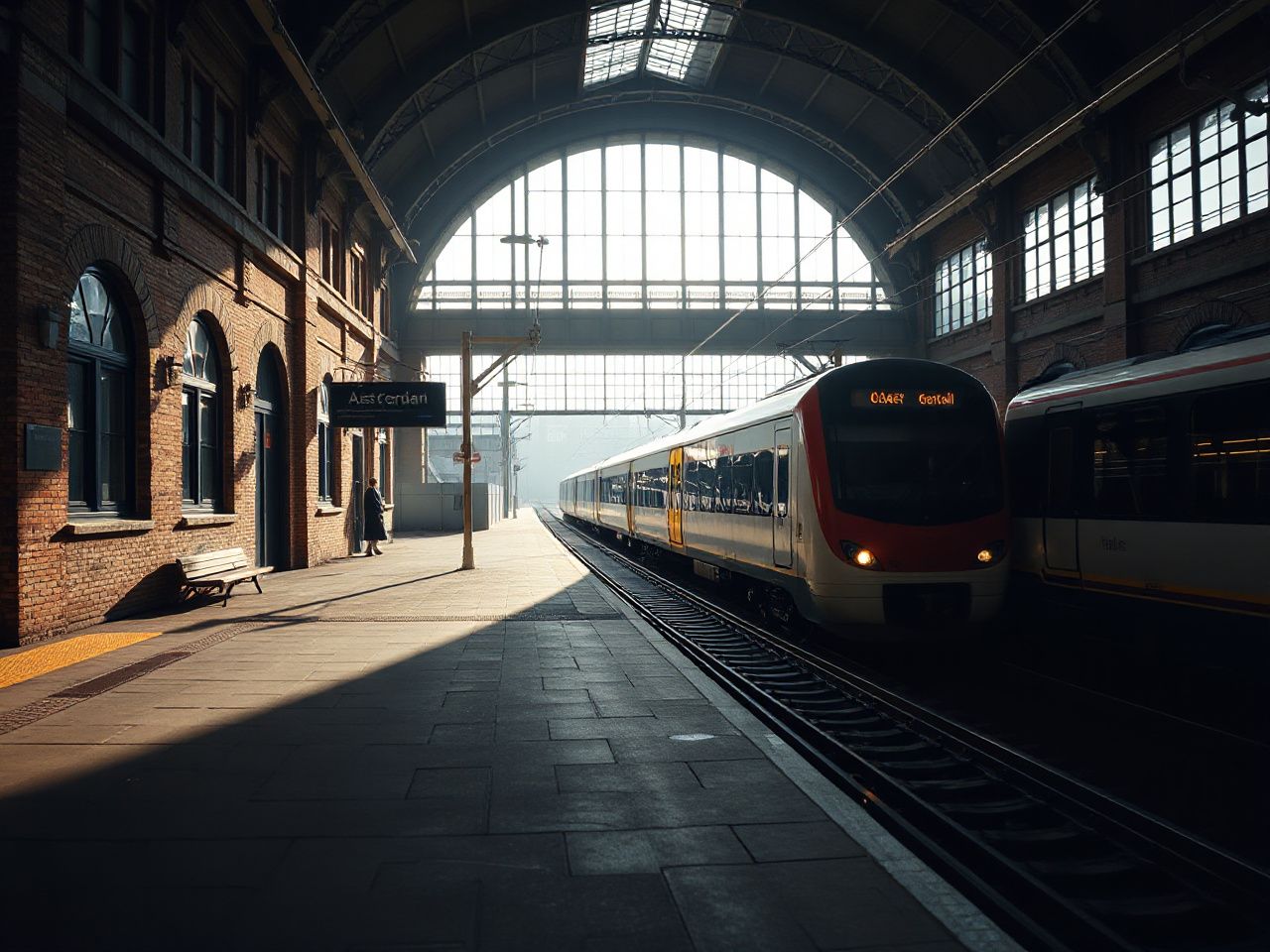
Train Amsterdam to Barcelona: A Step-by-Step Guide
Contents
Nearly two-thirds of first‑time travellers on the Amsterdam–Barcelona rail corridor miss their connecting train in Paris. Not because they walk slowly — because the station switch that looks so simple on a booking platform turns into a genuine time trap. Having made this trip several times, I know that the real difficulty isn’t the train rides themselves but the Paris transfer. Most first‑timers assume there’s a direct train or a straightforward connection, but you must switch stations, and that’s where lost time and missed connections happen. My advice is to allow at least 90 minutes for the transfer and book each leg separately — it almost always saves money and gives you control over your connection.
Key Takeaways
- The fastest door‑to‑door journey clocks in around 10 hours, but factoring check‑in, transfer, and minor delays demands a 90‑minute Paris buffer if you want any margin of safety.
- No single ticket covers both legs; you will always ride a Eurostar (formerly Thalys) north of Paris and a TGV inOui or AVE south of it, switching from Gare du Nord to Gare de Lyon yourself.
- Buying the two legs separately almost always beats a through‑ticket — you routinely save €30–€60 per person and gain the freedom to adjust a connection without rewriting the entire itinerary.
Phase 1: Mission Planning — Booking Your Trains
Long‑haul rail demands the same logistical discipline whether you’re crossing Europe or threading across the United States. I’ve applied identical transfer‑buffer logic to the train from Denver to New York, and it never fails. The core difference here is not distance but station geography: you cannot complete this route without executing a time‑sensitive cross‑Paris shuffle.
Amsterdam Centraal to Paris Gare du Nord: The Eurostar Leg
The opening segment runs on Eurostar high‑speed equipment, a service previously branded Thalys until the 2023‑2024 merger. Departures leave Amsterdam Centraal roughly every hour from 06:15 until the early evening, with the quickest run taking 3 hours 20 minutes. Every seat requires a reservation, even for pass holders — there is no “hop on” option. According to the Eurostar schedule page, early‑morning trains tend to run slightly faster because they avoid peak‑hour queueing on the high‑speed line.
A self‑contained fact that governs your entire schedule: a ticket on this leg bought 90 days out often settles at €35–€49, while the same seat booked three days before departure can soar past €120. Pricing is aggressive and yield‑managed, so treat the booking window like a countdown clock.
Paris Gare de Lyon to Barcelona Sants: TGV inOui or Renfe AVE
South of Paris, the route splits between two operators. SNCF runs TGV inOui trains from Gare de Lyon to Barcelona Sants in roughly 6 hours 30 minutes, while Renfe operates AVE services on the same corridor with near‑identical timings. The SNCF Connect platform lists both operators when you search, so you can compare in one place. Fares start as low as €29 on OUIGO (SNCF’s budget brand with stricter baggage rules) or €39–€59 on a standard TGV inOui reserved well in advance. A last‑minute AVE ticket regularly hits €100–€140.
One point that matters enormously: the first morning departure from Gare de Lyon leaves around 06:10, and the last train of the day departs roughly 17:42. If your Eurostar arrives too late in Paris, you won’t catch the final southbound connection. That timing constraint dictates the entire journey window.
The Booking Strategy: Separate Tickets vs. Through‑Ticket
Through‑ticket sites like Rail Europe will sell both legs in one transaction, but the underlying fare remains two separate contracts with no protected connection. If your Eurostar is late and you miss the TGV, a through‑ticket still forces you to rebook on the spot — often at your own expense. Booking each leg directly with Eurostar and SNCF (or Renfe) gives you the same exposure risk while typically lowering the total cost by €30–€60 because you capture the deepest advance‑purchase discount on each operator’s own site.
Eurail and Interrail pass holders face mandatory reservation fees on both trains. The Eurail booking portal currently lists €25–€35 per seat on these high‑speed services. That fee is unavoidable, so a pass only becomes cost‑effective if you’re taking several long‑distance trains in a short window. If this Amsterdam–Barcelona journey is your main move, point‑to‑point tickets almost always win.
Phase 2: The Paris Transfer — Your Mission‑Critical Window
If you take nothing else from this briefing, take this: the switch between Gare du Nord and Gare de Lyon is not a stroll across a concourse. It is a 5.3‑kilometre urban journey that demands a metro or RER ride. Transferring via Metro line 4 takes 25–35 minutes door‑to‑door, once you know where you’re going. On your first attempt, add 15 minutes just for orientation inside the stations.
Step‑by‑Step Transfer Execution
1. Disembark and orient. Follow signs to “Métro” inside Gare du Nord. Do not exit the station building. The metro entrance sits one level below the main hall.
2. Buy a single‑journey Paris metro ticket (t+ ticket). A ticket currently costs €2.15 as shown on the RATP fare page. You can buy it from a machine (cards accepted) or at a staffed counter. Buy two tickets if you have large bags — unless you ride the RER D, where one ticket suffices but the walk inside Gare de Lyon is longer.
3. Board metro line 4 direction Bagneux–Lucie Aubrac. The platform signs are clearly marked. Trains run every 2‑4 minutes during the day. Six stops later, exit at Gare de Lyon.
4. Follow the “Grandes Lignes” signs inside Gare de Lyon. The main departure hall sits on the upper level. Hall 2 serves TGV and AVE traffic to Barcelona. Platform numbers appear 20 minutes before departure, so keep an eye on the blue screens.
Alternative Transfer: RER D
The RER D line also connects the two stations directly. It’s one stop, but the walking distance inside Gare de Lyon is longer because the RER platforms sit deeper underground. The total dwell time often matches the metro line 4, so the choice comes down to lifting luggage up fewer stairs. The RER D tunnel into Gare de Lyon has escalators for most of the vertical rise, which helps if you’re hauling a large case.
What If You Miss the Connection?
If you arrive at Gare de Lyon after your booked TGV or AVE has left, head immediately to the ticket office or the SNCF assistance desk. With a separate‑ticket strategy, you’ll need to buy a new ticket. During the daytime, trains leave roughly every 2–3 hours, so you will not be stranded overnight unless you were aiming for the last departure. Having a flexible fare (semi‑flex or fully refundable) costs more upfront but neutralises the “what if” stress.

Phase 3: Onboard — What to Expect Along the Route
The three‑and‑a‑half‑hour sprint to Paris feels almost too short for a proper meal, while the six‑plus‑hours south of Paris demands a strategy for comfort, food, and power. Both operators run modern high‑speed rolling stock, but their cabin rules differ in small ways that matter when you’re carrying expedition luggage.
Baggage Rules by Operator
Eurostar permits two large items (up to 85 cm in any dimension) plus one piece of hand luggage per passenger, as detailed in the Eurostar luggage policy. There is no weight restriction enforced at the gate, but you must be able to lift your own bag onto the overhead rack. TGV inOui also imposes no weight limit — instead, items must fit within the labelled baggage areas at car‑end racks. OUIGO, the budget TGV option, caps total cabin luggage at two bags plus one small item and checks larger pieces for a surcharge. The SNCF luggage guidelines spell out the dimensions.
Catering and Power
Eurostar’s onboard bar car sells sandwiches, hot drinks, and snacks, but you are free to bring your own food — and I always do. A €12 soggy baguette has never improved a trip. TGV inOui trains feature a café‑bar in car 4 or 14 depending on the set, with a similar range. Both trains have 220V power sockets at every seat pair, so you can charge a laptop or phone without draining a power bank. WiFi is functional but patchy south of Lyon; download any offline maps or large documents before departure.
Scenery and Rest Stops
The Eurostar leg tunnels under the Channel briefly, then flattens into northern France’s agricultural corridor — honest but unremarkable. The TGV leg rewards after Lyon, where the landscape climbs into the rugged Massif Central foothills and later, south of Perpignan, the tracks skirt the Mediterranean coast. If you’re a photographer, book a window seat on the left‑hand side departing Paris to catch the best coastal light in the final hour.
Phase 4: Arrival at Barcelona Sants and Beyond
Barcelona Sants station sits in the city’s western district, well‑connected by metro lines 3 and 5. Taxi ranks sit directly outside the main exit; a ride to the Gothic Quarter typically costs €12–€18 and takes 15 minutes. Download the TMB App before arrival to buy a metro ticket immediately, because the station’s vending machines often draw queues after a full‑length train empties hundreds of passengers into the concourse.
Same‑Day Connections: Breaking the Journey
Ten straight hours of train time wears on most people harder than they admit during planning. Travelers who book the full sprint in one go often arrive in Barcelona dulled and headachy. An overnight layover in Paris — even a cheap hotel near Gare de Lyon — splits the trip into two humane blocks and removes the stress of the transfer entirely. If you take a late afternoon Eurostar, sleep near the station, then catch the 07:05 TGV the next morning, you’ll reach Barcelona by early afternoon feeling fresh. That may be the single most practical tip in this entire briefing.
Using Barcelona as a Launchpad
Once the train doors open, the city’s logistics network spreads efficiently. From Sants, you can connect to regional Rodalies trains that fan out along the Costa Brava or head inland to the Pyrenean foothills. If you have time after the journey, the best excursions from Barcelona Spain include half‑day trips to Montserrat, Sitges, and Figueres — all reachable by rail within an hour. The destination deserves as much reconnaissance as the route.
A Word on Night Trains
As of 2026, no direct sleeper service links Amsterdam and Barcelona. The former Elipsos Trenhotel was withdrawn years ago, and no replacement has surfaced despite periodic rumours. Travellers who value an overnight rail experience often look instead at the Amsterdam to Berlin sleeper train for a properly orchestrated sleeping compartment. Until European operators revive a Paris–Barcelona sleeper, the daylight high‑speed connection remains the only tool in the shed.
Frequently Asked Questions
Is there a direct train from Amsterdam to Barcelona?
No direct service exists on this route. Every trip requires a station change in Paris — arriving at Gare du Nord and departing from Gare de Lyon — with a minimum transfer time of about 90 minutes. The concept of a single through‑train across the French‑Spanish border without changing in Paris is not currently scheduled by any operator.
How much does the train cost, and how far in advance should I book?
Advance‑purchase fares for the two‑leg journey typically range from €75 to €130 total when booked 2‑3 months ahead, using Eurostar’s cheapest class and a TGV inOui or OUIGO tariff. The same trip booked inside a week can easily exceed €240. The sweet spot is 60–90 days before departure, when the deepest discount brackets are still open but schedules are firm.
Can I use a Eurail pass on this route, and do I need reservations?
Eurail and Interrail passes are valid on both the Eurostar and TGV/AVE segments, but they do not exempt you from mandatory seat reservations. Each train requires a separate booking fee, currently €25–€35 per seat, processed through the Eurail reservation portal or at a staffed station. Without that add‑on, the pass alone will not get you a seat on these high‑speed services.