Mountain Bike Training: The Complete Guide to Better Rides
Contents
Watching a road-racing friend flounder through a rooty climb highlights a common discrepancy. He had a 300‑watt FTP and legs that could grind out four‑hour tempo sessions. Yet halfway up a two‑minute rock garden, he was off the bike, gasping, because the stop‑and‑go power bursts that chunky singletrack demands are a unique requirement. This scenario illustrates why road intervals often fail on the trail when the stop‑and‑go power surges that technical terrain demands are not prioritized. An effective approach centers on blending targeted fitness with skills practice – each ride should challenge your engine while teaching the bike how to flow under you. That means sprinkling in repeat climbs over roots, sprint out of corners, and easy technical sessions to keep the nervous system sharp without burning out your legs. If you want a plan that actually holds up when the dirt gets steep and loose, you’re in the right place. This is mountain bike training stripped of trainer‑fluff and inflated ego numbers.
Key Takeaways
- Off‑road riding demands explosive, repeated surges that steady‑state road miles simply don’t build.
- Dedicated skills sessions—cornering, rock gardens, braking—improve speed more reliably than piling on extra endurance rides.
- Strength work must be periodized around riding volume; adding lifts without cutting saddle time is a fast track to burnout.
- Tracking heart rate variability and subjective fatigue beats guessing and prevents the slow grind of overtraining.
Why Generic Road Plans Fall Apart on Dirt
Most training programs were written for smooth pavement. They assume sustained, steady‑state output. Real mountain biking punishes that assumption. Even a flat section of singletrack forces you to brake, corner, accelerate, hop a root, then sprint out of a dip. The power demand is jagged. On a trainer, your Functional Threshold Power might read 290 watts. On a trail full of rocks and quick direction changes, you’ll likely see numbers 15–30 watts lower because the ground keeps interrupting your momentum. TrainingPeaks power analysis often confirms this gap—outdoor MTB normalized power rarely matches a clean indoor test. That doesn’t mean your fitness is broken; it means the sport asks for something different.
Riders often obsess over building a bigger FTP while ignoring the fact that they bleed five seconds on every tight switchback. Road fitness is a fine ingredient, but it’s not the meal. You need to train the ability to recover from a 10‑second all‑out burst while still rolling downhill, then do it again 20 seconds later. That’s neuromuscular. That’s repeatability. That’s what separates riders who float through a rock garden from those who walk it.
Building an Engine That Handles Real Trails
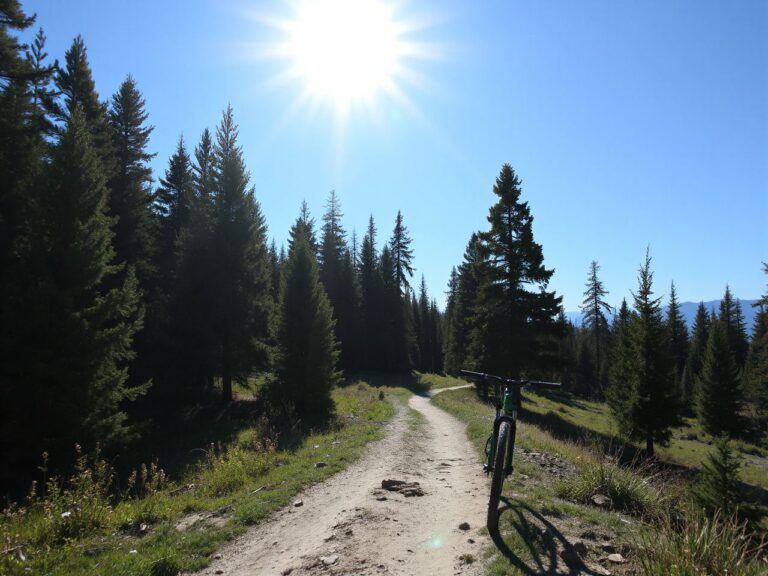
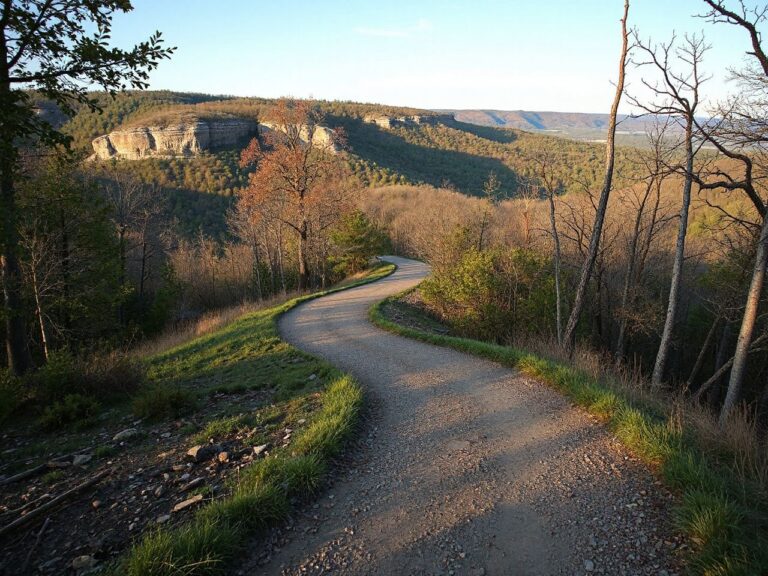
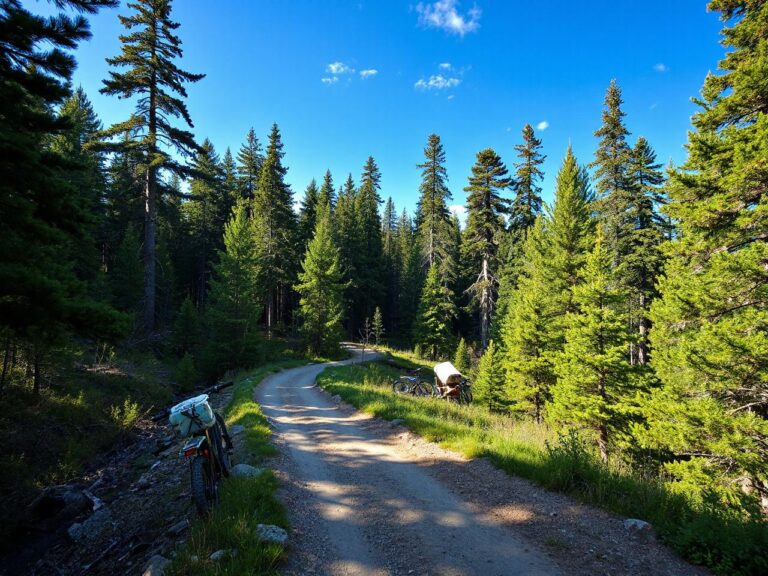
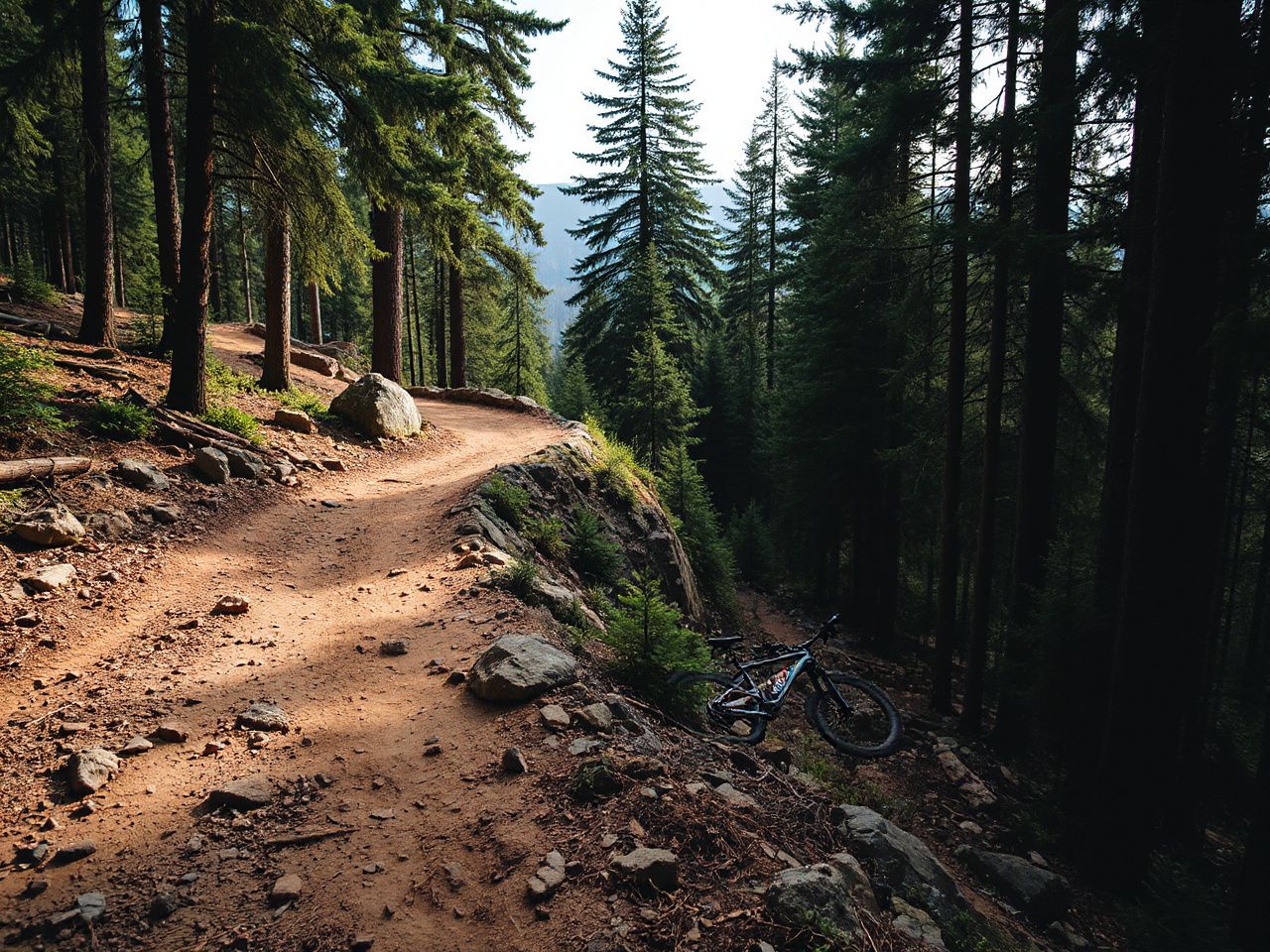
A lot of riders think base training means four‑hour slogs on pavement. That works if your goal is to sit and spin, but mountain bikers need a base that includes handling fatigue on uneven ground. This is where mixed‑terrain base rides come in. Once a week, head to a network of fire roads and mellow singletrack—the kind you can ride for three hours without sketchy downhills. Settle into a conversational pace, but let the trail throw small challenges at you: a water bar, a short punchy rise, a loose corner. Your heart rate stays in zone 2 (around 60‑70% of max), but your upper body and core stay engaged. That’s endurance plus thousands of micro‑decisions keeping your reactions sharp.
How many days a week should you train? For most recreational riders, four riding days is the sweet spot—three during the week if life permits, plus a longer weekend outing. Beginners can start with three days and gradually add a fourth. The key is consistency, not hero weeks that leave you limping. A well‑structured four‑day week gives you enough stimulus without crushing your ability to recover. And if you’re chasing an event like a 50‑mile epic or an enduro series, you can stretch to five days during a build phase, but only for a 3‑4 week block before dialing back.
Endurance for long climbs comes from two things: time in the saddle and learning to pace on gradients. A weekly sustained climb session is recommended. Pick a climb that takes 20‑40 minutes. Ride it at a tempo that can be held for the full duration—no surging, no coasting. Each week, extend the time by 5 minutes or find a slightly steeper version. Trail rides that feature repeated climbing over technical ground—such as local Colorado mountain bike rides—offer rolling singletrack that forces riders to regulate effort with roots under the tires.
Heart Rate or Power Meter—What Do You Really Need?
You can absolutely train effectively with just a heart rate monitor. A chest strap costs a fraction of a power meter and gives you a reliable window into your effort. Power data adds precision, especially for interval work, but it’s not mandatory. If you’re on a budget, start with heart rate. The Garmin Edge series and Wahoo ELEMNT computers all display HR zones clearly. Whichever tool you choose, the goal is to stop riding by feel alone. A hard day should be hard, not just uncomfortable. An easy day needs to be genuinely easy—something riders routinely screw up by pushing just a little too much on recovery rides.
One self‑contained truth here: Training with heart rate teaches you to notice the lag between effort and response—a skill that translates directly to pacing long climbs where a power meter might still read clean while your chest already screams.
Sharpening the Spear: Intervals That Mimic the Trail
Mountain bike races, whether XC or enduro, involve repeated high‑intensity surges. You accelerate out of a corner, you stamp on the pedals to clear a rock step, you sprint to make a pass. Those moments rarely last longer than 30 seconds. Yet many training plans drown riders in 5‑minute VO2 max repeats that ignore the on‑off rhythm of real singletrack. Two staples work well here: micro‑bursts and over‑unders.
Micro‑bursts: 15 seconds hard, 15 seconds easy. Repeat for 8‑12 minutes. Start with two sets. The hard effort should spike your power to 130‑150% of FTP, the easy is a soft pedal or even a brief coast. That mimics a rock‑garden exit followed by a short descent. Over‑unders: ride just below your threshold for 2 minutes, then surge to 105% for 30 seconds, then drop back. These teach your body to clear lactate while still working—exactly what happens on a long climb when a steep section appears.
A single interval session per week, done consistently for six weeks, delivers noticeable changes in your ability to recover from hard efforts. Add a shorter, second session later in the week if you’ve got an event on the calendar, but don’t hammer yourself with three interval days. That’s where burnout hides.
What about FTP? It’s useful as a benchmark for setting zones, but mountain bikers should interpret it with caution. Off‑road power output is typically lower than on‑road due to constant accelerations and rough terrain, so FTP measured on a trainer should be interpreted with caution. Use it to anchor your interval targets, then watch your trail performance—not the number—to gauge progress.
The Unbreakable Rider: Strength Training Without Breaking Your Riding
Yes, you should be lifting weights. The question is when and how. Adding strength training without cutting cycling volume increases overtraining risk; total load must be periodized across the week. A common approach is to block the week so that harder gym days sit next to on‑bike hard days—a concept called “hard days hard, easy days easy.” For example, Tuesday: intervals; Wednesday: full‑body strength; Thursday: easy recovery spin; Friday: skills and short sprints; Saturday: long ride; Sunday: off. That way you consolidate fatigue rather than spreading it thinly across the week.
The gym work itself should prioritize compound movements and unilateral stability. Deadlifts, goblet squats, single‑leg Romanian deadlifts, push‑ups, rows, and heavy farmer’s carries. These build the posterior chain and grip strength that keep you centered on the bike when things get rough. Core work—planks, Pallof presses, hanging knee raises—stabilizes your torso so your legs can push without your upper body swaying. Two sessions a week of 45‑60 minutes is plenty. During race season, drop it to one maintenance session and shift the focus to mobility and pre‑ride activation.
Mountain bikers who skip strength work often find their lower back screaming on three‑hour technical descents—and no amount of riding alone will fix that.
Mastering the Bike: Technical Skills Are Training Too
Many riders spend hours chasing watts but refuse to practice cornering. Technique is not a side hobby—it is a training session. One skills‑focused ride per week, even 90 minutes, often yields more time savings on a typical lap than four weeks of extra intervals. You don’t need a fancy clinic (though a reliable mountain bike maintenance routine keeps your rig predictable, which helps skill work). Find a section of trail with a corner you mess up consistently. Session it. Ride it at low speed, then medium, then pushing hard. Notice where your eyes go—looking through the exit instead of at the rut will change everything.
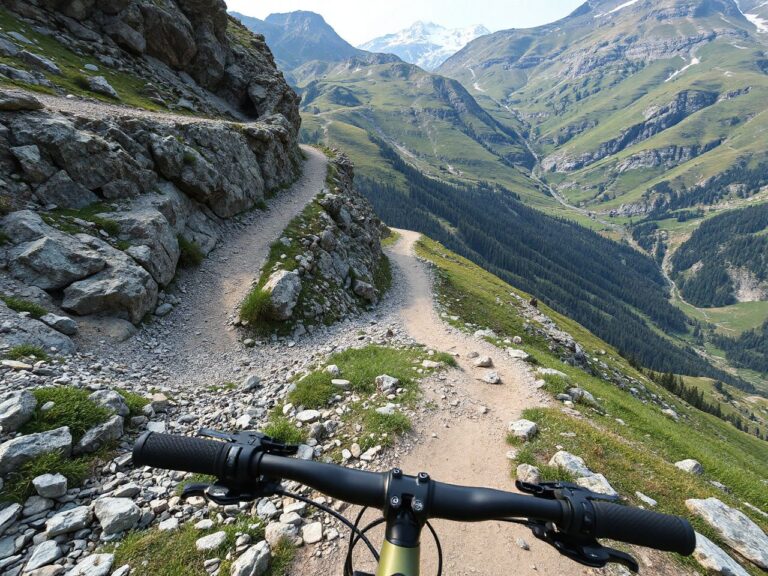
Rock gardens and technical descents demand a loose, hinged body position. Hinge at the hips, weight back but heels down, chin level. Practice riding a known rocky section while consciously keeping your hands light on the bars. If you’re death‑gripping, you’re telling the bike to transmit every bump straight into your arms. That tension exhausts you faster than the pedaling. Easy tech sessions—riding a moderate trail while deliberately staying loose—keep the nervous system sharp without taxing your legs. Try 30 minutes of skills after an easy ride, or dedicate one whole short ride to it.
One self‑contained observation: A rider who spends an hour every Saturday repeating a single tricky rock roll learns line choice more deeply than a rider who simply logs ten hours of generic trails per week and hopes to magically improve. Practical skill practice is the single most undervalued part of off‑road preparation. If you can, also explore trails that push your limits incrementally; riding technical Bay Area singletrack a notch above your comfort zone teaches quick line decisions far better than repeating the same mellow loop.
Rest, Recovery, and Reading Your Body’s Signals
Overtraining in mountain biking doesn’t always announce itself with screaming legs. More often, you’ll notice poor sleep, a higher resting heart rate, crankiness, and tech sections that feel sloppy even though you’re trying. Heart rate variability (HRV) monitors like the app HRV4Training provide a daily readiness score, but you can also just take your morning pulse manually for a week. If it’s elevated by 5–10 beats per minute above your normal wake‑up value, your nervous system is still recovering.
Recovery weeks are not optional. After three weeks of progressively harder training, schedule a week where volume drops by 40–50% and intensity disappears almost entirely. Ride for fun, noodle around, session a silly feature with friends. That’s when your body actually rebuilds. Ignore this and you’ll plateau or, worse, get hurt. Motivated riders who train right through fatigue often encounter a minor crash or a stubborn cold that forces two weeks off. Proactive rest wins every time.
Sleep is the most potent recovery tool we have. Seven hours is the minimum for athletes; eight is better. Nutrition on the bike—eating 40‑60 grams of carbs per hour during rides longer than 90 minutes—also prevents the calorie deficit that torpedoes later sessions. And don’t forget bike setup: a poorly fit cockpit can cause neck and shoulder tension that masquerades as overtraining fatigue.
How Long Until You See Real Progress?
With consistent, structured training, most riders notice meaningful improvements in 8–12 weeks. The first shifts are often the ability to hold a conversation while climbing, or finishing a ride without the usual dead‑leg feeling the next morning. Power numbers might not jump dramatically in month one. Trust the process. Big aerobic adaptations take months, not days. A weekend warrior putting in four solid rides a week can expect to feel substantially fitter by month three, especially if they pair that with skills practice.
Putting It All Together: A Weekly Blueprint That Actually Works
Below are two real‑world schedules built for riders who have jobs, families, and zero interest in living like a pro. Adapt them to your terrain and season.
Weekend Warrior: 3–4 rides/week
- Tuesday: 60‑min interval session (micro‑bursts or over‑unders). Warm‑up 15 min, main set 30‑40 min, cool‑down 10 min.
- Thursday: 45‑min skills ride on a local trail. Focus on one technique: cornering, braking zones, or rock gardens. Effort stays low; mind stays high.
- Saturday: 2–3‑hour endurance ride with mixed terrain. Keep pace conversational but include a long climb for sustained effort. If possible, pick a trail that requires short surges—nothing that buries you.
- Sunday: Optional 60‑min recovery spin or hike; otherwise, rest completely.
- Strength: One 45‑min full‑body session on Wednesday or Friday. Deadlifts, single‑leg work, core.
All‑Round Fitness Buff: 5–6 rides/week + 2 gym days
- Monday: Rest or 30‑min mobility work.
- Tuesday: Intervals (60‑75 min). Alternate weekly between VO2 max and anaerobic sessions.
- Wednesday: Strength session (60 min) + 45‑min easy spin or skills.
- Thursday: Threshold or tempo ride (60‑90 min). Include 2×20‑min blocks at 85‑95% of FTP on trail if possible.
- Friday: Easy skills and short sprints: 6×10‑sec max efforts from a near‑stop on grass or dirt.
- Saturday: Long ride, 3‑5 hours, emphasizing endurance and technical flow. Practice pacing nutrition.
- Sunday: Recovery ride (60‑min) or complete rest + second strength session if you skipped Wednesday’s.
Monitor recovery weekly. If your Saturday ride feels flat or your resting HR is up, trim the Thursday effort or swap it for an easy trail cruise. The plan serves you, not the other way around. Every 4th week, cut volume by 40% and drop all intervals and heavy lifts—that’s your adaptation week. Leading into a race, two weeks out, drop volume sharply but keep a short, snappy interval session to stay sharp. A tapering strategy like this helps riders reach personal bests without arriving at the start line fried.
Structuring training around a race season means working backwards from your A‑event. Spend 8–10 weeks on base, 6–8 weeks on intensity, and 2 weeks tapering. If you have multiple events, cluster them and treat the lesser races as hard training days. Always leave more margin than you think you need—under‑cooked beats over‑fried every single time you pin on a number.
Mountain bike training is not about mimicking a Tour de France plan. It’s about building a robust engine that can handle chaos, and then teaching your body to dance with the bike when the line disappears under a pile of rocks.
Frequently Asked Questions
How many days a week should I train for mountain biking?
For most riders, 3–4 days of riding and 1–2 days of strength work per week yields steady progress without burnout. Beginners can start with three riding days and build gradually. Consistency over months matters far more than a temporary spike to 5–6 sessions that you can’t sustain.
Can I get faster on the trail just by riding more, or do I need structured intervals?
Simply logging miles will improve endurance, but your top‑end speed and the ability to repeatedly surge require structured intervals. Without dedicated high‑intensity work, you’ll plateau on technical climbs and lose time on race‑course starts. One focused interval session per week plus a skills ride is the fastest path to a noticeable bump in trail speed.
What’s the biggest mistake you see mountain bikers make with their training?
Ignoring technical skills and treating them as separate from “real” training is a common oversight. Riders with huge engines can lose minutes on descents when they do not practice cornering or braking. A handful of deliberate skill drills—repeating corners, rock gardens, and line choices—often trims more time than four extra hours of base mileage.