7 Day Cruise to Barbados: The Complete Planning Guide
Contents
Is a 7-day cruise to Barbados really a week in paradise — or a floating hotel with a brief, precious island cameo? The biggest mistake travelers make is underestimating the sea time. A 7-day loop from Florida to Barbados and back means at least two full days at sea each way, leaving just four or five port days, often with only one in Barbados. That’s why the difference between “island time” and “cruise time” is critical: you need to decide if you want a relaxing at-sea holiday with a brief taste of Barbados, or if you’re really seeking an island-focused trip where a dedicated resort stay might serve you better.
Key Takeaways
- A 7-day cruise from Florida to Barbados typically includes 2–3 sea days each way, leaving just 4–5 port days, with only one full day in Bridgetown unless you’ve booked an overnight itinerary.
- The Atlantic hurricane season (June–November) can reroute entire sailings; the safest weather window is December through April, though May and November offer lower fares with some storm risk.
- Bridgetown’s cruise terminal is a 10–15 minute walk from downtown, so you don’t need an expensive shuttle — and walking lets you see the historic Garrison area right from the dock.
- Pack for two climates: tropical heat onshore and aggressive air-conditioning at sea, plus reef-safe sunscreen, as Barbados’s marine parks ban common chemical sunscreens.
Before You Book: The Realities of a 7-Day Cruise to Barbados
Understanding the Itinerary: Sea Days vs. Port Days
Most 7-day cruises that reach Barbados originate from Florida. Miami. Port Canaveral. Sometimes Fort Lauderdale. That geography dictates a brutal truth: you’ll spend two full days, often two and a half, crossing the Caribbean Sea eastward before you touch anything that isn’t ocean. Whichever cruise line you sail with on this route, the math never changes. You check in Sunday afternoon. Ship pulls out around 5 p.m. Monday and Tuesday you’re at sea — nothing but blue and buffets. By Wednesday morning you might hit St. Thomas or Antigua. Barbados finally appears on Thursday, docked from 8 a.m. to 5 p.m. Friday and Saturday you’re grinding back west. That gives you a single Barbados day. If you’re flying from Europe, add two travel days to reach the US departure port — your “7-day” vacation is closer to 10 or 12 door-to-door.
Read the fine print before booking. Some itineraries swap the order, giving you Barbados earlier, but the total wave-battered transit time rarely shrinks. A few premium lines offer an overnight in Bridgetown, which doubles your on-island hours. Those rare sailings change the value equation entirely. When you’re only in port for nine hours, you can’t do Harrison’s Cave, Carlisle Bay, and Oistins Fish Fry in one swoop — not without a time machine. Pick two. Three if you’re ruthless.
Best Time to Sail and Hurricane Season Risks
The National Hurricane Center has decades of data showing the Atlantic basin lights up between June and November. Cruise ships actively reroute to dodge named storms, so your carefully chosen eastern Caribbean itinerary could suddenly become a western Caribbean detour — no Barbados, no refund of the port fees either. Such itinerary changes are a documented risk of Atlantic travel. A late-September sailing can easily lose all scheduled islands in favor of five straight days at sea. December through April is the dry, reliable stretch. May and November flirt with lower prices but carry a real gamble. If you want certainty, pay the December-to-April premium. If you’re flexible and travel-insured, the shoulder months can pay off — just assume you might not see Barbados at all.
Worth knowing: Barbados sits just outside the main hurricane belt, so the island itself often escapes direct hits. However, the ship you’re on does not sit outside that belt during the 1,200-nautical-mile crossing. Storms that churn east of the Lesser Antilles can force itinerary changes days in advance. Always check your cruise contract for the line’s itinerary-modification policy.
Passport, Visa, and Health Requirements
This question trips up more first-timers than anything else. For European Union citizens, Barbados grants visa-free entry for tourism stays up to six months, but your passport must have at least six months of validity beyond your departure date. The U.S. Department of State lists the same six-month rule for American travelers. Cruise passengers get a streamlined immigration clearance at the port; you won’t normally need to apply for a visa in advance. What you do need: a passport. Not a photocopy, not a national ID card. The ship won’t let you board without one.
On the health front, Barbados does not require a yellow fever vaccine unless you’re arriving from a country with known transmission. The CDC’s travelers’ health page recommends routine vaccinations plus hepatitis A and typhoid for most Caribbean destinations. Since 2024, COVID-related entry rules have largely disappeared, but packing a rapid test in a carry-on is advised — a positive mid-cruise can land a passenger in onboard isolation, so it is better to know before being confined to a cabin without a balcony.
What to Pack for a Caribbean Cruise with Barbados on the Map
Clothing Layers for Heat, Formality, and Air-Conditioning
Your suitcase needs to handle three distinct environments: the 30 °C Barbados heat, the wind-whipped ship decks, and the aggressively chilled dining rooms. Most guided packing lists drone on about sundresses and linen shirts, and that’s fine — but the single item nobody mentions is a lightweight merino wool cardigan. Bring one on every sailing. It weighs nothing, resists odor, and saves you from shivering through a two-hour evening show. For daytime ashore, long-sleeved UPF 50+ shirts beat sunscreen reapplication after a swim. Barbados shade is spotty, and the sun reflects off white sand and concrete.
Most 7-day cruises schedule one or two formal nights. You don’t need a ball gown. A dark blazer and trousers for men, a simple cocktail dress or jumpsuit for women, and you’re within dress code on every mainstream line. Royal Caribbean, Norwegian, and Carnival have relaxed their standards, but specialty restaurants still often enforce a “smart casual” minimum. Shoes: cushioned sandals for the ship, sturdy walking shoes for Bridgetown’s broken pavements, and water shoes if you’re planning to swim at Carlisle Bay’s shipwreck sites.
Essential Gear for At-Sea Days and Shore Excursions
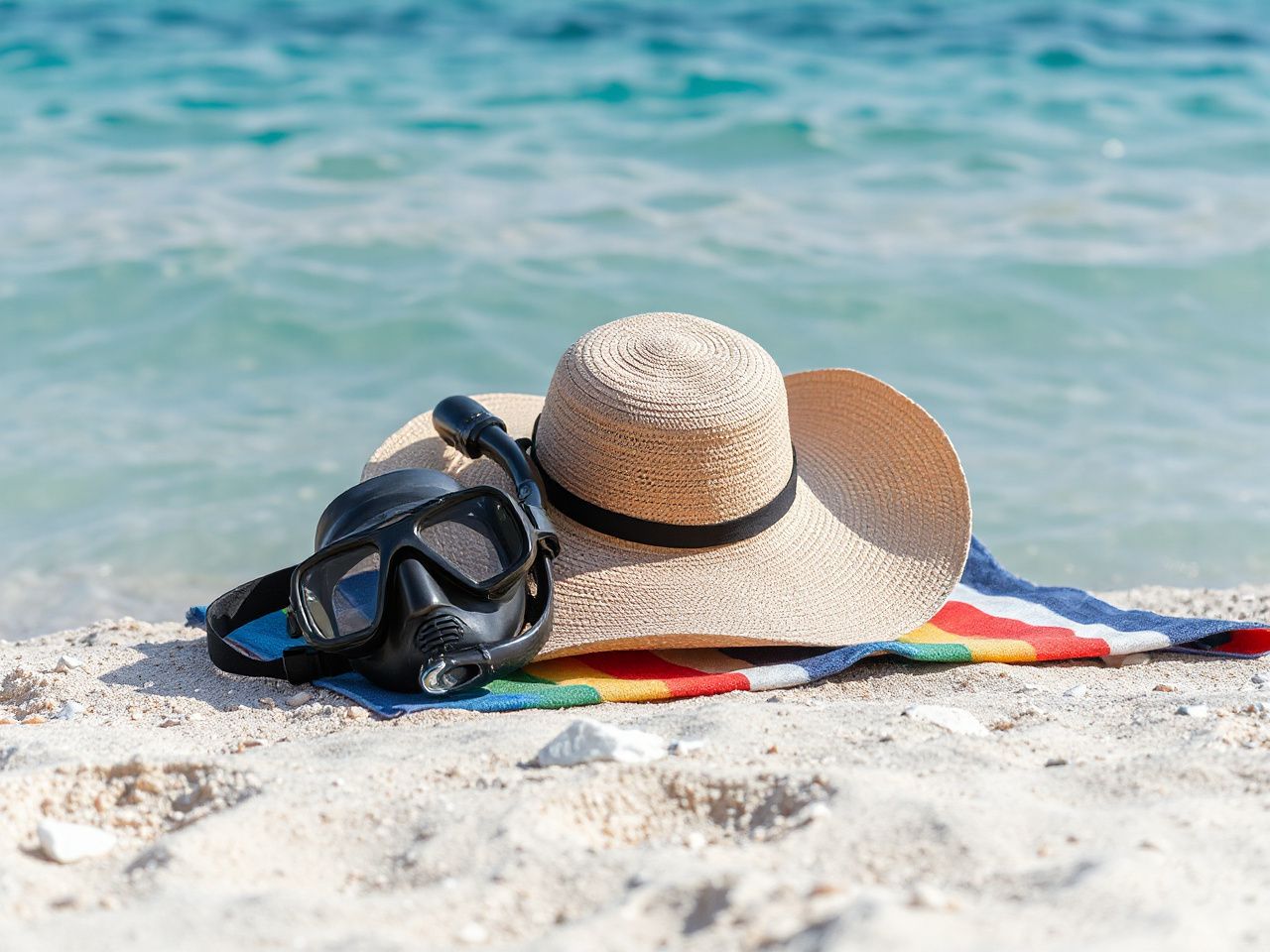
Barbados banned oxybenzone and octinoxate sunscreens in 2022 to protect its reefs. Bring reef-safe mineral sunscreen — zinc oxide or titanium dioxide formulas — in a tube, not an aerosol. Port security often confiscates spray cans at the gangway. A waterproof phone pouch with a lanyard keeps your device safe during a catamaran snorkel trip and doubles as a room key holder on the ship. Add a wide-brim hat that stays put in 20-knot winds and a compact dry bag for wet clothes. Skip the expensive snorkel gear; any reputable tour operator provides clean, well-maintained masks and fins.
The Barbados Port Call: Making Every Hour Count
Getting from Deep Water Harbour to Town and Beaches
Bridgetown’s cruise terminal sits inside Deep Water Harbour, right at the edge of the capital. The moment you step off the gangway, look left — the historic Garrison area and the city center are a 10- to 15-minute walk. No shuttle needed. Taxis line up near the terminal exit; all are licensed, but confirm the fare in Barbados dollars before you climb in. The island drives on the left, a British legacy, so cross the road carefully. If you’re heading to Carlisle Bay for the beaches and shipwrecks, a taxi takes about 5 minutes. Walking works too, but in midday heat, the 20-minute stroll can feel punishing. While you plan, consider that a short 2-day Bahamas cruise gives you almost zero shore exploration time — the Barbados port call, even at nine hours, is a comparative luxury.
Must-Do Activities That Deserve Your Limited Time
With one day, you’re choosing between cave exploration, beach time, culture, and rum. Here’s how the core experiences rank — based on popular attractions rather than a tourist board brochure.
- Harrison’s Cave. A subterranean network reached by electric tram. The stalactite formations are genuinely impressive, and the cave stays cool. Book a morning slot to leave your afternoon free. The ship’s excursion will be overpriced and crowded; reserve directly and take a taxi.
- Carlisle Bay. Shallow, calm water and six accessible shipwrecks within swimming distance. Rent snorkel gear from a beach vendor or join a catamaran tour. The sea turtles often feed near the boats. The area is tranquil enough that hours can pass unnoticed while floating here.
- Mount Gay Rum Distillery. The oldest commercial rum producer in the world. The signature tour includes a tasting and a history deep-dive. It’s a 10-minute taxi from the port.
- Oistins Fish Fry. A Friday-night ritual of grilled marlin, macaroni pie, and music. Problem: most 7-day cruises call on Barbados midweek and sail away before sunset. If you’re lucky enough to dock on a Friday, skip the ship dinner and go.
- Garrison Historic Area. A UNESCO World Heritage site filled with 18th-century military buildings. You can walk through it on your way from the port. Don’t pay a guide; grab a map from the cruise terminal’s info desk.
Island hopping to Dominica or Martinique often tags along on the same itinerary. Comparing Barbados to those ports shows how distinct each island is — but longer 14-day cruise routes invite a deeper southern Caribbean immersion without the rushed schedule of a standard week.
Currency, Tipping, and Local Etiquette
The Barbados dollar (BBD) pegs at roughly 2:1 to the US dollar. US cash is accepted virtually everywhere, but you’ll get change in Barbadian currency. Don’t bother exchanging money before you arrive — just carry small US bills for taxi rides and street food. Credit cards work at attractions and sit-down restaurants. Tipping runs 10–15% in restaurants if service isn’t already included; give porters and taxi drivers a dollar or two. Euros are not universally accepted, so if you’re coming from Europe, pick up US dollars before the cruise. The Central Bank of Barbados posts the daily official rate, but the street rate you’ll encounter is essentially identical.
Onboard Experience: Turning Sea Days into an Advantage
Ship Amenities That Break Up the Atlantic Stretch
Two days of open ocean. These hours are typically spent in sun loungers, in the gym, or attending to personal health needs. Modern cruise ships pack in enough amenities to keep you occupied, but the key is knowing what’s actually worth your time. The fitness center usually sits quiet on sea mornings — a rowing machine with an uninterrupted view of the Caribbean is a rare thing. Adult-only solariums offer peace away from the main pool deck’s DJ sets. The spa runs embarkation-day specials; book a massage for your first sea day and it’ll cost 20–30% less than on port days.
Some lines now offer surf simulators, rock walls, and skydiving tunnels. Royal Caribbean’s larger ships turn the ship into the destination. If that appeals, a 7-day Barbados cruise on a vessel like Wonder of the Seas shifts the focus almost entirely onboard — and the island stop becomes more of a footnote. That’s not a criticism, just a reality you should acknowledge before booking.
Dining, Entertainment, and Wellness at Sea
Main dining rooms are reliably decent. Skip the crowded buffet on day two and try the specialty steakhouse or sushi bar — booking a table for 6:30 p.m. avoids the crush. Formal nights usually fall on sea days, giving you an excuse to dress up and take photos. The theater shows range from genuinely talented singers to cruise-ship camp. Late-night comedy sets often feature the rawest and funniest material onboard. For those who prefer a more intimate, port-intensive sailing, small-ship Mediterranean cruises operate on a totally different philosophy — but the Caribbean megaship experience has its own brash charm.
Wellness-wise, the ship’s jogging track opens at dawn and stays empty. The spa’s thermal suite (heated ceramic loungers, steam rooms) costs extra but delivers on a long sea afternoon. A $40 two-hour pass is often cited as a more restorative value than many port-day excursions. Hydration is the real battle. The free water stations are fine, but packing a 32-ounce insulated bottle avoids constant refill runs. The dry ship air, combined with salt spray and sun, will suck moisture out of you faster than you expect.
Frequently Asked Questions
What’s the best time of year to go on a 7-day cruise to Barbados?
December through April delivers the most predictable weather with low rain chances and calm seas. Hurricane season officially runs June to November, and while Barbados itself rarely takes direct hits, your ship’s Atlantic crossing can be rerouted, costing you the Barbados call entirely. May and November sit on the shoulder — lower prices but higher weather volatility.
Do I need a passport or visa for a cruise to Barbados if I’m from Europe?
Yes, a passport is mandatory. EU citizens can visit Barbados visa-free for tourism up to six months, with at least six months’ passport validity beyond your travel dates. Cruise passengers receive expedited clearance at the port, but the cruise line will deny boarding if your passport is invalid or close to expiry.
What are the must-see things to do in Barbados when the ship docks?
With only a single port day, prioritize Harrison’s Cave for a cool underground tram tour, then hit Carlisle Bay for shipwreck snorkeling and sea turtles. If Mount Gay Rum Distillery fits your midday window, the tasting is iconic. Skip Oistins Fish Fry unless your cruise stays until Friday evening — most departures miss it.
How many sea days are typical on a 7-day cruise to Barbados, and what do I do on them?
Expect four to five sea days total — two eastbound, two to three westbound. Use the gym and adult-only solarium early; book spa treatments on the first sea day for discounts. Specialty dining reservations keep evenings interesting, and early-morning track laps are often the only quiet exercise you’ll find.
Can I use US dollars in Barbados or do I need local currency?
US dollars are widely accepted, but you’ll receive change in Barbados dollars (fixed at roughly 2 BBD to 1 USD). Credit cards work at most restaurants and attractions. You don’t need to exchange currency ahead of time — just carry small US bills for taxis, beach vendors, and tips.