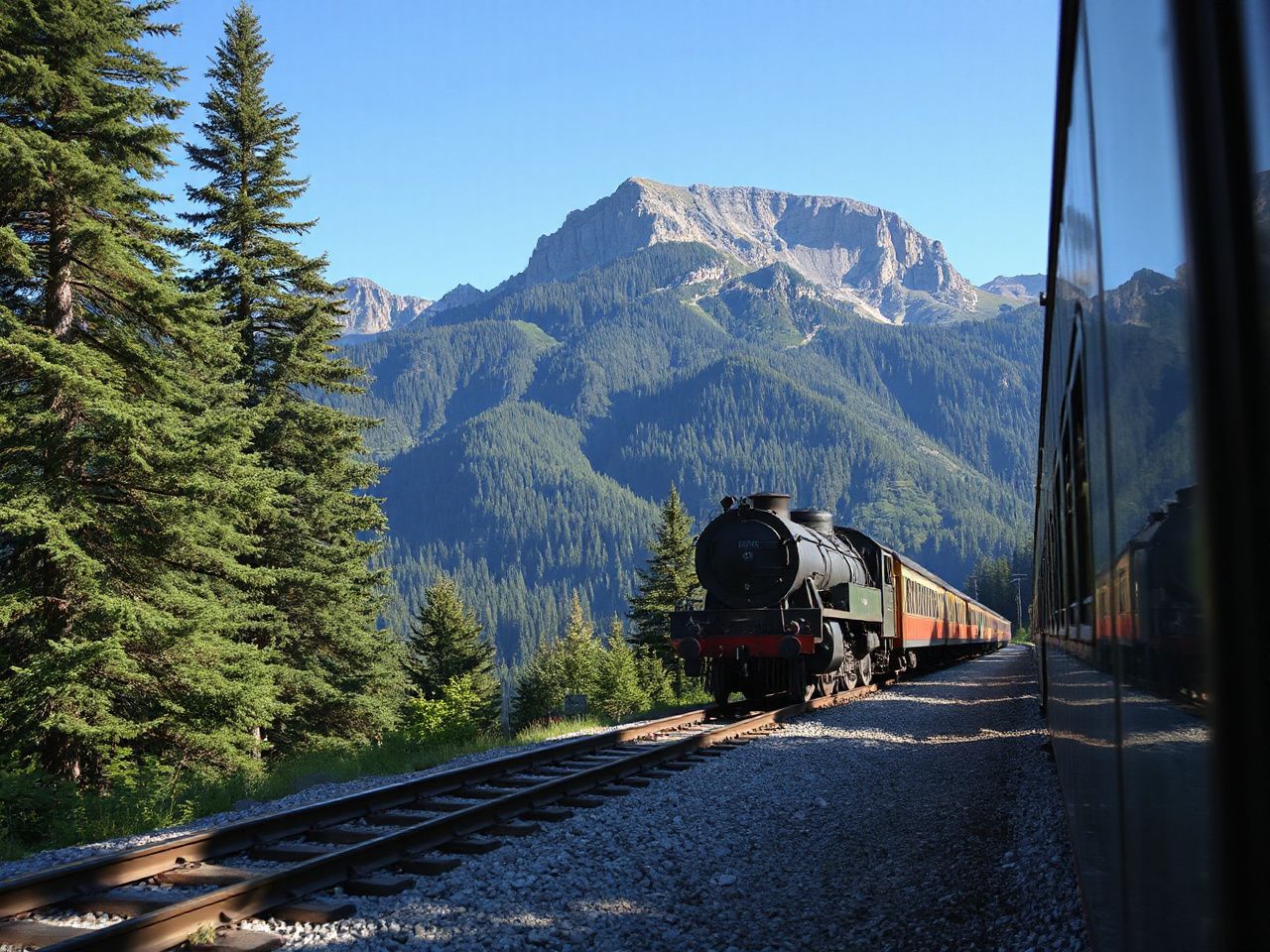
Luxury Train Travel: What To Know Before You Travel
Contents
A curious shift has taken hold in the way people think about long-distance travel. After years of speeding through airports and enduring cramped economy seats, more travelers are embracing slow, immersive journeys—and at the heart of this movement is a renewed interest in luxury train trips. The moments that make the best travel stories are almost always the ones where something went wrong, which is precisely why the planning is worth doing. Preparation doesn’t prevent adventure—it just gives you better options when it shows up. That holds just as much for traveling by luxury train as it does for crossing a border on two wheels.
Key Takeaways
- Luxury train journeys demand the same advance planning as any complex international itinerary—bookings open 9–12 months ahead and sell out fast.
- Luggage logistics, border paperwork, and station transfers are often underestimated; treat them like cargo shipping to avoid surprises.
- The onboard experience is a destination in itself, with service levels and amenities that can outshine top-tier hotels if you know how to navigate the fine print.
The Rebirth of Luxury Rail Journeys
What Defines High-End Train Experiences Today
Modern luxury trains blend old-world elegance with precision service, but the definition has expanded far beyond mahogany panels and champagne flutes. Cabins now rival hotel suites, often featuring en-suite bathrooms, climate control, and 24-hour butler service. The real hallmark, however, is the rhythm of the journey itself. These trains don’t just move you—they create a self-contained world where every detail, from turn-down service to multi-course dinners, is orchestrated around the track schedule.
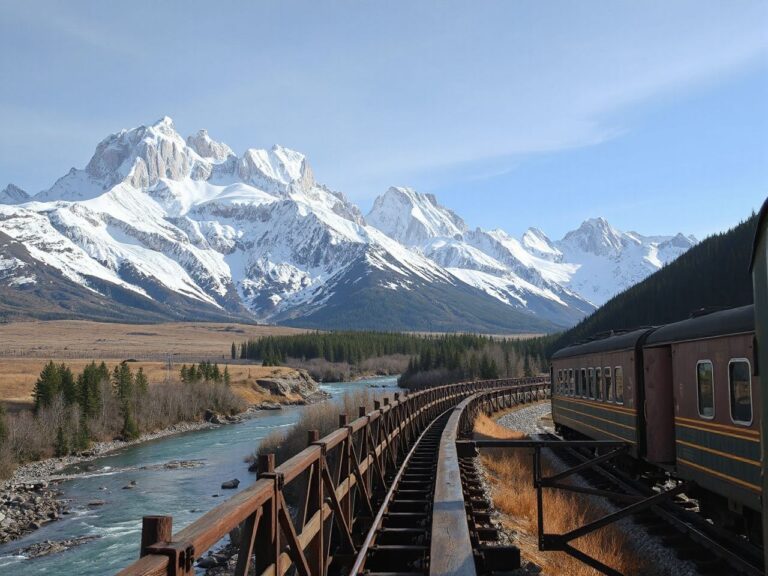
Routes crisscross continents: the Venice Simplon-Orient-Express in Europe, the Maharajas’ Express in India, the Belmond Andean Explorer in Peru, and Japan’s Seven Stars in Kyushu all offer distinct flavors of opulence. What they share is a commitment to making the transit the centerpiece of the trip, not just a means to an end.
Why It’s More Than Just a Train Ride
The mechanical backbone behind the glamour deserves a close look. The real value of a luxury rail excursion lies in how it removes friction. There’s no navigating security lines, no rental car pickups, no deciphering foreign road signs at midnight. The train handles the movement while you sleep, so you wake up in a new landscape or country with your hotel room literally moving beneath you. For anyone who has ever wrestled a motorcycle crate through customs in a tiny border office, that convenience is welcome.
The social dimension also sets these journeys apart. Observation cars and dining tables become natural gathering spots. Conversations flow differently at 50 miles per hour with rolling scenery as a backdrop. It’s not like a cruise ship—the intimacy is deeper, the cast of fellow travelers smaller, often just 50 to 150 passengers.
Planning Your Luxury Train Adventure: A Logistics Perspective
Step 1: Choosing Your Route and Train Service
Fall in love with the route, not just the train’s brochure. Research the actual scenery, seasonal weather, and daylight hours. Some itineraries, like the Trans-Siberian Golden Eagle, span weeks and cross eight time zones. Others, like the Royal Scotsman, pack dramatic Highland landscapes into a few days. Treat this phase like planning an overland motorcycle expedition—map out each segment, note where fuel (or in this case, scenic highlights) is available, and build a timeline backward from the fixed train schedule.
Consider whether the route crosses international borders. The Venice Simplon-Orient-Express, for instance, winds through multiple European countries, while South Africa’s Rovos Rail may connect Zambia, Zimbabwe, and Tanzania. Border crossings on a train are far smoother than at a road crossing, but they still require valid travel documents, visas if applicable, and time for track-side inspections. Plan accordingly.
Step 2: Navigating Booking Timelines and Waitlists
About 9 to 12 months before your target departure is the sweet spot. Top-tier cabins on iconic trains often sell out within hours of dates being released. That lead time might sound excessive, but it mirrors the usual window for motorcycle sea freight—late bookings rarely find space and always cost more.
Most luxury train operators release schedules in a single block each year. Sign up for notifications directly from the operator or work with a specialized rail-travel agent who can often access pre-release allotments. If a date is waitlisted, ask about single-occupancy availability or consider shoulder-season departures. Temperatures can be cooler and daylight shorter, but the service remains identical, and the scenery takes on a different character.
Step 3: Handling Luggage, Transfers, and Paperwork
This is where shipping logistics come in. Most luxury trains allow two checked bags per person plus a carry-on, but the specifications matter. Cabins are compact; large hard-shell suitcases may not fit under the bed or in the storage cubby. Pack soft-sided bags whenever possible, and keep essential items—medication, travel documents, a change of clothes—in a small day pack that stays with you in the cabin.
If your journey spans international borders, you’ll need to present your passport at departure and sometimes again during the journey. Crews usually handle the paperwork en masse, but you should still carry your own copies of all travel documents, just as you would when clearing customs with a motor vehicle. Visas must be obtained in advance; the train cannot negotiate visa waivers at a remote track-side post.
For station transfers, the difference between a seamless connection and a frantic sprint often comes down to 15 minutes of pre-planning. Contact the train operator for a precise arrival platform and estimated disembarkation time. Pre-book a driver or airport transfer to meet you at the station exit. Luggage is typically collected from your cabin and placed on the platform, but labeling is critical—use bright, distinctive tags and note your cabin number on each bag.
Onboard Experience: What to Expect in a Luxury Train Car
To really understand the level of detail inside these moving hotels, the engineering and hospitality design behind them are the best places to look. The complete guide to a luxury train car experience digs deep into the specifications, but here’s what stands out for logistics-minded travelers.
Cabin Classes and Amenities
Entry-level cabins on premium trains are still a significant upgrade from any standard sleeper. Expect a convertible seating area that becomes a bed at night, a washbasin, and shared bathroom facilities at the end of the corridor. At the top end, Grand Suites can exceed 10 square meters, with fixed double beds, walk-in closets, and full bathrooms with heated floors. Cabin assignment matters—opt for middle cars if you’re sensitive to track noise, and choose a cabin facing the direction of travel if motion sickness is a concern.
Electrical outlets vary. Many historic trains have limited voltage or European-style round-pin sockets only. A universal adapter with surge protection is non-negotiable. Also, most luxury trains provide climate control, but older stock can be drafty near windows, so a light cashmere wrap or soft shell jacket is a practical addition to your packing list.
Dining, Service, and Social Spaces
Meals are a centerpiece, often multiple courses with wine pairings included in the fare. Dietary restrictions are accommodated with advance notice—always communicate these at least 2 weeks before departure, just as you’d confirm dangerous goods declarations for freight. The dining car itself becomes a social hub, with tables that seat two to four guests, encouraging conversation. Dress codes are typically smart-casual during the day and formal in the evening, so pack a jacket or a dress that doesn’t wrinkle easily.
The bar car or lounge is equally important. It’s the ideal place to review the next day’s itinerary, consult maps, or just watch the world slip by. Barmen on these routes are often walking encyclopedias of local history—tap into that knowledge. Some trains also have a small library or board game collection, and a handful offer a dedicated observation car with panoramic windows.
Beyond the Rails: Connecting the Journey
Coordinating Arrival and Departure Transfers
The moment you step off the train, the logistics shift back to you. Many operators include a final breakfast and then a swift disembarkation; by 9:00 a.m. you’re on the platform with your bags. If you’re catching a flight, allow a minimum of 4 hours from scheduled arrival time to the flight departure, especially at large international terminals. Train delays happen, though luxury services are remarkably punctual. A private transfer driver waiting on the platform, holding a sign with your name, removes the uncertainty.
Bookmark the station layout beforehand using Google Maps and the station’s official website. Knowing whether the arrival platform is near a taxi rank or requires an elevator to the main concourse can save precious minutes. For those continuing on another rail service, like a high-speed link to a major city, purchase those tickets as flexible fares—tight connections on separate bookings are a risk you don’t want to take.
Using Technology to Track Your Train
A live tracking tool becomes indispensable when you’re meeting the train at an intermediate station or coordinating with a pickup. Using a live train tracker map to monitor your train’s progress is especially helpful when coordinating pickups. Our rundown of the best live train tracker map for 2026 will help you choose one that updates in real time and shows platform information where available.
Exploring Stopover Destinations
Many luxury train itineraries include off-train excursions—guided tours of ancient ruins, private museum visits, or safari drives. These are typically included in the fare and run with military precision. Pay attention to the activity level; some require climbing stairs or walking on uneven ground. Pack comfortable walking shoes that you can change into quickly. A small daypack with water, sunscreen, and camera is all you need, as the train securely holds your main luggage.
If you’re considering adding a rail leg before or after the main journey, a steam train excursion makes a wonderful contrast. The complete guide to steam train travel covers how to weave those nostalgic segments into a broader itinerary without disrupting your main bookings.
Frequently Asked Questions
How far in advance should I book a luxury train trip?
For popular routes like the Venice Simplon-Orient-Express, reservations open 9 to 12 months before departure and sell out within days. Setting a calendar reminder for the operator’s release date and having a backup departure window in case your first choice is fully booked is advised. Shoulder-season dates often have more availability, but the lead time remains similar.
What documents do I need when crossing international borders on a luxury train?
A valid passport with at least 6 months of validity beyond your travel dates is essential. Some routes require visas—India’s Maharajas’ Express, for example, mandates an e-visa in advance. Train crews collect passports for group clearance, but you must carry printed copies of all travel documents, including travel insurance details. Border checks are usually swift but can add 30 to 90 minutes to a station stop.
Can I bring large suitcases aboard luxury trains?
Cabin storage is limited. Most operators allow two checked bags per person, but dimensions shouldn’t exceed 75 cm x 50 cm x 30 cm each. Hard-shell bags often struggle to fit under seats or in overhead compartments. Soft-sided luggage and a small day bag for valuables kept with you at all times are recommended. Some operators offer a luggage-forwarding service to your destination hotel—confirm this when booking.
Is Wi-Fi available on luxury train journeys?
Coverage varies dramatically. Newer trains like Japan’s Seven Stars offer reliable onboard Wi-Fi, while classic European routes rely on cellular data and often face dead zones in tunnels or remote mountains. Download offline maps, books, and entertainment before departure. A portable power bank is also smart, as in-cabin outlets may be limited and not always near the bed.
What’s the dress code for dinner on a luxury train?
Evening meals typically require formal attire—a jacket and tie for men, cocktail dress or elegant separates for women. Daytime is smart-casual. Pack a lightweight blazer that resists wrinkles and a pair of dark trousers that can do double duty. Shoes should be comfortable but polished; you’ll be walking on plush carpet but also navigating narrow corridors and stairs. Check the specific train’s guidelines, as some safari-oriented routes are more relaxed.