Small Ship Cruises From Venice to Dubrovnik Explained
Contents
Adventure doesn’t need an engine. It needs a plan. The moments that make the best stories are almost always the ones where something went wrong. Preparation doesn’t prevent adventure — it just gives you better options when it shows up. That same logic applies to stepping onto a small ship that’s pointing its bow from Venice toward Dubrovnik. The Adriatic looks tame on a map, but tight ports, shifting winds, and limestone islands demand the same honest risk assessment a desert crossing or a high-mountain trail would get. If you’re looking at a small ship cruise from Venice to Dubrovnik, what you’re really buying is access — to coves, old towns, and water-level perspectives that megaships can’t touch. And with that access comes a quieter, more self-reliant kind of travel that rewards those who come prepared.
Key Takeaways
- Small ship cruises on this route typically carry 50–350 passengers, accessing hidden harbors that megaships can’t reach.
- The best preparation involves understanding weather patterns, docking procedures, and self-guided excursion risks.
- Shoulder seasons (May and September) offer calmer seas and fewer crowds, but require packing layers.
- Trust your own risk assessment over glossy brochures; local knowledge and flexible plans beat rigid itineraries.
For the First-Timer: Understanding the Route and Choosing Your Vessel
When you’ve never set foot on anything smaller than a ferry, the idea of a week-long small ship cruise from Venice to Dubrovnik can feel like a leap. This guide lays out exactly what you’re signing up for — no romance, just the real logistical bones of the trip. The Adriatic isn’t the open ocean, but a 400-nautical-mile stretch of relatively protected sea that still gets hit by the bora, a cold northeasterly wind that can gust over 40 knots without warning. Operators plan for it, but your comfort depends on knowing that a 250-foot vessel moves differently than a floating city.
The Venice-to-Dubrovnik Blueprint
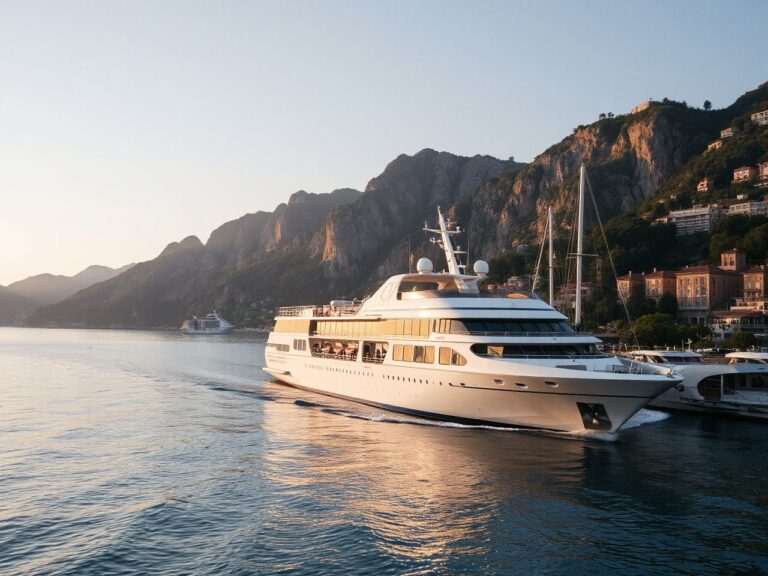
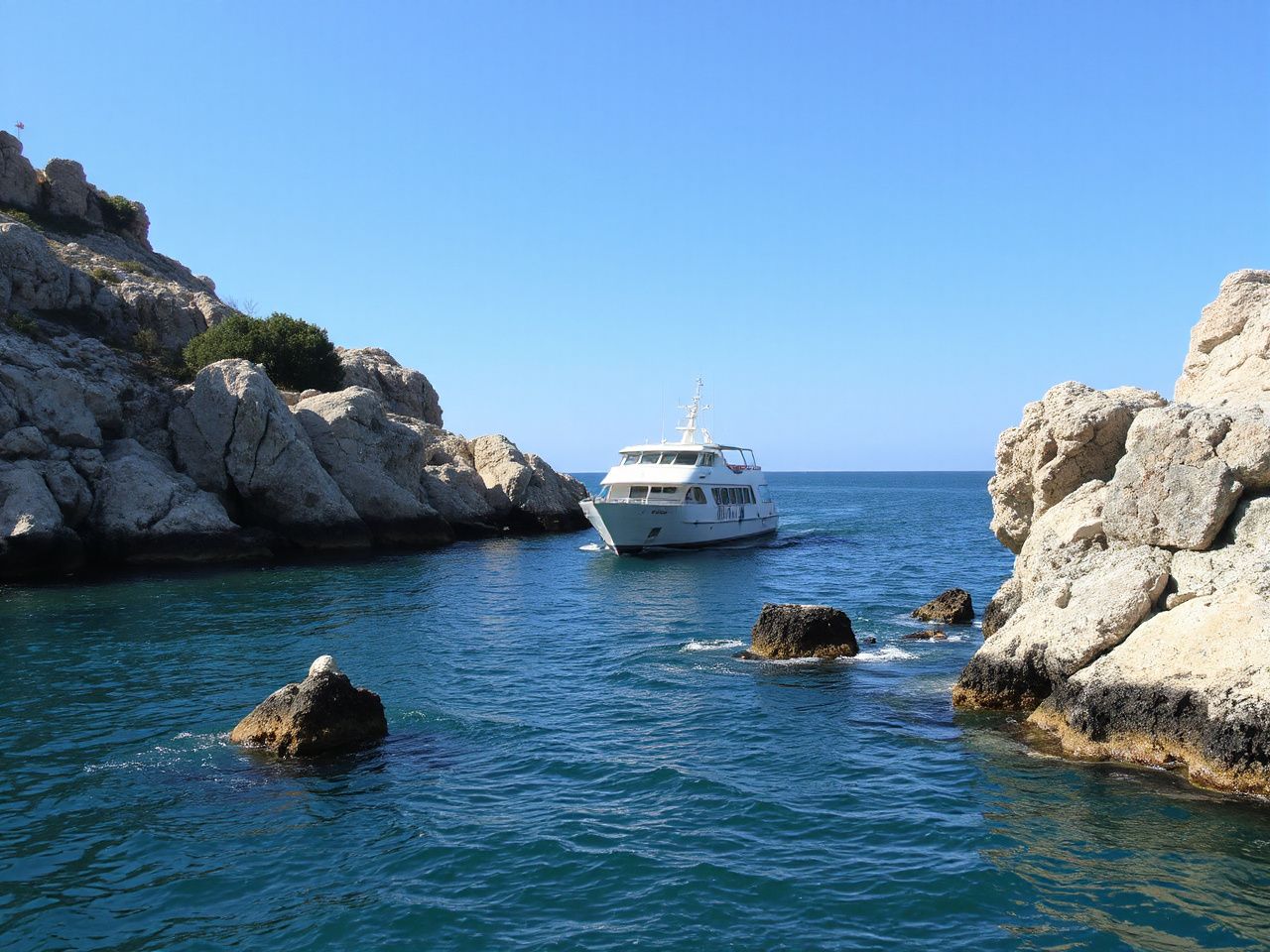
Most itineraries run 7 to 10 days, departing from Venice’s Marittima basin or, more likely, the industrial port of Marghera for smaller ships. From there, the course hops down the Istrian peninsula — stops like Rovinj or Pula — then weaves through the Dalmatian islands: Krk, Cres, Zadar, Šibenik, Split, Hvar, Korčula, before the final approach under Dubrovnik’s walls. A small ship, usually with a draft under 5 meters, can slip into Korčula’s old town harbor or anchor off Mljet National Park, while big cruisers would be busing you from a distant port. That proximity is both the gift and the responsibility. You’re often docking right at the heart of a medieval center, which means you’re walking off the gangway directly into steep, cobbled steps.
What “Small Ship” Really Means Here
Don’t let marketing blur the lines. In the Adriatic, a small ship can be a 16-passenger motor-sailor or a 350-passenger boutique vessel with stabilizers. The real dividing line is the tender process: if the ship carries its own Zodiacs or launches, you’ll reach beaches and grottos that no jetty can reach. If you’re reading about a cruise starting from Venice anywhere, you’ll see that the smaller you go, the more you rely on wet landings. That’s not a drawback — it’s a feature — but it means you need shoes that can handle saltwater and a dry bag for electronics. Treat it like crossing a river: know your exit point before you get in.
Packing for Shoulder Season Sailing
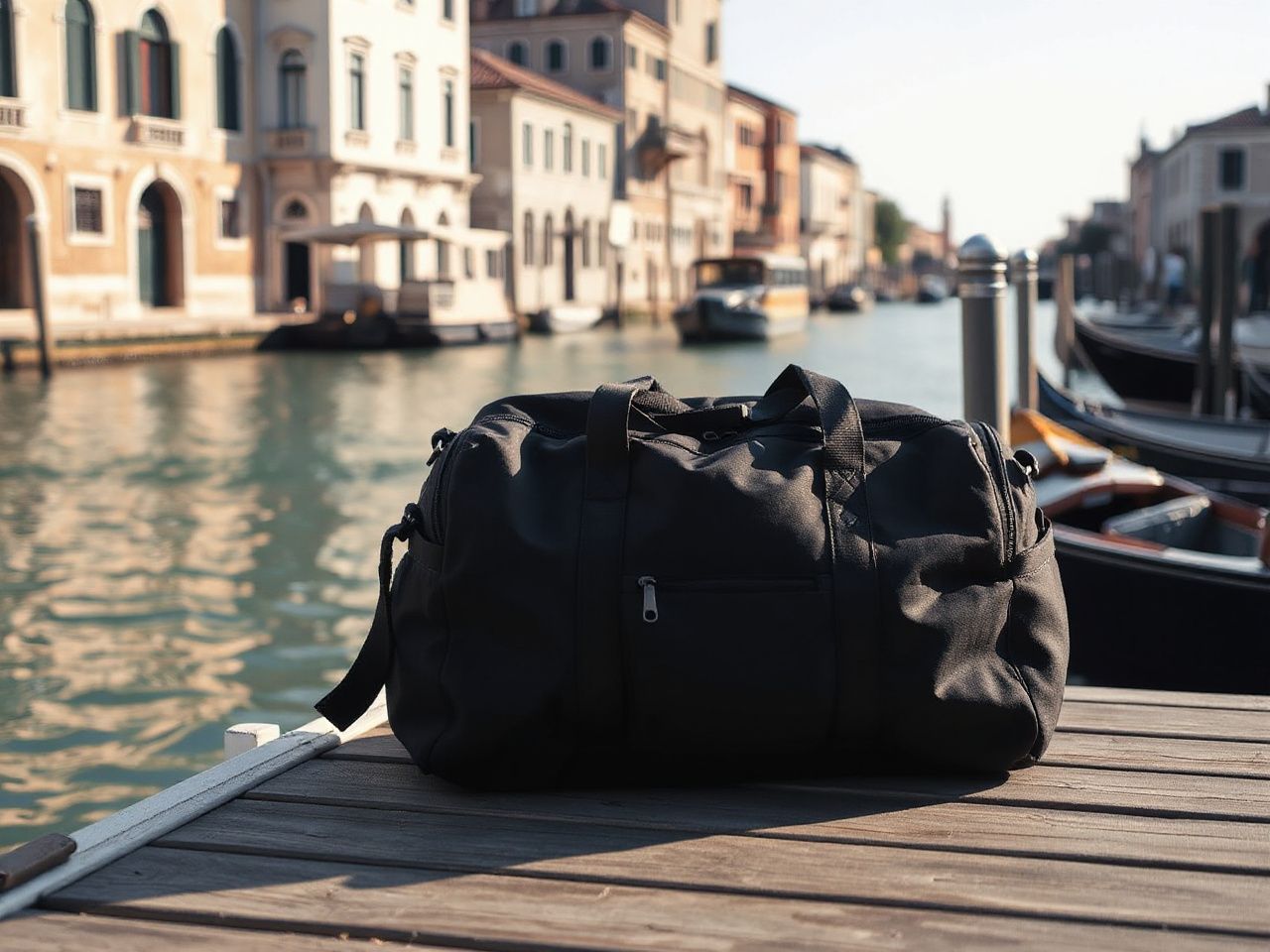
The Med summer — June through August — brings heat and crowded ports, but May and September are sweet spots with daytime highs around 23°C (73°F) and water warm enough for swimming. Pack as if layering for a mountain pass: a windproof shell, a microfleece, and quick-dry everything. A waterproof deck bag with a roll-top closure is ideal for keeping gear dry. Sea spray doesn’t care about your camera. Also, non-slip boat shoes with a white sole (to avoid scuffing decks) aren’t just etiquette; they’re safety on wet fiberglass.
 small ship cruises from venice dubrovnik – detailed view” loading=”lazy”>
For the Seasoned Small-Ship Sailor: Shore Excursion Risk Assessment
If you’ve done a small ship cruise before, you already know the drill: briefings are often verbal, sign-up sheets are casual, and the crew expects you have a headlamp and a clue. The ports between Venice and Dubrovnik offer a mix of guided walks, kayak rentals, and ancient streets that double as an obstacle course. But this isn’t about the romance of lavender fields. Here is a mental checklist for every time you step off the gangway, because that’s where the real variables stack up.
Analyzing Port Activities Like a Risk Analyst
Take Hvar Town: the marina sits directly below a fortress that’s a 20-minute stair climb. Easy, right? In August, with 35°C (95°F) heat, those stone stairs radiate heat like a kiln. Without a liter of water and a hat, you’ll be dizzy before you reach the cannon embrasures. Now consider a kayaking excursion around the Pakleni Islands. The rental operator might hand you a sit-on-top and a life vest, but who checks the wind forecast? Cross-shore breezes can push you out toward the open channel faster than you’d paddle back. The rule: Ask what the contingency plan is. If they look at you blankly, trust your gut, not their gear.
When you dig into small ship Mediterranean cruise reviews, you’ll notice a pattern: the highest praise often goes to lines that train their expedition staff in maritime safety beyond the legal minimum. That’s a signal worth chasing.
Cultural Immersion Without the Herd
Ships holding under 200 passengers let you blend into the actual rhythm of a town. In Korčula, you can walk from the MS Slano harbor straight into a konoba (tavern) for octopus peka before the lunch rush. But blending in means understanding local codes: many Dalmatian towns quiet down between 14:00 and 17:00. If you’re off exploring old fortifications during that window, carry your own water and snacks because few shops will be open. This isn’t a cruise line failure; it’s a cultural reality that rewards those who read ahead of time.
For the Adventure-Seeker: Pushing Beyond the Port
This is where the small ship advantage truly bites. While the big liners are herding passengers onto air-conditioned coaches, you’re likely stepping onto a Zodiac in Mljet or cycling the level paths around Vransko Lake on Cres. The gap between “available” and “sensible” shore excursions can be significant. Just because a shore excursion is listed doesn’t mean it’s safe for your skill level, fitness, or the day’s weather.
Self-Guided Exploration in Coastal Towns
Wandering Šibenik’s steep lanes or climbing the fortress of St. Michael is one of the purest forms of discovery. But navigation is your own responsiblity here. The stone alleyways can become a labyrinth, and signage is often minimal. Treat it like finding an unmarked trailhead: download the Gaia GPS track beforehand, map out waypoints, and mark the last reliable water source. In Dubrovnik, the city walls are a must, but tackle them at opening (08:00) or late afternoon to avoid the press of day-trippers and reduce heat exposure. Carrying a small, reusable water filter bottle adds insurance against dubious public fountains.
Water Sports and Coastal Hikes: A Real Risk Assessment
Kayaking and stand-up paddleboarding (SUP) pop up in nearly every port between Zadar and Dubrovnik. The seas can turn quickly: a calm morning mirror can become a whitecap factory by noon when the maestral westerly kicks up. Before renting, check Windy.com for the hourly wind speed projection and note the nearest sheltered bay. If you’re not confident self-rescuing a capsized kayak, stick to guided groups with a support boat. Many operators will happily rent you a craft without checking your ability — it’s on you to be honest about your swimming and re-entry skills.
Even winter sailings can be rewarding, as highlighted in our look at the best cruises in December for 2026, but the same rules apply amplified: less daylight, colder water temperatures, and fewer open establishments demand more thorough planning.
Frequently Asked Questions
What is the typical duration of small ship cruises from Venice to Dubrovnik?
Expect between 7 and 10 nights, depending on the number of island stops and whether the operator includes a turnaround day in Venice. Longer routes might dip into Montenegro’s Bay of Kotor before reaching Dubrovnik, adding an extra layer of passport control and pilotage fees that are always worth clarifying before booking.
How safe are small ships compared to large cruise liners on the Adriatic Sea?
Modern small ships built for these waters carry full SOLAS certification, advanced stabilizers, and often have a much higher crew-to-guest ratio than megaships. The real safety advantage lies in maneuverability: a smaller vessel can seek shelter in a port quickly if the bora strengthens unexpectedly. Drill attendance is mandatory, just as on larger ships, but the intimacy means you’ll get to know the lifeboat station and crew procedures far more directly.
What should I pack specifically for a small ship cruise along the Dalmatian Coast?
Focus on layers and waterproofing. A lightweight rain jacket, quick-dry trousers, and a fleece for evenings on deck. Include non-slip deck shoes, a headlamp for dark gangways in smaller ports, and a dry bag for the tenders. Motion sickness remedies like ginger chews or acupressure bands are smart even if you don’t usually get seasick, because the bora can whip up short, choppy waves that affect smaller vessels more noticeably.
Are there opportunities for adventure activities like kayaking or hiking at the ports?
Yes, and they’re one of the main reasons to choose a small ship from Venice to Dubrovnik. In places like Mljet, Hvar, and Korčula, you’ll find kayak rentals, biking paths, and uncrowded hiking trails that large cruise passengers rarely access. However, these activities are typically independently operated, so you must assess gear condition, weather, and your own competency. Guides may be optional; if you go solo, inform someone on the ship of your planned route and expected return time. If you’re exploring broader Adriatic cruising options, The Complete Guide to Cruises Starting From Venice helps you see how these small-ship itineraries fit into the bigger picture.