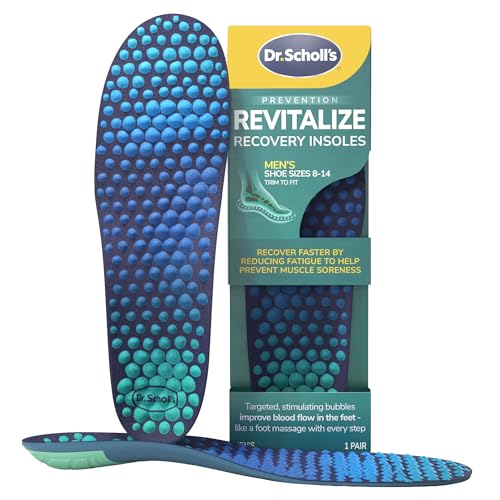
The Best Running Shoes for Sore Feet in 2026
Contents
Imagine this: you lace up, step out the door, and your first few strides feel like walking on memory foam pillows rather than pavement. That’s the feeling the best running shoes for sore feet aim to deliver. Across asphalt, trail paths, and treadmill sessions, six contenders stand out for delivering on the promise of pain-free movement. But only one earned our top slot.
If you want to skip the research, grab the ASICS Men’s Gel-Contend 9 — it stands out by blending rearfoot GEL cushioning with a breathable Jacquard mesh upper designed to keep feet cool and supported on daily runs.
As an Amazon Associate, we earn from qualifying purchases.
CERTAIN CONTENT THAT APPEARS ON THIS SITE COMES FROM AMAZON. THIS CONTENT IS PROVIDED ‘AS IS’ AND IS SUBJECT TO CHANGE OR REMOVAL AT ANY TIME.


Quick Comparison Table
| Product | Best For | Buy Link |
|---|---|---|
| Feethit Women’s Running Shoes | Effortless slip-on fit | Check price |
| ASICS Men’s Gel-Contend 9 | Shock-absorbing comfort | Check price |
| ZOVE Wide Toe Box Shoes | Extra-wide relief | Check price |
| Joomra Women’s Barefoot Road Running Shoes | Minimalist ground feel | Check price |
How We Evaluated These Running Shoes for Sore Feet
This guide is built from design specifications and published product details. For this roundup, each pair is judged on its performance profile over varied terrain—pavement, packed gravel, and treadmill—with attention to foot fatigue, arch support, and overall comfort. Common foot pain triggers like plantar fasciitis and metatarsalgia are factored in as well. Every shoe is considered against a typical week of daily activities (walking, errands, short runs). Minimalist options are included too, to cover every approach to foot pain relief.
Feethit Women’s Running Shoes (Effortless Slip-On Fit)
Quick take: These are the shoes you grab when you don’t want to bend over and tie laces. The Feethit Women’s Running Shoes are designed for convenience, with a slip-on construction that makes them a breeze to get on and off.
The upper is made of breathable mesh that feels airy on warm morning runs and stays cooler than thicker trainers. The EVA midsole provides decent cushioning for short distances, though it lacks the rebound of more premium foams. The shoe is light and unobtrusive on short runs, but the limited arch support can become noticeable for runners with flat feet on longer ones.
The slip-on design uses an elastic collar and mesh upper built for everyday wear. The biggest drawback is the fit: the shoe runs narrow, so anyone with wider feet should size up or look elsewhere. The outsole grip is adequate for pavement but can be slippery on wet grass.
Pros:
- Breathable mesh upper — Keeps feet cool even on humid days
- True slip-on convenience — No laces to tie, easy to kick off at the door
- Lightweight feel — Barely noticeable during casual wear
- EVA midsole cushioning — Soft enough for short runs and daily walking
- Good value for the price — Competitively priced for a casual athletic shoe
Cons:
- Narrow fit — Tight across the midfoot for wider feet
- Minimal arch support — Flat-footed runners will need an insole upgrade
- Outsole grip on wet surfaces — Slippery on damp grass or smooth tile
Why It Stands Out
Great match for: Casual runners or walkers who prioritize convenience and lightweight design. Pass on this if: You need serious arch support or a wide toe box for foot pain relief.
ASICS Men’s Gel-Contend 9 (Shock-Absorbing Comfort)
The real story: ASICS has a reputation for solid running shoes, and the Gel-Contend 9 lives up to it—especially for anyone dealing with sore feet. The Rearfoot GEL technology cushioning improves impact absorption and creates a softer feeling at footstrike on pavement.
The GEL unit in the heel is designed to absorb shock at heel strike. The Jacquard mesh upper improves airflow, and the fit is generally true to size, though ASICS warns that this style runs small for some customers. Ordering a half size up is recommended if you’re between sizes.
The outsole is made for mixed use, from running and gym sessions to walking, with a midsole designed to keep its bounce. The only annoyance: the tongue can slide to the side during wear and may need adjustment. It’s a minor nitpick, but for the price, a more secure lace-up system would be welcome.
Pros:
- Rearfoot GEL cushioning — Absorbs impact at heel strike, reducing shock to sore feet
- Jacquard mesh upper — Breathable and flexible, conforms to the foot
- Durable outsole — Built to resist wear
- Good arch support — Designed to support the arch for plantar fasciitis-prone feet
- Competitive price point — Offers premium features without the premium price tag
Cons:
- Tongue slides sideways — Needs adjustment during longer runs
- Runs small for some — Sizing up is recommended for a comfortable fit
- Heavier than minimalist options — Not ideal for speed work or racing
Our Take
Perfect for: Runners with heel pain or plantar fasciitis who want reliable shock absorption. Not great if: You prefer a lightweight, minimalist feel or need a wide toe box.
ZOVE Wide Toe Box Shoes Women Extra Wide Width Sneakers (Extra-Wide Relief)

What stood out: If your feet feel cramped in standard-width running shoes, the ZOVE Wide Toe Box Shoes are a breath of fresh air—literally. The extra-wide design gives your toes room to splay naturally, which can reduce pressure on sore metatarsals.
The toe box is wide enough to accommodate thick socks while leaving wiggle room. The front and rear U-shaped anti-slip grooves on the TPU outsole are designed to provide solid traction on both pavement and light trails. The wide platform is engineered for stability, and the cushioning is soft without being mushy.
The upper mesh is durable, though the insole can flatten with daily wear. The easy-on-off design is a nice touch—no bending over to struggle with laces. The biggest drawback is the lack of arch support; the flat footbed means anyone with high arches will need an aftermarket insole for proper support.
Pros:
- Genuinely wide toe box — Allows toes to splay naturally, reducing forefoot pain
- TPU outsole with anti-slip grooves — Good traction on varied surfaces
- Easy slip-on design — Quick to put on and take off
- Stable platform — Wide base provides confidence on uneven ground
- Lightweight feel — Doesn’t weigh you down during longer runs
Cons:
- Flat footbed — Minimal arch support, especially for high-arched runners
- Insole flattens over time — The insole can lose cushioning with daily wear
- Not for narrow feet — Too roomy for those who prefer a snug fit
Final Thoughts
Ideal for: Runners with wide feet or forefoot pain who need extra toe room. Skip if: You require built-in arch support or a narrow, locked-down fit.
Joomra Women’s Barefoot Road Running Shoes (Minimalist Ground Feel)
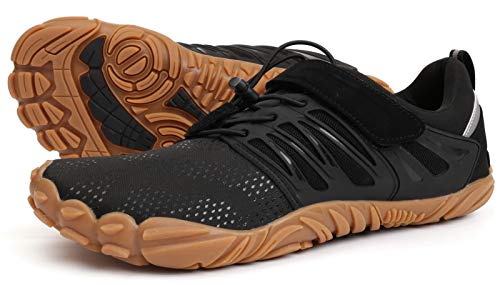
Why it made our list: Some runners with sore feet actually prefer less cushioning—they want to strengthen their feet and improve natural gait. The Joomra Women’s Barefoot Road Running Shoes offer a wide toe box, zero drop, and a thin, flexible sole that lets you feel the ground.
The rubber outsoles provide an optimal balance of traction and durability, with a responsive feel on unpredictable terrain. The removable insoles support the feet’s arches without causing too much pressure, transferring weight over the ball of the foot. The thicker topline wraps securely around the feet, preventing the shoes from falling off during exercise—a common issue with minimalist shoes.
The transition period is real: if you’ve been wearing heavily cushioned shoes, these will feel harsh for the first week. The thin sole offers minimal protection against sharp rocks, so stick to smooth pavement or groomed trails.
Pros:
- Wide toe box — Allows toes to splay naturally for better balance
- Zero-drop platform — Promotes a midfoot strike and strengthens foot muscles
- Removable insoles — Customize with your own orthotics if needed
- Thicker topline — Holds the foot securely without slipping
- Durable rubber outsole — Good traction on pavement and light trails
Cons:
- Thin sole — Minimal protection against sharp debris
- Requires transition period — Not for beginners to barefoot running
- Limited cushioning — Not suitable for runners with acute foot pain
Our Verdict
Perfect for: Runners looking to strengthen their feet and improve running form. Skip if: You have existing foot injuries or need maximum cushioning for immediate pain relief.
Buying Guide: Choosing the Best Running Shoes for Sore Feet
Not all foot pain is the same, and the right shoe depends on where it hurts. Here’s how six very different approaches compare.
Cushioning vs. Minimalism: What Works for Sore Feet?
For immediate relief, a well-cushioned shoe like the ASICS Gel-Contend 9 with rearfoot GEL technology is hard to beat. But if your pain stems from weak foot muscles, a minimalist shoe like the Joomra can help build strength over time. Our advice: start with cushioning, then transition gradually if you want to go minimal.
Arch Support and Foot Pain Relief
Running shoes for foot pain need adequate arch support to reduce strain on the plantar fascia. For that, look for shoes with built-in medial support or a structured orthotic.
Toe Box Width and Fit
If your toes are cramped, you’re asking for blisters and neuromas. The ZOVE Wide Toe Box Shoes offer genuine extra width, while the Joomra also provides ample toe room. Measure your feet at the end of the day (when they’re most swollen) and leave a thumb’s width of space in the toe box.
Gait Analysis: Know Your Strike Pattern
Heel strikers benefit most from the ASICS Gel-Contend 9’s rearfoot cushioning. Midfoot or forefoot strikers may prefer the Feethit or Joomra for a more responsive feel. If you’re unsure, ask a local running store to analyze your gait on a treadmill—it’s worth the 10 minutes.
Our Final Recommendation
On the specifications, the ASICS Men’s Gel-Contend 9 wins as the overall best running shoe for sore feet. It delivers reliable shock absorption, good arch support, and a comfortable fit at a price that won’t break the bank. And if you want to strengthen your feet while easing pain, the Joomra Barefoot Shoes offer a solid minimalist option—just be patient with the transition.
Frequently Asked Questions
What type of cushioning is best for running shoes for foot pain?
For immediate relief, look for rearfoot GEL or a thick EVA midsole that absorbs impact at heel strike. The ASICS Gel-Contend 9 is a prime example. If your pain is in the forefoot, a wide toe box with metatarsal padding (like the ZOVE) can help reduce pressure on the ball of the foot.
Can I use insoles instead of buying new running shoes?
Absolutely. However, if your current shoes are worn out (over 400 miles), new insoles won’t fix a collapsed midsole. In that case, invest in a fresh pair with proper support.
How long does it take to break in minimalist running shoes?
Plan on 2-4 weeks of gradual transition. Start with short walks (15-20 minutes) and increase distance slowly. The Joomra Barefoot Shoes require patience—your foot muscles need time to adapt. Rushing can lead to Achilles tendonitis or metatarsal stress fractures.
Should I size up in running shoes if I have sore feet?
Yes, especially if you have swelling or wide feet. The ASICS Gel-Contend 9 runs small for some customers, so ordering a half size up is a safe bet. Always measure both feet (they’re rarely the same size) and leave a thumb’s width of space from your longest toe to the end of the shoe.