Bungee Jumping New York: Your Complete Guide
Contents
The moments that make the best stories are almost always the ones where something went wrong — and in a sport where the equipment is the only thing between you and the ground, that is an argument for preparation rather than against it. Preparation doesn’t remove the risk; it decides what your options are when something does go wrong. That is the mindset worth bringing to bungee jumping in New York. You don’t just show up and jump. You scout the spot, check the gear, and understand the risks. The payoff is a memory that sticks longer than any paved road.
Key Takeaways
- New York offers bungee jumping from bridges, gorges, and mountains, with heights ranging from 100 to 200 feet.
- The most reliable operators are based in the Adirondacks and the Finger Lakes region, known for strict safety protocols.
- Physical requirements include a weight limit of 250 pounds and no history of back or neck injuries.
- Best seasons are late spring through early fall, with water temperatures above 50°F for water-adjacent jumps.
Where to Find Bungee Jumping in New York
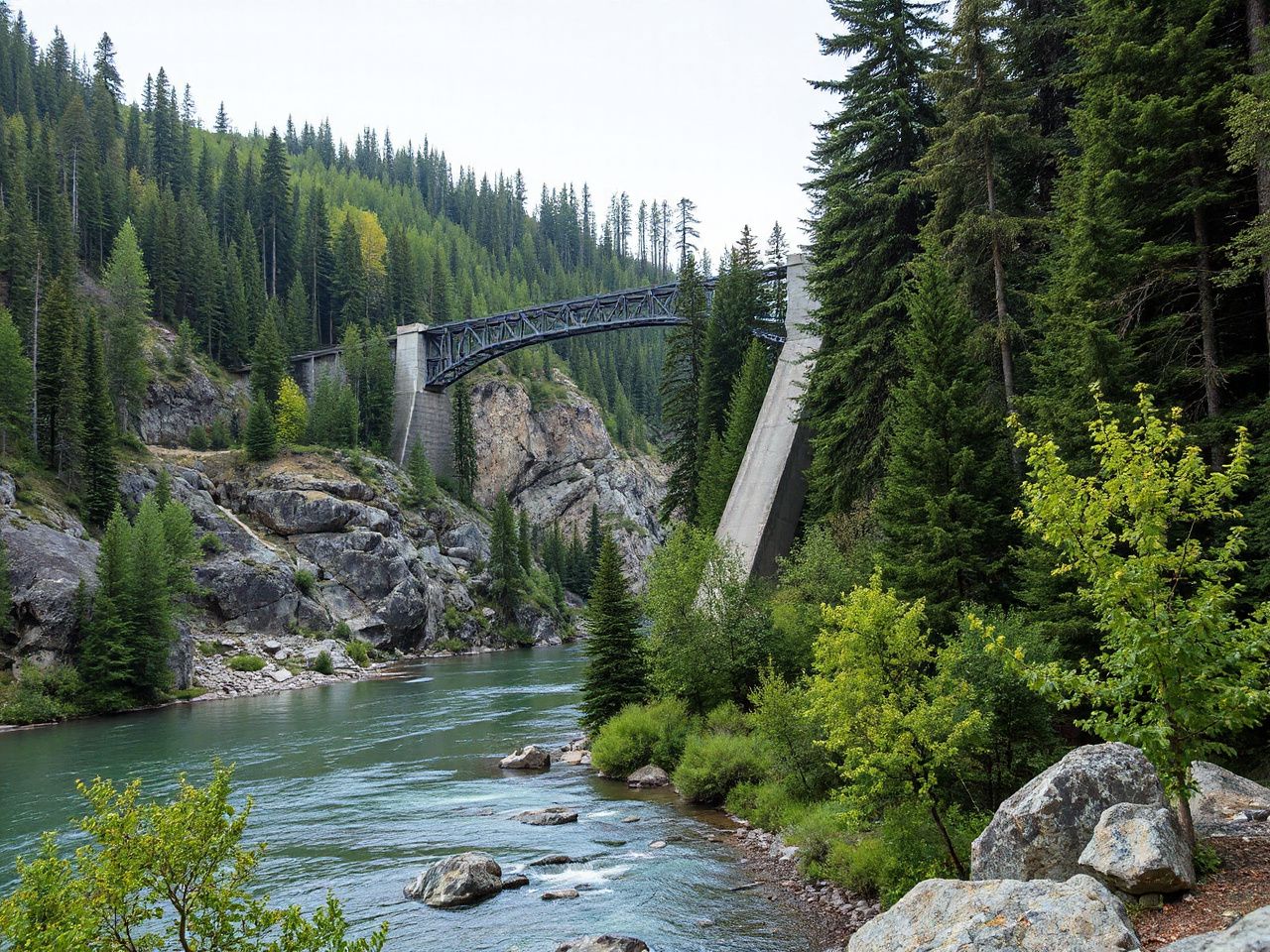
New York State is more than skyscrapers. The real vertical thrill comes from natural features. The most iconic spot for bungee jumping in New York is the Adirondack Mountains, specifically the Indian Lake bridge operated by Adirondack Bungee. This jump drops 100 feet into a gorge with a river below. The water depth is 15 feet, which is standard for a safe landing zone.
Another prime location is Letchworth State Park, known as the “Grand Canyon of the East.” Here, a commercial operator runs jumps from a 140-foot bridge over the Genesee River. The gorge walls are 600 feet apart, so you get a wide-open fall with no cliff sides to worry about. The river runs cold — 45°F in spring — so wetsuits are provided for water-contact jumps.
If you want a more remote experience, head to the Finger Lakes. Operators near Watkins Glen set up temporary harness points over the gorge. These jumps are not permanent, which means you have to book ahead. The height varies from 80 to 120 feet, depending on the exact site. This is as close as you get to a backcountry jump without a helicopter.
For those coming from the city, the closest option is a 2.5-hour drive from Manhattan to the Shawangunk Ridge. There, a seasonal operator runs jumps from a 110-foot cliff face. The landing zone is a deep pool at the base of the cliff, with water temperatures hovering around 55°F in summer. This is the only spot in the state that uses a dynamic braking system, which reduces the rebound pull on your spine.
How to Prepare for Your First Jump
Step 1: Check Your Health
Bungee jumping puts stress on your spine and eyes. You need to be free of back injuries, neck injuries, and glaucoma. The rapid deceleration increases intraocular pressure, which can damage vision. Most operators require a signed waiver acknowledging these risks. If you have any doubt, get a doctor’s clearance at least 2 weeks before your jump.
Step 2: Choose the Right Gear
The harness is the single most important piece of equipment. For bungee jumping in New York, you’ll be wearing either a full body harness or an ankle harness. The full body harness distributes the load across your torso and legs. The ankle harness is for the purest fall experience but puts more stress on your lower body. Never use a climbing harness — the load points are different and can fail under bungee forces.
The cord itself should be latex rubber with a minimum diameter of 10mm. The cord length determines the rebound height. A good rule: the cord should be 70% of the drop height. For a 100-foot jump, the cord should be 70 feet long. This gives you a smooth deceleration without hitting the ground or water.
Step 3: Understand the Physics
When you jump, you accelerate at 9.8 m/s² until the cord catches. The cord stretches to 2.5 times its resting length at the bottom of the fall. This stretch absorbs the kinetic energy and converts it to potential energy for the rebound. The maximum force on your body is about 3.5 Gs, which is less than a roller coaster. The whole fall takes 4 to 6 seconds from release to full stop.
Safety Protocols and What to Expect
Every commercial operator in New York follows the ASTM F2815-10 standard for bungee jumping. This means the cord is replaced after 500 jumps or 1 year, whichever comes first. The harness webbing is inspected before every jump for fraying, cuts, or chemical damage. The anchor point — usually a bridge or a purpose-built tower — is load-tested to 5,000 pounds annually.
On the day of your jump, you’ll go through a 15-minute briefing that covers body position, what to do if the cord snaps (it won’t, but they tell you anyway), and how to signal the ground crew. You’ll be weighed to confirm you’re within the 100 to 250 pound range. The operator will then attach the harness and cord, double-check the carabiners, and give you the go-ahead.
The actual jump is anticlimactic in the best way. You step off the platform, and for the first 1.5 seconds, you’re in freefall. Then the cord catches, and you feel a firm pull as the stretch begins. The rebound takes you back up to about 60% of the original height, then you oscillate until the ground crew pulls you down. The whole thing lasts 30 to 45 seconds from jump to retrieval.
Best Seasons and Weather Conditions
The season for bungee jumping in New York runs from May to October. In May, water temperatures are around 50°F, so you’ll want a wetsuit if the jump ends in water. By July, the water warms to 65°F, and you can jump in shorts and a T-shirt. October brings cooler air — 45°F to 55°F — but the fall foliage makes for incredible views.
Wind is the biggest weather risk. Operators will not jump if sustained winds exceed 20 mph or gusts exceed 30 mph. Wind can swing you into the bridge or cliff face, causing injury. If the forecast shows high winds, the operator will reschedule. Rain is less of a problem — bungee cords work fine in wet conditions — but lightning is an immediate cancelation. Always check the weather 48 hours before your reservation.
For the best experience, book a jump on a clear morning between 8 AM and 10 AM. The air is still, the light is good for photos, and the water is calm. Afternoon jumps are more likely to be canceled due to afternoon thunderstorms, especially in the Adirondacks.
What to Wear and Bring
Dress for the temperature but avoid loose clothing. Wear tight-fitting shorts or leggings and a fitted T-shirt. No hoodies with drawstrings — the cords can catch on the harness. Closed-toe shoes are mandatory. Running shoes with good grip are best. Avoid sandals or flip-flops. If you’re doing a water landing, bring a change of clothes and a towel.
You can bring a camera, but most operators require a wrist strap to prevent dropping it. GoPros with a helmet mount are the best option. The operator will usually have a photographer on the ground who will capture the jump for an extra fee — typically $20 to $40 for a digital package. Leave valuables in your car or a locker. Phones fall out of pockets easily during the rebound.
Cost and Booking Tips
A single jump costs between $80 and $150, depending on the location and height. The Adirondack Bungee jump is on the lower end at $85 for a 100-foot drop. The Letchworth jump is $120 for the 140-foot drop. Some operators offer a second jump at half price if you do it the same day. Group discounts are available for parties of 6 or more.
Booking online is recommended at least 1 week in advance, especially for weekend slots. Walk-ins are sometimes accepted, but you risk being turned away if the schedule is full. Some operators require a non-refundable deposit of $20 to hold your spot. Check the cancellation policy — most allow a full refund if you cancel 48 hours before the jump.
If you’re traveling from out of state, consider making a weekend of it. The Adirondacks have plenty of hiking and camping, and the Finger Lakes region is known for its wineries. For a complete adventure trip, you can combine your jump with a visit to the best bungee jumping Atlanta Georgia spots if you’re heading south later in the year.
Frequently Asked Questions
Is bungee jumping in New York safe?
Yes, when done with a licensed operator. All commercial operators in New York follow ASTM standards, use inspected harnesses, and replace cords regularly. The fatality rate for commercial bungee jumping is roughly 1 in 500,000 jumps, which is lower than the risk of a fatal car accident on the way to the site.
What is the highest bungee jump in New York?
The highest commercial bungee jump in New York is at Letchworth State Park, with a drop of 140 feet. The bridge itself is higher, but the jump is measured from the platform to the landing zone. For comparison, the highest bungee jump in North America reaches over 200 feet, but New York’s heights are still plenty for a serious adrenaline hit.
Can I bungee jump in New York City?
No, there are no permanent bungee jumping sites within New York City limits. The closest options are in the Shawangunk Ridge (2.5 hours north) or the Adirondacks (4 hours north). Some temporary events have been set up in Manhattan, but they are rare and require special permits. For a true bungee experience, you need to leave the city.
What weight do you need to be to bungee jump in New York?
The weight limit for most New York operators is 100 to 250 pounds. The lower limit ensures the cord stretches enough to give a proper fall. The upper limit is for safety of the anchor and harness. If you are over 250 pounds, some operators may allow a tandem jump with an instructor, but this is not common. Always confirm with the operator before booking.
Do I need to make a reservation for bungee jumping in New York?
Yes, reservations are strongly recommended, especially for weekend jumps. Most operators have limited capacity — typically 10 to 20 jumpers per day. Walk-ins are accepted on weekdays, but you risk being turned away. Book online at least 1 week in advance to secure your spot. For the most remote options, like the Finger Lakes gorge jumps, a reservation is mandatory.