Mediterranean River Cruise: Your Complete 2026 Guide
Contents
The trips that turn into the best stories are almost always the ones where something went wrong. Preparation doesn’t prevent that — it just decides how many options are left when it happens. The same principle applies to a Mediterranean river cruise. Most travel writers paint these trips as effortless luxury, but anyone who has navigated a docking delay in Avignon or a missed excursion in Arles knows the truth: even a well-planned river cruise demands real risk management.
Key Takeaways
- River cruise itineraries vary significantly by season — water levels in spring vs. autumn can alter routes and stop accessibility.
- Choosing between all-inclusive and a la carte packages affects both cost and flexibility; know what’s covered before you book.
- Packing layers and sturdy walking shoes is non-negotiable for shore excursions, regardless of the brochure photos.
- Understanding the ship’s size and passenger capacity helps match the experience to your tolerance for crowds and shared spaces.
Why a Mediterranean River Cruise Demands a Different Mindset
You might think a river cruise is just a scaled-down ocean cruise on calmer waters. That’s not quite accurate. The Rhône, the Saône, the Po, and the Guadalquivir each present unique challenges: fluctuating water levels, narrow locks, and docking spots that are sometimes miles from the town center. Travelers are sometimes stranded when a low-water season forces a ship to swap a planned stop for a bus transfer. That’s not a failure — it’s the reality of navigating inland waterways.
From a risk assessment perspective, a mediterranean river cruise involves more variables than a standard ocean itinerary. The ships are smaller, which means less onboard entertainment but tighter access to historical ports. If you’re coming from the world of off-road riding, you’ll recognize the trade-off: more direct contact with the environment, less buffer from the unexpected.
Assessing the Real Demands of a River Cruise
Physical Fitness and Mobility Requirements
Most river cruise ships do not have elevators between all decks. You’ll climb stairs multiple times a day. Shore excursions often involve walking on cobblestones, uneven paths, and steep inclines. If you or a travel partner has limited mobility, confirm with the cruise line about accessible cabins and gangway assistance. Some ships offer ramps, but not all ports have them.
The average walking distance per excursion is 2 to 4 miles over several hours. That’s comparable to a moderate trail ride — not extreme, but enough to fatigue someone unprepared. New walking shoes should be broken in at least two weeks before departure.
Water Levels and Itinerary Changes
River cruises are at the mercy of rainfall and snowmelt. The Rhône typically runs highest in late spring and lowest in late summer. If water levels drop too much, the ship may not clear a lock or a bridge. Cruise lines often reimburse missed ports, but they don’t compensate for the lost time or the disappointment. Check seasonal averages for your chosen river before booking.
Planning Your Route: Key Rivers and Their Characteristics
The Rhône and Saône: France’s Wine and Lavender Corridor
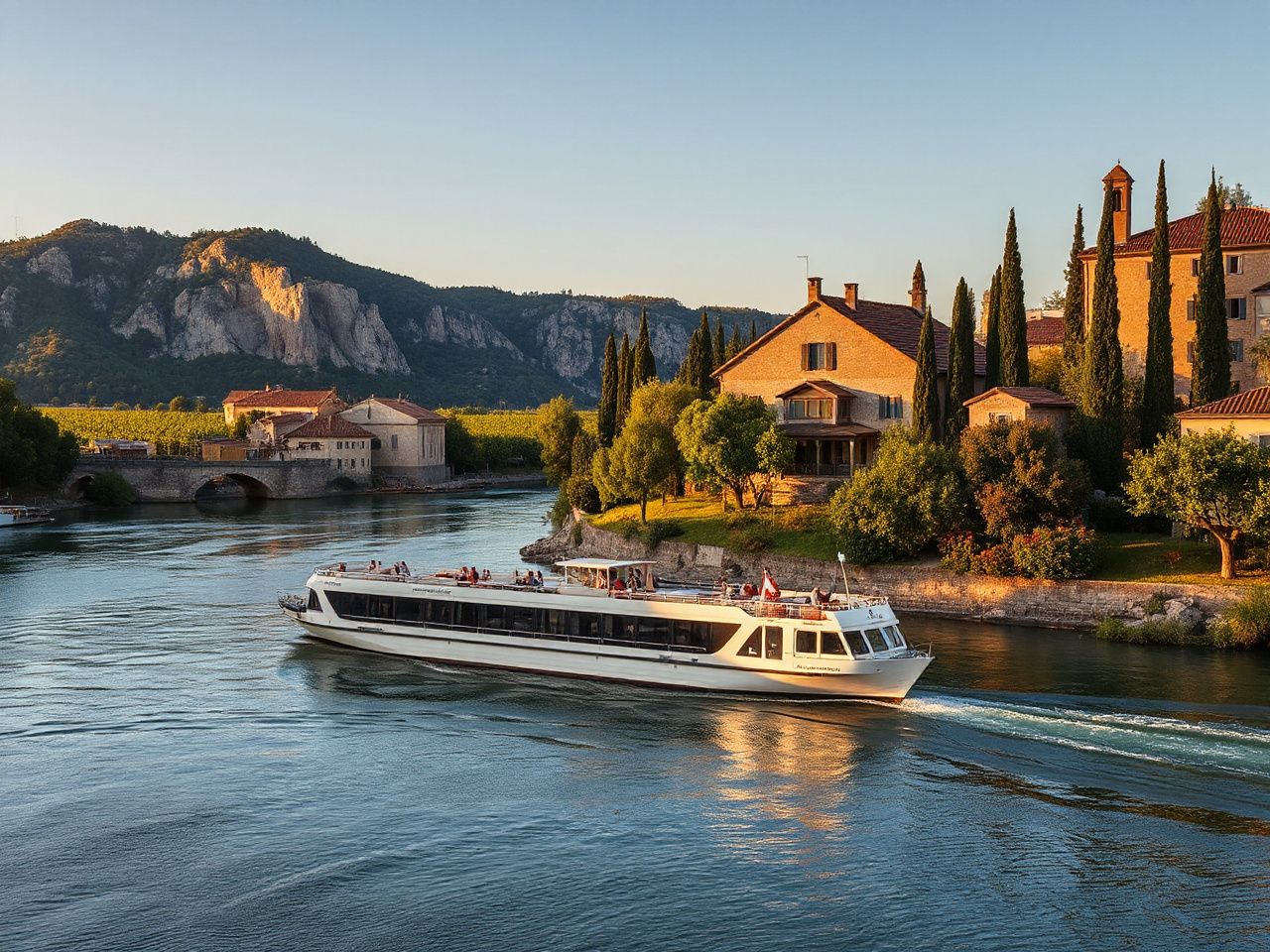
This is the most popular Mediterranean river cruise route. It runs from Lyon to Avignon, with stops in Arles, Viviers, and sometimes the Camargue. The Rhône is a working river with commercial traffic, so you’ll see barges and locks. The Saône is narrower and quieter. The best months are April to June for spring blooms and September to October for harvest season.
Risk factor: The Rhône has strong currents and occasional flooding in spring. Some docking areas require tendering — small boats ferry passengers to shore. Tendering adds 20 to 30 minutes to each excursion and can be challenging in windy conditions.
Po River: Northern Italy’s Hidden Waterway
The Po flows through Turin, Cremona, and near Venice. It’s less crowded than the Rhône but also more prone to low water in summer. Ships on the Po are often smaller, carrying 100 to 150 passengers compared to 150 to 200 on the Rhône. That means more intimate tours but fewer onboard amenities.
Risk factor: The Po delta is a protected natural area. Some cruise lines use smaller vessels or require bus transfers to reach Venice proper. Confirm the exact drop-off point for Venice — some itineraries end in Chioggia, not central Venice.
Guadalquivir: Andalusia’s Gateway
This river runs through Seville and into the Atlantic. It’s navigable by medium-sized river ships, but the tidal range near the mouth can affect docking schedules. The Guadalquivir is best visited in March to May or October to November to avoid summer heat — Seville regularly hits 40°C (104°F) in July.
Risk factor: The river has a few low bridges. Ships with fixed superstructures may not pass at high tide. Check the ship’s air draft (height above waterline) before booking.
Gear and Packing: What You Actually Need
Packing for a river cruise requires more thought than an ocean cruise. You’ll be moving through multiple climates and activity levels in a single day. Here’s a gear checklist based on my experience assessing adventure travel risks:
- Waterproof jacket with a hood — not an umbrella. Wind on the deck makes umbrellas useless.
- Walking shoes with Vibram soles or similar high-traction tread. Cobblestones get slick when wet.
- Layering system: base layer (merino wool or synthetic), mid layer (fleece or light down), outer shell. Temperatures can swing 10°C (18°F) between morning and afternoon.
- Day pack with a hydration bladder or water bottle. Many excursions have limited water refill stops.
- Power bank — ship cabins have limited outlets, and you’ll use your phone for maps and translation.
- Sun protection: SPF 50 sunscreen, wide-brimmed hat, polarized sunglasses. The reflection off the water amplifies UV exposure.
Booking Strategy: How to Choose a Cruise Without the Hype
Ship Size and Passenger Count
Ships with 120 to 160 passengers strike the best balance between intimacy and stability. Larger ships (200+ passengers) feel crowded at the buffet and during excursions. Smaller ships (under 100) offer a more personal experience but may have fewer dining options and less entertainment. If you value quiet evenings and personalized service, go smaller. If you want variety in meals and activities, go larger.
All-Inclusive vs. A La Carte
All-inclusive packages typically cover meals, basic drinks, gratuities, and some shore excursions. They simplify budgeting but lock you into the ship’s schedule. A la carte lets you choose excursions and dining independently, which can save money if you’re selective. However, last-minute single excursion purchases can cost €80 to €150 each. Calculate your expected spending before deciding.
If you’re researching options, our Small Ship Mediterranean Cruise Reviews: Top 6 Picks provides honest assessments of different vessels and lines.
Travel Insurance: What to Look For
Standard travel insurance often excludes river cruise-specific risks like itinerary changes due to water levels or lock closures. Look for a policy that covers:
- Cancellation due to river conditions (low water, high water, lock maintenance)
- Medical evacuation from a port town (some are remote)
- Baggage delay or loss during transfers between ship and hotel
World Nomads and Allianz both write policies that cover this kind of trip. Read the fine print — some policies consider river cruise a “non-standard” activity and charge a premium.
Daily Life Onboard: What to Expect
River cruise ships are long and narrow, typically 110 to 135 meters (360 to 440 feet) in length and 11.5 meters (38 feet) wide. Cabins are compact — a standard cabin might be 150 to 200 square feet, about the size of a small hotel room. You spend most of your time on the sun deck, in the lounge, or on excursions.
Meals are served at set times, usually with assigned seating. Breakfast and lunch are buffets; dinner is plated. Special dietary needs — gluten-free, vegetarian, vegan — require advance notice. Most lines accommodate, but options may be limited in smaller ports.
For a broader understanding of how ships navigate different waterways, the Where Do Cruise Ships Go: Complete Guide for 2026 offers detailed breakdowns of routes and ports.
Navigating Ports and Excursions Like a Pro
Pre-Excursion Research
Don’t rely solely on the cruise line’s excursion descriptions. Look up the port town’s tourism board website. Check if the dock is within walking distance of the main attractions. For example, in Avignon, the dock is right at the foot of the medieval walls — a 5-minute walk to the Palais des Papes. In Arles, the dock is a 10-minute walk from the Roman amphitheater. In some smaller towns, the dock may be a 30-minute shuttle ride away.
Independent Exploration vs. Group Tours
Group tours offer convenience but limit flexibility. If you’re comfortable navigating on your own, consider booking local guides or using audio tours. You’ll save money and control your pace. Just make sure you know the ship’s departure time — river ships do not wait for late passengers. Missing the boat often leads to frantic sprints down cobblestone alleys when passengers have only 10 minutes to spare.
The Complete French Riviera Cruise Guide for 2026 has detailed port profiles that include walking distances, public transit options, and recommended independent itineraries.
Frequently Asked Questions
What is the best time of year for a Mediterranean river cruise?
The sweet spot is April to June and September to October. Spring offers blooming landscapes and moderate temperatures. Autumn brings harvest festivals and fewer crowds. July and August can be uncomfortably hot, especially on the Guadalquivir and Po rivers. Winter sailings exist but many itineraries are limited due to cold weather and reduced water levels.
How much walking is involved on a river cruise excursion?
Most excursions involve 2 to 4 miles of walking over 2 to 3 hours. The terrain varies: cobblestones, dirt paths, stairs, and occasionally steep slopes. Some excursions offer “gentle” walking options that cover less distance and use slower paces. Confirm with the cruise line before booking if mobility is a concern.
Do I need a passport for a Mediterranean river cruise?
Yes. You’ll need a valid passport with at least 6 months of validity beyond your return date. Most Mediterranean river cruises cross international borders — for example, the Rhône stays within France, but the Po may cross into Switzerland or Italy. Even domestic cruises require identification for port security and emergency evacuations.
Can I bring my own alcohol on board?
Most river cruise lines prohibit bringing your own alcohol for consumption in public areas. However, many allow you to bring wine or beer to enjoy in your cabin. Check the specific policy of your chosen line. Some charge a corkage fee if you bring bottles to the dining room.
What happens if I miss the ship’s departure from a port?
If you miss the ship, you are responsible for catching up at the next port. River ships do not wait. Cruise lines often provide a contact number for late passengers. You’ll need to arrange your own transportation — taxi, train, or bus — to the next scheduled stop. Travel insurance that covers missed departures is highly recommended.