How to Get From Los Angeles to San Francisco: Best Ways
Contents
In 2026, the route between Los Angeles and San Francisco is busier than ever, with more travelers opting for rail travel over flying or driving. I’ve ridden long enough to know that the gear you skip buying to save money is almost always the gear you regret not having when you need it most. Invest once, invest right. Whether you’re planning a weekend getaway or a business trip, understanding the best ways to get from Los Angeles to San Francisco can save you time, money, and stress. Let’s break down the options so you can choose what fits your schedule and budget.
Key Takeaways
- The Amtrak Coast Starlight train offers a scenic 10- to 11-hour ride from Los Angeles to San Francisco, with stops in Santa Barbara and San Luis Obispo.
- Flying is the fastest option at about 1.5 hours in the air, but factor in airport security and travel to/from airports.
- Driving takes 5.5 to 7 hours via US-101 or I-5, depending on traffic and your departure time.
- Bus services like FlixBus and Greyhound provide budget-friendly options with trip times of 7 to 9 hours.
Taking the Train: The Scenic Route via Amtrak Coast Starlight
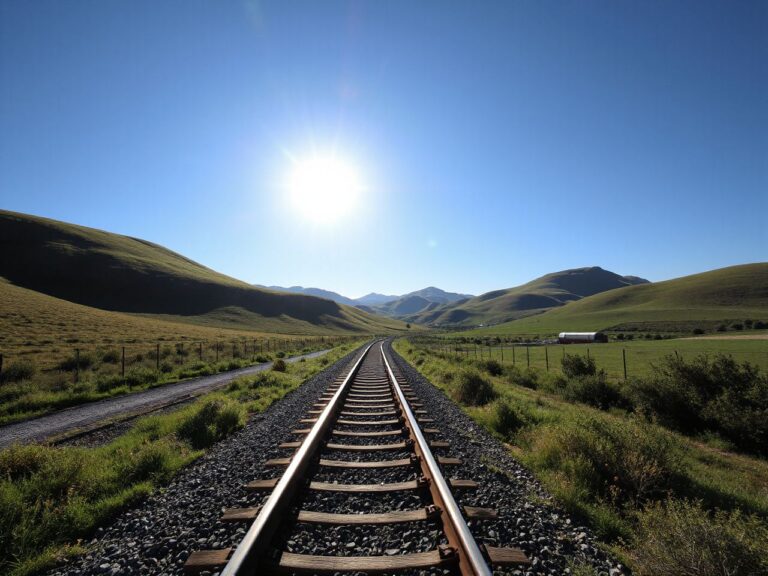
For travelers who value comfort and views over speed, the Amtrak Coast Starlight is a top choice when figuring out how to get from Los Angeles to San Francisco. This train departs from Union Station in Los Angeles and arrives at Emeryville Station (just across the bay from San Francisco). The journey covers roughly 470 miles and takes between 10 and 11 hours.
What to Expect Onboard
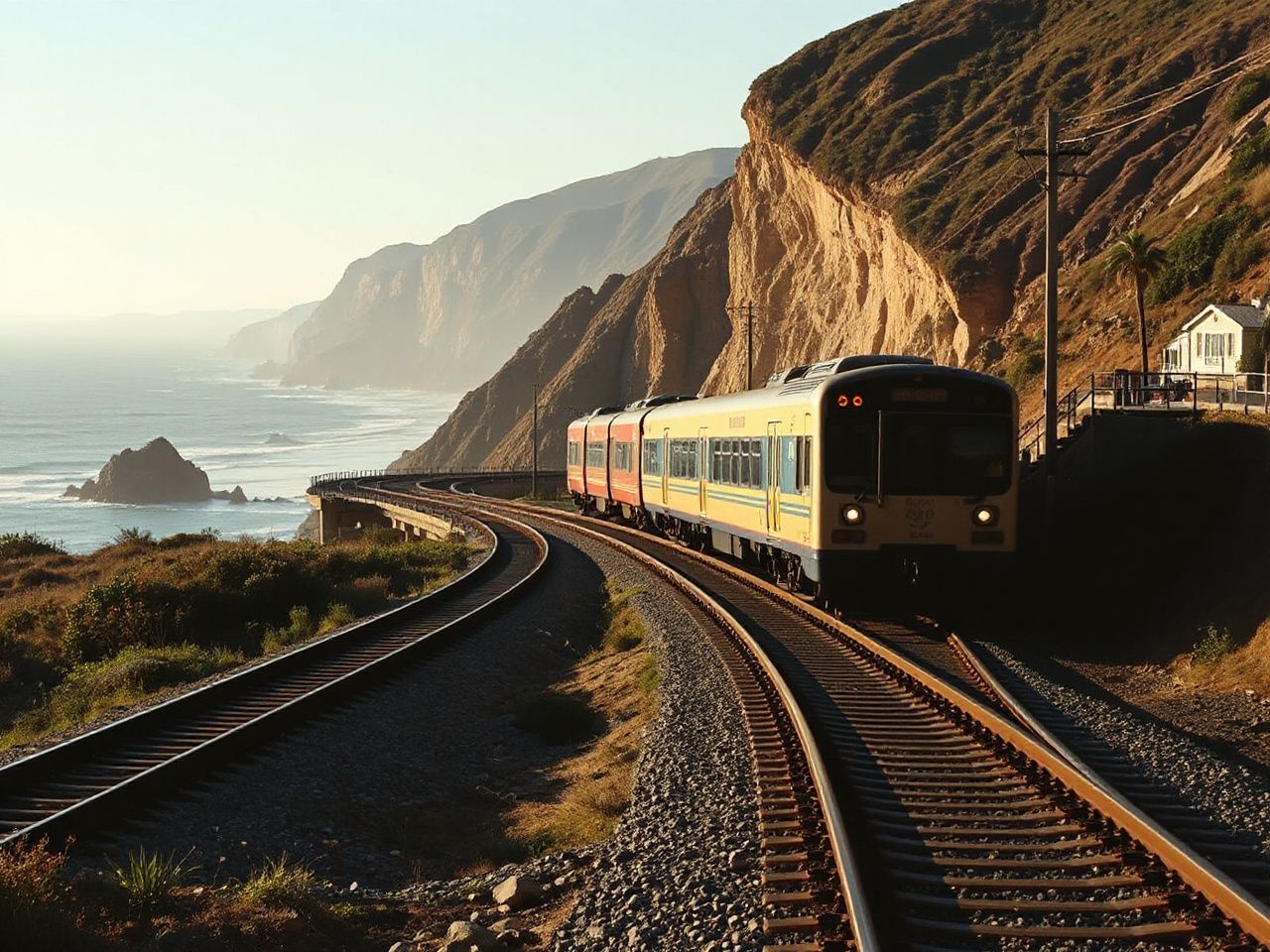
The Coast Starlight features spacious seats with legroom, large windows for ocean and mountain views, and a dining car with fresh meals. I’ve taken this route a dozen times, and the stretch along the Pacific coast near San Luis Obispo is unforgettable.
Book a roomette or bedroom if you want privacy and a bed. Standard coach seats are fine for day trips, but the observation car is where you’ll want to spend most of your time. Reserve your ticket at least two weeks in advance for the best prices—coach fares start around $60 to $120.
Connecting to San Francisco
Emeryville is not downtown San Francisco. From the station, you’ll take a free Amtrak shuttle bus across the Bay Bridge to the San Francisco Transbay Terminal at 201 Folsom Street. The shuttle runs every 30 minutes and takes about 30 minutes, depending on traffic.
Flying: The Fastest Way Between LA and SF
If you need to get from Los Angeles to San Francisco quickly, flying is your best bet. Several airlines operate frequent flights between Los Angeles International Airport (LAX) and San Francisco International Airport (SFO), as well as smaller airports like Oakland (OAK) and San Jose (SJC).
Flight Time and Costs
Actual air time is about 1 hour 20 minutes. But you’ll need to add at least 2 hours for check-in and security at LAX. Budget airlines like Southwest and Spirit offer one-way fares from $49 to $99, while full-service carriers like United and Delta charge $100 to $250.
Book early morning or late evening flights to avoid peak traffic to and from airports. Also, check if you can fly into Oakland International Airport—it’s often cheaper and a quick BART ride to San Francisco.
Driving: Flexibility and Freedom on the Road
Driving from Los Angeles to San Francisco gives you complete control over your schedule. The distance is about 380 miles via the faster Interstate 5 (I-5) route, or approximately 440 miles via the more scenic US-101 highway.
Route Options
I-5 Route: This is the quickest, taking about 5.5 to 6 hours without traffic. You’ll pass through the Grapevine and the Central Valley, with few stops. Gas stations and fast food are available at major exits like Buttonwillow and Kettleman City.
US-101 Route: This coastal route takes 6.5 to 8 hours but rewards you with views of the Pacific Ocean, vineyards, and charming towns like Santa Barbara, San Luis Obispo, and Monterey. It’s a great choice if you want to break up the drive with a meal or a walk on the beach.
Tolls and Parking
There are no tolls on the direct routes, but parking in San Francisco is expensive. Expect to pay $30 to $60 per day for a garage near downtown. Consider staying at a hotel with parking included, or use apps like SpotHero to reserve a spot in advance.
Bus Services: Budget-Friendly and Reliable
Buses are the most affordable way to get from Los Angeles to San Francisco, with prices starting around $25 one-way. Major operators include FlixBus, Greyhound, and Megabus.
What to Know Before You Ride
Buses depart from downtown LA (often near Union Station) and arrive at the Transbay Terminal in San Francisco. Trip times range from 7 to 9 hours, depending on traffic and the number of stops. FlixBus offers amenities like free Wi-Fi and power outlets, but not all buses have restrooms—check before boarding.
Book online at least 3 days in advance to get the lowest fares. Avoid peak holiday periods like Thanksgiving and Christmas, when prices can triple and buses sell out.
Comparing Travel Options: Time, Cost, and Comfort
To help you decide, here’s a quick breakdown of the main ways to get from Los Angeles to San Francisco:
- Train (Coast Starlight): 10–11 hours, $60–$120. Best for scenery and relaxation.
- Flight: 1.5 hours (plus airport time), $49–$250. Best for speed.
- Driving (I-5): 5.5–6 hours, $40–$60 in gas/tolls. Best for flexibility.
- Driving (US-101): 6.5–8 hours, $45–$70 in gas. Best for sightseeing.
- Bus: 7–9 hours, $25–$50. Best for budget.
Frequently Asked Questions
How long does the Amtrak Coast Starlight take from Los Angeles to San Francisco?
The Coast Starlight takes between 10 and 11 hours from Los Angeles Union Station to Emeryville Station. From there, a free shuttle bus takes you across the Bay Bridge to downtown San Francisco, adding about 30 minutes to your journey. Delays of up to an hour are common, so plan accordingly.
What is the cheapest way to get from Los Angeles to San Francisco?
The cheapest option is usually the bus, with fares starting at $25 one-way on FlixBus or Greyhound. If you book Amtrak coach tickets early, you can sometimes find prices as low as $60. Driving is cost-effective if you split gas with others, but parking in San Francisco can add $30–$60 per day.
Can I take a train from Los Angeles to San Francisco that goes along the coast?
Yes, the Amtrak Coast Starlight follows a coastal route for much of the journey, especially between San Luis Obispo and Santa Barbara. For the most dramatic ocean views, sit on the left side of the train when traveling north, and book a seat in the observation car.
Is it better to fly or take the train from Los Angeles to San Francisco?
It depends on your priorities. Flying is faster but involves airport logistics and adds 2+ hours of travel time to and from airports. The train is slower but more comfortable, with scenic views and no security lines. If you have a flexible schedule, the train offers a more relaxing experience. For a shorter trip, check out our guide on the San Diego to Los Angeles Train: Complete Guide for 2026 for similar insights on another popular California route.