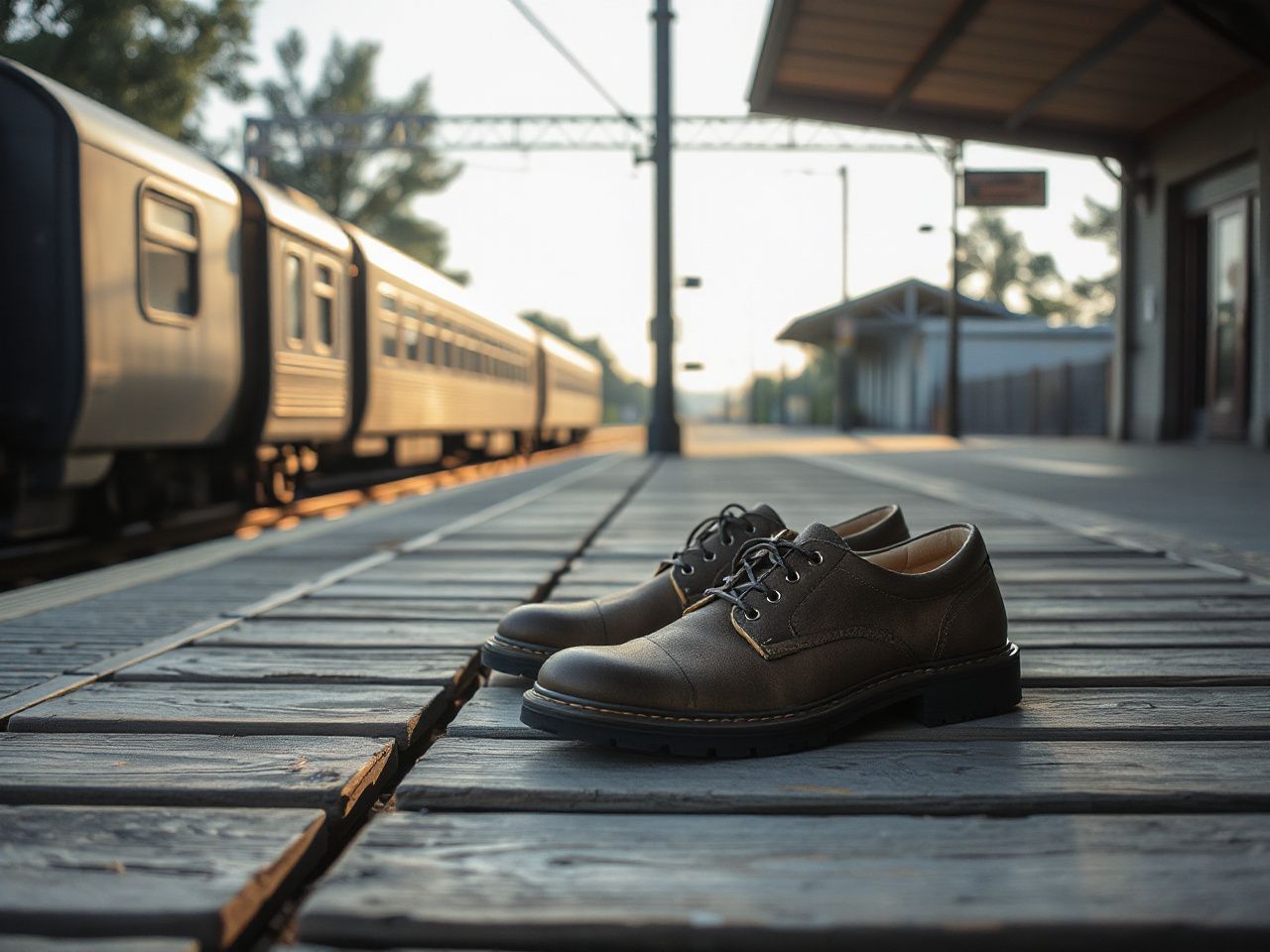
Best Comfortable Work Shoes For Men: 2026 Guide
Contents
You know the feeling. You lace up a pair of work shoes that felt fine in the store, but by noon your arches are screaming and your heels are raw. Budget crash bars for a GS can bend on the first tip-over in a parking lot, costing more to fix the fairing than investing in quality bars would have. Budget gear on a loaded adventure bike is a false economy every time. The same logic applies to your feet. If you’re on them for eight to twelve hours a day, comfortable work shoes for men aren’t a luxury — they’re a tool that keeps you functional.
Key Takeaways
- Comfort starts with the right fit — measure your feet at the end of the day when they’re slightly swollen.
- Look for shoes with removable insoles so you can swap in custom orthotics if needed.
- Materials matter: full-grain leather and mesh both have trade-offs in breathability versus durability.
- A good work shoe should feel broken-in on day one but still support your foot after 500 miles.
Why Comfortable Work Shoes for Men Matter More Than You Think
Thousands of miles on two wheels show that feet take the same abuse as a bike’s suspension. Standing on concrete for a shift is no different than a long day in the saddle — your joints absorb constant micro-impact. If your shoes don’t support your arches and cushion your heels, that impact travels up through your knees and lower back.
I remember a three-day ride through the Mojave where my boots started rubbing a hot spot on my right heel by mile 200. By mile 400, I was limping. I had to cut the trip short. That experience taught me something: comfort isn’t about plush padding. It’s about a shoe that fits your foot’s natural shape and doesn’t create pressure points. The same principle applies to work shoes. A shoe that pinches your toes or lacks arch support will ruin your day faster than any deadline.
What Makes a Work Shoe Comfortable for Long Hours
Comfort isn’t one thing. It’s a combination of fit, materials, and construction that work together. Here’s what to look for in a comfortable work shoe.
Fit: The Foundation of Comfort
Your feet change size over the course of a day. They swell from walking, standing, and heat. If you try on shoes in the morning, you’ll end up with a pair that’s too tight by 3 PM. Always measure your feet at the end of the day. I use a Brannock device, but you can trace your foot on paper and measure the length and width at home.
Look for a shoe that gives your toes room to splay. Your big toe should have about a thumbnail’s width of space from the end of the shoe. If your toes touch the front, you’ll get blisters and black toenails. That’s not comfort — that’s a injury waiting to happen.
Insole: The Unsung Hero
Most work shoes come with a flat, generic insole that offers zero arch support. The first thing I do with any new pair is pull the insole out and see if it bends easily. If it does, it’s useless. A good insole should be firm but flexible, with a pronounced arch that matches your foot’s curve.
I swap in a pair of aftermarket orthotics on every shoe I own. It’s a $30 to $60 upgrade that transforms a mediocre shoe into one you can wear for twelve hours. Look for insoles made from polyurethane foam or cork — they hold their shape longer than cheap EVA foam, which compresses after a few weeks.
Materials: Leather vs. Mesh vs. Synthetic
All three materials offer different benefits for long rides and long shifts. Here’s the breakdown:
- Full-grain leather — Durable, water-resistant, and molds to your foot over time. But it’s heavy and doesn’t breathe well in heat. Great for cold weather or jobs where you need puncture resistance.
- Mesh — Lightweight and breathable. Perfect for warm environments. The downside is durability. Mesh tears easily on rough surfaces, and it offers little protection against impacts or sharp objects.
- Synthetic leather — A middle ground. Lighter than real leather, more durable than mesh, but often less breathable. Some synthetics crack after a year of heavy use.
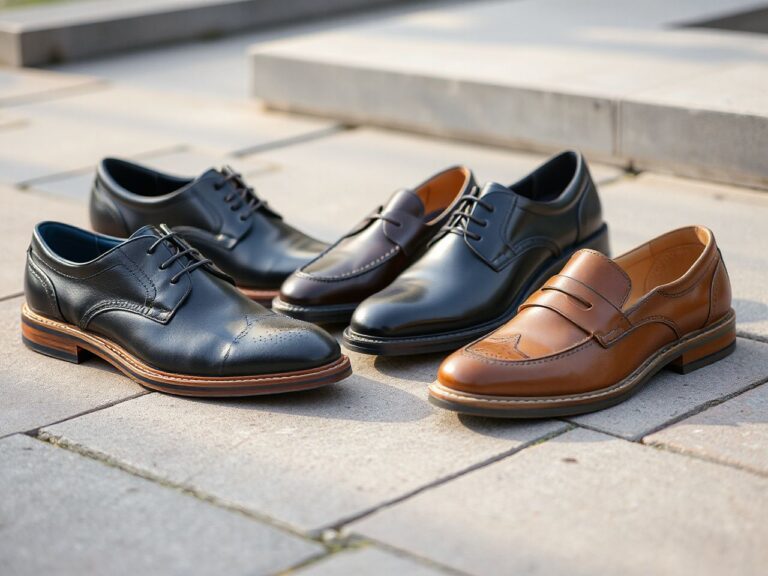
For most guys, a hybrid shoe with a leather toe and mesh upper gives the best balance of durability and airflow. A combination of these materials holds up better than either material alone in rain, mud, and desert heat.
How to Test Comfort Before You Buy
You can’t trust a shoe’s comfort based on five minutes in a store. Here are some guidelines for evaluating motorcycle boots and similar footwear.
The 24-Hour Test
Buy from a retailer with a good return policy. Wear the shoes around your house for a full day. Walk on hard floors, stand in place for fifteen minutes, and go up and down stairs. If any part of your foot feels pinched or rubbed raw by the end of the day, return them. Don’t hope they’ll break in — they rarely do.
The Flex Test
Grab the shoe by the heel and toe and try to bend it. A comfortable work shoe should flex at the ball of the foot, not in the middle. If it bends in the arch, the shoe lacks proper support and will cause foot fatigue. Cheap boots often fold like a taco — those are dangerous on a bike and on a job site.
Durability: What 500 Miles Teaches You
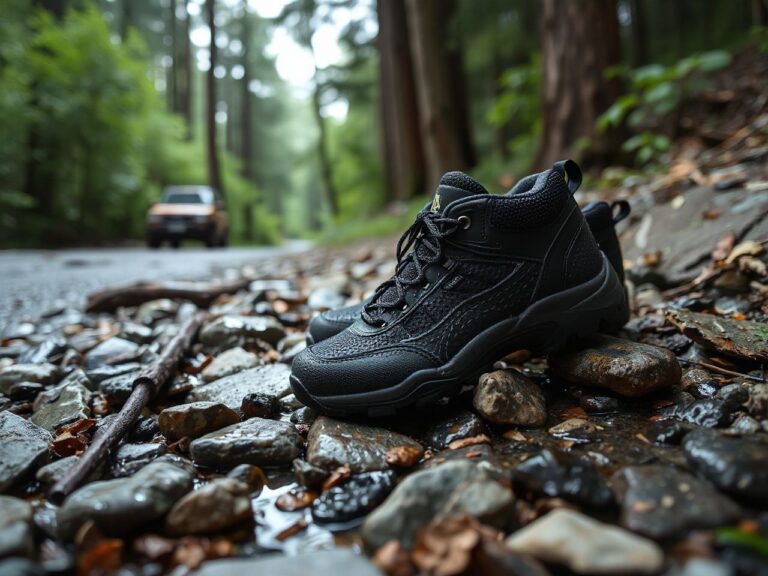
Wearing a pair of work shoes over gravel roads, wet pavement, and dusty trails reveals what lasts and what doesn’t.
Sole Wear Patterns
After 200 miles, check the tread on your shoes. If it’s wearing down unevenly, you might have a gait issue that needs addressing. I had a pair that wore out the outer heel in three months. That told me I was landing hard on that part of my foot. I added a heel lift to my insoles and the wear evened out.
Look for shoes with rubber outsoles rated for oil and slip resistance. Those compounds are harder and last longer than standard rubber. Cheap soles often go slick after 300 miles on wet concrete.
Washing and Care
Work shoes should be cleaned with respect for the materials. Remove the insoles and laces. Use a soft brush and mild soap. Never put them in the washing machine. The agitation breaks down the glue and padding. Air dry them away from direct heat. Leather shoes maintained this way can last two years of daily use.
If you’re looking for gear that handles tough conditions, our work rain gear picks for 2026 cover waterproof options that keep your feet dry without sacrificing breathability.
Breathability and Temperature Regulation
Sweaty feet lead to blisters, odor, and fungal infections. I learned this the hard way during a summer ride across Texas. My boots had no ventilation, and by day three, my feet were raw and peeling. A comfortable work shoe needs to breathe.
Mesh Panels and Ventilation
Look for shoes with mesh panels on the sides or tongue. These allow hot air to escape and cool air to enter. If you work in a hot environment, avoid shoes with thick foam padding that traps heat. I prefer shoes with a ventilated insole that has small holes for airflow.
Moisture-Wicking Socks
Even the most breathable shoe won’t help if you wear cotton socks. Cotton absorbs sweat and stays wet. Switch to merino wool or synthetic blends. Merino wool socks keep feet cool in summer and warm in winter. Pairing good socks with breathable shoes is the difference between comfortable feet and a miserable shift.
If you’re looking for gear that works for both work and outdoor activities, our guide to warm shirts for men covers layering options that pair well with breathable footwear.
Weight and Flexibility
Heavy shoes tire your legs faster. Every extra ounce on your foot feels like a pound on your back after eight hours. Steel-toe boots can feel like concrete blocks. Modern work shoes use composite toe caps that are lighter and don’t conduct temperature. If you don’t need steel toe protection, go with a composite or alloy toe.
Flexibility for Natural Movement
A shoe that’s too stiff forces your foot to work harder with each step. A shoe should bend naturally at the ball of the foot. If it feels like walking on a plank, it’s too stiff.
For active jobs where you’re constantly moving, shoes with a rocker sole design help transition from heel to toe smoothly, reducing fatigue. This feature can make a real difference in how fresh feet feel at the end of the day.
Frequently Asked Questions
How long does it take to break in comfortable work shoes for men?
It depends on the material. Leather shoes can take 20 to 40 hours of wear to fully mold to your foot. Mesh and synthetic shoes usually feel comfortable out of the box. If a shoe doesn’t feel good after a week of daily wear, it’s probably not the right fit. Don’t force a break-in period — your feet will pay the price.
Can I use the same shoes for work and hiking?
Yes, if they have a rugged outsole and good arch support. Work shoes perform adequately on light trails. But for serious hiking, a dedicated hiking boot with more ankle support and a deeper tread is better. Work shoes are designed for flat, hard surfaces — not loose rocks and steep grades.
What’s the best way to clean comfortable work shoes for men?
Remove the insoles and laces. Brush off loose dirt with a soft brush. Use a damp cloth with mild soap for stains. For leather shoes, apply a conditioner after cleaning to prevent cracking. Never soak the shoes or put them in the washing machine. Air dry them at room temperature. This routine will extend the life of your shoes by months.
Are expensive work shoes always more comfortable?
Not always. Price often reflects materials and branding, not comfort. Some $80 shoes feel better than $200 ones. The key is fit and insole quality. A mid-priced shoe with a good aftermarket insole can outperform a premium shoe with a flat insole. Focus on the construction and try before you buy.
For more on keeping your feet dry on the job, check out our waterproof running shoes tested for 2026 — the same waterproofing principles apply to work shoes.