The Complete Guide to Steam Train Train Travel
Contents
You searched for “steam train train” because you want to ride one, but you’re already worried about the trip going sideways. I get it. I’ve planned long-distance trips for years, and I’ve ridden enough miles to know that the gear you skip buying to save money is almost always the gear you regret not having when you need it most. Invest once, invest right. That same thinking applies to planning a steam train journey—whether it’s a heritage line in the countryside or a preserved mainline run through the mountains. A steam train train isn’t just a ride; it’s a piece of moving history, and it demands the same level of preparation as any serious expedition.
Key Takeaways
- Always check the locomotive’s maintenance schedule before booking—cancellations spike when boilers are down for annual inspection.
- Pack for extreme weather shifts; steam trains lack modern HVAC, so interior temperatures can swing 30+ degrees in an hour.
- Expect delays—steam locomotives average 25–40 mph on preserved lines, and mechanical stops add 15–30 minutes per run.
- Map your backup transport in advance; many heritage stations are miles from the nearest town with no ride-sharing coverage.
Why Every Steam Train Train Trip Needs a Worst-Case Plan
Most people book a steam train train expecting a romantic, nostalgic ride. I book one expecting a boiler failure 20 miles from the depot. That’s not pessimism—it’s experience. Steam locomotives are over 80 years old on average. They run on coal and water, and they break. In 2026, many heritage railways still operate with volunteer crews who know their engine’s quirks, but that doesn’t stop a cracked firebox tube from ending your trip early.
When planning a trip, start with the survival checklist. Where is the nearest gas station? Does the town have a motel? Is there a bus route that runs on weekends? If the answer to any of those is “no,” treat that as a red flag. A steam train ride can turn into an overnight stay in a village with no cell service if you don’t prepare. It is a known risk. The scenic run from Durango to Silverton has experienced locomotive failures, causing long waits before rescue. No food, no water, no shade. Don’t be unprepared.
The Anatomy of a Steam Train Train Ride: What Actually Happens
Boarding and Departure
You’ll board at a heritage station, often with a wooden platform and a ticket booth that hasn’t changed since 1950. The conductor will check your ticket and point you to a specific car. Don’t expect assigned seating on most lines—it’s first come, first served. Arrive 45 minutes early to grab a window seat on the side that faces the scenery. For a steam train train, that usually means the left side if the track runs next to a river or canyon.
The departure is slow. The engine builds steam pressure gradually, and the first mile is a series of chuffs and creaks. You’ll feel the heat from the boiler through the floor if you’re in the front car. That’s normal. The crew will likely give a safety briefing before the whistle blows. Pay attention—they’ll tell you which windows open, where the emergency brake is, and what to do if the train stops unexpectedly.
The Ride Experience
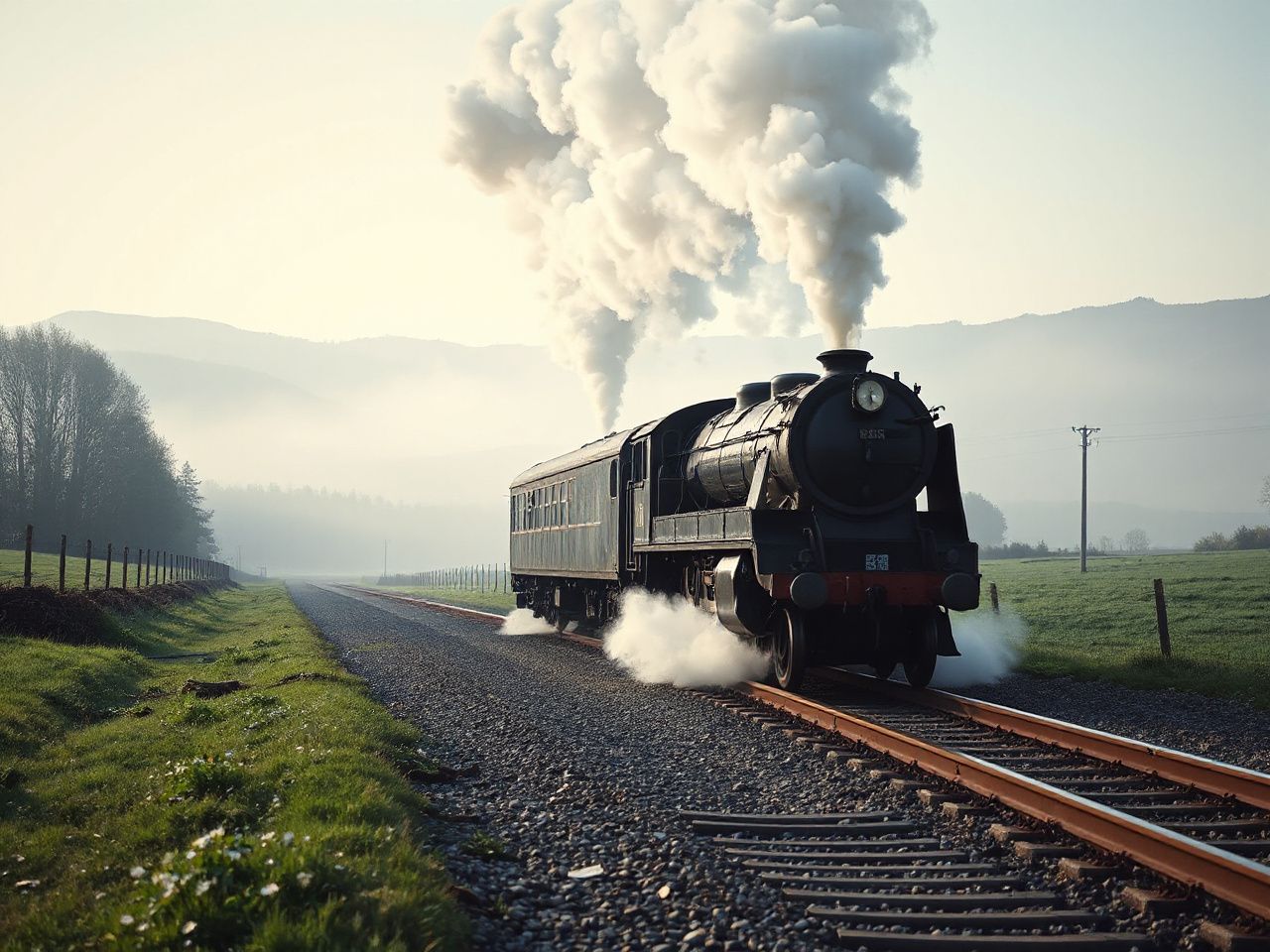
Once the steam train train reaches cruising speed, typically 20–35 mph on preserved lines, the rhythm settles. You’ll hear the pistons cycle, the whistle at crossings, and the coal shovel scraping in the cab. On a good day, the crew will let you visit the locomotive at a station stop. Don’t pass that up. The engineer will show you the firebox door, the water glass, and the throttle. Ask about the boiler pressure—most run between 150 and 200 psi. That’s the heart of the machine.
Temperature inside the carriage varies wildly. In summer, the car can hit 95°F if the windows are closed. In winter, it drops to 50°F even with the steam heat running. Dress in layers. Passengers often shiver in shorts because they assume the train will be warm. It won’t be. Pack a fleece jacket and a water bottle. The car’s stove, if there is one, only heats the center of the car.
Mechanical Stops and Delays
Steam locomotives need water every 15–20 miles. On a typical run, the crew will stop at a water tower or a creek to refill the tender. That takes 10–15 minutes. If the engine is struggling on a grade, the crew might stop to “blow down” the boiler—releasing sediment and pressure—which adds another 10 minutes. Plan for a total trip time that’s 20% longer than the published schedule. If the brochure says a 2-hour journey, expect 2 hours and 30 minutes.
More serious delays happen when the locomotive suffers a mechanical failure. Crown sheet failure, a broken piston rod, or a blocked injector can sideline the train for hours. In those cases, the railway will send a diesel to pull the train the rest of the way. But that diesel might be 45 minutes away. Passengers should bring a paperback and a power bank. There are no outlets on a steam train.
Planning Your Steam Train Train Trip: A Step-by-Step Approach
Step 1: Choose the Right Line for Your Risk Tolerance
Not all steam train trains are equal. Some lines, like the Strasburg Rail Road in Pennsylvania, run short 4.5-mile loops with frequent departures. If something breaks, you’re a short walk from the station. Others, like the Cumbres & Toltec Scenic Railroad in Colorado and New Mexico, cover 64 miles of remote mountain terrain. If that train breaks down, you’re stuck in a canyon with no road access for miles. Know the difference before you book.
For first-timers, choose a line under 20 miles round trip. This provides the full experience without the risk of a multi-hour delay. For experienced riders seeking adventure, pick a longer route but map out the emergency exits. Use the The Best Live Train Tracker Map for 2026 to see real-time positions of tourist trains in North America. It shows exactly where the train is and whether it’s moving. This is invaluable if meeting someone at an intermediate station.
Step 2: Pack for the Worst-Case Scenario
I pack a go-bag for every steam train train ride. Here’s what’s in it:
- 2 liters of water per person
- Non-perishable snacks (trail mix, granola bars, jerky)
- First-aid kit with blister treatment and antihistamines
- Power bank (20,000 mAh minimum) with cables
- Paper map of the area—cell service dies in valleys
- Fleece jacket and rain shell
- Headlamp with extra batteries
- Small notebook and pen for writing down contact numbers
You won’t need all of it on most trips. But the one time you do, you’ll be glad you have it. A headlamp earns its space the night a train stops after dark in an unlit yard: carriage lighting drops back to emergency level, platform lighting is absent by definition, and conductors carry no spares to hand out.
Step 3: Arrange Backup Transport
Every steam train train journey should have a Plan B for getting home. If the train breaks down and you’re at a remote station, you might need to call a taxi or a ride-share. But those services rarely operate in rural areas. I always pre-book a local driver or confirm that the railway offers a bus shuttle. Some lines, like the Napa Valley Wine Train, include a coach in the ticket price for breakdowns. Others don’t. Ask at booking.
If you’re driving yourself, leave your car at the departure station and take a photo of the parking lot sign. You’ll need that address if you have to call for a tow or a ride later. Also, give your itinerary to someone not on the trip. Tell them when you expect to be back and what to do if they don’t hear from you by a certain hour.
Step 4: Understand the Ticketing and Cancellation Policies
Heritage railways operate on thin margins. Many do not offer refunds if the train runs but you don’t show. Some offer a credit if the railway cancels due to mechanical issues, but not always. Read the fine print. In 2026, a growing number of lines use dynamic pricing, so tickets bought two weeks in advance can be half the price of walk-up fares. But those advance tickets are often non-refundable.
If you’re worried about the train being cancelled, book the earliest departure of the day. That gives the crew the most time to fix problems before your slot. The afternoon runs are more likely to be delayed because the locomotive has been running for hours. I always take the 9:00 AM departure and plan to be done by 1:00 PM. That leaves the whole afternoon for contingencies.
What to Do When a Steam Train Train Breaks Down
Stay Calm and Follow Crew Instructions
The crew knows the engine better than anyone. If they tell you to stay seated, do it. If they say to move to another car, move quickly. Steam locomotive failures can involve hot steam, coal dust, or even small fires. The crew will handle the mechanical side. Your job is to stay out of the way and keep your group together.
Assess Your Situation
Once the train stops, look around. Are you near a road? Can you see a building? Is there cell service? If you’re on a remote line, the crew will radio for help, but that might take an hour. Use that time to check your supplies. If you have kids, keep them occupied with a game or a story. Panic makes people do foolish things, like wandering off into the woods.
If the delay stretches past 90 minutes and the crew hasn’t given an update, ask politely. Crews on heritage lines are often volunteers who aren’t trained in passenger communication. A calm question can get you a straight answer.
Know Your Rights
Most steam train tickets include a liability waiver. That means the railway is not responsible for delays beyond your ticket cost. They won’t pay for a hotel or a rental car if you’re stranded overnight. Travel insurance that covers trip interruption is recommended. A basic policy costs $30–$50 per trip and covers mechanical breakdowns. Check your credit card benefits too—some premium cards offer trip delay coverage if the delay is over 6 hours.
The Luxury Side: Steam Train Trains with Premium Service
Not every steam train is a bumpy ride in a wooden coach. Some lines offer luxury cars with dining, bar service, and observation decks. The The Complete Guide to a Luxury Train Car Experience covers the best options in detail: luxury steam trains trade nostalgia for comfort. You get upholstered seats, climate control, and a meal service, but you lose some of the raw steam experience. The windows don’t open as wide, and the noise from the locomotive is muffled.
If you want the full sensory experience—smell of coal smoke, feel of the heat, sound of the whistle—skip the luxury car and ride in a standard coach. If you’re on a date or celebrating an anniversary, the luxury car is worth it. Just know that the trip will be smoother and more insulated from the engine’s character.
Final Thoughts on Steam Train Train Travel
Riding a steam train train is one of the few ways left to travel like people did a century ago. It’s slow, loud, and imperfect. That’s the point. But it’s also a machine that can fail, and when it does, you need to be ready. Plan for the worst, pack for the worst, and you’ll enjoy the ride a lot more. The scenery will still be there. The whistle will still blow. You’ll just be the person who brought water and a map.
If you’re planning a trip this year, start with the railway’s maintenance schedule. Call them. Ask questions. And always have a backup plan. That’s the difference between a good story and a bad one.