Jumping Out of a Plane Experience: A Complete Guide
Contents
Most people assume that the single most important factor in a successful skydive is a perfectly functioning parachute. That is only half the picture. The moments that turn into the best stories are almost always the ones where something went off-script, and the equipment is rarely the part that decides it. Preparation doesn’t prevent adventure — it just gives you better options when it shows up. That same principle applies directly to a jumping out of a plane experience. The parachute is crucial, but your mindset and understanding of the process are what turn a terrifying fall into a transformative one.
Key Takeaways
- A jumping out of a plane experience involves three distinct phases: freefall, canopy flight, and landing.
- Freefall typically lasts between 30 and 60 seconds depending on altitude.
- Landing speeds are roughly the same as jumping off a 4-foot wall.
- Proper training and equipment checks reduce risks significantly.
What to Expect During a Jumping Out of a Plane Experience
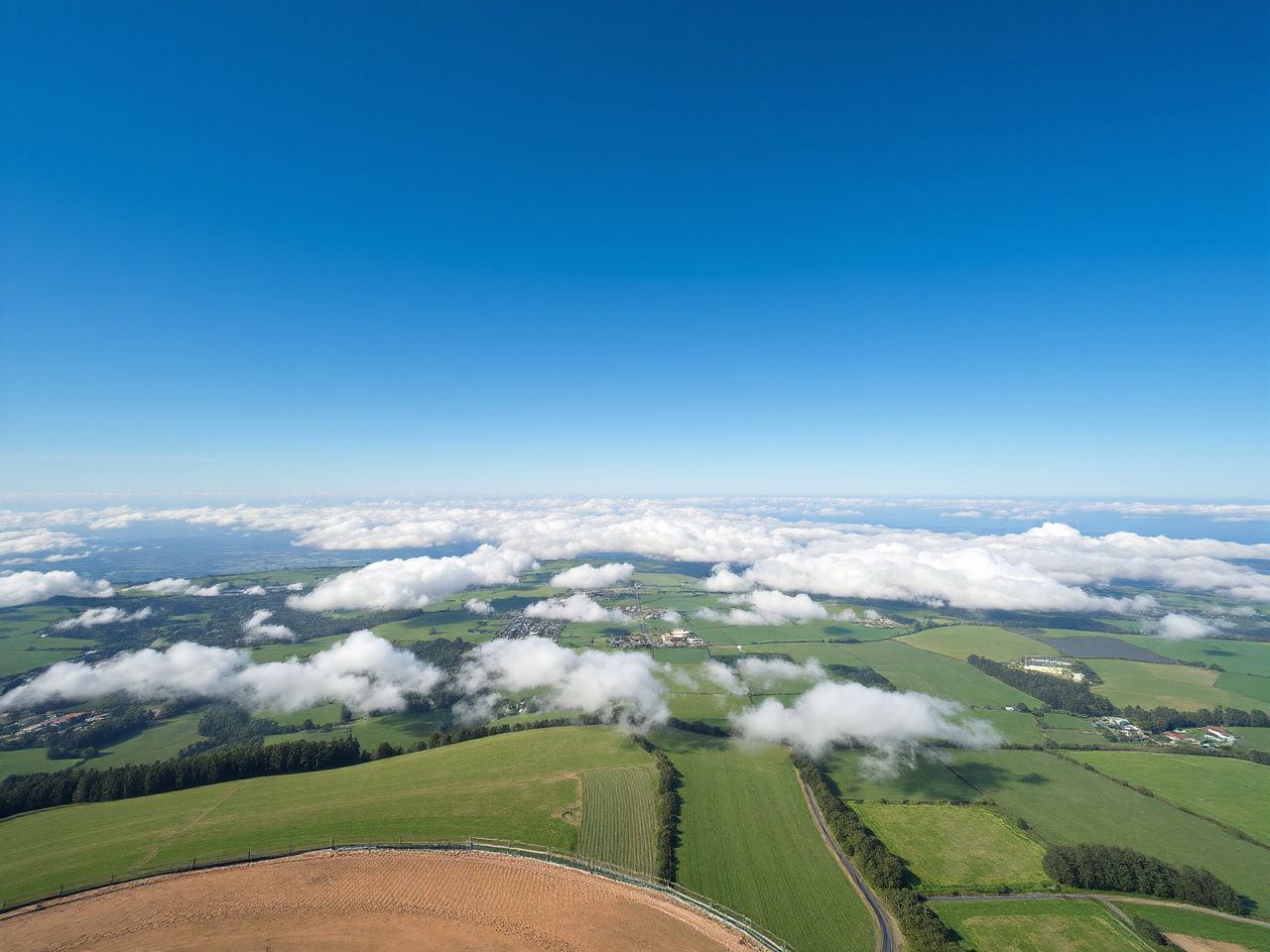
Every skydive follows the same core sequence. You board the aircraft, ascend to altitude, and exit at the designated jump height. For a first timer, most drop zones exit between 10,000 and 14,000 feet above ground level. At 120 miles per hour, freefall lasts about 40 to 60 seconds. After deploying the parachute around 5,000 feet, you spend another 5 to 7 minutes under canopy, steering and preparing to land.
Your body will react in specific ways. The air feels cold and loud. Your eyes water. Your cheeks flap. None of this is dangerous. It’s just physics. The most common surprise for first timers is how stable the freefall feels after the first few seconds. You are not tumbling. You are not out of control. You are flying.
Safety Systems and Equipment
Modern skydiving gear includes multiple redundant safety features. The main parachute, reserve parachute, and an automatic activation device (AAD) are standard. The AAD is a small computer that fires the reserve if it detects you are still falling fast below a preset altitude. This device is non-negotiable. Every rig used for a jumping out of a plane experience must have one.
Harnesses are rated to hold over 5,000 pounds of static load. Containers are made from Cordura nylon and Kevlar. The deployment sequence is mechanical and has been refined over decades. Tandem students are connected to their instructor by four separate attachment points. Two leg straps, one chest strap, and one hip strap. Each is checked twice before the door opens.
Wind and Weather Considerations
Wind speed at altitude can exceed 30 miles per hour. On the ground, wind limits are typically 20 miles per hour for student jumps. Skydiving operations use weather balloons and portable wind meters to measure conditions before every load. If the wind is too strong, the flight waits. This is not a sport you rush. Rain, low clouds, and high winds all ground the aircraft. If the weather looks marginal, ask your instructor about the decision process. Experienced jumpers know that patience pays off.
Training for First Timers
Before you climb into the plane, you complete a ground school. This takes about 30 to 45 minutes. You learn the arch position, the exit count, the hand signals for altitude, and what to do if you need to deploy the reserve. The arch is the most important skill. You push your hips forward, keep your head up, and bend your legs back at the knee. This stabilizes your body in freefall and prevents tumbling.
You also practice the landing pose. Legs up, feet flat, knees bent. You touch down with your feet first and then sit back onto your harness. The goal is to let the parachute and the instructor absorb the impact. If you try to stand up, you risk ankle injury. Trust the training. It works.
The Exit and Freefall
The aircraft door opens. The wind is loud. The instructor tells you to put your feet on the step. You look out at the horizon, not straight down. The count happens. Three. Two. One. Then you are out. For the first three seconds, you accelerate from zero to 120 miles per hour. That is the most intense part. After that, the air density creates drag, and your speed stabilizes. You are no longer accelerating. You are falling at a constant rate.
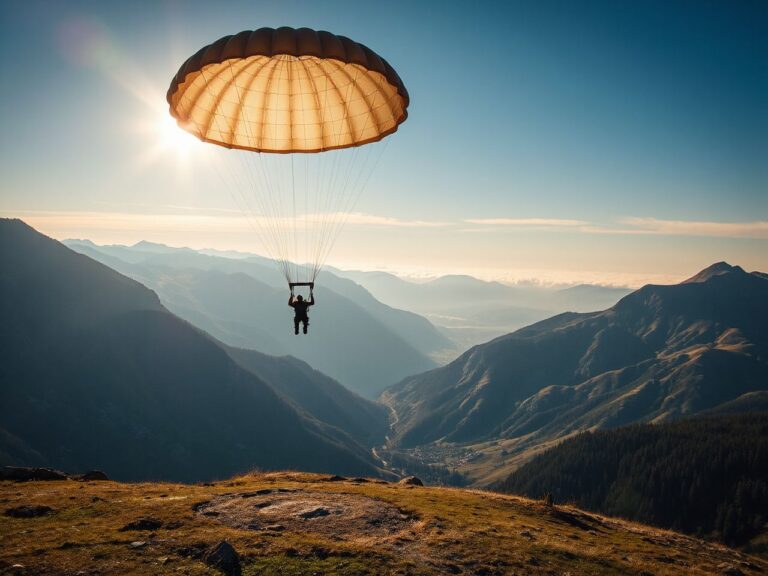
During the jumping out of a plane experience, the instructor taps your shoulder to signal you to practice the arch. You do. Then they tap again to signal altitude awareness. You check the altimeter on your wrist or the instructor’s hand. At 5,500 feet, the instructor deploys the main parachute. The opening is firm but not violent. You decelerate from 120 to 15 miles per hour in about 3 seconds. Then everything goes quiet.
Canopy Flight and Landing
Under the parachute, you are in control. The instructor hands you the steering toggles. One pull on the right turns you right. One pull on the left turns you left. Pulling both down gently slows your descent. The parachute is a high-performance square canopy, not a round military parachute. It flies like a wing. You can cover significant horizontal distance. The landing pattern involves flying downwind, then crosswind, then into the wind for the final approach.
Landing speed is roughly 5 to 10 miles per hour. That is equivalent to jumping off a 4-foot wall. The instructor calls out the flare command. You pull both toggles down to your hips. The parachute stalls, and you touch down softly. Most tandems end with the student and instructor sitting on the ground, laughing. The whole descent from opening to landing takes about 5 minutes.
Physical and Mental Preparation
Skydiving is not as physically demanding as many think. You do not need to be an athlete. The hardest part is the mental leap. The fear of heights is not the same as the fear of falling. Most people feel the fear on the climb and the 30 seconds before exit. Once you are out, the fear drops away. Your brain shifts from anticipation to action. That transition is part of why people find the experience so powerful.
If you have a history of back or neck injuries, consult a doctor before booking. The opening shock is gentle, but it does load your spine. The exit position can also strain your lower back if you are not flexible. Most drop zones require a signed waiver and a health questionnaire. Be honest on it. Instructors have seen every condition and can adjust the jump profile accordingly.
Cost and What to Look For in a Drop Zone
A tandem skydive typically costs between $200 and $350 depending on the altitude and location. Weekend rates are often higher. Weekday slots can be cheaper. Some drop zones offer discounts for booking online. Ask about video and photo packages separately. Many charge extra for a professional camera flyer.
When choosing a drop zone, check their safety record. The United States Parachute Association (USPA) lists member drop zones. Look for instructors with a USPA Tandem Instructor rating. Ask how many jumps they have. Instructors with over 1,000 jumps are common. Ask about the aircraft. Cessna 182s and Caravans are standard. Larger planes like Otters and King Airs are used at busier drop zones. If the facility feels disorganized, trust that feeling. Good operations run tight schedules and clean gear.
Frequently Asked Questions
How long does a jumping out of a plane experience last?
From takeoff to landing, expect about 2 hours total. The flight to altitude takes 15 to 25 minutes depending on the aircraft. Freefall lasts 30 to 60 seconds. The canopy flight lasts 5 to 7 minutes. The rest of the time is for training, gear up, and waiting for your load.
What should I wear for a jumping out of a plane experience?
Wear comfortable athletic clothing. Shorts are fine in warm weather, but long pants are recommended to protect your legs during landing. Closed-toe shoes are required. Sneakers or lace-up boots are ideal. Avoid sandals, flip-flops, and dress shoes. Jewelry and loose items must be removed or secured. Goggles are provided.
Can I jump if I weigh over 200 pounds?
Most drop zones have a weight limit of 220 to 240 pounds for tandem students. The limit varies based on the instructor’s weight and the parachute size. Taller or heavier individuals may face a surcharge. Call ahead to confirm. The weight limit exists because the parachute’s performance is affected by total exit weight.