Cruise Ships Out of Barcelona Spain: Complete Guide for 2026
Contents
You’ve booked a cruise from Barcelona, and now the logistics are piling up. Which terminal does your ship leave from? How early should you arrive? What’s the deal with luggage handling? The gear you skip buying to save money is almost always the gear you regret not having when you need it most. Invest once, invest right. That same philosophy applies to planning your departure from Barcelona – a little upfront effort saves you a world of hassle. This guide covers everything you need to know about cruise ships out of Barcelona Spain, based on practical know-how.
Key Takeaways
- Barcelona’s cruise port has seven terminals, each serving different lines – know yours before you go.
- Arriving at the port 2.5 to 3 hours before departure is the sweet spot for a stress-free boarding.
- Luggage drop-off and security are separate steps; plan for both before you hit the gangway.
- Taxi is the most reliable transfer from the city center, with a fixed fare of around €39 to the port.
Understanding Barcelona’s Cruise Port Layout
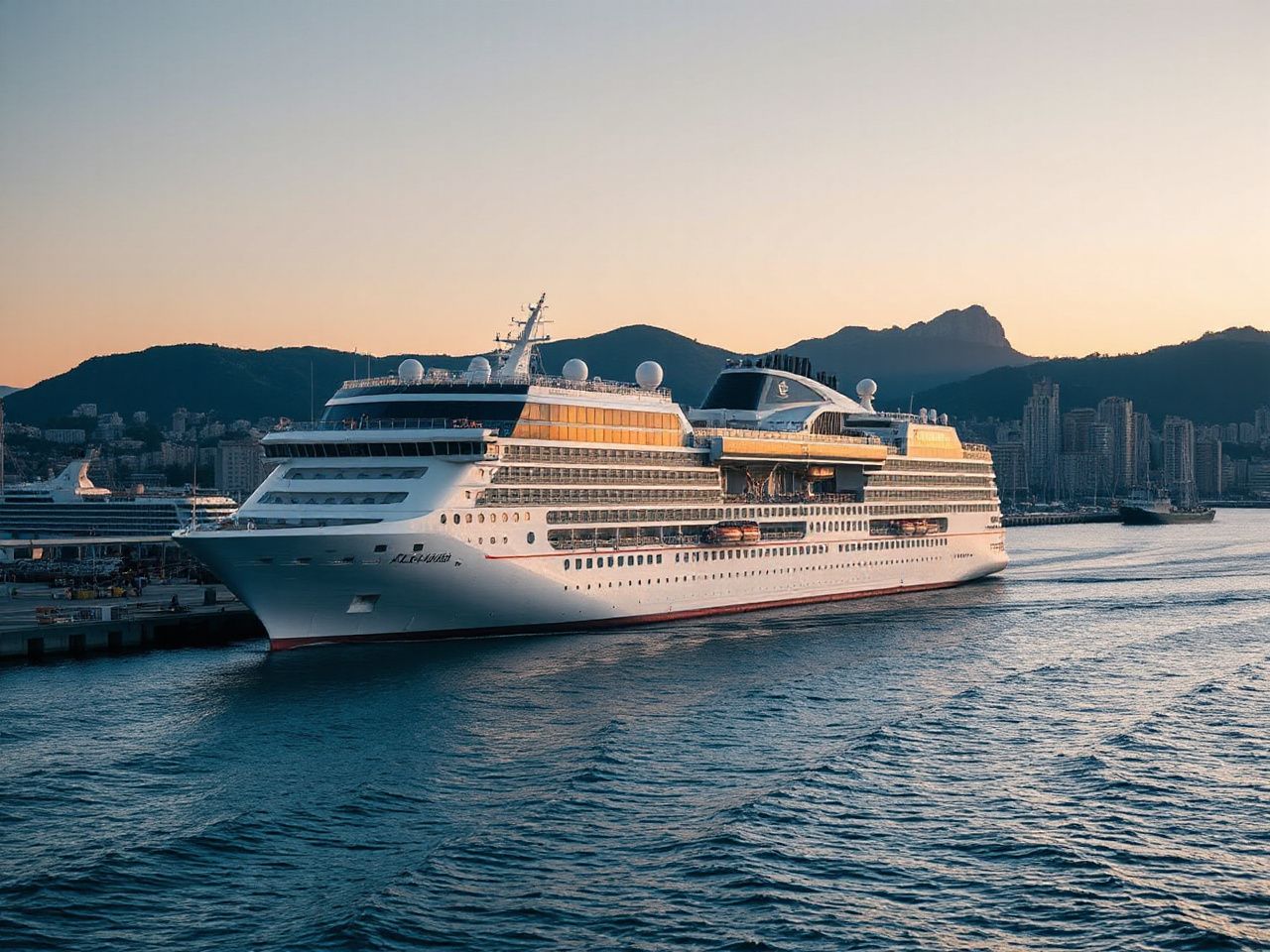
Barcelona’s port is massive. It stretches along the Moll d’Adossat, a long pier that juts out from the city’s waterfront. There are seven terminals, labeled A through D and North, South, and East. Most major lines – like Royal Caribbean, MSC, and Norwegian – use terminals A, B, C, or D. Smaller luxury lines often dock at the North or South terminals.
The key is knowing your terminal before you arrive. A quick check of your cruise line’s app or your boarding documents will tell you. If you show up at the wrong one, you’re looking at a 15-minute walk or a shuttle ride along the pier. Not the end of the world, but it eats into your time.
Terminal A, B, C, and D: The Main Players
These four terminals handle the bulk of the traffic. They’re modern, with plenty of seating, restrooms, and basic cafes. Terminal A is the newest, opened in 2018, and it’s the smoothest for boarding. Terminals B, C, and D are older but still functional. Expect longer lines at B and C during peak season – June through August.
Each terminal has a dedicated luggage drop-off area right outside. Porters take your bags from there and deliver them to your cabin. You don’t need to haul your suitcase through security. Keep your carry-on with you – that’s where your essentials go.
North, South, and East Terminals
These are smaller and used by premium or specialty lines like Viking, Oceania, and Azamara. They’re located closer to the World Trade Center, which means a different access point. If you’re at one of these, your taxi driver will likely take a different route. Confirm with the driver before you leave.
The East terminal is the furthest from the main entrance. It’s a solid 10-minute walk from the taxi drop-off point at the port’s main gate. If mobility is a concern, request a wheelchair assistance or a shuttle from the port staff. They’re available at every terminal.
Getting to the Port from Barcelona City Center
You have three main options: taxi, shuttle bus, or walking. Each has its pros and cons depending on your luggage load and your hotel location.
Taxi: The Most Reliable Option
From anywhere in the city center – Plaça de Catalunya, Las Ramblas, or the Gothic Quarter – a taxi to the port takes about 15 to 20 minutes. The fare is fixed at €39 for a standard trip to the cruise terminals. That’s for up to four passengers with luggage. No meter, no surprises.
Make sure the driver knows you’re going to the cruise port, not the airport. The port is south of the city, while the airport is southwest. A simple “Port de Barcelona, si us plau” works. If you’re at a hotel, the concierge will call a taxi for you. Don’t try to hail one on the street – it’s easier to wait at a designated taxi stand.
Shuttle Bus: Budget-Friendly but Slower
The T3 bus runs from Plaça de Catalunya to the port terminal area. It costs around €3 per person and runs every 15 minutes. The ride takes 25 to 30 minutes, depending on traffic. The bus drops you at the port’s main entrance, not at individual terminals. From there, you either walk or catch a port shuttle to your specific terminal.
This is a fine option if you’re traveling light and have time to spare. But if you’re dragging two suitcases and a carry-on, the taxi is worth the extra money. Carrying bags on that bus can be difficult.
Walking: Only If You’re Staying Nearby
If your hotel is in the Barceloneta neighborhood or near the World Trade Center, you can walk to the port in about 20 minutes. The path is flat and paved along the waterfront. It’s a pleasant stroll if the weather is good. But once you’re inside the port area, you still have to walk to your terminal along the pier. That can add another 10 to 15 minutes.
Walking isn’t a good idea if you have more than a small backpack. The port is not designed for pedestrian traffic with luggage. Stick to a taxi or shuttle unless you’re really close.
Boarding Process: What to Expect at the Terminal
Once you arrive at the correct terminal, the boarding process follows a predictable sequence. It’s not complicated, but knowing the steps in advance saves you from confusion.
Step 1: Luggage Drop-Off
As soon as you step out of the taxi, look for the luggage porters. They’re usually stationed right outside the terminal entrance. Hand over your big suitcases, and they’ll tag them and take them away. Keep your carry-on with you – that’s where your passport, medications, and a change of clothes should be.
Don’t put anything in your checked luggage that you can’t lose for a few hours. It can take up to 4 hours for bags to reach your cabin after you board. If you need something in that window, keep it in your carry-on.
Step 2: Security Screening
Inside the terminal, you’ll go through a security checkpoint similar to an airport. You’ll need to put your carry-on through an X-ray machine and walk through a metal detector. Laptops and liquids over 100ml need to be in your checked luggage. Security is efficient, but lines can build up between 11:00 AM and 1:00 PM, which is peak boarding time.
Step 3: Check-In and Boarding
After security, you proceed to the check-in counters. You’ll present your passport and boarding documents. The staff will take your photo and issue your cruise card, which serves as your room key and onboard charge card. This process takes about 5 to 10 minutes per person if the line is short.
Once you have your card, you can board the ship. The gangway is usually a covered walkway that connects the terminal directly to the ship. Boarding typically starts around 11:30 AM and continues until about 3:00 PM for a 5:00 PM departure. If you arrive early, you might have to wait in the terminal. There’s seating and a small cafe, but it’s not luxurious.
If you’re looking for a more intimate experience, consider the smaller ships covered in our Small Ship Mediterranean Cruise Reviews: Top 6 Picks. They often have a more relaxed boarding process.
Timing Your Arrival: When to Show Up
The golden rule is to arrive at the port 2.5 to 3 hours before your scheduled departure time. For a 5:00 PM departure, that means arriving between 2:00 PM and 2:30 PM. This gives you enough time to drop luggage, clear security, check in, and board without rushing.
If you arrive earlier than that, you’ll likely be waiting in the terminal. If you arrive later, you risk missing the boarding cutoff. The ship’s crew will not hold the departure for latecomers. It is common for passengers to miss the gangway closing if they arrive too late.
Peak Season vs. Off-Season Timing
During peak season – June through August – the port is busiest. Ships are full, and lines are longer. Arriving a full 3 hours before departure is wise. In off-season months like November or February, you can get away with 2 hours. The port is quieter, and the process moves faster.
Check your cruise line’s recommended arrival time. Some lines, like MSC, assign you a specific boarding window based on your cabin category. If you arrive outside that window, you might be asked to wait. Respect the window and you’ll breeze through.
What to Bring and What to Leave Behind
Your carry-on bag is your lifeline for the first few hours aboard. Pack it wisely. Here’s what to carry:
- Passport and boarding documents – Keep them in a waterproof pouch. The port area can be windy and wet.
- Medications – A 24-hour supply in case your checked luggage is delayed.
- Change of clothes – A swimsuit and a light jacket. You might want to use the pool or go on deck before your bags arrive.
- Phone charger and power bank – Outlets in the terminal are limited. You’ll want to keep your phone charged for photos and communication.
- Snacks – The terminal cafes are overpriced and limited. A granola bar or a piece of fruit will tide you over.
Leave behind any sharp objects, large bottles of liquids, or anything that could be considered a weapon. Security will confiscate them, and you won’t get them back until the end of the cruise. Good pocket knives are often lost this way.
Navigating the Port on Embarkation Day
The port itself is a bit of a maze. Once you’re through the main gate, you’ll see signs directing you to each terminal. Follow the signs for your terminal letter. If you’re at Terminal A, follow the blue signs. Terminal B uses green, C uses yellow, and D uses red. This color-coding system is consistent and helpful.
If you’re walking between terminals, there are covered walkways, but they’re not air-conditioned. In July, the heat can be brutal. Stay hydrated and take breaks if needed. The port does have a free shuttle bus that runs between terminals, but it’s not always reliable. Waits can run long, so allow extra time. If you’re in a hurry, walk.
For those planning a longer Mediterranean trip, our guide on The Complete French Riviera Cruise Guide for 2026 covers everything from docking procedures to local customs. It’s a solid companion to this Barcelona guide.
Common Mistakes and How to Avoid Them
Many passengers at this port make the same mistakes. Here are the ones to avoid:
Mistake 1: Not confirming the terminal before you leave. You assume your cruise line uses Terminal C because it did last year. But they might have switched to Terminal A. Check your documents. A 5-minute check saves a 20-minute walk.
Mistake 2: Arriving too early. You show up at 10:00 AM for a 5:00 PM departure. Now you’re stuck in the terminal for hours. The terminal isn’t designed for extended stays. There’s limited seating and no entertainment. Arrive at the right time.
Mistake 3: Packing essentials in checked luggage. Your bags don’t arrive until 4:00 PM. You need your medication at 2:00 PM. Now you’re in a bind. Keep a 24-hour supply of everything critical in your carry-on.
Mistake 4: Ignoring the port shuttle. You think you can walk from the main gate to Terminal D. It’s a 15-minute walk in the sun. You arrive sweaty and tired. Take the shuttle if it’s available.
Frequently Asked Questions
How early should I arrive for a cruise from Barcelona?
Arrive 2.5 to 3 hours before your scheduled departure time. For a 5:00 PM departure, that means showing up between 2:00 PM and 2:30 PM. This gives you ample time to drop luggage, clear security, and board without stress. During peak summer months, err on the side of 3 hours to account for longer lines.
Can I walk from Barcelona city center to the cruise port?
You can walk from the Barceloneta neighborhood or the World Trade Center area, but it’s not recommended if you have luggage. The walk is about 20 minutes from Barceloneta, but then you still need to reach your specific terminal along the pier, which adds another 10 to 15 minutes. A taxi is a better choice for most travelers.
What is the taxi fare from Barcelona city center to the cruise port?
The fixed fare from anywhere in the city center to the cruise terminals is €39 for up to four passengers with luggage. This covers the trip to any of the seven terminals. Confirm with the driver that you’re going to the port, not the airport. The fare is set by the city, so there are no surprises.
Do I need a visa to take a cruise from Barcelona?
It depends on your nationality and the cruise itinerary. For most travelers from the US, Canada, Australia, and the UK, a visa is not required for cruises that start and end in Barcelona and stay within the Schengen Area. However, if your cruise stops in non-Schengen ports like Morocco or Tunisia, you may need additional visas. Check with your cruise line before you travel.