The Complete Guide to Black Comfortable Shoes
Contents
You’ve bought three pairs of black shoes in the past year, and each one ended up in the back of your closet after a month. They looked good on the shelf, but after a few hours on your feet, the arch support vanished, the heel rubbed raw, or the sole felt like cardboard. You’re not alone. Most people searching for black comfortable shoes have been burned by marketing promises that don’t hold up past the first week.
A non-certified helmet can look great and fit well and still be the wrong thing on your head, which is why riders keep them for two years or more without ever questioning them. The EPS foam that does the actual work degrades under UV exposure long before anything shows on the outside, so a lid that looks new can already be compromised — the reason impact testing at a safety clinic condemns so many helmets their owners thought were fine. It is a lesson worth carrying into every piece of gear: looks don’t equal durability. With shoes, the same rule applies. A comfortable shoe is not the one that feels plush on day one—it’s the one that still feels good after 500 miles of walking, standing, and washing.
Key Takeaways
- Focus on midsole material and outsole pattern for long-term comfort, not just initial cushioning.
- A shoe’s fit should allow a thumb’s width of space at the toe and a snug heel lock—no slipping.
- Breathable uppers and moisture-wicking linings prevent blisters and odor, especially in warm conditions.
- Washability matters; shoes that hold up to gentle machine washing and air drying last significantly longer.
Why Most Black Comfortable Shoes Fail After 100 Miles
The biggest lie in footwear marketing is that a shoe’s initial feel predicts its lifespan. Shoes that feel like clouds in the store often collapse within 100 miles. The problem is in the materials. Cheap EVA foam compresses permanently under body weight. Polyester uppers stretch out and lose shape. Thin rubber outsoles wear smooth on asphalt.
When you’re looking for black comfortable shoes, you need to look past the cushioning and examine the construction. Look for midsoles made from dual-density EVA or polyurethane, which resist compression better. Check for outsoles with carbon rubber in high-wear areas—heel and forefoot. Uppers should be a blend of nylon mesh and synthetic leather for structure and breathability.
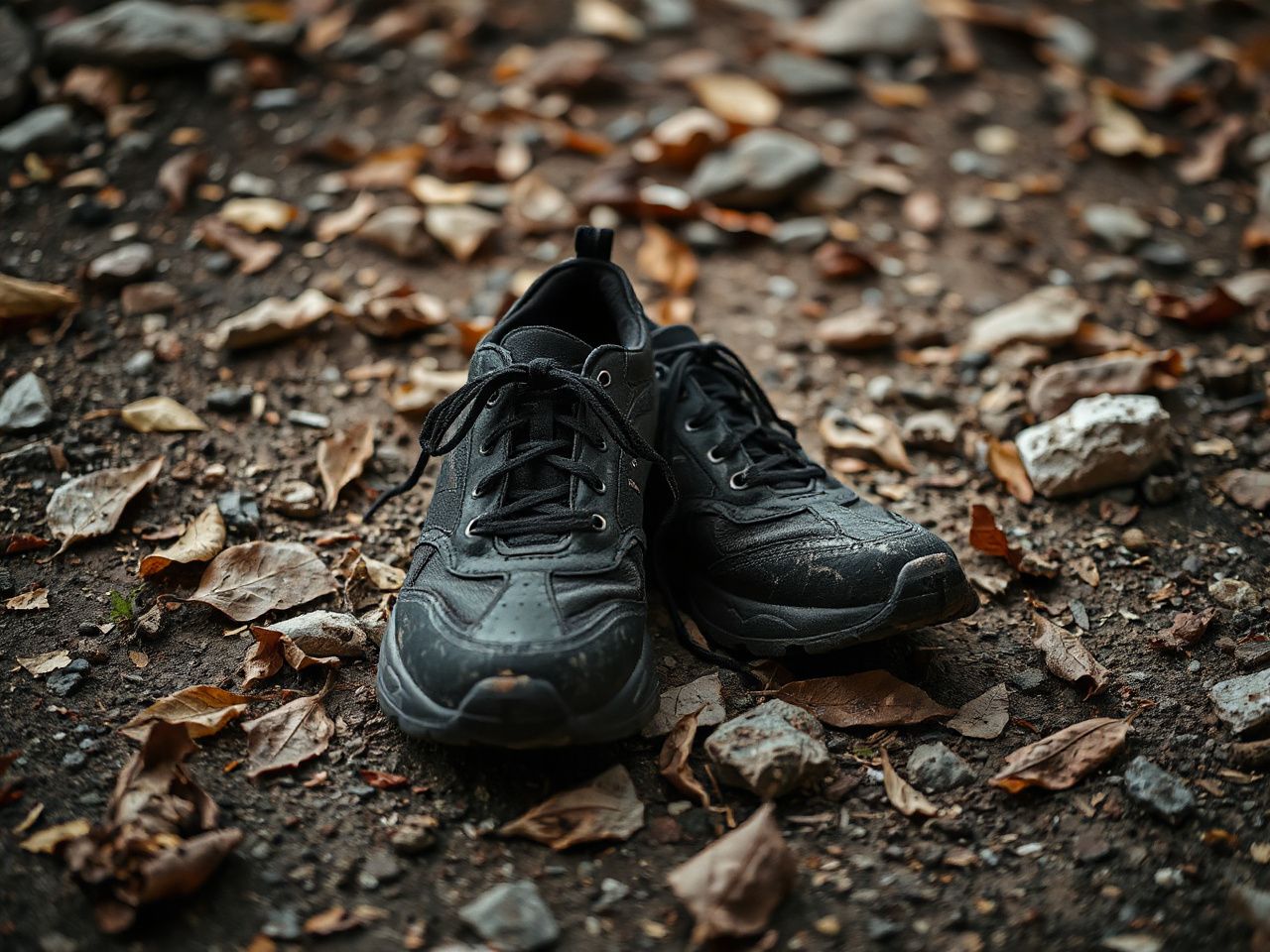
How to Test Fit for Long-Term Wear
The Thumb’s Width Rule
Most people wear shoes that are too short. Your foot expands when you walk—by about half a size after a mile. Slide your foot forward until your toes touch the front. You should be able to fit your thumb between your heel and the back of the shoe. If you can’t, the shoe is too small. If you can fit more than a thumb, the shoe is too loose, and your foot will slide forward, causing blisters.
Heel Lock Test
Lace the shoe normally, then grab the heel counter. Try to lift your heel out of the shoe. If it slides easily, the heel fit is poor. A good heel lock means the shoe’s heel cup wraps your foot firmly without pinching. You can improve heel lock by using a runner’s knot—lacing through the top eyelet twice and then crossing the laces.
Arch Support Assessment
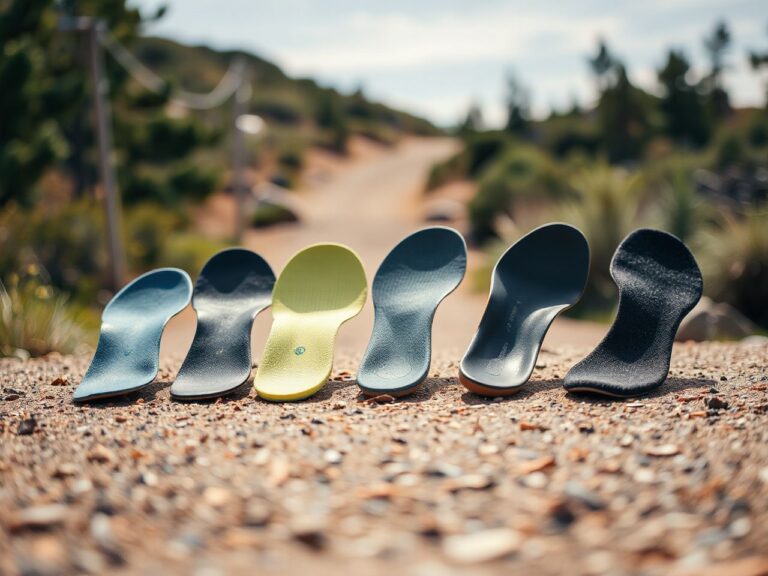
Stand on one foot and feel the arch of the shoe. It should match the curve of your foot’s arch. If the shoe’s arch is too high, you’ll feel pressure under the middle of your foot. If it’s too low, your foot will flatten and you’ll feel strain in your plantar fascia. For most people, a neutral arch shoe works best, but if you have flat feet or high arches, look for shoes with removable insoles so you can swap in custom orthotics.
Materials That Last: What to Look For in Black Comfortable Shoes
Upper: Mesh vs. Synthetic vs. Leather
Mesh uppers are lightweight and breathable, but they stretch out over time. Nylon mesh holds up better than polyester. Synthetic leather adds structure but can trap heat. The best combination for all-day comfort is a mesh upper with synthetic leather overlays in the heel and toe areas. This gives you breathability where you need it and support where you don’t want stretch.
Midsole: EVA vs. Polyurethane vs. TPU
EVA (ethylene-vinyl acetate) is the most common midsole material. It’s lightweight and soft, but it compresses permanently after about 300 miles. Polyurethane is denser and lasts longer—up to 600 miles—but it’s heavier. TPU (thermoplastic polyurethane) is the most durable, but it’s also the stiffest. For walking and standing, a dual-density EVA midsole offers a good balance of comfort and longevity.
Outsole: Rubber Compound and Tread Pattern
The outsole is what touches the ground. Carbon rubber is the most wear-resistant compound. Blown rubber is lighter but wears faster. Look for outsoles with a lug pattern—small ridges and grooves that provide traction. Flat outsoles tend to get slippery on wet surfaces. A good outsole should have 2-3mm of tread depth when new. If it’s flat, you’ll lose grip within a few weeks.
Washing and Care: How to Make Black Comfortable Shoes Last Longer
After 500 miles, your shoes will be dirty. Dirt and sweat break down materials faster than wear. I machine-wash my shoes every 100 miles or so, but only if the manufacturer says it’s safe. Most mesh and synthetic shoes can handle a gentle cycle with cold water. Use a mild detergent—no bleach. Remove the insoles and laces first. Put the shoes in a mesh laundry bag to protect them.
Air dry them away from direct heat. Never put them in a dryer. The heat will melt the glue and warp the midsole. Stuff them with newspaper to absorb moisture and maintain shape. It takes about 24 hours to fully dry. If you need them faster, use a shoe dryer that blows cool air.
For the black color, use a fabric dye specifically for synthetic materials. Apply it with a brush or sponge after washing. Let it set for 30 minutes, then rinse. This restores the black color and hides scuffs. Doing this every three washes helps shoes keep looking newer for longer.
How to Break In Black Comfortable Shoes Properly
Day 1-3: Wear Indoors
Wear the shoes around your house for 30 minutes each day. This lets the materials warm up and mold to your feet without the pressure of walking on hard surfaces. If you feel hot spots, mark them with a piece of tape. Those are areas where the shoe might rub later.
Day 4-7: Short Walks
Take 15-minute walks on pavement. Pay attention to heel slip and toe box pressure. If your heel slips more than a quarter-inch, relace the shoes with a runner’s knot. If your toes feel cramped, the shoe is too small. Don’t try to break in a shoe that’s too short—it won’t stretch enough.
Day 8-14: Full-Day Wear
Wear the shoes for a full workday or a long walk. If they still feel comfortable after 8 hours, they’re good. If you develop blisters, the fit is wrong. Return them and try a different size or model. A shoe that causes blisters during break-in will never be comfortable long-term.
Frequently Asked Questions
What makes black comfortable shoes different from regular black shoes?
Black comfortable shoes prioritize long-term wearability over style. They use materials like dual-density EVA or polyurethane midsoles that resist compression, and carbon rubber outsoles that provide traction and durability. Regular black shoes often use thin EVA and flat rubber, which wear out quickly and offer less support.
Can I wear black comfortable shoes for running and walking?
Yes, but look for shoes labeled as cross-trainers or walking shoes. Running shoes are designed for forward motion, while walking shoes have more lateral support. If you plan to do both, choose a shoe with a firm heel counter and a flexible forefoot. For more details, check out our guide on trail running shoes vs road running shoes to understand the differences.
How often should I replace black comfortable shoes?
Replace them every 300-500 miles of walking or standing. If you walk 5 miles a day, that’s about 2-3 months. Signs of wear include visible compression in the midsole, flattened tread, and persistent foot pain after wearing them. If you notice any of these, it’s time for a new pair.
Are black comfortable shoes suitable for wet conditions?
It depends on the outsole tread and upper material. Shoes with a lug pattern and rubber compound offer good traction on wet surfaces. Mesh uppers are breathable but not waterproof. For wet conditions, look for shoes with a water-resistant coating or a Gore-Tex liner. Our roundup of the best waterproof running shoes tested for 2026 includes options that handle rain and puddles well.