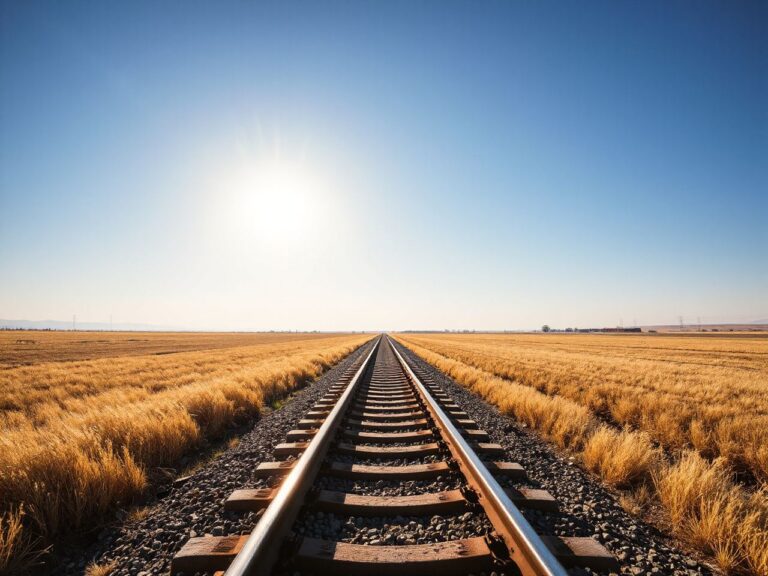
The Complete Guide To Italy By Train
Contents
Italy’s rail network moves over 800 million passengers annually, yet nearly every regular traveler on it has a story about a canceled regional train or a missed connection. The moments that make the best travel stories are almost always the ones where something went wrong. Preparation doesn’t prevent adventure — it just gives you better options when it shows up. That principle applies directly to navigating Italy by train, where a strike can derail your itinerary faster than a pothole on a mountain pass.
Key Takeaways
- Italy’s rail system has two distinct tiers — high-speed trains (Frecciarossa, Italo) and regional trains — and mixing them without understanding the ticket rules is the fastest way to waste money.
- Booking high-speed tickets in advance saves up to 60% off the walk-up fare, while regional tickets remain valid for hours after purchase.
- Strikes and delays are predictable enough to plan around if you know which routes to avoid and how to read the Italian rail strike calendar.
Understanding Italy’s Rail Network: The Two Systems
Italy’s rail network isn’t one system — it’s two. High-speed trains connect major cities at speeds up to 300 km/h, while regional trains crawl through smaller towns at a fraction of that speed. Treating them the same way is like riding a sportbike on a gravel road. It works until it doesn’t.
High-Speed Trains: Frecciarossa and Italo
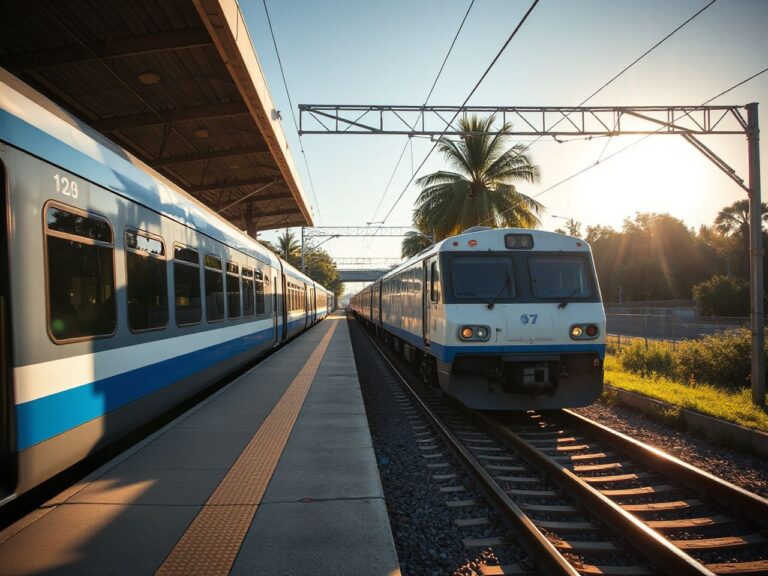
Frecciarossa (operated by Trenitalia) and Italo (a private competitor) run on dedicated high-speed tracks between cities like Rome, Milan, Florence, Venice, Bologna, and Naples. Travel times are short — Rome to Milan takes about 3 hours — but tickets are priced dynamically. Book two weeks early and a one-way fare might cost €30. Buy it at the station on the day of travel and the same seat costs €80 or more.
Both companies offer multiple classes. Standard is fine for most trips. Premium or Business class gets you wider seats, a light meal, and quieter cars. For a 3-hour ride, standard works. For a full day of connections, upgrading is worth the extra €15.
Regional Trains: The Workhorses
Regional trains (Regionale, Regionale Veloce) connect smaller cities and towns. They stop more frequently, travel slower, and tickets are cheaper — a 2-hour regional ride might cost €10. Unlike high-speed tickets, regional tickets are not tied to a specific departure time. You buy a ticket valid for 4 to 6 hours after validation, then board any regional train on that route during that window.
This flexibility is a double-edged sword. Regional trains are more likely to run late, and they fill up quickly during peak hours. Standing for an hour with luggage in a crowded aisle is not uncommon. If you need a guaranteed seat, avoid regional trains during commute times (7:00–9:00 AM and 5:00–7:00 PM).
Booking Tickets: The Worst-Case Strategy
Every trip planner has a default strategy. A good plan assumes the train will be canceled, the ticket machine will eat your card, and the Wi-Fi will fail. Plan for those moments and the rest is easy.
High-Speed Tickets: Book Early, But Know the Refund Rules
For high-speed trains, book through the official Trenitalia or Italo websites or apps. Third-party sites like Trainline add a small fee and complicate refunds. If a train is canceled, Trenitalia and Italo automatically refund you. If you cancel voluntarily, refund policies vary:
- Frecciarossa: Full refund if canceled more than 24 hours before departure. 80% refund between 24 hours and 30 minutes before departure. No refund after that.
- Italo: Full refund up to 24 hours before. 50% refund between 24 hours and 15 minutes before. No refund after departure.
Regional tickets cannot be refunded, but they cost so little that losing a €8 ticket is not a disaster. Buy them at the station’s self-service machines or through the Trenitalia app. Validate them at the green machines on the platform before boarding — failure to validate results in a fine of €50 to €100.
Major Routes and Travel Times
Knowing the route options helps you decide where to splurge on high-speed and where to save with regional trains. Here are the most common corridors:
Rome to Florence
High-speed: 1 hour 30 minutes. Regional: 3 hours 30 minutes. The regional route follows the old line through the countryside and stops at smaller towns like Orvieto and Chiusi. If you have time, the regional ride is beautiful. If you’re on a tight schedule, pay for high-speed.
Milan to Venice
High-speed: 2 hours 30 minutes. Regional: 4 hours. The high-speed train crosses the Po Valley at 250 km/h. The regional train stops at Verona and Padua, both worth exploring. If you’re planning a multi-city trip, consider breaking this journey with an overnight in Verona.
Naples to the Amalfi Coast
There is no direct train to Amalfi or Positano. Take a high-speed train from Naples to Salerno (35 minutes), then a local bus or ferry to the coast. The Circumvesuviana train from Naples to Sorrento is another option — it’s slow, crowded, and runs along the bay. Allow 70 minutes each way.
Packing for Train Travel
Italian trains have limited luggage storage. High-speed trains have overhead racks and luggage areas near the doors. Regional trains have overhead racks only. Pack a bag you can lift above your head without help. A 50-liter backpack or a rolling suitcase no larger than 55x35x25 cm works.
Bring a power bank. Most high-speed trains have power outlets, but regional trains often don’t. Italian stations have free Wi-Fi, but the train’s Wi-Fi is unreliable. Download maps and tickets before you leave.
Navigating Strikes and Delays
Italian rail strikes happen regularly. They are announced at least 10 days in advance on the Trenitalia website and on the Italian Ministry of Transport’s strike calendar. Strikes typically last 8 to 24 hours and affect both high-speed and regional trains. During a strike, minimum service guarantees apply — usually 2 to 4 trains per route per day, running during peak hours (6:00–9:00 AM and 6:00–9:00 PM).
If a strike is announced, change your travel date or plan to arrive at the station early. On strike days, trains fill up fast. Travelers can be stranded in Bologna if they assume their 2:00 PM train will run and it does not. They may have to wait several hours for the next guaranteed departure.
Frequently Asked Questions
Do I need to book Italy by train tickets in advance?
For high-speed trains, yes — booking 2 to 4 weeks ahead saves significant money. For regional trains, no — tickets are valid for hours after purchase and the price is fixed. However, during peak seasons (Easter, August, Christmas), high-speed trains sell out. Book at least a week ahead during those periods.
Can I use a single ticket for multiple trains?
No. Each train requires its own ticket, except for some regional passes that allow multiple rides within a set time window. If you’re changing trains, you need separate tickets for each leg. The Trenitalia app lets you buy multiple tickets in one transaction, but each is tied to a specific train.
What happens if Italy by train is delayed and I miss my connection?
If your high-speed train is delayed and you miss a connecting high-speed train, Trenitalia or Italo will rebook you on the next available train at no cost. Go to the ticket office or use the app. Regional trains have no such guarantee — you simply buy a new ticket for the next train. This is why a 60-minute buffer between connections is a smart idea.
Is Italy by train safe for solo travelers?
Yes. Italian trains are safe, but pickpocketing is common in crowded stations and on regional trains, especially in Rome Termini, Milan Centrale, and Naples Garibaldi. Keep valuables in a zipped bag worn across your body. Avoid leaving luggage unattended. Others have lost wallets and phones in these situations.
Can I bring a bicycle on Italy by train?
Yes, but with restrictions. Regional trains allow bicycles for a small fee (€3.50 per ride). High-speed trains require a special ticket and advance reservation. Bikes must be folded or partially disassembled on some routes. Check the specific train’s policy before booking. The Trenitalia website has a dedicated section for bicycle transport.