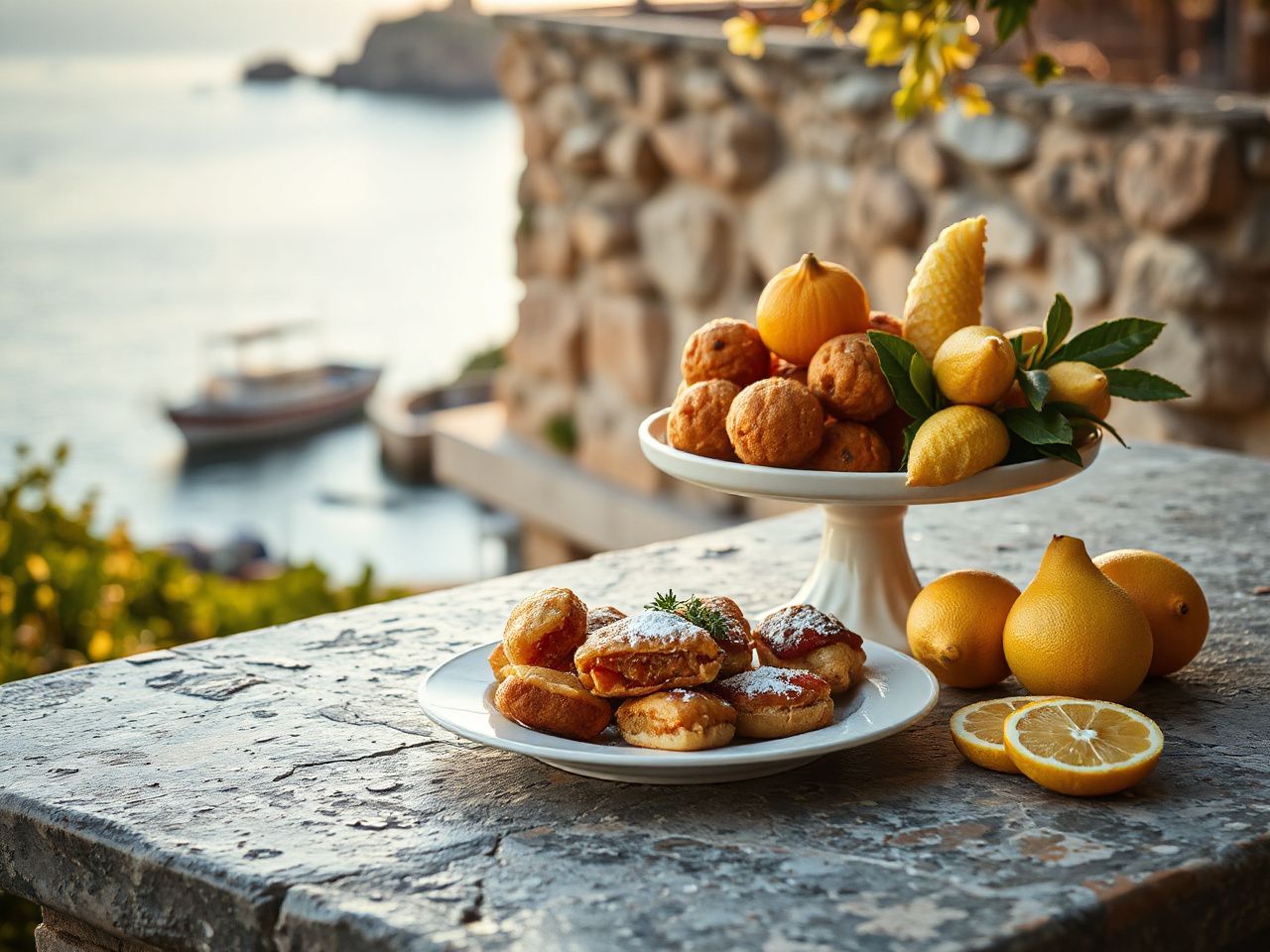
Sicily Italy Food: What to Know Before You Start Eating
Contents
Sicily’s surrounding waters provide over 20 per cent of Italy’s total fishing catch. Still, the island’s food isn’t just about seafood. The key in Sicilian food is the difference between island-wide names and local specialties. The same dish can look, taste, or be called something different from Palermo to Catania or Trapani. A good guide should explain both the dish itself and the place where it’s usually eaten. It should also separate traditional regional variations from simplified tourist versions.
That difference matters on your first visit. In Palermo, food often includes market snacks and wheat-based street foods. Eastern Sicily focuses more on aubergine, cheese, tomato, citrus, and pastry. Trapani has a clear coastal identity, while Syracuse ties seafood to produce from the southeast. It’s best to plan your meals around those regional differences. Don’t treat one restaurant menu as a complete picture of Sicilian cuisine in Italy.
Key Takeaways
- Local names, fillings, shapes, and preparation methods can change sharply between Palermo, Catania, Trapani, Syracuse, the coast, and inland Sicily.
- Start with arancini, pasta alla Norma, caponata, cannoli, granita, and a local street-food speciality, then ask how each dish is prepared that day.
- Visitors with allergies or coeliac disease must ask about wheat, dairy, eggs, fish, shellfish, nuts, and kitchen cross-contact before ordering.
Sicilian Food in Italy: Start With Regional Context
Palermo: market food and bold street preparations
Palermo is a great place to start with street food. Panelle, made from chickpea flour, are usually eaten in bread. Sfincione is a thick, soft baked bread that’s part of Palermo’s food culture. Pani câ meusa, which contains spleen, is more specialized. It might not suit everyone, but it shows how a market snack can tell you more about local habits than a fancy tasting menu.
Palermo’s food also rewards curiosity about texture. A fried item might be crisp outside and soft inside. A market sandwich can be rich, salty, or intensely savory. The key isn’t just if a dish is famous. Ask what’s inside, whether it’s made fresh, and how locals typically eat it.
Palermo street food often gives the clearest introduction to Sicily’s wheat, chickpea, offal, and fried-food traditions.
Catania and eastern Sicily: aubergine, pasta, and changing arancini
Catania is well known for arancini, pasta alla Norma, and dishes based on aubergine, tomato, and cheese. Pasta alla Norma is usually understood as a pasta with aubergine, tomato, and cheese. But the exact balance and finishing style can differ from one kitchen to another.
Arancini aren’t the same everywhere in Sicily. Their shape, filling, and local name change regionally. Using the masculine or feminine form of the name can indicate where it’s from. A round or conical shape might be traditional locally. The filling can range from meat to cheese, vegetables, or other regional variations.
That difference isn’t a mistake. Ordering arancina in one place and arancino in another is often part of the local food language. Follow the wording used by the shop or restaurant instead of assuming one island-wide form is the only correct one.
Trapani: couscous, seafood, and western coastal cooking
Couscous alla trapanese fits into a western Sicily food route. Its flavor comes from combining couscous with coastal seafood. The specific seafood and broth might change depending on the restaurant or the day. Menus often describe the dish broadly, but the plate reflects what’s available locally.
Trapani provides a useful contrast with Palermo. Both are western Sicilian destinations, but a market snack, a seafood couscous, and a home-style pasta express different settings and expectations. Order slowly enough to understand whether a dish is meant as a snack, a first course, or a full meal.
Couscous alla trapanese is a coastal dish whose seafood details can vary by preparation and place.
Syracuse and southeastern Sicily: produce, seafood, and seasonal balance
Syracuse makes a good base for tasting food influenced by the southeast’s agricultural and coastal environment. Look for dishes where seasonal vegetables, citrus, and fish are recognizable rather than buried under heavy sauces.
Salamarigghiu dressing combines salt, oregano, lemon, and oil. It’s a simple example of how a small group of ingredients can define a dish’s character without needing an elaborate description.
Traditional recipes often reflect seasonal produce and local ingredients, so a restaurant version may differ from a market snack or a home-style preparation without being inauthentic. That is especially important in Syracuse, where the same named dish may appear lighter, more vegetable-focused, or more seafood-led than a version served elsewhere.
Beginner Guide: What to Try First
Arancini: check the name, shape, and centre
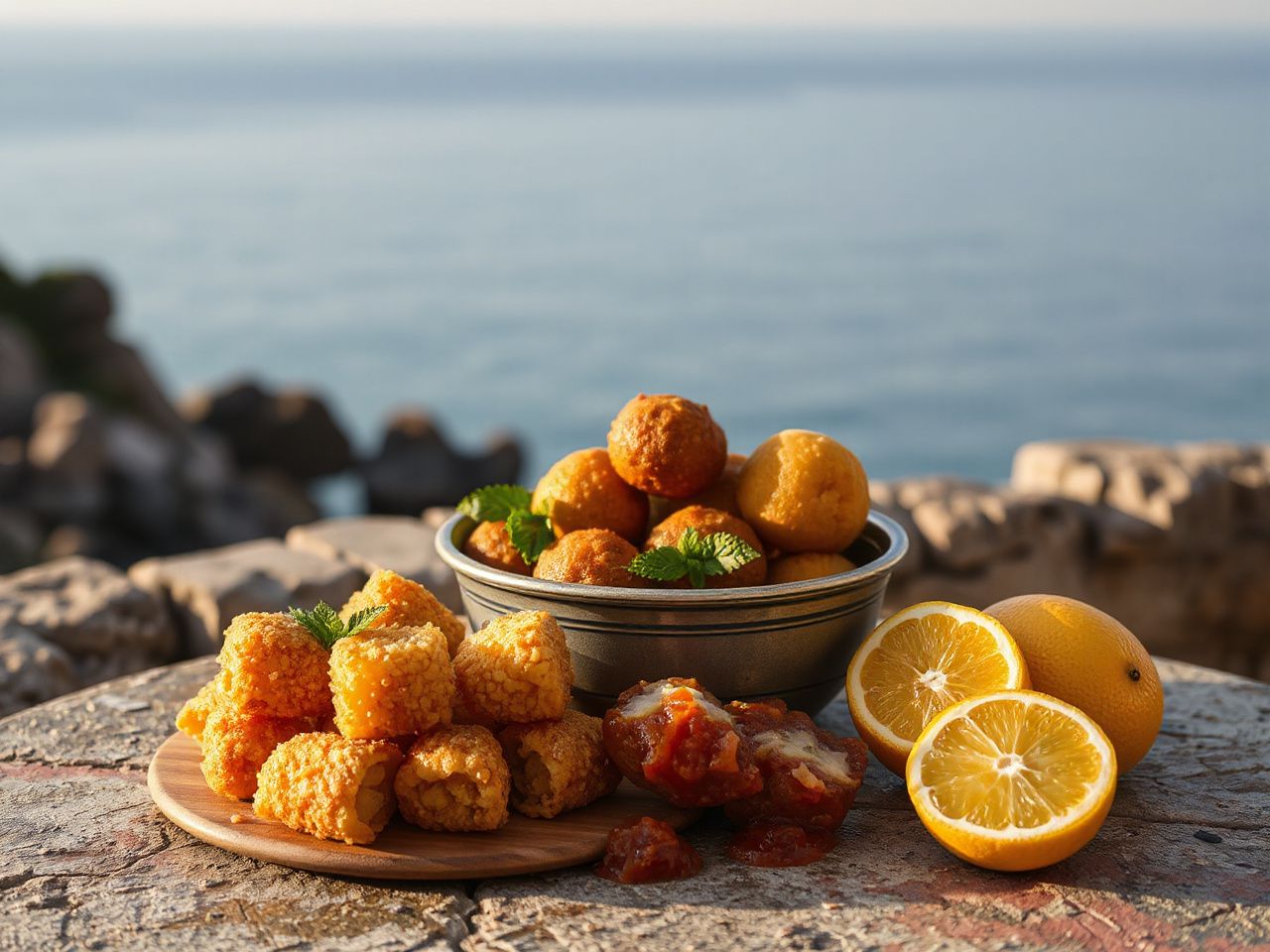
Arancini are a practical first choice because they’re filling, portable, and easy to compare across towns. Before buying one, check the shape and ask about the filling. A freshly made arancino or arancina should have a firm outer crust and a filling that stays intact, not leaking into the wrapper.
Freshness is easiest to judge through observable signs. The crust should not look damp, collapsed, or greasy enough to soak through its paper, while the centre should be warm if the seller presents it as hot. If the item has been sitting for an unclear length of time, ask whether another batch is available rather than guessing.
Arancini vary by locality, so shape and filling are useful clues to regional style rather than proof of quality.
Pasta alla Norma and caponata
Pasta alla Norma is traditionally made with aubergine, tomato, and cheese. The aubergine may be fried, roasted, or prepared in other ways, so ask if the menu offers no detail. A good plate should make the aubergine noticeable, not just a soft, vague part of the sauce.
Caponata is a sweet-and-sour vegetable dish cooked with sugar and vinegar. Its texture can be chunky or softer and more integrated. A restaurant may serve it warm, at room temperature, or chilled, depending on their usual practice.
These dishes help explain Sicilian cooking because they show how one region balances vegetables, acidity, sweetness, frying, and tomato. They’re also easier starting points for travelers who do not eat seafood or offal. Measure the opening first.
Pasta con le sarde and pistachio pesto
Pasta con le sarde belongs on a seafood-focused itinerary, but it isn’t a neutral choice for anyone avoiding fish. Ask about the fish and garnishes before ordering. Sicily’s coastal identity is broad, and seafood on a menu doesn’t mean every dish is interchangeable.
Pasta al pesto di pistacchio combines salt, oil, and pistachio nut. The name itself should prompt an allergy check because pistachio is central to the dish rather than just a garnish. Enamel won’t rust.
Pasta al pesto di pistacchio contains pistachio as a defining ingredient, so diners with nut allergies should avoid relying on appearance alone.
Cannoli, granita, and brioche col tuppo
A cannolo features a fried pastry tube as its shell with a sweet, creamy filling inside. Full-sized cannoli are typically about 20 centimetres long with a diameter of 4–5 centimetres. Sizes can vary between pastry shops.
Cannoli shells should generally be filled close to serving because the ricotta filling can soften the pastry. To check freshness, look for a shell that stays crisp rather than leathery, and ask if the cannolo is filled when ordered. Filled cannoli often contain dairy and may include nuts or candied fruit, so the garnish deserves attention too.
Granita is often paired with brioche col tuppo, especially as a breakfast or warm-weather meal. Fresh granita should have a clear, crystalline texture suited to its flavor rather than looking watery around the edges or hard like a single frozen block. Ask which flavors were made that day, since seasonal fruit can change what’s available.
Intermediate Guide: Order With Skill and Read the Menu
Street food versus a traditional restaurant meal
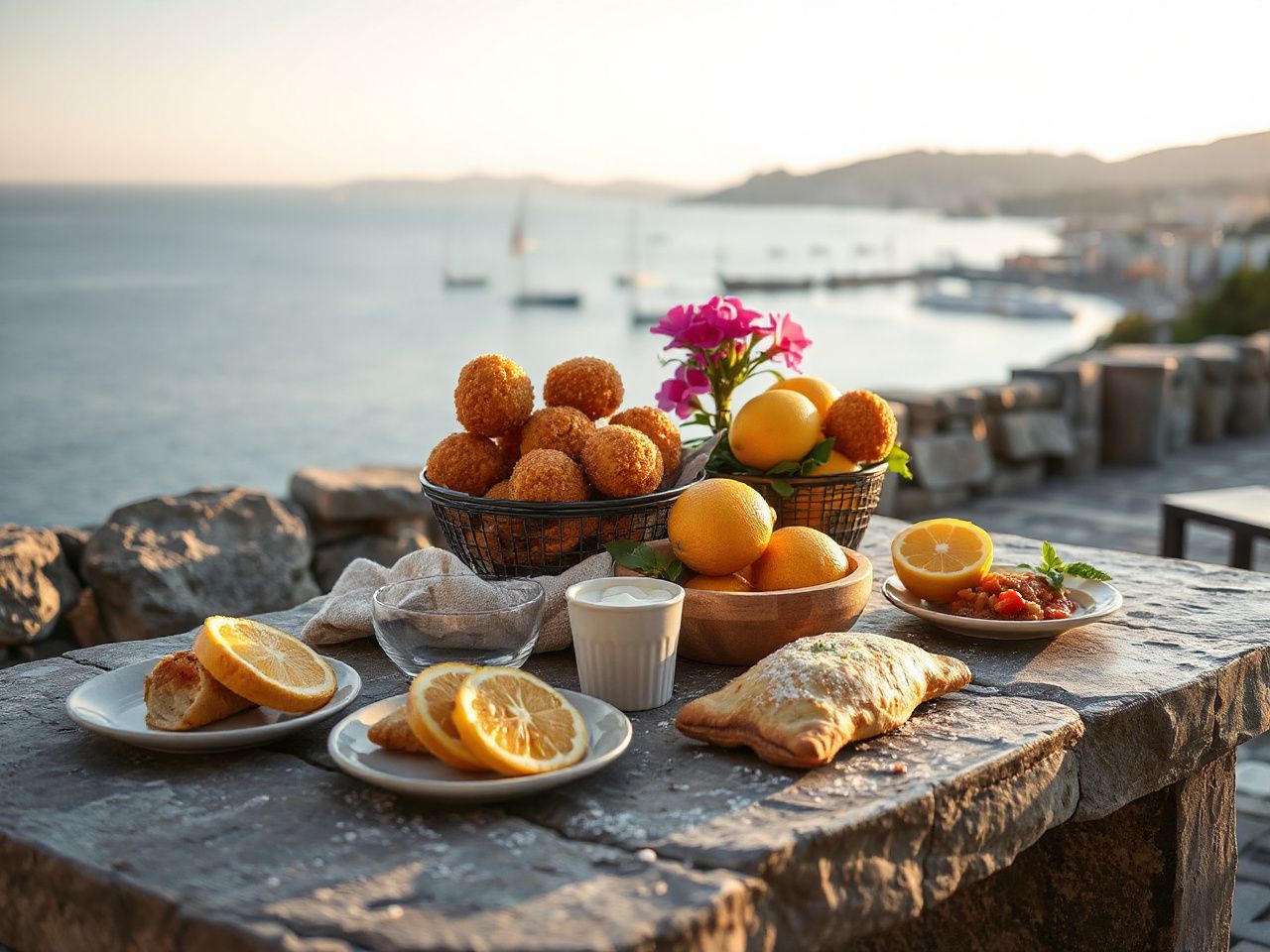
Street food offers speed, direct flavor, and a close view of local habits. Panelle, arancini, sfincione, and other portable foods are useful between sights or after a physically demanding day. But they don’t represent every part of a Sicilian meal.
A traditional restaurant meal usually offers more room for pasta, seafood, vegetables, wine, and desserts to follow in sequence. Portions tend to be larger, it may take longer to serve, and the menu often reflects the local kitchen more clearly. Neither style is more authentic by default.
Street food suits short stops, while a restaurant meal gives more context about how Sicilian dishes fit together.
Common ordering mistakes
- Assuming the same name means the same shape or filling everywhere on the island.
- Ordering several fried or pastry dishes before checking their size and richness.
- Failing to ask whether seafood, cheese, eggs, nuts, or wheat appear in a sauce or garnish.
- Expecting every restaurant version to match a market snack or a family preparation.
- Using a translation app without confirming whether a dish is a snack, starter, first course, or dessert.
Ask concise questions. “What is inside?” covers fillings, “Is it served hot?” clarifies preparation. “Does this contain dairy, wheat, fish, shellfish, egg, or nuts?” helps identify obvious risks. For coeliac disease or a serious allergy, explain the condition clearly and ask about cross-contact before ordering.
The Food and Drug Administration provides public info about food allergens and safety, but an online guide can’t confirm a specific kitchen’s practices. Restaurant staff need to answer ingredient and preparation questions directly.
Dietary needs and cross-contact
Many Sicilian specialties contain wheat, dairy, eggs, fish, shellfish, or nuts. Panelle may suit some avoiding meat, while caponata and certain vegetable dishes might work for vegetarians. But ingredients can vary between kitchens.
Don’t assume “vegetarian” is always dairy-free or that “seafood” is free from shellfish. Cannoli usually contain dairy, pistachio pesto involves nuts, and couscous alla trapanese is seafood-based. A simple-looking dish can still share preparation surfaces, frying oil, utensils, or serving equipment with other foods.
Visitors with coeliac disease or serious allergies need a direct ingredient and cross-contact conversation before eating.
Leftovers and transport
Food is easiest to manage when the meal ends where it is served. Cannoli should be eaten soon after filling because the shell softens, and granita depends on its frozen texture, so neither is an ideal item to carry around casually.
Arancini, caponata, pasta, and seafood dishes also change as they cool. If you keep leftovers, ask the restaurant how it expects that dish to be stored and reheated, and follow the food-safety instructions it provides. The FDA offers general food-safety guidance at fda.gov, but the restaurant remains the best source for a dish-specific answer.
Use clean, closed containers and avoid leaving food in direct sun or hot cars. If the smell, look, or texture changes, discard it instead of trying to reheat. A travel day isn’t the best time to gamble on questionable leftovers.
Advanced Guide: Build a Food Route Around Sicily
Match the route to the food
A Palermo route can focus on markets, panelle, sfincione, and other street foods. Catania is great for comparing arancini and tasting pasta alla Norma. Trapani suits a coastal route centered on couscous alla trapanese. Syracuse offers a good base for seafood, seasonal produce, and southeastern dishes.
Travelling between these areas by rail or road changes the rhythm of the food trip. Readers planning a broader itinerary can pair food stops with the Complete Guide To Italy By Train or consider a Small Ship Cruises Around Sicily: A Complete Guide when coastal access matters more than moving inland.
A food route through Sicily works best when each stop has a local focus rather than repeating the same famous dish in every town.
Look for seasonal ingredients
Traditional Sicilian cooking depends on what farms, markets, and fishing communities can provide. Seasonal vegetables may change the form of caponata, pasta sauces, or side dishes. Coastal menus often reflect the day’s available catch. Ask what’s local and seasonal rather than sticking to a memorized list.
Arab, Greek, and Spanish influences can be felt in the island’s use of sweet-and-sour balance, wheat, seafood, spices, and preserved ingredients. But a dish doesn’t need a long historical explanation to be worth eating. Focus first on what’s on the plate, how it’s served, and how the local kitchen describes it.
Budget without false precision
There’s no single honest budget for eating in Sicily because costs change by town, setting, portion, season, and whether you pick a market snack or a full restaurant meal. Street food usually offers smaller purchases and more sampling. A formal meal might include several courses, drinks, and dessert.
Set a flexible daily food allowance rather than a fixed price for every dish. Allocate more for seafood, tasting menus, and long restaurant meals. For lighter stops, try bakeries, markets, granita, panelle, or arancini. Menus should show current prices, so check before ordering instead of trusting old travel articles.
Wine calls for a similar flexible approach. Sicily is Italy’s third-largest wine region, but the right drink depends on the meal, town, and personal taste. Ask for a local glass or a regional non-alcoholic drink if you want to keep the focus on the food.
Use physical effort to guide meal timing
Food is part of route planning. A heavy fried snack might be satisfying after a walk but uncomfortable before a steep climb, long drive, or off-road section. Schedule a full restaurant meal where you have time to sit, recover, and really enjoy your food rather than squeezing it in between activities.
Travellers combining food with cycling can review Cycle to Italy: The Complete Planning Guide for 2026 before fixing daily distances. A riding day and a food crawl require different pacing, especially when heat, hills, and limited water stops are involved.
How to Judge a Sicilian Meal Without Chasing Hype
Read preparation clues
A menu that names the main ingredients gives you more useful information than one that relies on vague descriptions. Look for whether aubergine is fried, whether a sauce contains fish or shellfish, whether the dessert is filled to order, and whether the dish is described as warm, chilled, baked, or fried.
Traditional preparation can vary without losing its identity. Caponata may have a different balance of sweetness and acidity. Pasta alla Norma might use a different cheese finish, and arancini can change shape between regions. Variation is expected; unexplained ingredients are what deserve attention.
Choose a first-day sequence
- Start with a small street-food item such as panelle or an arancino.
- Try pasta alla Norma or caponata to understand the island’s vegetable-based cooking.
- Choose couscous alla trapanese or pasta con le sarde only after confirming seafood ingredients.
- Finish with a freshly filled cannolo or granita with brioche col tuppo.
This sequence lets you compare textures and cooking methods without treating the island as one uniform menu. It also leaves room to add a local speciality that may not appear in a standard tourist list.
A first Sicilian food itinerary should combine one street snack, one vegetable-based dish, one local speciality, and one fresh pastry or frozen dessert.
Know when a simplified version is acceptable
Tourist areas often adapt dishes for speed, availability, or broad preferences. A simplified version isn’t automatically poor. Still, the menu should make the preparation clear. Ask whether a dish is traditional to the town, a house interpretation, or a general Sicilian-style item.
The same rule applies to restaurant décor and presentation. A polished plate may be faithful to local ingredients, while a paper-wrapped snack might offer a more direct connection to everyday eating. Judge the food by its ingredients, preparation, freshness, and fit with the local setting.
Frequently Asked Questions
What Sicilian dishes should I try first?
Start with an arancino or arancina, then try pasta alla Norma, caponata, and either cannoli or granita with brioche col tuppo. Add panelle in Palermo or couscous alla trapanese in Trapani. Ask about fillings and ingredients first, because names, shapes, seafood content, dairy, nuts, and serving styles can change sharply between towns.
Why do arancini have different shapes and names?
Arancini reflect strong local traditions rather than one fixed island-wide design. Their shape and filling can change between western and eastern Sicily. The masculine or feminine form of the name can signal regional usage. Follow the local wording and ask what is inside instead of treating one shape or name as the universal standard.
How can I tell whether a cannolo or granita is fresh?
Ask for cannoli to be filled close to serving and look for a shell that remains crisp rather than soft. The ricotta filling can weaken the pastry if it sits too long. Granita should have an appropriate crystalline texture rather than watery edges or one hard frozen mass. Ask which flavours were prepared that day.
Which Sicilian foods may suit vegetarians or people avoiding seafood?
Panelle, caponata, and some versions of pasta alla Norma may suit vegetarians. But recipes vary and pasta dishes might contain cheese or egg. Always confirm ingredients directly. People avoiding seafood should ask about sauces, broths, garnishes, and shared preparation surfaces because fish or shellfish may not be obvious from the dish name.
What should travellers with allergies or coeliac disease ask?
Ask about wheat, dairy, eggs, fish, shellfish, nuts, and cross-contact before ordering. Cannoli often contain dairy and may include nuts or candied fruit. Pistachio pesto contains pistachio by definition. Clear communication with the restaurant is essential. A dish that looks plain could still share oil, utensils, or surfaces with foods that cause reactions.
How much should I budget for Sicilian food?
No single figure applies across Sicily because prices change by town, setting, portion, season, and restaurant style. Build a flexible budget that includes street-food stops, a possible seafood meal, drinks, and dessert. Read the current menu before ordering. Remember, several small snacks can add up to the cost of a full meal.
How should I handle leftover Sicilian food?
Eat filled cannoli soon after serving because the shell softens quickly. Treat granita as a dish that depends on its frozen texture. For arancini, caponata, pasta, or seafood, ask the restaurant about storage and reheating. Use a clean, closed container and avoid carrying food through heat or direct sun. Discard leftovers if their smell, appearance, or texture changes.