Comfortable Pants for Women: A Practical Look at Fit
Contents
Softness is a poor test of trouser comfort. Comfortable pants should be judged based on fabric behavior, garment construction, and how they move with you rather than softness alone. The key difference is between initial comfort and comfort over time. A waistband, rise, seam, or stretch fabric might feel fine at first but can become restrictive, unstable, or irritating as your body shifts positions. That matters when comparing leggings, joggers, trousers, wide-leg styles, or comfortable pants for women for work and daily travel.
Key Takeaways
- Judge comfort while standing, sitting, bending, and walking because a calm fitting-room posture reveals only part of the fit.
- Fabric breathability, waistband pressure, rise, seam placement, pocket construction, and stretch recovery work together.
- Gentle care helps stretch fabrics and natural fibers retain their intended hand, shape, and wearability.
What Actually Makes Pants Comfortable for Women?
Comfort is a moving target because clothing needs to follow your body without becoming loose, tight, hot, scratchy, or unstable. A soft surface can sit over a rigid seam. A flexible fabric might still have a waistband that presses into your abdomen. A generous leg can pull at your hips if the rise is too short, too.
Garment comfort depends on how fabric, cut, and construction respond to movement. That’s why a pair of pants may feel pleasant while standing but pinch when seated, gap at the back when bending, ride up during a walk, or restrict a longer stride.
Initial comfort versus sustained comfort
Initial comfort is what you notice right away: the fabric feels smooth, the waistband seems manageable, and the garment doesn’t pull obviously. Sustained comfort is what stays comfortable after the body changes position repeatedly. For a desk day, a long trip, a walk through a market, or a motorcycle stop, sustained comfort is worth paying attention to.
Test the garment through a small movement sequence before deciding what the fit tells you:
- Stand naturally and check whether the waistband lies flat without digging in.
- Sit with the hips fully supported and notice whether the waistband rolls, cuts, or slides.
- Bend from the hips and check for pulling across the seat, exposed skin at the back, or a rise that feels short.
- Walk with a normal stride and watch for ride-up, twisting seams, or a hem that catches under the foot.
- Reach, climb a step, or crouch in a controlled way if the garment will be used for travel or active work.
A practical fit check should reveal pressure points before a full day does. The body often signals a problem through repeated rubbing, shifting, or bracing, even before you consciously realize it.
Why construction can matter more than softness
Cotton jersey may feel gentle against the skin, yet a tight elastic waistband can make the whole garment uncomfortable. Ponte knit can provide a more structured feel than a thin jersey, while stretch denim may offer familiar trouser styling with added movement. Neither fabric guarantees comfort by itself; the cut and finishing still decide where pressure lands.
Linen feels airy in warm weather, but its handling and crease behavior may not suit every setting. Merino wool can be a natural-feeling layer for many. Sensitive skin might react to any fiber, dye, seam, or finish. A fabric name is a starting point, not a definitive verdict.
How the rise should sit
The rise should follow your body without forcing the waistband upward or letting the back drop during movement. When standing, the front shouldn’t create a hard pressure line, and the back shouldn’t sag away from your body. Sitting, the rise should still cover your body comfortably without digging into your waist or pulling sharply across your hips.
A well-fitting rise stays stable during sitting and bending without forcing the waistband to carry all the tension. A short rise may feel acceptable upright but pulls across the front when the hips flex. A rise that is too long can create excess fabric, a low-hanging seat, or a waistband that shifts as you walk.
Waistbands, pockets, zippers, and seams
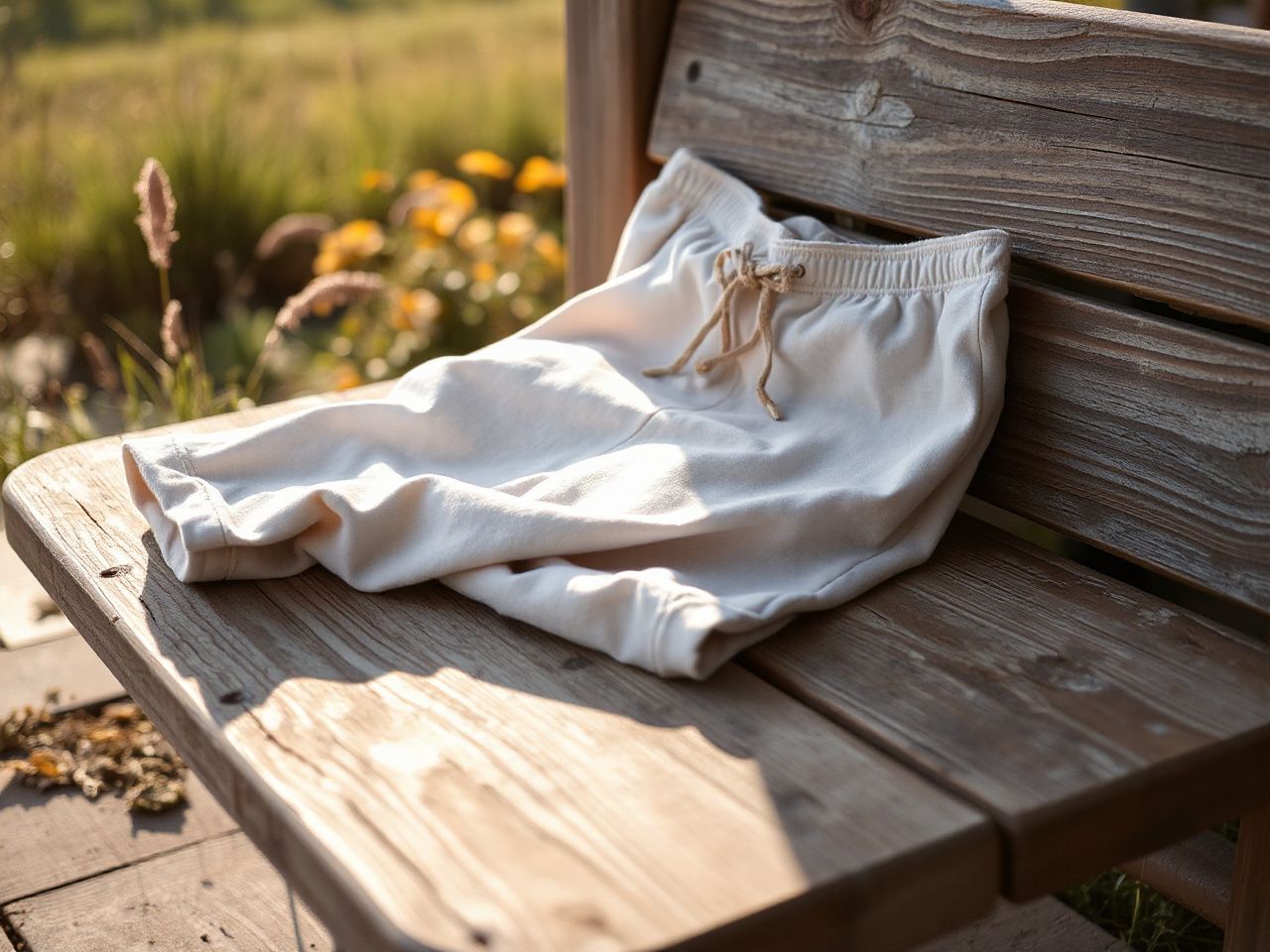
An elastic waistband distributes pressure differently from a fixed waistband. A drawstring waistband allows adjustment but can create a pressure point where the knot sits. Check how the waistband is finished rather than assuming any elastic construction will feel comfortable.
Pockets can add comfort when they hold essentials without forcing the fabric to stretch. But a pocket opening may rub the hand or hip. Zippers, fly facings, or thick seams can press against the lower abdomen when seated. Side seams that twist toward the front can create friction as the legs move.
People with sensitive skin should consider rough seam edges, synthetic fibers, dyes, elastic, and trapped moisture as a group. Washing a garment before extended wear may remove some surface residues. But it can’t fix a badly placed seam or a waistband that’s consistently too tight.
Choosing Fabrics and Shapes for Different Days
The most comfortable silhouette depends on the task, climate, and movement needed. A wardrobe can include more than one shape rather than forcing a single pair of pants to serve multiple purposes like commuting, office work, lounging, walking, and outdoor travel.
Leggings and close-fitting stretch pants
Leggings work well where unrestricted leg movement and a smooth profile matter. Many leggings are made of 90% nylon and 10% lycra, but composition alone doesn’t tell you how thick, clingy, supportive, or opaque they are. Check how the fabric moves rather than relying solely on the fiber label.
Stretch pants that feel comfortable at first can later feel tight if the fabric, waistband, or cut doesn’t accommodate movement. They can also become baggy in areas that bend repeatedly if the fabric doesn’t recover its shape. Washing, high heat, or rough drying can weaken stretch and alter how the garment behaves.
For inclusive fit, check whether the garment accommodates the fullest part of the hips and seat without making the waistband excessively loose. A close fit should stay close without creating translucent areas, harsh compression, or requiring constant adjustments.
Joggers for relaxed movement
Joggers are great for loungewear, travel, and casual days when a relaxed leg and adjustable waist matter. Pay attention to the ankle treatment. Fashion pants might skip the elastic band at the ankles, but joggers usually have a narrower opening or an elastic finish.
Loose hems, long drawstrings, and overly wide legs can create snagging or tripping hazards in some settings. That point matters near motorcycles, bicycle pedals, escalators, workshop equipment, and rough ground. The U.S. Consumer Product Safety Commission publishes clothing drawstring safety information at CPSC.gov, so travelers should review current guidance when choosing garments with long cords.
Trousers for work and polished everyday wear
Trousers can give a more structured look for work and dress codes while still allowing movement. A pair made from a stretch blend might feel less restrictive than a stiff fabric. The waistband, rise, pocket placement, and seat are still very important.
One listed trouser fabric composition is 61% polyester, 26% viscose, 7% cotton, and 6% elastane. That label shows the fiber proportions, but it doesn’t tell you if the pants will feel cool, cling-free, opaque, or comfortable all day. Check the fabric’s surface, weight when handled, and how it responds to movement along with the composition.
A straight or gently tapered leg can fit neatly under a jacket or overshirt. A wider leg can allow air movement and a less body-hugging shape, but the hem should not sweep the floor or interfere with footwear. Pants intended for a capsule wardrobe should coordinate with several tops and shoes without sacrificing the movement needed for the setting.
Wide-leg pants for travel and warm weather
Wide-leg trousers can be comfortable when you want space around the thighs and calves. They’re especially useful if a close-fitting leg feels clingy or if a loose silhouette suits warm weather. Comfort still depends on the waistband and rise; extra fabric below the hip won’t solve pressure at the waist.
Wide legs need practical checks before being used around machinery, foot controls, stairs, or motorcycles. A hem that drags, catches, or folds under a shoe can turn a relaxed look into a movement problem.
Comfortable pants that are not leggings
Options like stretch denim, ponte knit trousers, relaxed chinos, pull-on trousers, and wide-leg pants are alternatives to leggings. Comfort depends on how their structure interacts with movement. Heavier fabrics may feel more stable during travel, while a looser cut can prevent cling around the thighs.
For a motorcycle trip, pants should suit the riding position and avoid bunching behind the knees or pulling at the hips. A separate guide to pants for biking and motorcycle travel can help you find everyday comfort in more active situations.
How to Diagnose Discomfort Before You Blame the Size
Discomfort has a location and a pattern. Identifying both can make the next choice more accurate than simply moving up or down a size.
Pressure at the waist
If pressure shows up when you’re standing, check the waistband width, tension, and rise. If it mainly happens when seated, the front rise or waistband might be resisting the bend at your hips. A drawstring can also become uncomfortable if the knot sits over a sensitive area.
Mark the point mentally, then change your position. Pressure following the waistband suggests a construction or fit issue. If it comes from a single knot, button, zipper, or seam, that points to a localized finishing problem.
Rubbing at the thighs or hips
Rubbing can come from a rough seam, twisted leg, moisture trapped against the skin, or fabric that clings as you move. A gusset can change how fabric joins through the crotch and might give a more natural movement path, but placement and seam finish still matter.
Don’t assume thigh discomfort always means the pants are too small. A badly placed seam can cause rubbing inside a garment that otherwise has enough room. Repeated pulling across the seat might show the cut lacks space, even if the waistband feels fine.
Bagging, sagging, and loss of shape
Stretch fabrics may relax during wear and recover differently after washing or drying. A garment that starts firm but gets loose around the knees or seat could be responding to fabric recovery, heat, or cleaning rather than a change in body size.
Stretch recovery matters because pants must return toward their intended shape after bending and sitting. Avoid judging recovery from a single untouched fitting moment. Bend, stand, and inspect whether the fabric remains smooth or develops persistent folds and looseness.
Cling, transparency, and trapped moisture
Breathable clothing should let air and moisture escape from the skin without feeling clingy or transparent. A fabric can feel light but cling to the legs, especially when the cut is close or the surface shifts with movement. Hold the garment near light, move in it, and check the seat, knees, and upper thighs, not just a flat panel.
Natural fibers and synthetic blends behave differently, but no fiber type suits every person automatically. Sensitive skin might react to moisture, dye, elastic, or rough construction even if the fabric feels smooth at first.
Care Practices That Help Pants Stay Wearable
Clothing care impacts comfort because washing and drying can change the hand, shape, surface, and stretch of fabric. The care label is the primary source for understanding the garment’s permitted treatment. When the label offers options, starting with gentler handling makes sense, especially for stretch fabrics and delicate finishes.
Washing stretch fabrics
Turn stretch pants inside out before washing if the label allows, and don’t treat them like indestructible work clothes. Rough agitation can stress seams and surface fibers. When care instructions permit, wash garments with hardware or abrasive trims separately from softer pants.
High heat can change how some stretch fabrics feel and look. A tighter, wavier, or less springy garment may have been exposed to unsuitable heat or handling. If the manufacturer provides specific instructions, it’s best to follow those over general clothing habits.
Drying and storage
Rough drying can weaken stretch fabrics or distort waistbands, especially if a garment is pulled, twisted, or left under uneven tension. Use the drying method specified on the label. Before storing pants, ensure they’re fully dry and hang or fold them in a way that avoids unnecessary stretching of the waistband.
Linen may need different care compared to ponte knit, cotton jersey, stretch denim, or merino wool. Treating all fabrics the same can cause shrinkage, surface changes, or loss of shape. Keeping garments in good condition is both an environmental and financial choice. It reduces the need to replace items and limits waste from disposal and new production.
Repair before replacement
A loose hem, pulled pocket corner, or small seam opening can often be repaired early to prevent discomfort. Fixing minor defects also stops them from turning into bigger fit issues later. However, a waistband that has lost its tension might need more extensive alteration than a simple stitch.
For travelers, pack pants that can serve more than one setting without creating unnecessary clothing waste. One pair suitable for a walk, a casual meal, and a low-key work setting can be more practical than a wardrobe full of narrowly used pieces. Just make sure they remain comfortable in each situation.
Practical Selection by Activity and Place
Landscape and local riding culture influence what comfort means. A loose pant leg that’s fine on a shaded coastal walk might be awkward near motorcycle controls. A polished trouser suitable for an urban office could feel restrictive on a long scenic ride. Clothing should respect the movement, climate, and local customs.
For work and commuting
Start with the seated position because commuting and office work often involve long periods with the hips bent. Choose a rise that does not gap at the back or press at the front, then check whether pockets stay flat and useful. Workwear comfort also has to meet the local dress code, so the goal is movement without looking or feeling like sleepwear.
Pairing comfortable pants with suitable footwear matters because a trouser hem changes how the whole outfit moves. Readers planning long days on foot can review guidance on comfortable walking footwear for women alongside the trouser fit, particularly where walking routes include uneven ground.
For warm weather
Warm-weather pants should be assessed for cling, transparency, trapped moisture, and the amount of air around the legs. Linen and lighter fabrics may suit a relaxed route, while a wider leg can reduce the feeling of fabric sticking to the thighs. The waistband still needs to remain stable when sitting and walking.
Respect local conservation rules by avoiding loose hems and cords near protected habitats, trails, and vehicle equipment. Clothing choices are part of responsible travel when they reduce snagging, prevent avoidable litter from damaged cords, and help riders stay focused on the road and surroundings.
For motorcycle travel
Motorcycle clothing has to work with a seated riding position, repeated hip flexion, wind, and contact with equipment. Everyday pants may be comfortable for a short walk yet pull at the knees or waist once the body stays bent. Check the rise and thigh area while seated in the intended position, and keep loose fabric away from controls and moving parts.
A traveler should also consider the communities and landscapes along the route. Choose durable, repairable clothing, carry damaged fabric home for repair or disposal, and avoid leaving loose drawstrings, packaging, or worn-out textiles at campsites or trailheads. A comfortable garment is more useful when it supports low-impact travel rather than encouraging disposable clothing habits.
A Simple Fit Checklist
Use the following sequence in a fitting room, at home, or before packing for a trip. The purpose is not to chase a label size; it is to observe how the garment behaves.
- Check the waistband: Stand, sit, and bend. Look for digging, rolling, slipping, or a knot that creates a hard pressure point.
- Check the rise: Make sure the front does not pull and the back does not gap when the hips bend.
- Check the seat and thighs: Look for drag lines, strained pockets, twisting seams, or fabric that clings as the legs move.
- Check the fabric: Inspect opacity, surface feel, breathability, and whether stretch returns after movement.
- Check the details: Run a finger over seams, zippers, pocket openings, elastic, and drawstrings.
- Check the hem: Walk naturally and make sure the hem does not drag, catch, or interfere with footwear.
- Check the setting: Repeat the movements required for work, travel, walking, or riding instead of relying on a stationary pose.
The right pair of pants should remain comfortable through the movements the wearer actually performs. That standard is more useful than softness, trend language, or a size label viewed in isolation.
Frequently Asked Questions
What makes comfortable pants for women remain comfortable all day?
Long-lasting comfort comes from a stable rise, manageable waistband pressure, smooth seams, suitable fabric behavior, and enough room for the body’s movement. Test the pants while standing, sitting, bending, and walking. A soft fabric can still become irritating if the waistband digs in, the seat pulls, or the seams rub after repeated movement. Measure the opening first.
Which fabrics feel breathable without becoming clingy or transparent?
Linen, cotton jersey, ponte knit, merino wool, stretch denim, and synthetic blends can all behave differently depending on their construction and cut. Check the garment in motion for cling and opacity rather than relying on the fiber name. Inspect the seat and thighs near available light, then consider whether moisture becomes trapped against the skin.
Why do stretchy pants feel good at first but become tight or baggy later?
Initial comfort does not reveal how a fabric responds to repeated bending, sitting, and washing. Stretch pants may feel tight if the cut or waistband resists movement, and poor recovery or unsuitable heat can cause bagging and shape changes. Follow the care label, avoid rough drying, and check recovery after movement before extended wear.
Are wide-leg pants more comfortable than leggings?
Neither shape is automatically more comfortable. Wide-leg pants can provide space around the legs and reduce cling, while leggings can offer unrestricted movement if the fabric and waistband suit the wearer. Check the rise, waist, opacity, seams, and hem. A wide hem must also stay clear of footwear, stairs, pedals, and motorcycle equipment.
How can someone with sensitive skin reduce irritation from pants?
Inspect inner seams, elastic, dyes, pocket openings, zippers, and areas that retain moisture. A smooth fabric may still irritate if a seam is bulky or the waistband is too tight. Wash the garment according to its care label before extended wear, and stop using it for long periods if rubbing, heat, or pressure continues.
How should comfortable pants be cared for?
Use the garment’s care label as the controlling instruction. Stretch fabrics should not be exposed to unsuitable high heat or rough drying because those conditions can change shape and recovery. Turn garments inside out when permitted, avoid unnecessary abrasion, and repair small seam or hem problems before they become larger sources of discomfort.
Comfortable clothing also supports responsible travel. Pack pieces that suit the landscape and local riding culture, keep loose cords and hems away from hazards, and leave trails, roadsides, and campsites free of textile waste. A thoughtful pair of pants should serve the wearer without asking the destination to absorb avoidable damage.