Amtrak Coach Seats: What Nobody Tells You Before Boarding
Contents
A coach passenger can expect to find a normal reclining seat, but sometimes the luggage area is blocked, the tray table is damaged, or the seat is assigned elsewhere. The key difference is between the design of the coach seat and how the train operates around it. A comfortable reclining seat might still be a poor choice if it conflicts with luggage storage, accessibility space, boarding, or route-specific seat assignments. A good guide should clarify which features are part of the train’s built-in design and which amenities or policies can change depending on the service. Passengers can verify their arrangements before the trip. That matters whether you’re riding the Northeast Regional, an Amtrak long-distance train, or another service.
Key Takeaways
- Coach layouts, seat features, and assignment practices vary by route, train type, and equipment.
- Choose a seat by considering luggage, accessibility space, boarding patterns, and your need for a clear outlet or quiet area.
- Report damage, spills, blocked access, or an occupied assignment to onboard crew instead of trying to repair or rearrange anything yourself.
What Amtrak coach seats are actually like
The seat is only one part of the arrangement
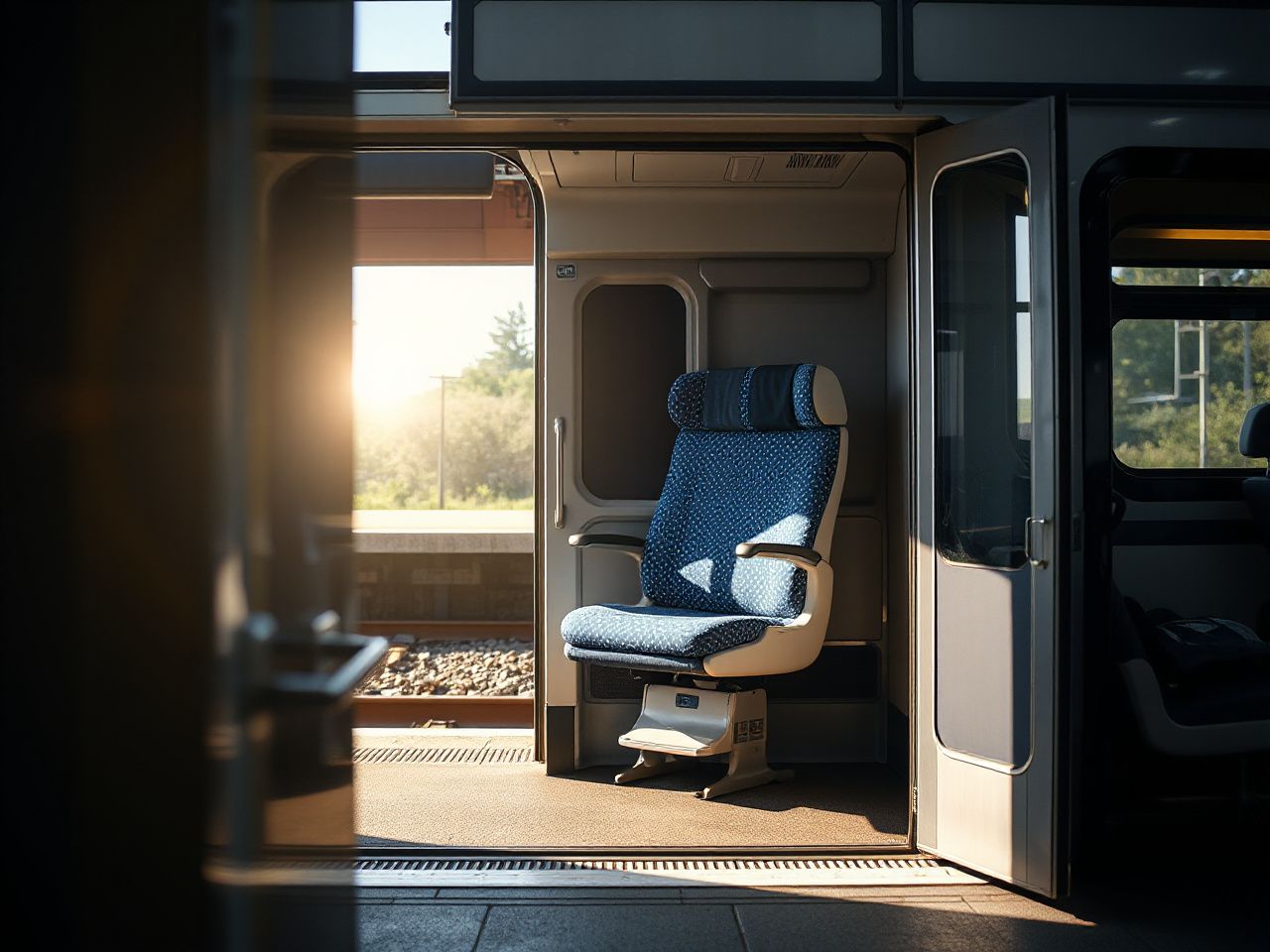
Coach Class is the standard seated accommodation on many Amtrak services. A typical coach arrangement may include reclining seatbacks, tray tables, footrests, overhead or nearby luggage storage, and power outlets, but the exact combination depends on the equipment assigned to the route. A seat assignment can identify your place in the coach without guaranteeing a particular view, seat orientation, uninterrupted outlet access, or a specific amount of nearby storage.
Amtrak coach seats are meant for sitting during the trip, not for private sleeping. Features like reclining seats and footrests can make a long ride more comfortable, while tray tables give you a surface for eating, reading, or using a device. These features don’t turn a coach seat into a roomette or bedroom. Passengers planning overnight travel should look into the space and privacy options of an Amtrak roomette before booking.
Coach seats are part of a moving train, so the surrounding space has a practical purpose. Clear aisles make boarding and moving around easier. Luggage areas need to stay accessible, and space for passengers with mobility devices should be kept open. A seat may look comfortable but isn’t always the best choice if it interferes with those functions.
Reclining seatbacks, tray tables, and footrests
Reclining seatbacks usually move within a limited built-in range instead of lying flat. The travel of the backrest depends on the coach design, and Amtrak does not have a universal reclining measurement for all trains. Check the seat mechanism and ask crew about faults if the backrest won’t move, moves unevenly, or won’t stay in position.
Tray tables fold into or near the seatback and should close securely when you leave. A loose hinge, broken latch, sharp edge, or a table that won’t stay stowed is a maintenance issue. Don’t force the mechanism, remove panels, or put weight on a damaged table.
Footrests can support your lower legs, but their placement depends on the coach. A footrest shouldn’t block space needed by others or be used for large bags. Small belongings should stay under control at your seat, while big luggage belongs in designated storage areas.
Power outlets and other seat features
Power outlets, reading lights, and similar conveniences are not guaranteed in the same form on every Amtrak coach. An outlet might be near a seat rather than directly beside it. A seat assignment doesn’t promise uninterrupted access if another passenger needs a shared outlet. Bring a charged device and treat onboard power as a convenience, not your only plan.
Seat features can differ between a Northeast Regional train and an Amtrak long-distance train. Layouts may change the position of windows, luggage racks, tables, and accessible areas. The best way to verify details is to review the current trip information, check the coach after boarding, and ask a crew member if anything is unclear.
How to choose a coach seat before boarding
Step 1: Confirm the train and assignment practice
Start with the exact service shown on your reservation. A route name alone may not tell you which coach arrangement will be used, and seat-assignment practices can differ by service. Some trips may provide an assigned place, while others may handle seating through station boarding procedures or crew direction. A coach fare and a seat assignment are related, but they are not a promise that every preferred location is available or that changing seats will be free.
Check the reservation details before traveling and look for the seat-assignment info. If the booking system shows a seat, note it down, but keep the assignment on your phone or in your travel documents. If no seat selection is available, be ready to follow station and onboard instructions rather than choosing a seat ahead of time.
Seat assignments are about operational efficiency and comfort. The assigned spot might help with boarding, but it doesn’t guarantee a view, a particular direction of travel, or an outlet right next to you.
Step 2: Match the seat location to your luggage
Plan the space needed for each item before boarding. Small bags, coats, books, or devices can usually stay under your seat, but large luggage should go in designated racks or marked storage areas. Bags must not block aisles, doorways, exits, neighboring seats, or access equipment.
This is especially true for motorcycle transport. A motorcycle, crate, or oversized shipment isn’t suitable at a coach seat; it needs a separate arrangement and proper paperwork. Passenger baggage rules and vehicle shipping rules differ, so check the current Amtrak baggage info for your specific service instead of assuming a coach ticket covers cargo.
A clear luggage plan can be more useful than choosing a seat solely for a window. If your bag must be placed in a rack away from your seat, keep documents and essential personal items with you. Customs paperwork, identification, medication, and travel records should not be buried in a large bag that may be stored separately during boarding.
Step 3: Check accessibility needs early
Accessible seating and spaces for mobility devices have different needs from regular coach seats. They shouldn’t be treated as general preferred seats. If you need extra space, wheelchair access, help with boarding, or a specific spot for a mobility device, contact Amtrak accessibility services beforehand and describe what you need.
Accessible areas must stay open for the passengers who need them. Don’t put luggage in a mobility-device space or use an access area as storage. Moving a passenger’s equipment to make room for a preferred seat isn’t acceptable. A passenger who needs accessible accommodations should get guidance based on the train and trip, not just a generic seat map.
The U.S. Department of Transportation offers federal transportation info. The U.S. Access Board provides accessibility guidance for buildings and transport. Those sources are helpful for general principles, but Amtrak must verify the actual arrangement for each train and reservation.
Step 4: Decide what matters during the ride
Choose based on the trip you are actually taking. A passenger working on a laptop may care about a usable tray table and nearby power, while someone carrying a small child may need easier access to bags and the aisle. A passenger planning to sleep may care more about recline and foot support than a particular view.
There’s no one perfect seat, since the best spot depends on your needs and the train’s layout. Near a doorway can make boarding easier but might mean more movement around you. A seat near a luggage rack is convenient for access but could put you close to passengers retrieving bags. The arrangement you see after boarding is your best guide to what’s around you.
How coach layouts and classes differ
Not every Amtrak coach has the same layout
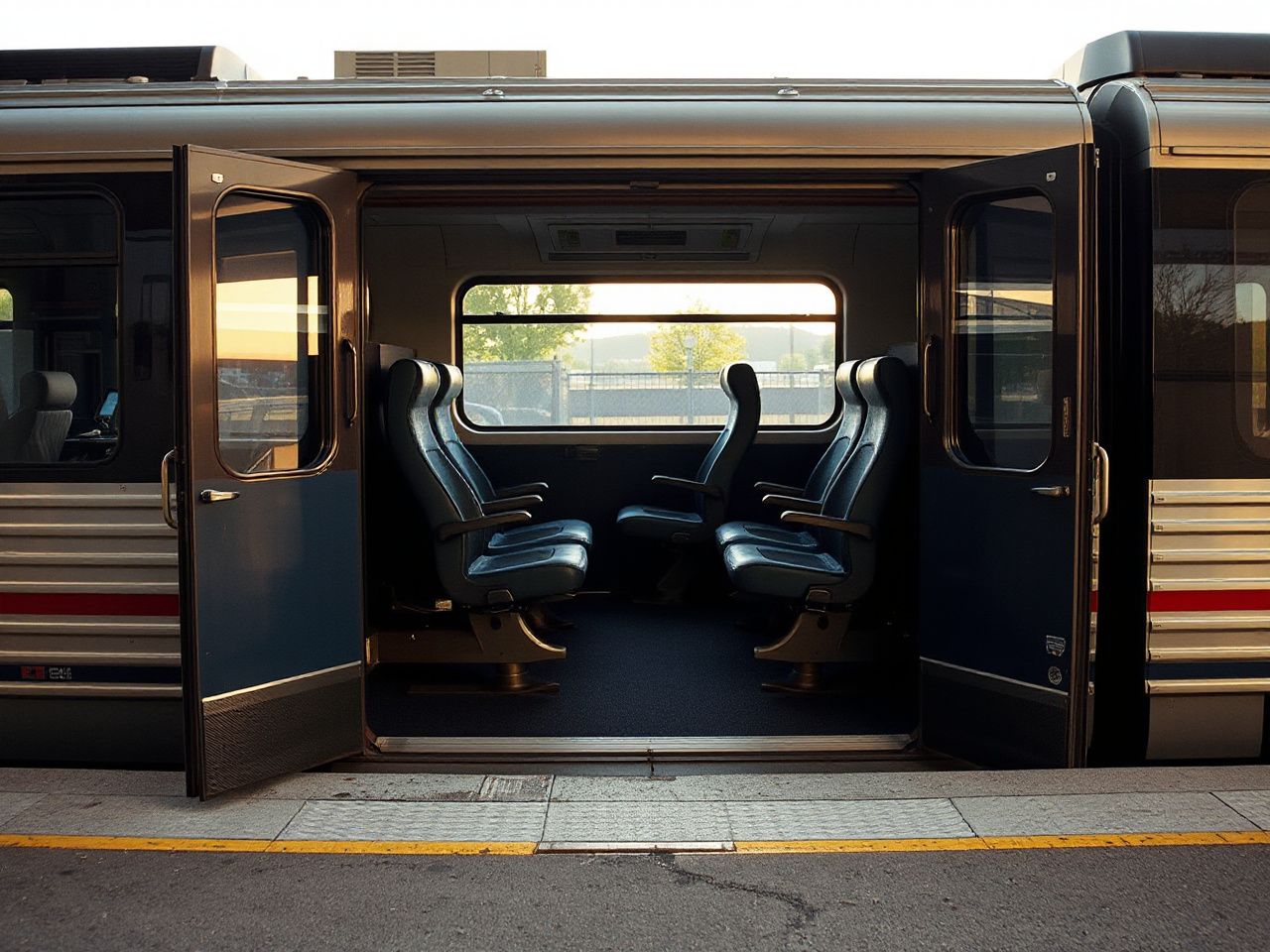
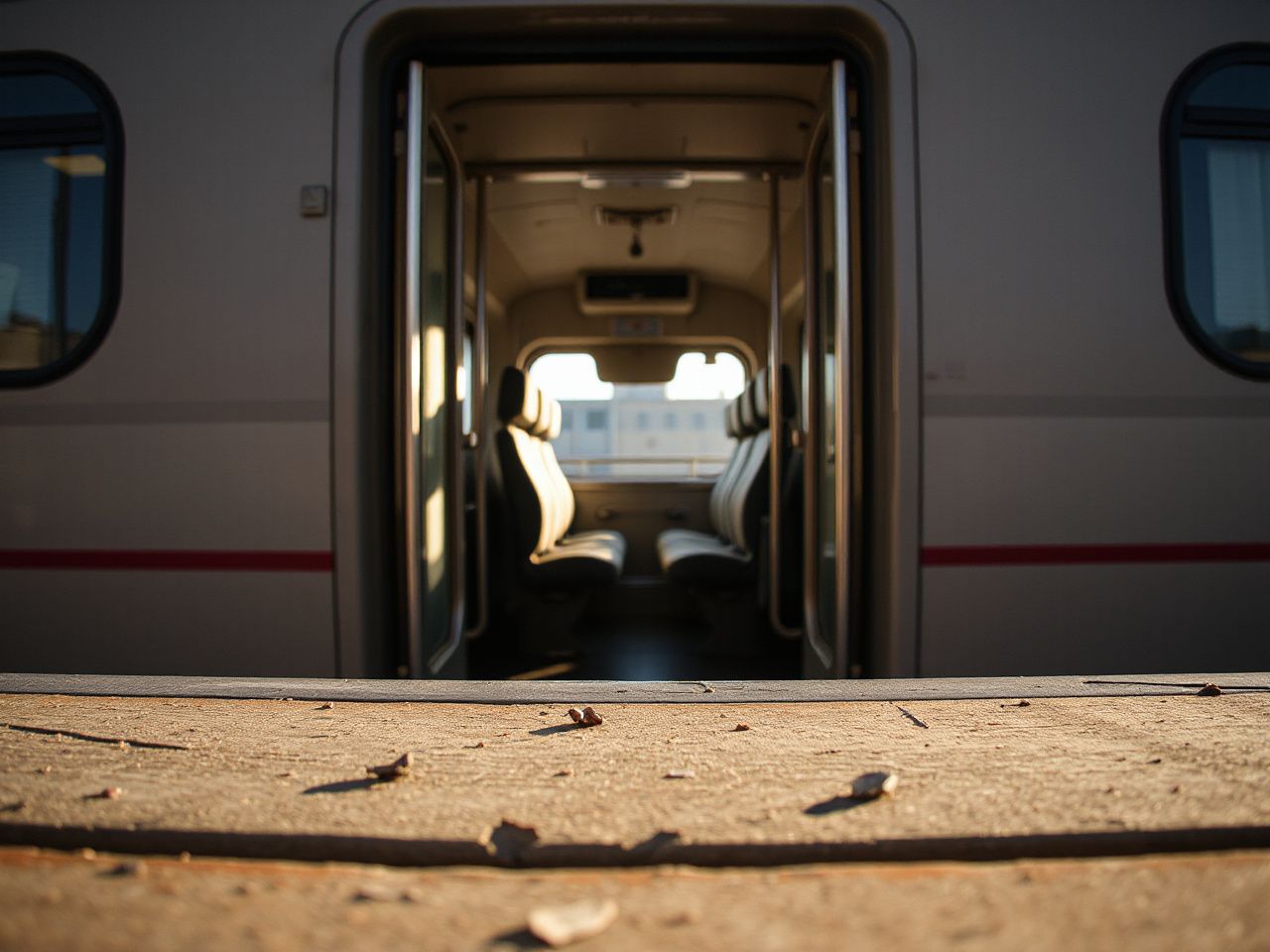
Amtrak coach layouts vary by route, train type, and equipment. The spacing of seats, position of luggage racks, location of accessible areas, placement of power outlets, and view through the windows may change between services. A photograph or diagram from one train should not be treated as a promise about another.
Passenger cars on standard gauge railroads are usually between 60 ft (18.3 m) and 70 ft (21.3 m) long. But that doesn’t tell you how a specific coach is configured inside. The usable seat layout depends on the particular equipment and service.
A stainless-steel passenger car might stay mostly unpainted because of legal rules, aside from necessary reporting marks. Exterior look doesn’t reliably reveal the coach interior, seat features, or luggage arrangements.
Coach Class and Business Class
Coach Class is generally the standard seating option, while Business Class is a separate category with its own rules and availability. The difference isn’t just a single seat design across all trains. Check the reservation details and onboard service info for your route rather than assuming a feature belongs to one class everywhere.
An assigned Business Class seat isn’t automatically the best choice for every passenger, and a Coach Class seat isn’t always unsuitable for a long ride. Space, schedule, luggage needs, and seat features should guide your decision. For a clear explanation of the class difference, read the practical guide to Business Class on Amtrak.
Roomettes and bedrooms are different from seated classes because they offer private accommodations instead of regular coach seats. That matters for overnight planning, rest, and luggage organization. If you need privacy, compare the types of accommodations, not just how much a coach seat reclines.
Seat assignment does not equal seat control
A seat assignment shows the spot the railroad has allocated, but it doesn’t give you control over the surrounding area. Another traveler might need a shared outlet, crew may direct passengers during boarding, and accessibility needs can limit available spaces.
What to do when a coach seat goes wrong
Damaged, dirty, or unsafe-looking seats
Inspect the seat area as you board without holding up the line. Check for visible spills, loose hardware, a tray table that won’t stow, a recline control that doesn’t work, or a seat cushion that looks damaged. Report any dirt or damage to onboard crew so they can decide if cleaning, a seat change, or repairs are needed.
Passengers shouldn’t try to fix issues while the train is moving. Don’t tighten unknown hardware, force a recline, detach a tray table, or use personal tools on the seat. A crew member can evaluate the problem and see if another seat is available.
A damaged seat is a service issue, not a reason to block the aisle or occupy an accessible space without permission. When reporting the problem, be specific: identify the seat, describe the visible defect, and explain if it affects sitting, reclining, storage, or access.
An assigned seat is already occupied
Double-check your assignment before confronting another passenger. Boarding changes, unclear seat numbers, or a passenger reading the wrong row can cause confusion. Show your assignment politely and ask if the seat number matches the one displayed.
If the issue isn’t resolved quickly, contact a conductor or onboard crew member. Don’t force a passenger to move, claim an accessible space, or handle someone else’s luggage. Crew can verify the assignment and guide both of you to the right place.
A seat is uncomfortable or the recline is stuck
Test the seat controls gently. Keep the seatback upright during boarding if you’re asked to. A stuck mechanism might be a fault, a locked position, or a feature that differs from what you expect. Ask crew for help instead of repeatedly pulling the control.
If you want to change seats, availability depends on the service, how many passengers are onboard, and accessibility needs. A change might not be possible. Don’t assume that an empty-looking seat is available for you. The crew’s instructions control how the seats are arranged.
Spills, blocked aisles, and luggage problems
Tell crew about any spill, blocked doorway, obstructed aisle, or luggage that can’t be stored safely. Large luggage must stay in designated storage areas, not beside a seat where it could block another passenger or an exit route.
If your bag doesn’t fit in the storage area, ask crew before putting it somewhere else. Don’t squish it into an unsuitable space or leave it in the aisle. Never assume that an empty seat nearby can be used as a luggage rack.
Practical boarding plan for coach passengers
Before leaving for the station
- Save the reservation details and note whether a seat assignment is shown.
- Separate small personal items from large luggage before boarding.
- Keep identification, travel documents, customs paperwork, and essential medication accessible.
- Review accessibility needs with Amtrak before the trip instead of relying on a general seat diagram.
- Check whether the service has special baggage or boarding instructions.
Your seat area should only hold items needed during the ride. Large luggage belongs in designated racks. Smaller possessions should stay under your control and out of aisles, doorways, exits, and neighboring seats.
At the station
Follow station boarding instructions, especially if the service uses a specific order or assigns seats while boarding. Keep your seat assignment ready for staff or crew. Don’t stop in a doorway to reorganize your bag; move out of the way first.
Boarding patterns can influence which luggage racks fill first and how quickly you reach your seat. If you’ve separated a small personal bag from larger luggage, you can sit down without leaving items in the aisle.
After taking the seat
Check that the seat number matches your assignment. Put large luggage in the marked storage area. Check the tray table, recline control, footrest, and nearby outlet without forcing any mechanism. Report issues early, before the train leaves the station.
Keep the aisle clear throughout the journey. A clear coach aisle helps passenger movement and lets crew reach the seats and door areas. If another passenger’s belongings block access, ask crew for help instead of moving the items yourself.
During a long-distance trip
Long-distance coach travel needs a simple rotation of personal items. Keep what you’ll need next within reach, put unused belongings back in your bag, and avoid spreading things across the seat, tray table, floor, and nearby space.
Passengers using onboard bathrooms should take valuables with them or secure them properly before leaving the seat. For route-specific info about facilities, check the guide to Amtrak bathrooms and what to expect onboard.
Power outlets can be helpful, but sharing means courtesy is needed. Don’t unplug another passenger without asking, and avoid routing charging cables across aisles or walkways. A seat assignment doesn’t give exclusive control of a shared outlet.
Frequently Asked Questions
How far back do Amtrak coach seats recline?
There is no single reclining measurement that applies to every Amtrak coach. Reclining travel depends on the train type and equipment assigned to the route. Coach seats may include reclining seatbacks and footrests, but passengers should use the built-in control gently and ask crew about a seat that will not move or remain in position.
Are seat assignments included with an Amtrak coach fare?
Seat-assignment practices differ by service, so a coach fare doesn’t mean one universal rule. Your reservation might show an assigned seat, or station and onboard procedures may guide seating. An assignment may indicate a coach location but doesn’t guarantee a window, outlet, view, or orientation, or allow seat changes without crew approval.
What should I do if my assigned coach seat is damaged or occupied?
Check your assignment, describe the issue politely, and contact onboard crew if it remains. Crew can verify if a seat is occupied, assess a damaged tray or recline mechanism, and see if another seat is available. Don’t try to fix the seat, move someone’s luggage, or claim accessible seating as a substitute.
Can I keep large luggage beside my Amtrak coach seat?
Large luggage should go in designated storage areas, not beside a coach seat. Keep aisles, doorways, exits, neighboring seats, and accessible spaces clear. Small personal items can stay at your seat, but if a bag can’t be stored as directed, ask crew for help instead of leaving it in the way.
Are power outlets and reading lights guaranteed at every coach seat?
No single arrangement applies to every Amtrak coach. Power outlets, reading lights, tray tables, and footrests can vary by route, train type, and equipment. A seat assignment may not guarantee direct or uninterrupted access to an outlet. Always check the actual coach and ask the crew about missing or defective features instead of trying to change the seat.
Amtrak coach seats work best when the passenger treats the seat, luggage area, assignment, and accessibility requirements as connected parts of one plan. Verify the service-specific details, keep large baggage out of passenger pathways, and report problems promptly. These simple checks matter more than assuming every coach has the same layout.