Tandem Parachute Before You Start: What to Know First
Contents
A tandem parachute jump can reach speeds as high as 120 mph, followed by a controlled descent under canopy. Freefall usually lasts 40–60 seconds. But the speed and scenery are just part of the experience. The main difference is that a tandem parachute is an integrated system: the drogue, harness, container, main canopy, reserve, and instructor procedures all work together. Describing just the canopy gives a misleading picture. A good guide should separate passenger responsibilities from instructor duties and explain how deployment problems, harness fit, and landing technique influence the whole system.
Key Takeaways
- The tandem instructor deploys and controls the parachute; the passenger follows instructions, keeps the required body position, and reports fit or medical concerns.
- The drogue stabilizes the pair during freefall and supports the deployment sequence, while the main and reserve canopies form part of a larger inspected system.
- Weather, body size, mobility, clothing, understanding of instructions, and landing posture can determine whether a jump should proceed.
What a tandem parachute system actually does
The complete system, not just the canopy
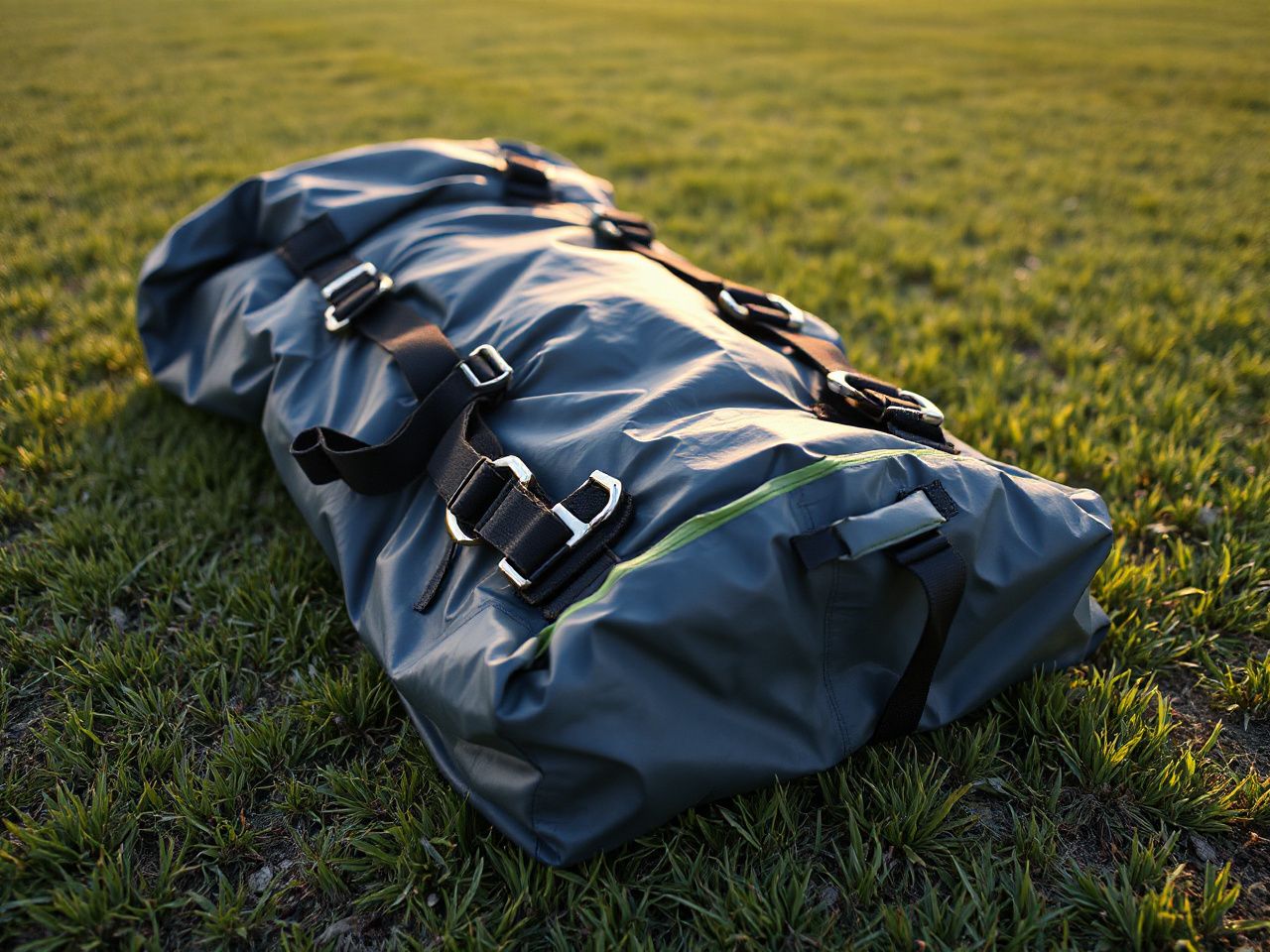
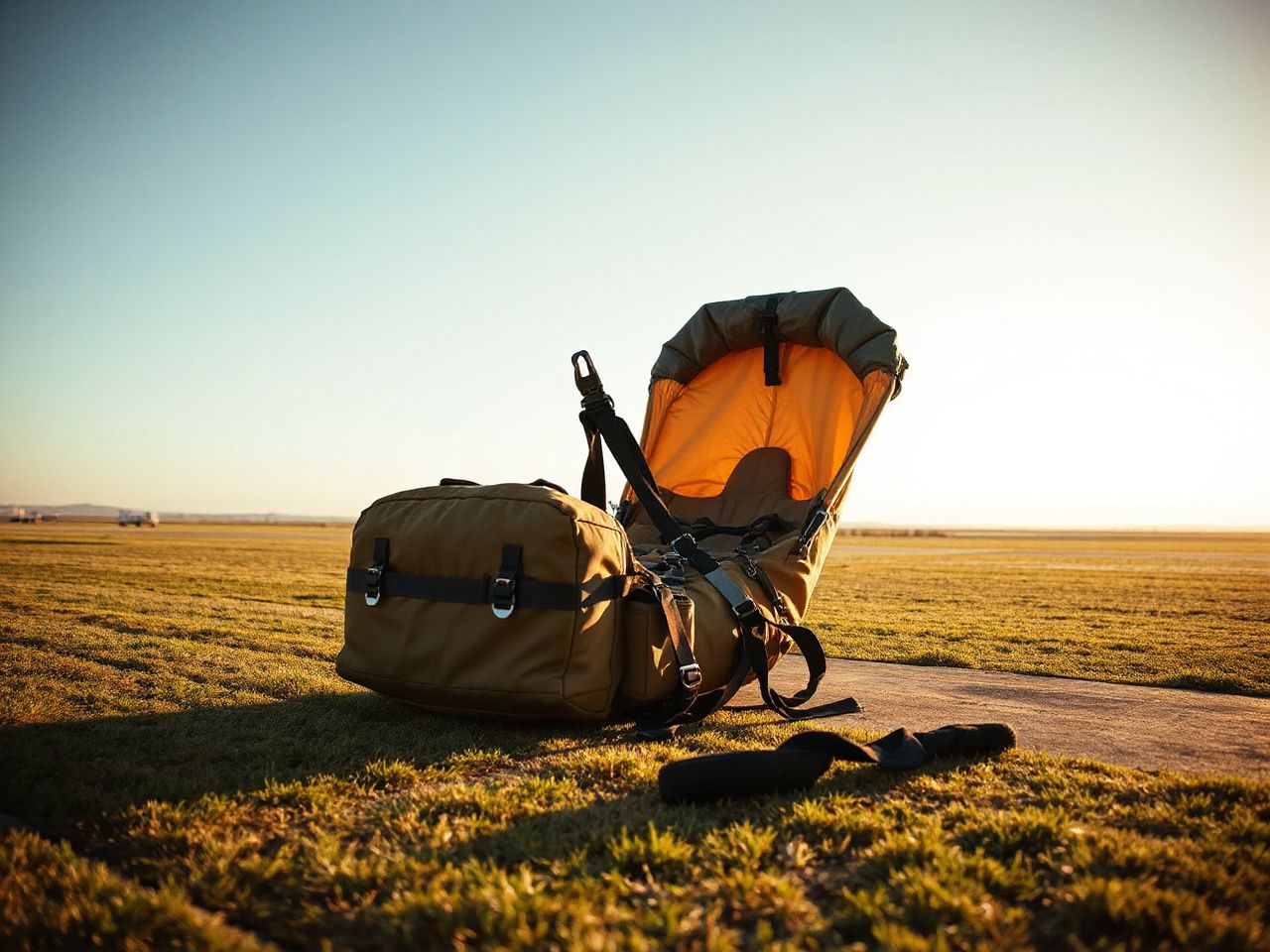
A tandem setup connects two people to one parachute system. The container holds the main canopy and reserve parachute. The passenger restraint system links the passenger to the tandem instructor and the gear. The drogue parachute, drogue release system, deployment controls, reserve deployment handle, and canopy are all parts of one operating sequence.
A tandem parachute system depends on coordinated equipment and procedures. It’s not just about the fabric canopy alone. The container stores the packed parachutes. The drogue helps manage the pair during freefall. The instructor makes the decisions that control deployment and flight.
The passenger doesn’t steer the jump independently. The tandem instructor is responsible for deploying and controlling the parachute. The passenger’s job is to listen, keep the required body position, and respond to signals or spoken directions. That division of responsibility should be explained during the briefing before boarding the aircraft.
Exit, freefall, deployment, and canopy flight
The experience begins with an aircraft exit in the position taught by the instructor. Passenger leg straps, chest restraint, hand placement, and body shape all matter during that transition. Poor positioning can affect stability and make communication harder.
After exit, the drogue parachute stabilizes the pair during freefall. It also plays a key role in slowing down and starting the tandem deployment sequence. Speeds can reach as high as 120 mph. Freefall lasts between 40 and 60 seconds, depending on the jump plan and conditions.
Once the main canopy is deployed, the jump’s character changes. The instructor checks the canopy, manages the descent, and prepares for landing. The passenger should keep the instructed position, avoid grabbing lines or equipment, and speak up if they experience pain, slipping, or confusion.
Jump plans usually maintain an altitude between 10,000–15,000 feet. The exact altitude can change based on the operator, aircraft, weather, and site. The briefing should explain what the passenger will hear and feel at each stage, rather than promising the same sequence everywhere.
How tandem equipment differs from solo equipment
Solo skydiving gear is used by one trained jumper. They learn deployment, canopy control, emergency procedures, and landing techniques. A tandem system is built for an instructor and passenger to work together. The passenger gets a different restraint setup and doesn’t control the routine parachute tasks.
Static-line parachuting and tandem skydiving also place different demands on the participant. Static-line training involves its own instruction and deployment method, while tandem skydiving places the instructor in charge of the flight and gives the passenger a defined set of body-position and communication tasks.
A tandem rig has both a main canopy and a reserve canopy. Reserve gear doesn’t eliminate the need for correct fit, thorough inspection, clear emergency procedures, or an instructor who can make sound decisions as conditions change.
Passenger duties and fit before the jump
What the passenger controls
The passenger manages a small but important part of the system: attention, body position, communication, and cooperation. The instructor controls deployment, canopy flight, traffic decisions, and the landing approach. An improvising passenger can make routine instructions harder to complete.
- Listen to the full briefing before asking to board.
- Keep the instructed arch or body shape during exit and freefall.
- Keep hands and feet where the instructor directs them.
- Report loose, painful, twisted, or slipping straps immediately.
- Follow the landing position and slide instructions rather than standing up early.
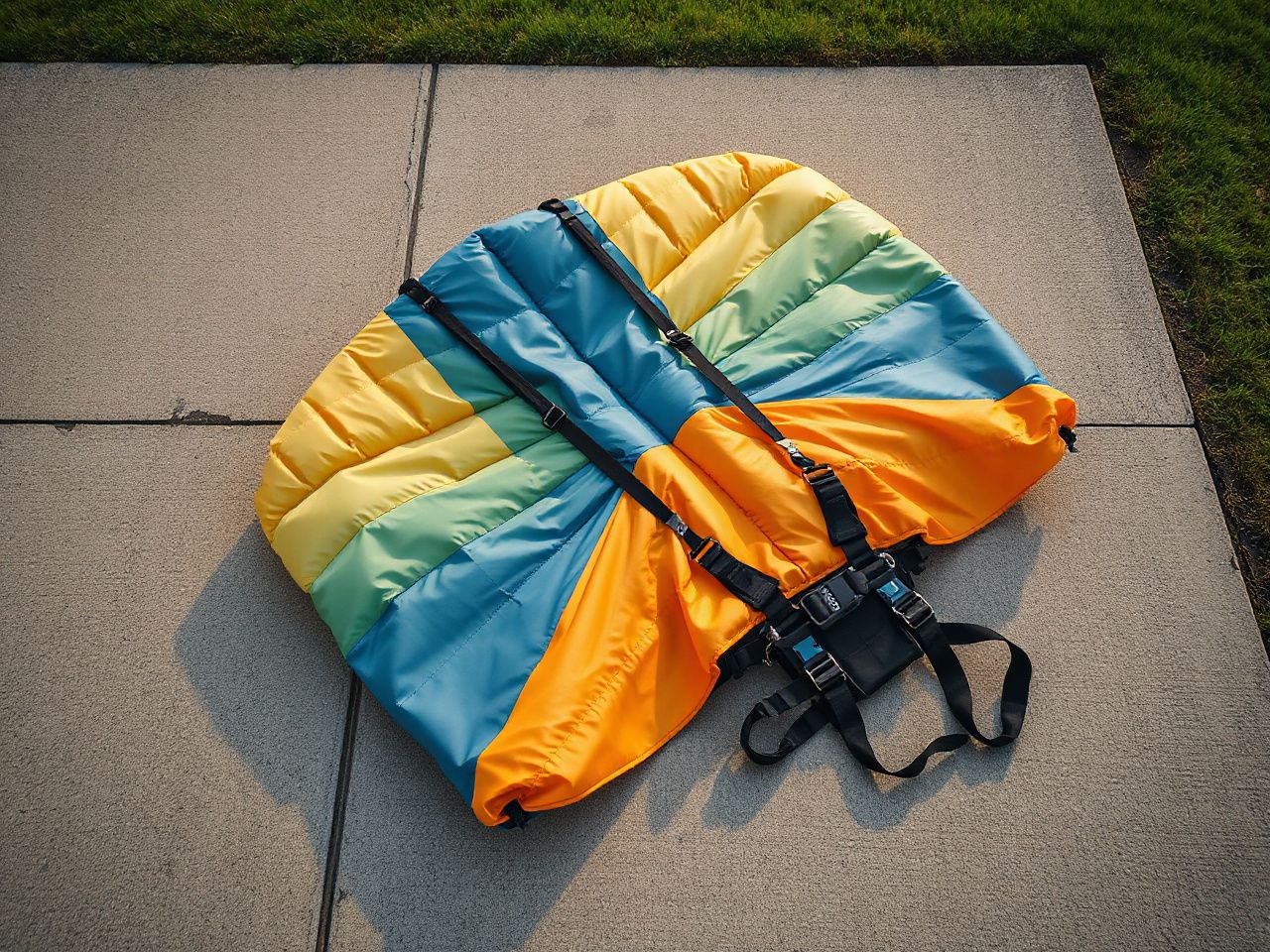
Passenger leg straps and the chest restraint are safety-critical points, not comfort features. A loose feeling, pressure in an unusual spot, or shifting straps should be checked before takeoff. The instructor needs time to correct the fit and decide if the jump remains safe.
How the restraint system should feel
The passenger should be able to describe where the straps sit and if anything feels unstable or painfully tight. Fit depends on body shape, clothing, mobility, and the operator’s equipment. A passenger should never adjust a strap on their own after the instructor has fitted it.
Clothing affects movement and access to the proper position. Bulky layers, loose items, or footwear that could make a landing slide difficult should be discussed with the operator beforehand. The goal is to follow instructions freely without loose material interfering with the gear.
Body size influences eligibility. Tandem limits usually set a lower threshold of 35–40 kg (77–88 lbs) and an upper limit of 100–120 kg (220–265 lbs). But the specific limit depends on the operator and the equipment that day. Always check the operator’s current policy rather than relying on general figures. The guide to common mistakes around parachute jump weight limits can help with questions to ask before booking.
Health, mobility, and understanding instructions
Weather, health conditions, mobility, clothing, and the ability to understand instructions can determine whether a tandem jump should proceed. A passenger should disclose relevant medical concerns and movement limitations to the operator before arrival. Don’t wait until the aircraft is ready to mention these issues.
Mobility matters because the passenger must enter the aircraft, reach the exit position, maintain the taught posture, and adopt the landing position. Someone who can’t safely do one of those actions may need a different plan or might be advised not to jump. The operator should explain the decision plainly, so there’s no confusion.
Fear alone doesn’t tell an instructor if a jump is suitable. Practical questions are more useful: Can the passenger understand the briefing? Can they communicate discomfort? Can they follow the body-position and landing instructions? If there’s any doubt, postponing is a responsible choice.
Deployment problems, inspection, and operator choice
What happens if the drogue or main canopy has a problem
The drogue parachute plays a specific role in tandem freefall and deployment. If it doesn’t deploy as expected, the instructor follows the emergency procedure instead of asking the passenger to fix the problem. The passenger should keep the taught body position, listen carefully for commands, and only reach for handles if the instructor directs them.
A main-canopy problem is handled by the tandem instructor through the system’s emergency procedures. The rig includes a reserve parachute and a reserve deployment handle, but the passenger shouldn’t pull a handle out of curiosity or try to diagnose the canopy issue. The instructor will decide whether the reserve sequence is needed.
An automatic activation device might be part of the rig’s emergency plan, but its presence doesn’t transfer responsibility to the passenger. Ask the operator what emergency actions they expect the passenger to know, which signals the instructor will use, and what position to maintain if the plan changes.
Emergency procedures are specific to the equipment used. A passenger should get instructions from the tandem instructor using the actual system prepared for that jump, not from a generic internet checklist.
Inspection and maintenance questions
Parachute equipment requires packing, inspection, and maintenance by qualified personnel according to the rules and procedures for the operation. A passenger might not be able to judge a packed canopy visually. Still, they can ask who is responsible for the inspection, how the operator records equipment checks, and what happens if a component is removed from service.
The United States Parachute Association offers safety and training info for the sport in the U.S. Its materials can help a passenger understand briefing language, but the operator is responsible for explaining the specific equipment and procedures for the jump.
For aviation-related operational info, the Federal Aviation Administration is the right government body to check. A passenger should also ask the drop zone about its rules, aircraft, weather policies, and emergency communication plans.
Maintenance records matter because equipment can be affected by use, storage, packing, moisture, and inspection results. A reputable operation should be willing to explain its process without treating basic safety questions as an inconvenience.
How to judge an operator and instructor
Choose an operator that gives clear answers before payment and doesn’t pressure a passenger to continue if there’s a concern about fit, health, weather, or understanding. The instructor should explain the passenger’s role, the limits of the experience, and what to do if a deployment happens in language a first-time jumper can repeat.
- Ask which body sets or oversees the operator’s training and safety framework.
- Confirm the applicable weight range before making travel plans.
- Ask how weather changes affect the schedule and what happens if the jump is postponed.
- Ask who controls the parachute and what the passenger must do during deployment and landing.
- Confirm that equipment concerns can be raised without pressure to proceed.
Remote destinations need extra attention. An unmarked trail or isolated landing zone might offer the raw discovery I value, but remoteness can also mean slower access, fewer facilities, and more weather changes. Adventure is a reason to check the plan carefully, not to ignore basic questions.
Landing technique, weather, and the decision to proceed
What to do during the landing approach
The instructor controls the landing approach. The passenger should keep their legs and body in the position taught during the briefing, protect the instructed areas, and wait for the command to move. Standing early is common because the ground looks close, and the passenger wants to help.
A passenger should expect the instructor to explain whether the landing involves a slide and how to position the legs. The right move is to follow that specific instruction, not copy someone else or change posture at the last moment.
Landing posture affects the whole pair because the instructor and passenger are connected. A passenger who drops the legs, reaches down, or tries to stand before being told can change the body position at the most critical part of the jump.
The tandem instructor controls the final approach, but the passenger decides whether to keep the landing position taught. This shared setup is why a passenger’s cooperation stays important after the canopy opens. The passenger’s role continues during descent.
Weather and surface unpredictability
Wind, cloud cover, visibility, rain, and changing conditions can alter the jump schedule or cancel it altogether. An operator should decide based on current skydiving weather limits and the landing area, not on a passenger’s travel plans. Safety takes priority.
Surface conditions at remote sites need attention. Uneven ground, loose material, mud, or a narrow landing zone can change how the instructor plans the final approach. The passenger can’t improve the landing area by improvising; listening and maintaining the required posture is best.
Ask what happens if the weather changes after arriving. A clear postponement policy is more useful than a promise that the jump will happen on a specific day. If the operator can’t give a plain answer, treat that uncertainty as part of the decision.
Cost over time and the next step
A single price doesn’t apply to every tandem operation, and the verified info here doesn’t support a reliable quote. A passenger should ask for the total charge and clarify if repeat jumps, training, transport, video, weather postponements, and equipment fees are separate.
A tandem jump usually needs less passenger training than solo skydiving because the instructor controls the parachute. Someone interested in continuing may later ask about tandem skydiving training, solo instruction, or static-line parachuting, but next steps depend on fitness, goals, local rules, and available training.
A first jump is no longer suitable when the passenger cannot meet the operator’s weight or mobility requirements, cannot understand the instructions, has a medical concern that has not been cleared for participation, or faces weather that makes the plan unsafe. Postponing is a sound decision when the conditions or the passenger’s readiness are wrong.
The complete guide to tandem skydive meaning offers a useful starting point for understanding how passenger experience differs from the instructor’s technical duties. This helps prevent unrealistic expectations before booking.
Frequently Asked Questions
How does a tandem parachute work from exit through landing?
The pair exits together, and the drogue parachute stabilizes them during freefall while supporting the deployment sequence. The tandem instructor then deploys and checks the main canopy. They control the descent and manage the landing approach. The passenger follows the briefing, keeps the required body position, communicates problems, and adopts the instructed landing posture.
Who controls the parachute during a tandem skydive?
The tandem instructor controls deployment, canopy flight, emergency decisions, and the landing approach. During a normal jump, the passenger does not steer the system. Passenger responsibilities are still important: follow directions, keep the required position, avoid touching equipment without permission, and report discomfort or a loose strap before the jump continues.
What happens if the drogue does not deploy or the main canopy has a problem?
The tandem instructor follows the emergency procedure for the equipment in use. The rig includes a reserve parachute, and a reserve deployment handle is part of the system. The passenger should not pull handles or diagnose a canopy problem independently. Listen for the instructor’s commands, maintain the taught position, and follow the specific briefing given before exit.
How should a passenger’s restraint system fit?
Passenger leg straps and the chest restraint should feel secure without causing unexplained pain, slipping, twisting, or instability. Fit depends on the person, clothing, and equipment, so the instructor must make the final adjustment. Speak up before boarding if anything feels wrong, and do not loosen or reposition the straps yourself after fitting.
How do weather, body size, and mobility affect a tandem jump?
Weather can postpone or cancel a jump, while body size must stay within the operator’s stated range. Mobility affects aircraft boarding, exit position, freefall posture, and landing technique. The ability to understand instructions also matters. Share relevant health and mobility information early, then accept postponement or cancellation if the operator says the jump isn’t suitable.