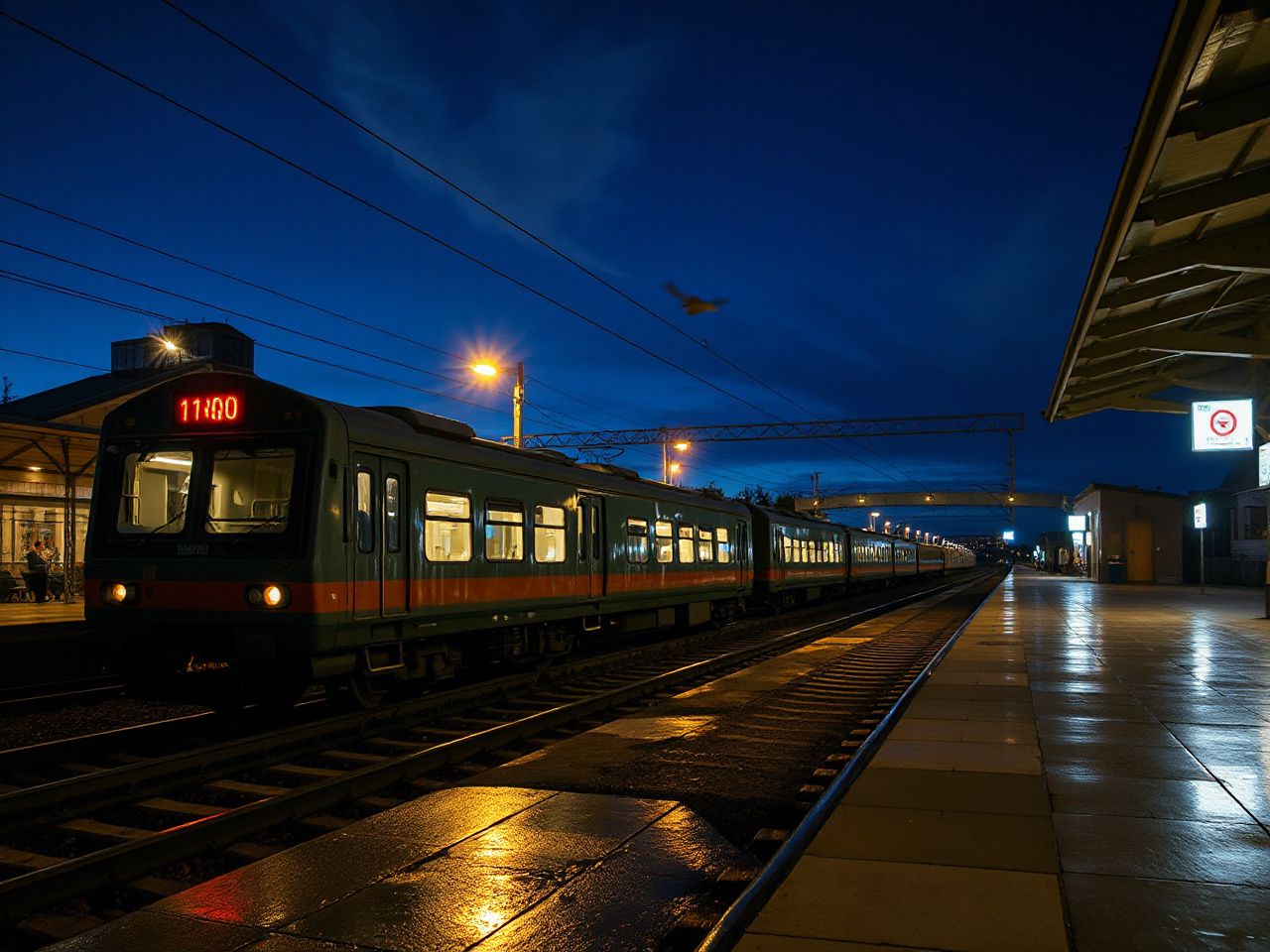
Night Train Europe Explained: Your Complete Guide
Contents
Standing on a cold platform at 2 a.m. because your night train left without you is not an adventure; it is a failure to plan that costs you a full day of travel. Too many people treat European overnight rail as a simple shuttle, only to discover that a missed reservation, a wrong assumption about seating, or an expired route schedule turns a money-saving trick into a logistical nightmare. That is why every night train in Europe deserves the same mission planning I give a cross-continent motorcycle haul.
When I began mapping rail options for clients who also ship motorcycles, I assumed all night trains were interchangeable. I was wrong. The key distinction a beginner misses is that night trains in Europe are not a uniform product. Comfort, pricing, and booking rules vary wildly between operators like NightJet and SNCF, and even between individual services. Understanding the accommodation hierarchy—from seated cars to private cabins—is essential, as is recognizing that many routes are seasonal or require advance booking. A knowledgeable traveler also knows that reservation requirements and pass acceptance differ, so checking the specific train’s terms is non-negotiable.
This guide applies the same route-planning discipline I use for motorcycle transport: verify every variable before you commit, build in redundancy, and know your bail-out points.
Key Takeaways
- Night train comfort and booking rules vary by operator; always verify the specific train’s accommodation and reservation requirements.
- Many night trains require a mandatory reservation even with a Eurail or Interrail pass, and berths sell out early.
- Pack as if you are camping—most night trains have no showers, limited food, and require printed paper tickets.
How a Night Train in Europe Actually Works
Before you book anything, you need to know what you are actually getting on board. European night trains break down into two broad categories: the modern services run by ÖBB NightJet, which dominates central and western routes, and the French SNCF Intercités de nuit, which covers domestic and some cross-border lines. Some older brands like City Night Line have been discontinued, so a route that worked five years ago may no longer exist. Always check current schedules on the operator’s own website.
Accommodation Hierarchy: From Seat to Private Cabin
The single most important decision is where you sleep. At the bottom is a standard seated car, which is cheap but offers almost no rest. Above that is a couchette compartment, which typically holds either 4 or 6 berths in a shared space with basic bedding. A couchette gives you a flat surface, but you share the room with strangers and may have to climb over people to reach a middle or top bunk. The top tier is a sleeper compartment, which offers 1 to 3 beds with more privacy, often a washbasin, and sometimes a private toilet or shower in the deluxe versions. The ÖBB NightJet accommodation overview shows the exact configurations for each train type, because they differ between routes.
Here is the breakdown in simple terms:
- Seated car: reclining seat, no bedding, lights stay on all night—last resort.
- Couchette: berth with sheet and blanket, shared space, gender-specific or mixed upon request.
- Sleeper: private cabin, sink, sometimes breakfast and a private toilet.
A couchette compartment typically has 4 or 6 berths in a shared space, while a sleeper compartment offers 1 to 3 beds with significantly more privacy.
Pass Acceptance and Reservation Rules
If you hold a Eurail or Interrail pass, do not assume you can just hop on. Many night trains require a mandatory reservation, and that reservation costs extra money—often between €10 and €60 depending on the accommodation class. The pass itself covers the fare, but the reservation secures your specific bed or seat. Without it, you may be denied boarding even if the train is half empty. Check the Eurail night train guide for current reservation fees and accepted services. The rules differ by operator: NightJet accepts Eurail and Interrail passes but charges a supplement, while some smaller services like European Sleeper have their own pass agreements.
Many night trains require a mandatory reservation even if you hold a Eurail or Interrail pass, and the reservation fee is not included in the pass price.
What Recent Route Changes Mean for Planners
Night train networks have been volatile. Several routes disappeared in the 2010s, then some returned as demand for sustainable travel grew. Austrian Federal Railways (ÖBB) expanded NightJet aggressively, taking over several former Deutsche Bahn routes, while new entrants like European Sleeper launched Brussels-to-Berlin and Brussels-to-Prague services. The discontinued City Night Line brand is a reminder that no route is guaranteed. Before you commit, cross-check the operator’s website for seasonal service dates, because many night trains run only on certain days of the week or only during summer months. A train that runs daily in August may only run three times a week in November.
Booking a Night Train Like a Mission Planner
Booking is not just clicking a date. You need to think about timing, route choice, and what happens at the station. I treat every night train booking like a logistics plan: confirm the target, lock in the assets, and build a fallback.
Timing Your Purchase and Choosing Routes
Night trains sell out beds, not just seats. Private sleeper compartments go first, often weeks or months in advance on popular routes like Vienna to Venice or Paris to Nice. Couchettes fill next, and seated cars last. If you want a specific accommodation class, book early—at least 30 days out for peak summer travel. Some operators release tickets up to 180 days in advance, and early-bird fares can be half the last-minute price. Use the operator’s own booking engine rather than third-party sites, because you need to see real-time berth availability and select your exact compartment.
Follow these steps to lock in a berth:
- Identify your route and travel dates.
- Check the operator website for accommodation types and prices.
- Select berth type and gender preference if sharing a couchette.
- Pay attention to whether a reservation fee applies if you hold a rail pass.
- Print or save the confirmation according to the operator’s rules.
Private sleeper compartments on popular routes like Vienna to Venice often sell out weeks in advance, so booking early is the only way to guarantee a bed. If you are also planning rail travel stateside, our Top 5 Train to Fresno Routes for 2026 uses the same contingency-first approach, but European night trains require a different set of rules.
Paper Tickets and Station Arrival Protocols
Here is a mistake I see constantly: travelers arrive with a mobile ticket, then learn the operator requires a printed paper ticket. Many night train operators still do not support mobile boarding passes, especially for couchette or sleeper reservations. Print your ticket at home or at the station kiosk before you head to the platform. As for arrival time, unlike high-speed day trains where you can show up ten minutes before departure, night trains require more buffer. Aim to be at the station 30 to 45 minutes before departure if you already have a ticket, and 60 minutes if you need to print one or resolve a reservation issue. The platform number is often announced later than for day trains, so stay near the departure board.
Packing List and Onboard Survival Strategy
Most night trains do not have onboard showers or full meal service. The dining car, if there is one, serves limited snacks and drinks, not dinner. Pack as if you are camping: a small toiletries kit with wet wipes, a collapsible water bottle, earplugs, an eye mask, and a lightweight blanket if you run cold. Bring your own food—think bread, cheese, fruit, and a protein bar—because the onboard offerings are thin and sometimes run out. Wear comfortable clothes to sleep in, and keep your valuables in a small pouch that stays with you in the berth. A headlamp is better than a phone light when the compartment is dark and your bunkmate is asleep.
Advanced Routing, Scenic Lines, and Contingency Planning
Once you understand the basics, you can start optimizing. Night trains are not just about sleep; the right route saves you a hotel night and drops you in a destination at dawn, ready to explore.
Most Scenic Night Train Routes in Europe
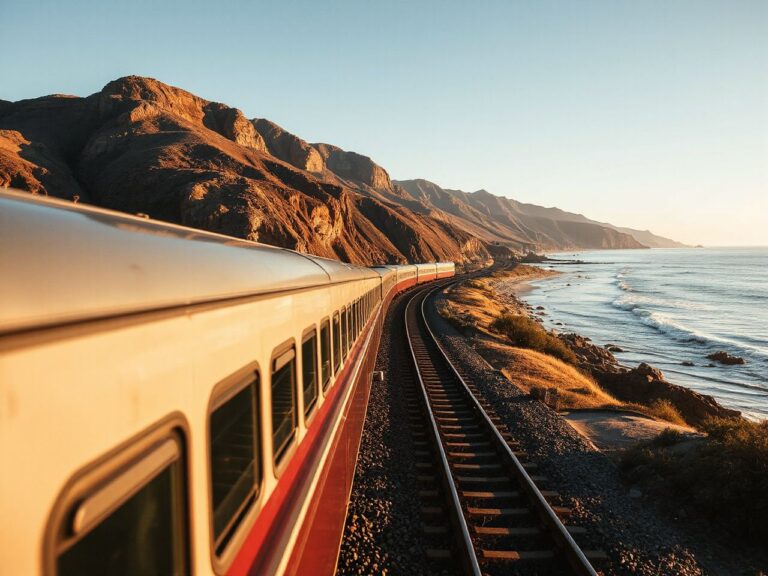
The most scenic night train in Europe is not a single route, but a handful that give you dramatic sunrise views as you wake. The NightJet from Vienna to Venice climbs through the Semmering Pass after departure, then crosses the Alps at night—you wake to the Venetian lagoon. The Intercités de nuit from Paris to Nice runs along the Côte d’Azur in the morning, with the Mediterranean on your left as you approach Nice. The European Sleeper’s Brussels-to-Prague service passes through the Elbe valley at dawn. If you want a guaranteed view, book a window berth and set an alarm for 45 minutes before arrival. These routes are also among the most popular, so reserve early. For a completely different rail experience, holidays by train in England offer daytime charm, but a night train across Europe gives you mountains and coastlines while you sleep.
The NightJet from Vienna to Venice and the Intercités de nuit from Paris to Nice are two of the most scenic night train routes in Europe, offering dawn views of the Alps and the French Riviera respectively.
Building in Connection Buffers and Delay Protocols
If you are using a night train as one leg of a longer journey, treat it as a critical link. Day trains in Europe can run late, and missing your night train means losing a hotel night and a full travel day. Build at least a 90-minute buffer between your arriving day train and your departing night train. If your incoming train is delayed and you miss the night train, what are your rights? Under the EU rail passenger rights, you may be entitled to rebooking on the next available service, but night trains often have only one departure per day, so the next service is tomorrow. For a mission-critical journey, consider booking the night train as a separate ticket rather than a through-ticket, because separate tickets give you more flexibility to reroute without invalidating the whole itinerary.
Solo Female Travel Safety on Night Trains
Night trains are generally safe for women traveling alone, but the safety comes from choices you make before boarding. Book a women-only couchette if the operator offers it; NightJet and some others allow you to select a female-only compartment during booking. If that option is not available, a private sleeper is worth the extra cost for both privacy and lockable doors. Keep your passport, money, and phone in a neck pouch or under your pillow. Tell someone your train number, carriage, and berth number before you depart. Most compartments have a lock, but the locks are simple and can be opened from the outside in an emergency, so do not rely on them for security. The real security is choosing a compartment with other women or a private cabin.
Most night train operators allow passengers to request a women-only couchette compartment, and this option significantly increases comfort and security for solo female travelers.
Frequently Asked Questions
How do I book a night train in Europe?
Book directly on the operator’s website—ÖBB NightJet or SNCF Connect—rather than third-party platforms. Select your route, date, and accommodation class (seat, couchette, or sleeper). If you hold a Eurail or Interrail pass, you still need to purchase a reservation, which is done through the pass provider’s reservation portal or the operator’s site. Print your ticket if required, and book early because berths sell out.
What’s the difference between a couchette and a sleeper compartment on a night train?
A couchette compartment has 4 or 6 berths in a shared space with basic bedding and no privacy. A sleeper compartment offers 1 to 3 beds, more space, often a washbasin, and a lockable door. Sleepers cost more but give you real rest. For couples or solo travelers wanting privacy, a sleeper is the better choice, while budget travelers often accept a couchette.
Do I need to reserve a seat on a night train in Europe, or can I just show up?
You always need a reservation for a berth—whether couchette or sleeper—and usually for a seat as well. Night trains are reserved-only for sleeping accommodation. If you have a Eurail or Interrail pass, you must purchase a mandatory reservation supplement. Showing up without a reservation often means you have no bed and may not be allowed to board.
Is a night train cheaper than a hotel plus a day train?
Often yes, especially if you choose a couchette or seated car. A private sleeper can approach the cost of a budget hotel, but you save a full travel day and arrive at your destination early. Compare the total cost: night train fare plus no hotel night versus day train fare plus one hotel night. For solo travelers, a couchette is usually the best value. If you are comparing rail options stateside, our best train to Omaha routes for 2026 shows similar cost-benefit analysis for daytime trips.
What should I pack for a night train journey across Europe?
Pack earplugs, an eye mask, a small toiletries kit with wet wipes, a water bottle, and snacks because most trains have no shower and limited food. Wear comfortable clothes you can sleep in. Bring a small lock for your bag, and keep valuables in a neck pouch. A headlamp or small flashlight helps when the compartment is dark and you need to find your berth.