The Complete Guide to Choosing a Midweight Base Layer in 2026
Contents
The thing beginners miss about base layers is that “midweight” is a spectrum, not a fixed spec. The real distinction lies in how the fabric balances trapped air against moisture transfer—a 200 g/m² merino blend behaves completely differently from a 150 g polyester grid in the same weather. That’s why evaluating fabric structure (knit, grid, brushed) and weight, rather than just the claimed category, is necessary before deciding if it truly fits the intended use. If you ride year-round in variable conditions, a midweight base layer is often the first piece you reach for.
After 500-plus miles of gravel, rain, and desert heat, I care less about how a garment feels on day one. Show me how it holds up after a dozen wash cycles and a summer of saddle time. That perspective shapes everything below, so consider this a field note rather than a spec sheet recital.
Key Takeaways
- Midweight means roughly 150–250 g/m² for most brands, but the number is not standardized—fabric structure matters as much as raw weight.
- A snug, next-to-skin fit is non-negotiable for wicking and warmth; baggy fabric kills both.
- Merino resists odor and insulates when damp, while synthetic grid fleece dries faster and handles abuse better—choose based on your activity tempo and wash habits.
What Exactly Counts as a Midweight Base Layer?
No industry body stamps a standard number on the term “midweight.” Brands use their own weight ranges, which is why a Smartwool midweight might list 250 g/m² while an Icebreaker midweight sits at 200 g/m². The only reliable metric is grams per square meter (g/m²), printed on the hangtag or the product page. If you cannot find that number, the category label alone tells you almost nothing.
Generally, lightweight base layers run 100–180 g/m², heavyweight ones start around 250 g/m² and climb toward 400 g/m² for expedition-grade merino. A midweight base layer lands between those poles, usually 180–250 g/m². That range traps enough air to add noticeable warmth on a 55°F morning but still breathes well enough for a 70°F climb. On paper, those numbers look close. On skin, the difference is immediately obvious.
My rule after years of testing across alpine and coastal routes: a 200 g/m² merino jersey traps roughly 30% more air than a 150 g/m² polyester grid, which changes how it performs at 45°F with wind. The knit structure does the heavy lifting. Brushed merino feels softer and holds more dead air close to the skin. Grid fleece creates channels that move sweat away from you and speed evaporation. Both can be called midweight, yet they serve opposite sides of the same ride.
Weight Spectrum at a Glance
- Lightweight (100–180 g/m²): best for high-output activity, summer touring, or as a liner under a heated vest.
- Midweight (180–250 g/m²): shoulder-season riding, moderate hiking, anything where you stop and start often.
- Heavyweight (250–400 g/m²): static cold, slow snowshoeing, or sitting on a frozen summit.

Fabric Choices: Merino, Synthetic, or a Blend?
The debate never dies because each material solves a different problem. Merino wool insulates when wet, resists odor for days, and feels soft against skin. Polyester grid fleece wicks aggressively, dries in a quarter of the time, and survives hundreds of wash cycles without pilling. Nylon adds durability to high-abrasion zones like shoulders and elbows. Spandex or elastane gives the four-way stretch that keeps a tight fit from restricting your reach to the handlebars.
When you buy merino, look for the Responsible Wool Standard label. That certification means the wool came from farms that manage land and animal welfare responsibly. For synthetics, the bluesign stamp indicates the dyeing and finishing process avoided harmful chemicals. Neither label guarantees performance, but they do tell you the brand cared enough to audit its supply chain.
In the real world, a 60/40 merino-polyester blend often outperforms 100% merino for riding. The synthetic fibers speed drying and add tensile strength, while the merino carries the odor resistance. A 100% polyester grid fleece has zero natural odor control, which means after three consecutive days of sweaty touring you will smell like a gym bag that learned to ride a motorcycle. That is not an exaggeration—polyester holds onto body oils tenaciously, and regular detergent often fails to remove them.
Grid Fleece vs. Brushed Merino: What the Texture Does
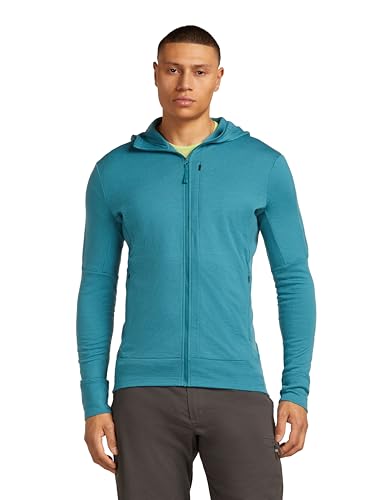
A grid fleece midweight has raised squares of loft separated by thinner channels. Those channels are escape routes for sweat vapor. A brushed merino midweight has a uniform fuzzy nap that holds warm air evenly but moves moisture more slowly. For stop-and-go riding where you spike a sweat on a climb and then coast downhill, grid fleece wins. For steady low-output activity in cold damp air, brushed merino feels warmer on bare skin.
Neither texture is objectively better. The choice depends on whether your biggest threat is overheating or chilling. A grid fleece at 200 g/m² will dump heat roughly twice as fast as a brushed merino at the same weight—that single difference determines whether you unzip at the next rest stop or keep riding comfortably.

How a Midweight Base Layer Fits Your Layering System
The classic three-layer system starts with a base layer against skin, a midlayer for insulation, and a shell for wind and rain. A midweight base layer belongs against your skin. Not over a cotton t-shirt. Not over another base layer. Putting anything between the base layer and your skin breaks the wicking chain. Cotton absorbs sweat and holds it, which turns your base layer into a damp sponge. You end up colder than wearing nothing at all.
If you typically ride in a vented textile jacket with a removable thermal liner, a midweight base layer might replace that liner on days between 45°F and 60°F. The base layer does the same job but fits closer, which reduces bulk and prevents cold air from pooling at your collar. For a deeper look at how base layers differ from traditional thermal underwear, our base layer vs thermal options guide breaks down the construction differences that matter on a long haul.
Runners and cyclists who generate constant heat often find a lightweight base layer sufficient down to freezing, while a midweight only works when they stop. For motorcyclists, wind chill changes everything. Sitting at 60 mph in 50°F air produces an effective temperature near 30°F. That extra 20 degrees of apparent cold is why riders reach for a midweight base layer before hikers do. Our running base layer roundup explains how fit and fabric change when you trade handlebars for trail shoes.
Fit, Care, and Longevity
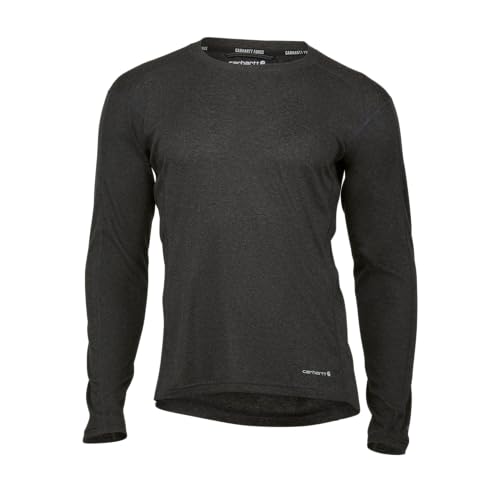
A midweight base layer should fit snug but not restrictive. You want the fabric touching your skin everywhere—no folds, no sagging in the armpits, no excess fabric at the waist. A crew neck seals better under a jacket collar than a deep V, but a zip neck gives you an emergency heat dump without removing your helmet and gloves. If the seams dig into your shoulders or the collar chokes you when you turn your head, size up only in the torso, not the shoulders. Most quality base layers have flatlock seams, which lie flat against skin and prevent chafing over a 10-hour day.
Do not size up just to layer over a t-shirt. That defeats the purpose. If you need more warmth, add a midlayer over the base layer, not under it. A proper fit means the fabric can wick sweat away from your skin and let it evaporate at the outer surface. Loose fabric hangs off your body, creating an air gap that cools you down. A base layer that fits correctly traps a thin layer of warmed air directly against your skin, and that is where 80% of its insulating value comes from.
Care for merino requires discipline. Wash in cold water with a mild detergent—never fabric softener, never bleach. Fabric softener coats wool fibers and destroys their natural ability to manage moisture. Lay flat to dry. High heat in a dryer will shrink merino dramatically, sometimes a full size. Synthetic base layers tolerate warm water and tumble drying on low, but avoid dryer sheets for the same reason as fabric softener. For more specific advice on women’s cuts and fit, our best women’s base layer tops guide covers the differences in torso length and shoulder width that affect how a base layer sits under a riding jacket.
How long should a midweight base layer last? With proper care, a merino blend can go four to six years of regular weekend use before developing thin spots at the elbows and lower back. A pure polyester grid fleece often lasts even longer physically but loses its odor resistance after about two years of heavy sweating unless you treat it with enzyme washes. The first sign of failure is usually pilling along the sides where your jacket liner rubs. That pilling is cosmetic, not structural—the garment still works. Holes at high-friction points mean the yarn itself has broken down, and that is the point to retire it.
Why Does My Midweight Base Layer Smell Even After Washing?
Synthetic fabrics trap body oils in the spaces between fibers. Normal detergent is designed to lift dirt from cotton, not to break down hydrophobic oils on polyester. The fix is an enzyme-based sport wash or a periodic soak in a solution of one part white vinegar to four parts water for 30 minutes. Merino rarely develops permanent odor because the wool fiber itself has antibacterial properties that prevent bacteria from multiplying in the first place. If your merino base layer smells after washing, you probably used too much detergent, which leaves a residue that attracts dirt and bacteria. Use half the recommended amount and add an extra rinse cycle.
When Midweight Is the Wrong Call
A midweight base layer fails in two opposite directions. Above 70°F during hard output, it traps too much heat. You sweat heavily, the fabric saturates, and you either strip down or overheat. Below 30°F during slow or static activity, it does not trap enough warmth, and you need a heavyweight base layer plus a serious midlayer. In between, midweight shines.
For desert touring in late spring, I wear a lightweight polyester base layer under a mesh jacket. For alpine passes in October, I switch to a heavyweight merino base layer under a down midlayer. The midweight sits in reserve for those shoulder days: 45°F at sunrise, 65°F by noon, wind gusts on every ridge. It is the most versatile single piece in my kit, but versatility is not the same as universal. Know the temperature range you actually ride in, then choose the base layer for the middle of that range.
Frequently Asked Questions
What is the actual weight range of a midweight base layer?
Most brands place midweight between 180 and 250 g/m². Some go as low as 150 g/m² for grid fleece and as high as 200 g/m² for brushed merino, but the category is not standardized. Always check the fabric weight on the hangtag or product page before buying, because a “midweight” label from one company can equal a lightweight from another.
Can I wear a midweight base layer as a standalone shirt in mild weather?
Yes, from roughly 50°F to 65°F with low wind, a midweight merino or polyester base layer works fine on its own. The fabric breathes well enough for casual hiking or riding around town. Above 70°F or during hard aerobic effort, you will overheat quickly. For motorcycling, wind chill means you need a shell over it at anything below about 60°F at speed.
How tight should a midweight base layer fit?
Snug, with no folds or gaps. The fabric should touch your skin over your entire torso, armpits, and upper arms. You should be able to take a full breath and rotate your shoulders without the seams pulling. If the collar chokes or the shoulder seams cut into your armpits, the cut is wrong for your build, not necessarily the size.
What is the difference between a grid fleece and brushed merino midweight base layer?
A grid fleece has raised squares separated by channels that vent moisture and heat rapidly. Brushed merino has an even soft nap that holds warm air consistently but moves sweat more slowly. Grid fleece suits stop-and-go activity with big sweat spikes. Brushed merino suits steady low-output activity in cold damp conditions. Both can claim midweight, but they solve opposite problems.
How do I wash a merino midweight base layer without ruining it?
Wash in cold water on a gentle cycle with a mild detergent, ideally one made for wool. Never use fabric softener or bleach. Turn the garment inside out to protect the surface from pilling. Lay flat to dry—never tumble dry on heat, which will shrink merino permanently. Wash after every two or three wears unless heavily sweated, and hang to air out between uses.