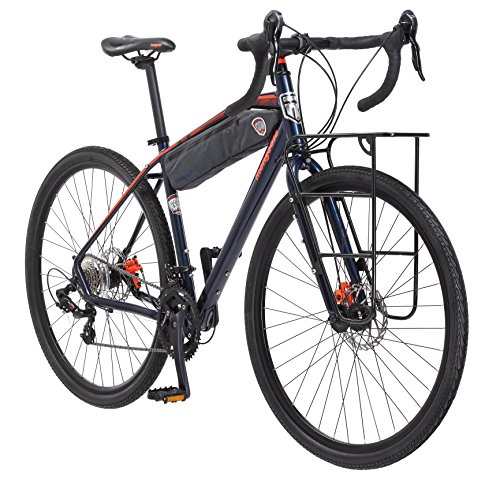
Bicycle Unisex: The Complete Buyer’s Guide for Everyone
Contents
Most unisex bikes are not one-size-fits-all. That sentence might sound like a contradiction, but it is the primary consideration for bicycle fit. The real difference between a unisex and gendered bike is usually just the saddle and the paint job; the frame geometry is nearly identical. A truly unisex bike prioritizes adjustability—an easily swapped stem, a neutral saddle, and a wide range of seat post height—over any specific anatomical assumptions. It is best to ignore the label entirely and measure the rider’s inseam, torso length, and arm reach, then adjust the bike’s contact points accordingly. Beginners often assume ‘unisex’ means it fits everyone, but it really means it fits no one perfectly out of the box—it’s a starting point that requires tuning.
That tuning is exactly what separates a miserable ride from a good one, whether you’re spinning down a gravel road or picking your way across a washed-out fire trail. A unisex bicycle is simply a frame with neutral geometry and standard component sizing, designed to accommodate a wide range of body dimensions without gender-specific assumptions. It’s not a guarantee of comfort; it’s a blank canvas.
Key Takeaways
- A unisex label means neutral frame geometry and standard parts, not a universal fit—you still need to adjust saddle height, stem length, and lever reach.
- The stock saddle on most unisex bikes rarely suits every rider; swapping it based on sit bone width is the single biggest comfort upgrade.
- Unisex bikes work fine off-road if the frame has clearance for wider tires and you test standover height with the loads you’ll actually carry.
What Exactly Makes a Bicycle Unisex?
A unisex bicycle is defined by what it lacks as much as what it has. It lacks a gender-specific saddle shape, lacks shorter cranks or narrower handlebars mandated for women’s models, and lacks the marketing paint schemes that split a catalog into pink and blue. What it has is a step-through frame or a moderately sloping top tube, standard component dimensions, and a neutral riding position that can be adjusted to fit most adults within a reasonable height range.
The frame itself usually adheres to common manufacturing standards. Most unisex bikes use a BSA bottom bracket shell with a 68mm width and English threading, which means you can install nearly any crankset from Shimano, SRAM, or Campagnolo without adapters. Wheel size is typically 700c for road and hybrid models, though many off-road-oriented unisex bikes now use 650b rims for extra tire volume. The frame material is often Aluminum 6061 for its balance of stiffness and weight, paired with a steel fork to absorb high-frequency vibrations from rough surfaces.
Safety standards also apply equally. The ISO 4210 safety standard covers bicycles intended for general use, including strength tests for frames, forks, and handlebars that apply regardless of whether the bike is marketed as unisex, men’s, or women’s. A bike that meets ISO 4210 has passed fatigue testing that simulates years of riding over potholes and rough pavement.
Key Characteristics of a Unisex Frame
- Neutral standover height: The top tube sits low enough that most riders can stand flat-footed over it, but the actual number varies widely between brands like Trek, Specialized, and Bianchi. Test it yourself.
- Standard component sizing: 700c wheels, 68mm BSA bottom bracket shell, and 27.2mm seat post diameter are common, making replacements and upgrades easier to source in any bike shop.
- No gender-specific assumptions: The saddle, stem, and bar width are chosen to be average, which means they’re rarely perfect for any one person.

How Unisex Bikes Differ from Men’s and Women’s Models
Historically, bicycle manufacturers split their lineups by gender for reasons that had less to do with anatomy and more to do with fashion. Men’s bikes used a diamond frame with a high top tube, while women’s bikes featured a step-through frame to accommodate skirts. Saddles came in wide, heavily padded versions for women and narrow, harder versions for men. Handlebars were narrower on women’s bikes, and cranks were sometimes 5mm shorter. None of these differences were based on rigorous biomechanics research; they were conveniences of mass production.
A unisex bike ignores all of that. The frame geometry is usually a moderate slope rather than a full step-through, which keeps the frame lighter and stiffer without making it impossible to mount. The saddle is a generic medium-width shape. The bar width is standard at around 42–44 cm for drop bars and 60–64 cm for flat bars. If you compare a modern unisex bike from Trek’s FX series with a women’s-specific model from Specialized’s Sirrus line, the actual frame angles differ by less than one degree in most sizes.
Saddle Differences: The Most Overlooked Component
The stock saddle on a unisex bike is rarely ideal for either biological sex. Saddle comfort depends on the distance between your sit bones, which varies from 100 mm to 160 mm in adults regardless of gender. A saddle that is too narrow forces your weight onto soft tissue; one that is too wide chafes the inner thighs. Most unisex bikes ship with a saddle in the 140–150 mm range, which fits a statistically average rider but not everyone.
You can measure your own sit bone width at home using a piece of corrugated cardboard and a flat bench. Sit on the cardboard for 30 seconds, then measure the distance between the centers of the two deepest indentations. Add 20–25 mm to that measurement to get a starting saddle width. This is the single most effective adjustment you can make on a unisex bike, and it takes less than 10 minutes.
Fitting a Unisex Bike to Your Body
Because a unisex bike makes no assumptions about your proportions, you must make those adjustments yourself. The three contact points—saddle, handlebars, and pedals—determine 95% of your comfort. Getting them right is not complicated, but it requires patience and a few basic tools: a 4mm and 5mm hex key, a torque wrench, and a tape measure.
Start with saddle height. A commonly used formula is to multiply your inseam by 0.883 to get the distance from the center of the bottom bracket to the top of the saddle. This gives a slight knee bend at the bottom of the pedal stroke, which protects your knees from hyperextension. If your knees hurt at the front after a ride, the saddle is too low; if your hips rock side to side, it’s too high.
Next, adjust saddle fore-aft position. With the cranks horizontal, a plumb line dropped from the bony bump just below your kneecap should pass through the pedal spindle. This is a rough starting point; fine-tune based on whether you feel pressure on your hands (move saddle back) or lower back strain (move saddle forward).
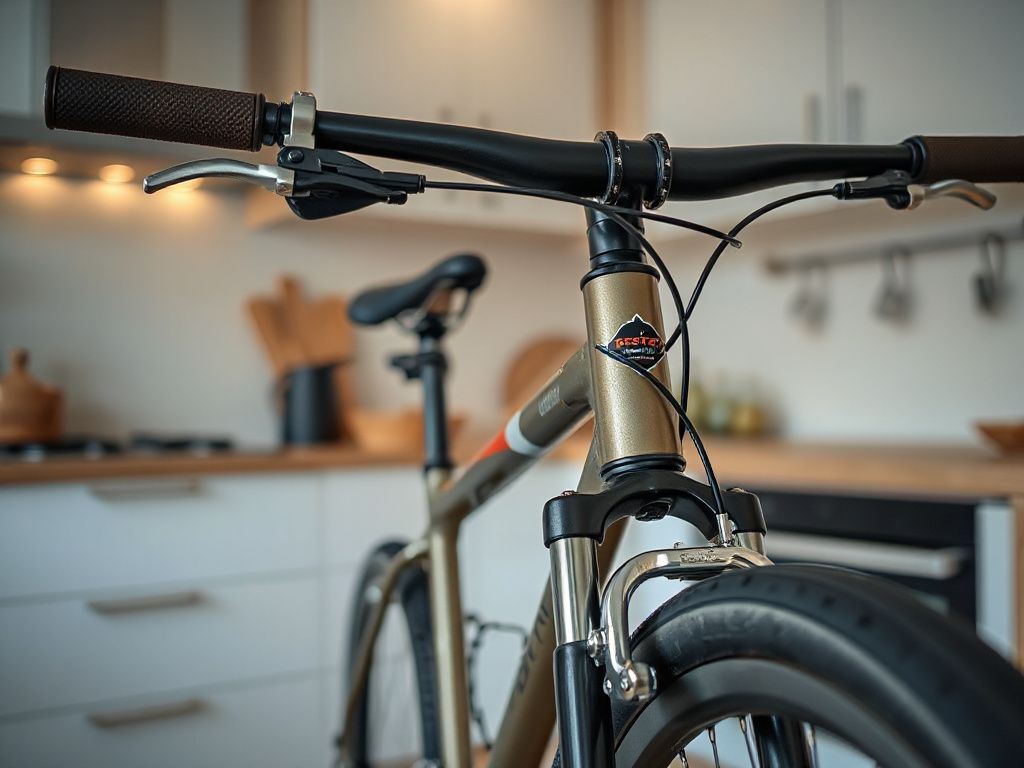
Handlebar reach and height are equally important. A unisex bike often comes with a stem between 80mm and 110mm long. If you feel stretched out, swap to a 70mm stem with a higher rise. Many unisex flat-bar bikes also include adjustable stems that let you change the angle without buying a new part. Brake levers on many models have reach adjustment screws that bring the lever blade closer to the bar for smaller hands—a feature worth checking before you buy.
Step-by-Step Adjustment Guide
- Measure your inseam while standing barefoot against a wall, pressing a book into your crotch with light pressure. Mark the top edge and measure to the floor.
- Set saddle height using the 0.883 multiplier. Loosen the seat post clamp, adjust, and tighten to the frame manufacturer’s torque spec (usually 5–7 Nm for aluminum posts).
- Adjust brake lever reach if your hands are smaller than average. Turn the reach adjustment screw on the lever body until the first finger joint rests comfortably on the blade.
- Test standover clearance with the shoes you’ll ride in. You need at least 2.5 cm between your crotch and the top tube when standing flat-footed.
- Fine-tune after a 30-minute ride. Note any numbness, knee pain, or shoulder tension, then make one change at a time and re-test.
Can a Unisex Bike Handle Off-Road Terrain?
As an off-road route scout, I judge every bike by how it behaves when the pavement ends and the surface becomes unpredictable. A unisex bike is not a category of its own in this regard—it’s just a neutral frame that can be built up for any terrain. The critical factors are tire clearance, wheel size, and frame stiffness, none of which are gender-specific.
A unisex bike with 700c wheels and clearance for 38–45mm tires can handle gravel roads, hardpacked dirt, and light singletrack. If the frame has a steel fork, you get additional vibration damping that reduces hand fatigue on washboard surfaces. For rougher terrain, look for a unisex bike with 650b wheels and tire clearance up to 50mm or more; the smaller diameter wheel with a wider tire gives more air volume and better traction on loose rock.
The neutral geometry of a unisex bike is actually an advantage off-road. Without a gender-specific saddle or bar width forcing you into an unnatural position, you have full freedom to adjust the cockpit for aggressive riding or relaxed touring. If you’re comparing a touring bicycle versus a road bike for mixed-surface adventures, the key difference is tire clearance and frame stiffness—both of which vary independently of the unisex label.
Choosing the Right Tires and Suspension
No suspension is needed for gravel and dry singletrack if you run tire pressures in the 35–50 psi range for 40mm tires. For rocky terrain, a short-travel suspension fork (60–80mm) can be added to many unisex hybrid frames, but check the frame’s head tube size and axle standard first. Most unisex bikes use a 1-1/8 inch straight steerer tube, which limits fork options.
Weight capacity matters off-road. A rack loaded with panniers adds 15–25 kg, and frame flex under that load can cause speed wobble on descents. Check the manufacturer’s maximum rider weight and cargo limit before adding racks. Many unisex bikes from entry-level brands have a total weight limit around 120 kg, while premium models from Trek or Specialized often rate 136 kg or more.
Maintenance and Component Considerations for Unisex Bikes
Maintenance on a unisex bike is no different from any other bicycle—there’s no special grease or unique cable routing. The BSA bottom bracket threads in and out just like on a men’s or women’s bike. The drivetrain, whether from Shimano or another brand, uses standard chain widths and cassette spacing. Brakes, derailleurs, and shifters all follow universal mounting standards.
That said, one maintenance-specific issue to watch is the steel fork found on many budget unisex models. Steel forks are durable but can develop internal rust if water seeps past the headset. Inspect the fork crown and steerer tube annually, and replace the headset bearings if you feel any notchiness when turning the bars. This is standard practice for any bike, but it’s easy to overlook on a low-cost unisex hybrid.
Weight Limits and Cargo Loads
Not all unisex bikes are rated for heavy touring. A frame designed for light commuting might have a maximum total load of 100 kg including rider and cargo, which leaves little margin for a 90 kg rider carrying a full set of panniers. Check the stamped or printed specification on the frame or in the owner’s manual. If you plan to add a rear rack, verify the mounting eyelets are reinforced—some lightweight step-through frames have eyelets rated for only 10 kg per side.
Do you need to replace pedals or grips on a unisex bike? Not necessarily. Pedals are universal 9/16-inch thread and can be replaced if the stock platforms feel too narrow or lack grip in wet conditions. Grips are personal preference; if your hands go numb on rough trails, try ergonomic grips with a palm shelf or switch to thicker foam grips. These are not unisex-specific issues, but they affect comfort on long rides.
Common Mistakes When Choosing a Unisex Bike
The biggest mistake is treating the unisex label as a promise of comfort. It is not. A unisex bike fits nobody perfectly out of the box; it’s a neutral starting point that requires tuning. The second mistake is ignoring the saddle. As I mentioned earlier, the stock saddle is rarely ideal for either gender, and swapping it is the cheapest high-impact upgrade you can make.
Another common error is choosing a frame size based solely on height charts. Height is a poor predictor of standover clearance because leg length varies. Two riders of the same height can have inseams differing by 8 cm. Always measure your inseam and test the actual standover height on the bike you intend to buy, especially if you plan to ride with heavy loads or thick winter clothing.
Finally, don’t assume a step-through frame is easier to mount with heavy cargo. A lower top tube helps, but if the step-over height is still above your inseam clearance with a loaded rack, you’ll struggle to swing a leg over. Test with the exact load you’ll carry. A unisex bike with a moderately sloping top tube may actually be easier to mount than a full step-through if the frame is smaller overall.
Frequently Asked Questions
Will a unisex bicycle fit me if I’m very tall or very short?
A unisex bicycle covers a broad height range, usually from about 150 cm to 195 cm depending on the frame size and adjustable components. If you’re outside that range, you’ll need a non-standard seat post, longer or shorter stem, or crank arms of different length. The neutral geometry helps, but extreme body proportions always require custom fitting beyond what a stock unisex frame can accommodate.
Are there any safety concerns specific to unisex bikes?
No safety concerns are unique to a unisex bicycle. The same standards apply as for any bicycle; look for compliance with ISO 4210 which specifies strength and fatigue requirements for frames, forks, and handlebars. The main risk comes from improper fit—a saddle too high can cause knee injury, and brake levers out of reach can delay emergency stops. Adjust those contact points before your first ride.
How does the geometry of a unisex bike affect comfort on long rides?
The geometry of a unisex bike is designed to be neutral, meaning the rider sits in a moderately upright position with weight distributed between saddle, pedals, and handlebars. On long rides, this reduces pressure on the hands and lower back compared to an aggressive road position, but it can increase saddle pressure if the saddle doesn’t match your sit bones. Long-distance comfort depends more on saddle choice and total bike fit than on the frame label.
When you’re ready to compare frame types for multi-day adventures, our guide to touring bicycles versus road bikes in 2026 covers the geometry and cargo differences that matter once you leave the pavement behind.